A Different Kind of Construction Story Is Taking Shape in Western Sydney
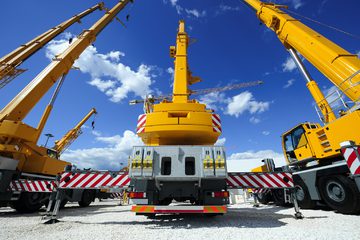
At sunrise, the skyline across Western Sydney often tells a story long before workers arrive on site. Tower cranes stand motionless above emerging residential precincts, while mobile cranes roll onto transport corridors, logistics hubs, and industrial developments that will look entirely different by the end of the week. Their presence is more than a familiar feature of Australia’s construction landscape. It reflects how the country’s approach to building cities is evolving.
Australia is experiencing a period in which infrastructure investment, population growth, and urban expansion are occurring simultaneously. Western Sydney, supported by major transport upgrades, industrial precincts, and new housing developments, has become one of the clearest examples of these overlapping pressures. Yet the success of many projects depends not only on architectural ambition or engineering expertise, but also on practical decisions that receive little public attention. Among them is the choice of crane equipment.
The growing demand for mobile crane hire western Sydney illustrates a broader shift in how construction projects are planned, delivered, and managed. Crane selection has become less about simply lifting heavy materials and more about responding to increasingly complex urban conditions.
Construction Is Becoming More Flexible—and More Demanding
Only a decade ago, many large construction projects followed relatively predictable timelines. Today, Australia’s building sector faces a different environment. Labour shortages, tighter project schedules, rising material costs, and expanding compliance obligations have changed the way contractors approach procurement decisions.
Western Sydney presents these challenges in concentrated form. Large-scale road upgrades operate alongside residential subdivisions, warehouse construction, healthcare facilities, schools, and commercial developments. Many of these projects occur simultaneously within limited geographical areas, requiring contractors to coordinate equipment efficiently while minimising disruption to surrounding communities.
This changing environment explains why flexibility has become one of the industry’s most valuable assets. Equipment that can move quickly between sites often provides greater operational resilience than machinery designed for only one type of project. That is one reason demand for mobile crane hire western Sydney continues to grow across infrastructure and commercial construction.
Rather than committing specialised lifting equipment to a single location for extended periods, many projects increasingly rely on cranes that can adapt as construction priorities shift.
Different Projects Require Different Crane Strategies
The public often sees cranes as interchangeable machines, but project managers understand that crane selection reflects site constraints, construction sequencing, and long-term operational planning.
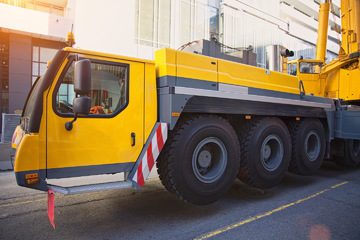
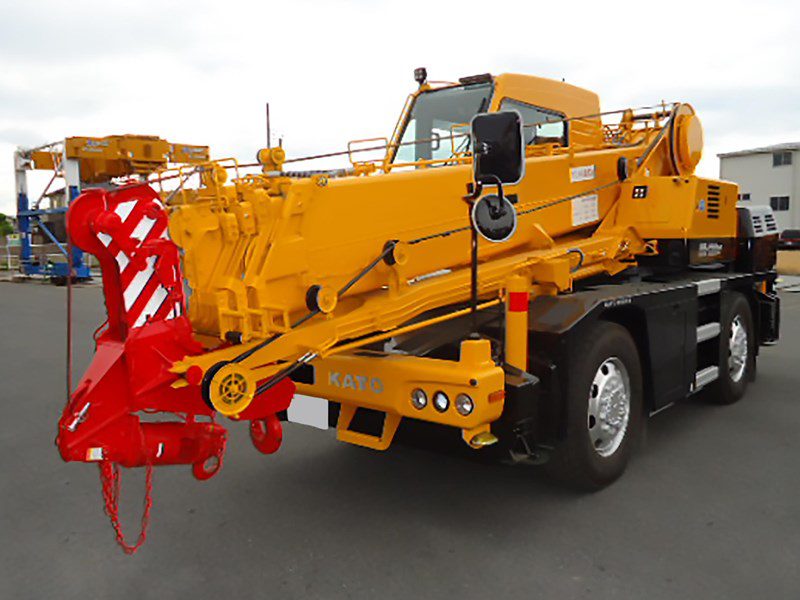
For transport upgrades, bridge maintenance, industrial facilities, or utility installations spread across multiple locations, mobile crane hire offers practical advantages. Mobile cranes can be transported efficiently between sites, repositioned rapidly, and deployed with comparatively short setup times. This flexibility becomes particularly valuable when contractors must coordinate multiple work fronts or complete lifting operations during limited road closure windows.
High-rise residential and commercial developments present an entirely different challenge. Once construction reaches significant height, tower crane hire often becomes the logical solution because tower cranes provide continuous lifting capacity throughout extended building programs. Their ability to remain fixed on site supports the steady movement of structural steel, concrete, and prefabricated components over many months.
Dense urban environments introduce another layer of complexity. In locations where neighbouring buildings leave little room for conventional crane movement, luffing crane hire addresses constraints that traditional tower cranes cannot easily overcome. With reduced jib swing requirements, luffing cranes allow lifting operations to continue safely without extending beyond property boundaries, making them particularly valuable in tightly developed metropolitan areas.
These decisions rarely revolve around finding a universally superior crane. Instead, they reflect a growing recognition that equipment must match both the physical environment and the operational demands of each project.
Urban Density Is Reshaping Equipment Decisions
Western Sydney’s transformation extends beyond suburban expansion. Increasingly, redevelopment projects occur alongside existing transport networks, occupied commercial buildings, and established residential communities.
Construction sites now operate within environments where road access is limited, pedestrian safety requires greater attention, and available working space continues to shrink. Every lifting operation must balance efficiency with public safety and regulatory compliance.
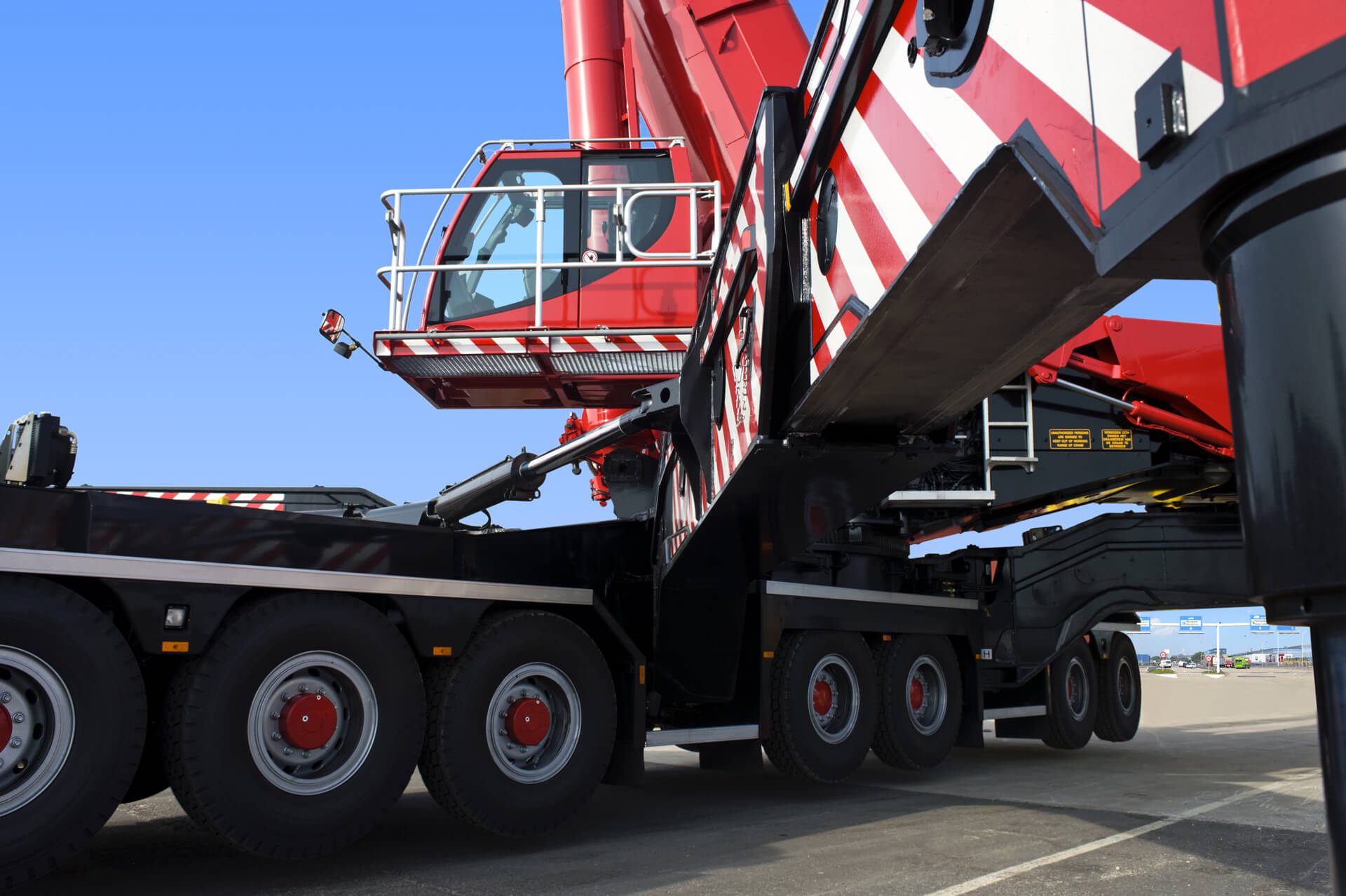
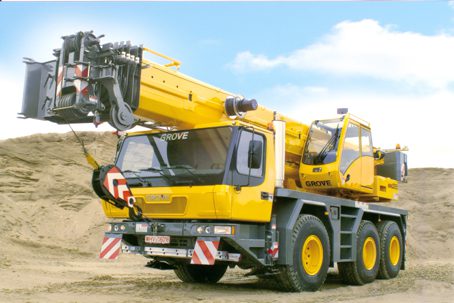
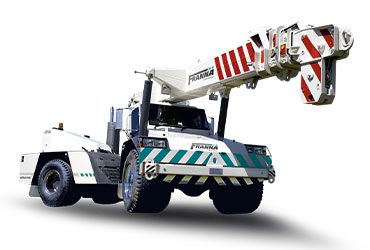
A practical example can be seen during infrastructure upgrades where an all-terrain crane hire Sydney solution may be selected for projects requiring both highway mobility and stable lifting performance on uneven ground. Such equipment enables contractors to travel efficiently between dispersed work locations while maintaining the capability to operate across varied terrain without extensive logistical delays.
These site conditions explain why crane procurement has become a strategic planning exercise rather than a straightforward equipment booking. Decisions increasingly consider traffic management, environmental impacts, lifting schedules, and neighbourhood disruption alongside traditional engineering requirements.
Regulation and Safety Are Raising Expectations
Australia’s construction industry has steadily strengthened its focus on crane safety over the past decade. State regulators, including WorkSafe authorities and Safe Work Australia, have introduced increasingly rigorous expectations surrounding operator competency, lift planning, equipment inspection, and risk management.
For contractors, compliance is no longer viewed as a final administrative step before lifting begins. It shapes procurement decisions from the earliest stages of project planning.
Modern crane operations involve comprehensive documentation, engineered lift studies where required, regular equipment inspections, and clearly defined communication procedures between operators, doggers, riggers, and site supervisors. These practices reflect an industry that recognises safety as an operational discipline rather than a regulatory obligation alone.
The consequence is that hiring decisions increasingly prioritise reliability, documentation, and operational capability alongside lifting capacity.
Technology Is Quietly Changing Crane Operations
While cranes themselves remain visually familiar, the technology supporting them has changed considerably.
Many operators now use GPS fleet monitoring, digital maintenance records, electronic load management systems, and remote diagnostics that improve equipment reliability while providing project managers with greater operational visibility. Digital scheduling platforms also allow contractors to coordinate crane deployment across multiple projects with greater precision than traditional manual planning methods.
Automation has not replaced experienced crane operators, nor is it likely to do so soon. Instead, technology increasingly supports human decision-making by reducing uncertainty, improving maintenance planning, and helping identify operational risks before lifting begins.
This evolution mirrors broader trends across Australian infrastructure, where digital tools complement rather than replace skilled trades and engineering expertise.
The Crane Above the Skyline Tells a Larger Story
It is easy to see cranes simply as symbols of construction activity. In reality, they reveal something more significant about how Australian cities are changing.
As Western Sydney continues its transformation into one of the country’s most important economic and infrastructure corridors, equipment decisions will increasingly influence project efficiency, urban disruption, worker safety, and long-term development outcomes. The growing reliance on mobile crane hire western Sydney reflects this broader shift toward adaptable construction strategies capable of responding to more complex urban environments.
Future infrastructure challenges are unlikely to be solved by larger machines alone. They will depend on smarter planning, better coordination, stronger regulatory standards, and equipment selected to match increasingly sophisticated project demands. The cranes rising across Australia’s cities are not merely lifting steel and concrete—they are quietly revealing how modern construction itself is evolving.