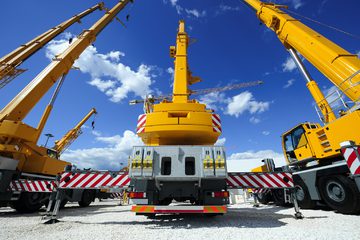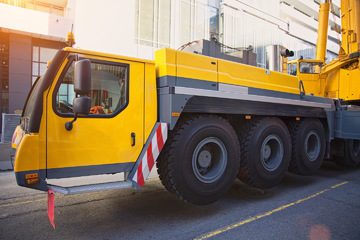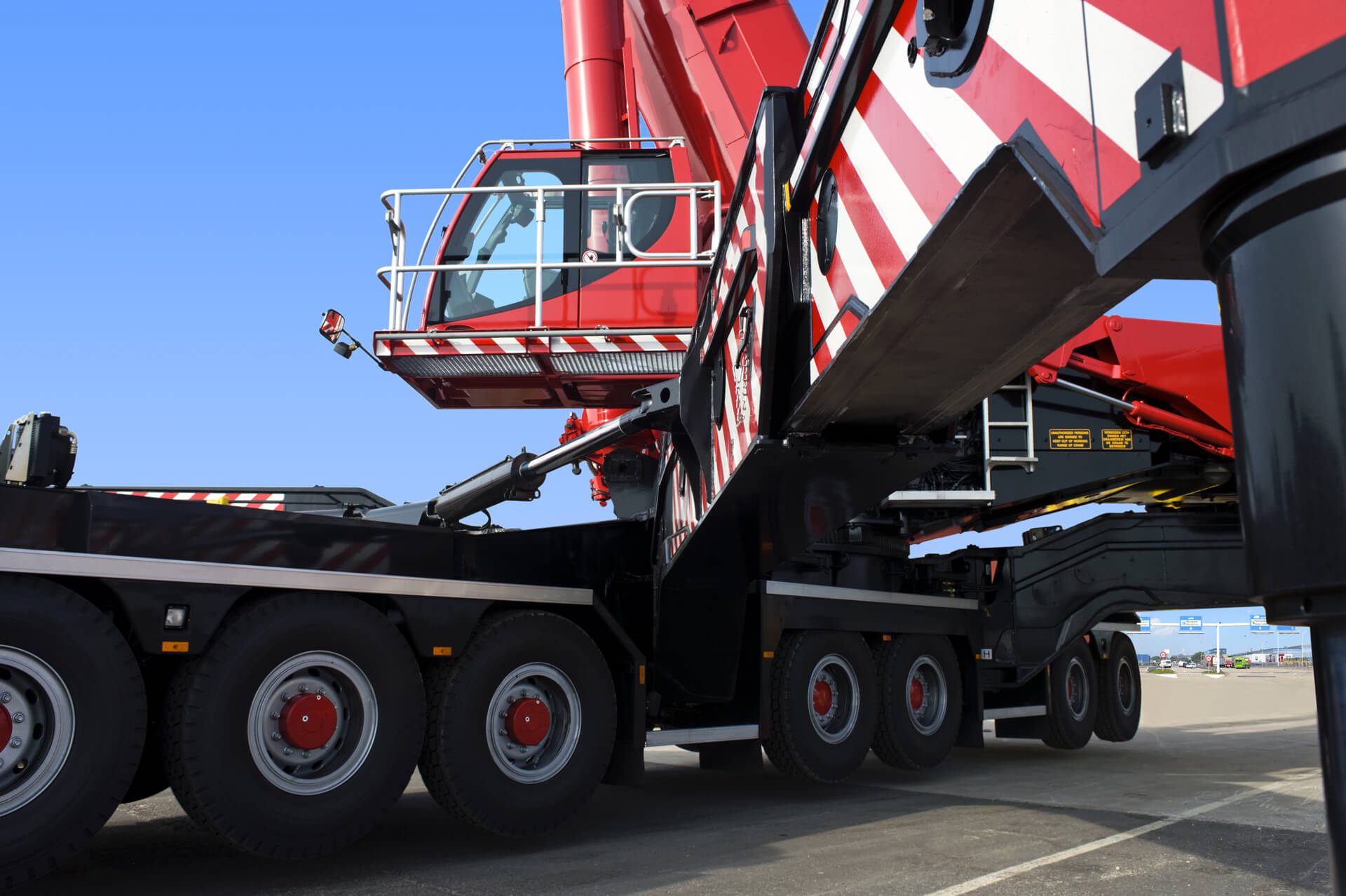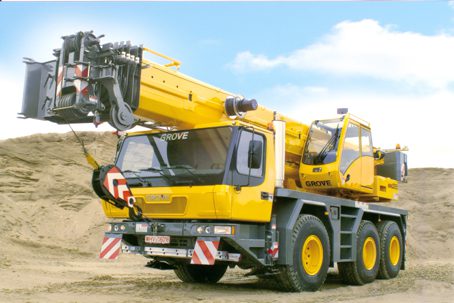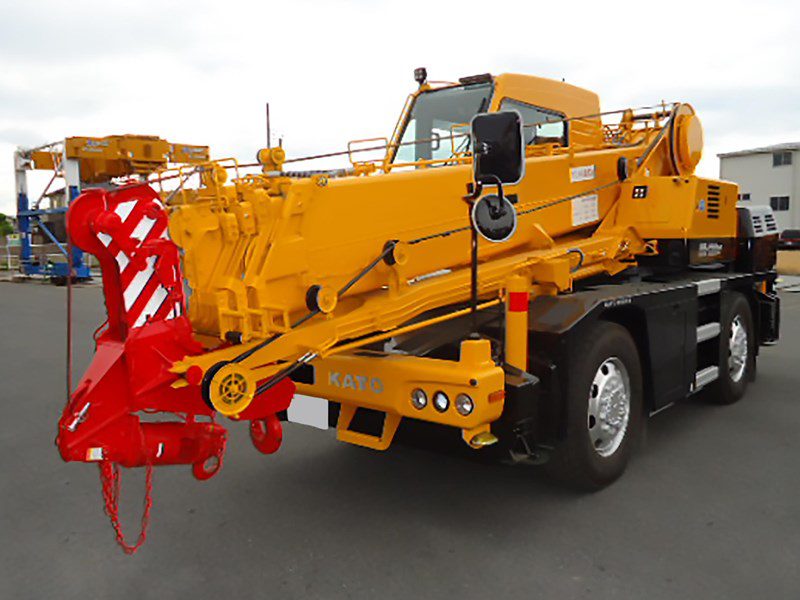
The cranes rising above Northern Sydney tell a story about Australia’s changing cities—but the real transformation begins long before the first lift.
On any weekday morning, the skyline across Northern Sydney reveals a familiar scene. Tower cranes stand over high-rise developments, mobile cranes maneuver into tight commercial precincts, and construction teams work within carefully coordinated timeframes. To passersby, these machines simply represent another building project. For the professionals responsible for delivering Australia’s infrastructure, however, they represent something much more significant: a shift in how cities are built.
The conversation surrounding crane hire has changed. Once viewed primarily as an operational decision, crane selection now sits alongside procurement strategy, project risk management, regulatory compliance, and urban planning. As Australia’s cities become denser and infrastructure investment accelerates, the choice of lifting equipment increasingly determines whether complex projects can be delivered safely, efficiently, and with minimal disruption.
Few regions illustrate this evolution better than Northern Sydney, where commercial growth, residential redevelopment, transport upgrades, and public infrastructure projects continue to compete for limited urban space. The growing demand for mobile crane hire northern Sydney reflects broader changes taking place across Australia’s construction industry—changes driven as much by the realities of modern cities as by advances in engineering.
Building Within Cities Has Become More Complex
Australia’s construction sector is experiencing sustained demand, yet many of today’s projects no longer benefit from large, open worksites. Instead, developers and contractors are building within established urban environments where businesses remain operational, roads stay open, and nearby communities expect construction to proceed with minimal disruption.
Northern Sydney exemplifies this challenge. New apartment buildings rise beside occupied office towers. Infrastructure upgrades occur alongside busy transport corridors. Schools, hospitals, retail centres, and residential neighbourhoods continue functioning while major construction unfolds around them.
This environment requires far greater coordination than traditional construction sites. Every delivery, every road closure, and every lifting operation must fit within carefully planned schedules. As available space becomes more constrained, equipment selection evolves from a logistical consideration into a strategic project decision.
That reality explains why crane hire has become increasingly intertwined with broader project planning rather than remaining a task addressed only after construction begins.
Why Mobility Has Become a Strategic Asset
Construction projects today operate under tighter schedules and greater logistical pressure than many did a decade ago. Labour shortages, compressed delivery programs, and post-pandemic infrastructure investment have encouraged contractors to seek greater flexibility throughout project execution.
This changing environment has increased reliance on mobile crane hire, particularly for projects involving multiple locations or limited operating windows.
Unlike fixed lifting solutions designed for long-term installation, mobile cranes provide adaptability. They can move efficiently between sites, support different stages of construction, and complete lifting operations without requiring permanent installation.
Consider a commercial building undergoing rooftop equipment replacement. The lift may need to occur during a single weekend to avoid disrupting tenants. Infrastructure maintenance on a bridge may require overnight access before commuters return the following morning. Utility upgrades frequently depend on cranes that can arrive, complete precision lifting within restricted traffic management periods, and relocate before surrounding roads reopen.
These examples demonstrate why mobility has become increasingly valuable—not because projects have become larger, but because construction environments have become significantly more constrained.
Different Projects Require Different Lifting Strategies
One of the defining characteristics of contemporary construction is that no single crane type serves every project equally well. Successful project planning depends upon matching equipment to the unique demands of each site rather than pursuing maximum lifting capacity alone.
Long-duration developments continue to rely on tower crane hire because these cranes provide continuous vertical lifting throughout extended construction programs. High-rise residential towers, commercial office developments, and mixed-use precincts benefit from permanent lifting infrastructure capable of supporting daily material movement over many months.
Urban projects facing severe space limitations often require a different solution. Luffing crane hire has become increasingly common within densely developed areas because the crane’s reduced slewing radius enables lifting operations where surrounding buildings leave little room for conventional tower cranes to operate safely.
Meanwhile, mobile crane hire northern Sydney remains essential for projects demanding versatility. Structural steel installation, bridge maintenance, modular construction, mechanical services installation, and infrastructure upgrades often require equipment capable of arriving quickly, completing specialised lifts, and relocating without delaying surrounding project activities.
The appropriate crane is therefore determined less by size than by how effectively it responds to site conditions, construction sequencing, and operational constraints.
Northern Sydney Reflects Australia’s Infrastructure Future
Northern Sydney provides an important lens through which to understand broader national trends. Population growth continues to drive investment in housing, transport infrastructure, healthcare facilities, education precincts, and commercial development. At the same time, opportunities to build on undeveloped land continue to diminish.
Construction increasingly occurs within existing communities where maintaining public access, minimising disruption, and protecting neighbouring assets become integral parts of project delivery.
Under these conditions, lifting operations demand extraordinary planning. Equipment movements must align with traffic management strategies. Deliveries require precise scheduling. Local authorities, engineers, contractors, and safety specialists often coordinate weeks before cranes arrive on site.
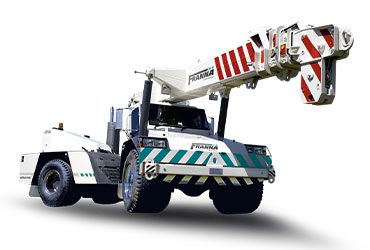
Projects requiring all-terrain crane hire Sydney illustrate this complexity particularly well. These cranes combine road mobility with the capability to operate across more demanding terrain, making them suitable for infrastructure works extending between metropolitan environments and more challenging site conditions.
Rather than representing specialist equipment for unusual circumstances, they demonstrate how modern construction increasingly values operational flexibility across diverse project environments.
Regulation and Technology Are Changing Industry Expectations
Australia’s regulatory environment has also evolved considerably, reinforcing the industry’s emphasis on careful planning and risk management.
WorkSafe authorities and state regulators continue strengthening expectations surrounding lift planning, operator competency, equipment inspection, exclusion zones, weather monitoring, and documented safety procedures. Compliance now extends well beyond equipment maintenance to encompass every stage of lifting preparation and execution.
This shift has encouraged many project teams to involve lifting specialists earlier in procurement and design processes. Crane selection increasingly forms part of broader discussions around engineering, logistics, scheduling, and regulatory compliance rather than being treated as an isolated operational decision.
Technology has accelerated this evolution. GPS fleet management supports more efficient equipment deployment between projects. Digital load monitoring systems provide operators with real-time lifting information. Predictive maintenance technologies reduce unexpected mechanical failures, while integrated planning software enables contractors to coordinate lifting activities alongside broader construction schedules.
These developments are not replacing professional judgement. Instead, they are strengthening decision-making by providing better information within increasingly complex project environments.
Crane Hire Now Reflects How Australia Builds Its Cities
The cranes visible across Northern Sydney represent more than construction equipment. They reflect how Australia’s approach to urban development has matured.
As cities become denser, infrastructure programs expand, and regulatory expectations continue evolving, construction depends increasingly on decisions made long before visible work begins. Crane selection now influences procurement strategy, project sequencing, public safety, environmental impact, and overall delivery efficiency.
The growing importance of mobile crane hire northern Sydney therefore signals something larger than rising demand for lifting equipment. It illustrates how Australian construction is adapting to a future where flexibility, planning, and precision carry equal weight with engineering capability.
Australia’s next generation of urban development will undoubtedly include taller buildings, upgraded transport networks, and expanding public infrastructure. Yet the projects that succeed will be distinguished not simply by what they build, but by how thoughtfully they manage the complex decisions that make construction possible.
In that respect, crane hire has become more than an operational necessity. It has become a measure of how intelligently modern cities choose to grow.