As Sydney’s Skyline Evolves, the Most Important Construction Decisions Often Happen Before the First Lift
Shortly after sunrise, construction sites across Northern Sydney begin moving with remarkable precision. Traffic controllers establish temporary road closures, engineers review lift plans, and contractors coordinate deliveries that must arrive within narrow time windows. Long before concrete is poured or steel is installed, another decision has already shaped the project’s success: choosing the right crane.
To many people, cranes are simply symbols of growth. They punctuate skylines, dominate construction sites, and disappear once a project is complete. Yet within Australia’s construction industry, crane selection has become one of the earliest and most strategic decisions in project planning. It influences safety, scheduling, logistics, environmental impact, and increasingly, whether a project can meet the expectations of modern cities.
That shift is especially visible in Northern Sydney, where urban density, infrastructure investment, and redevelopment continue to reshape established suburbs. The growing importance of mobile crane hire northern Sydney reflects a broader transformation taking place across Australian construction—one where equipment decisions are no longer operational details but critical components of urban development strategy.
Building More in Less Space
Australia’s major cities continue to expand, but the nature of that expansion has changed. Rather than building exclusively on undeveloped land, much of today’s construction occurs within busy urban environments where roads remain open, businesses continue trading, and residents expect minimal disruption.
Northern Sydney captures this challenge particularly well. Commercial precincts are evolving alongside transport upgrades, residential developments, and public infrastructure projects, often within neighborhoods that were never designed to accommodate large-scale construction activity.
As available space becomes more limited, construction teams must carefully coordinate every stage of a project. Equipment access, delivery schedules, pedestrian safety, traffic management, and environmental considerations all compete for attention. In this environment, crane selection becomes far more than a question of lifting capacity.
It becomes a question of how construction can proceed efficiently without overwhelming the city surrounding it.
Why Flexibility Has Become a Competitive Advantage
Modern construction projects rarely unfold exactly as planned. Material deliveries change, weather affects schedules, and multiple contractors often share responsibility for different stages of the same development.
These realities explain why mobile crane hire has become increasingly valuable across metropolitan Australia. Unlike fixed lifting systems that remain on-site throughout construction, mobile cranes provide flexibility that aligns with the dynamic nature of contemporary projects.
A healthcare facility replacing rooftop mechanical equipment may require heavy lifting over a single weekend to minimise disruption. A bridge maintenance program may only have overnight access before commuters return. Industrial upgrades frequently involve multiple locations that cannot justify permanent lifting infrastructure.
In each case, mobility becomes an operational advantage rather than simply a convenience. Equipment arrives when required, completes carefully planned lifts, and moves efficiently to the next assignment.
This flexibility has become particularly important in Northern Sydney, where limited construction windows and busy transport corridors leave little margin for delay.
Every Crane Solves a Different Urban Problem
One of the misconceptions surrounding construction equipment is that larger cranes automatically represent better solutions. In practice, experienced project teams focus on selecting equipment that best matches the conditions of a specific site.
For long-term commercial towers and residential high-rises, tower crane hire remains the logical choice. These cranes provide continuous vertical lifting over many months, supporting repetitive movement of structural steel, concrete panels, mechanical services, and building materials throughout lengthy construction programs.
Projects within established urban neighbourhoods often face a different challenge. Buildings stand closer together, neighbouring properties remain occupied, and available operating space becomes increasingly restricted. Under these conditions, luffing crane hire offers practical advantages because its shorter slewing radius allows lifting operations within confined environments while reducing interference with surrounding buildings.
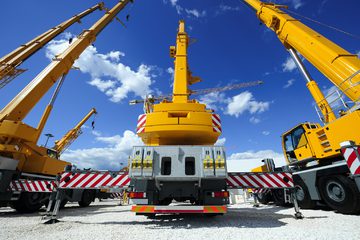
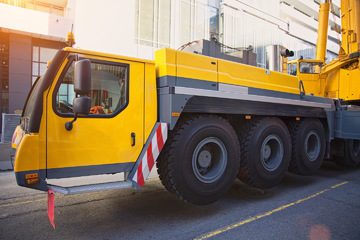
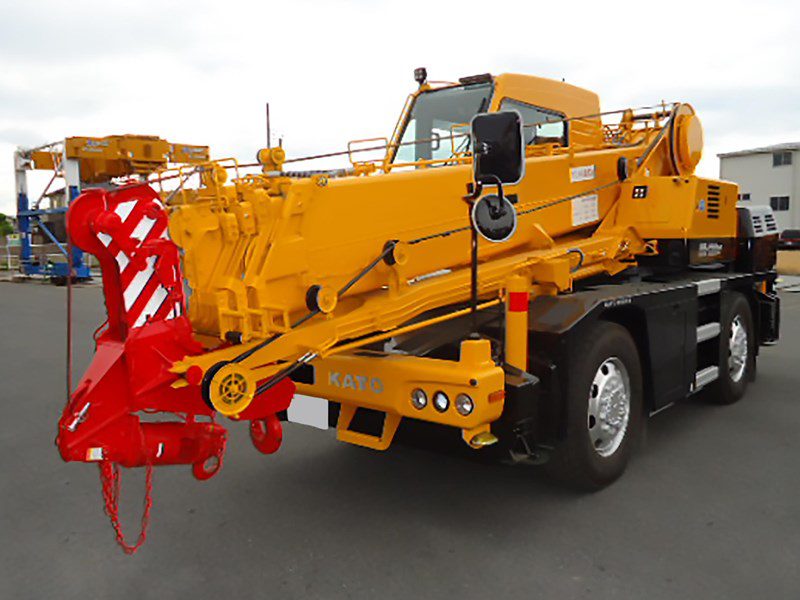
Meanwhile, mobile crane hire northern Sydney continues to serve projects requiring versatility rather than permanence. Infrastructure maintenance, structural steel installation, modular construction, bridge works, utility upgrades, and commercial refurbishments often depend upon equipment capable of arriving quickly, completing complex lifts safely, and relocating without interrupting broader project schedules.
Each crane type reflects a different response to Australia’s increasingly diverse construction landscape rather than a hierarchy of capability.
Northern Sydney Reflects Challenges Emerging Across Australia
The pressures shaping Northern Sydney are becoming familiar across Australia’s largest cities. Population growth continues to drive demand for housing, transport infrastructure, healthcare facilities, education projects, and commercial development. Yet available construction space rarely expands at the same pace.
Developers increasingly work around operating rail corridors, congested intersections, heritage buildings, active shopping districts, and densely populated residential streets. Construction cannot simply occupy the city; it must coexist with it.
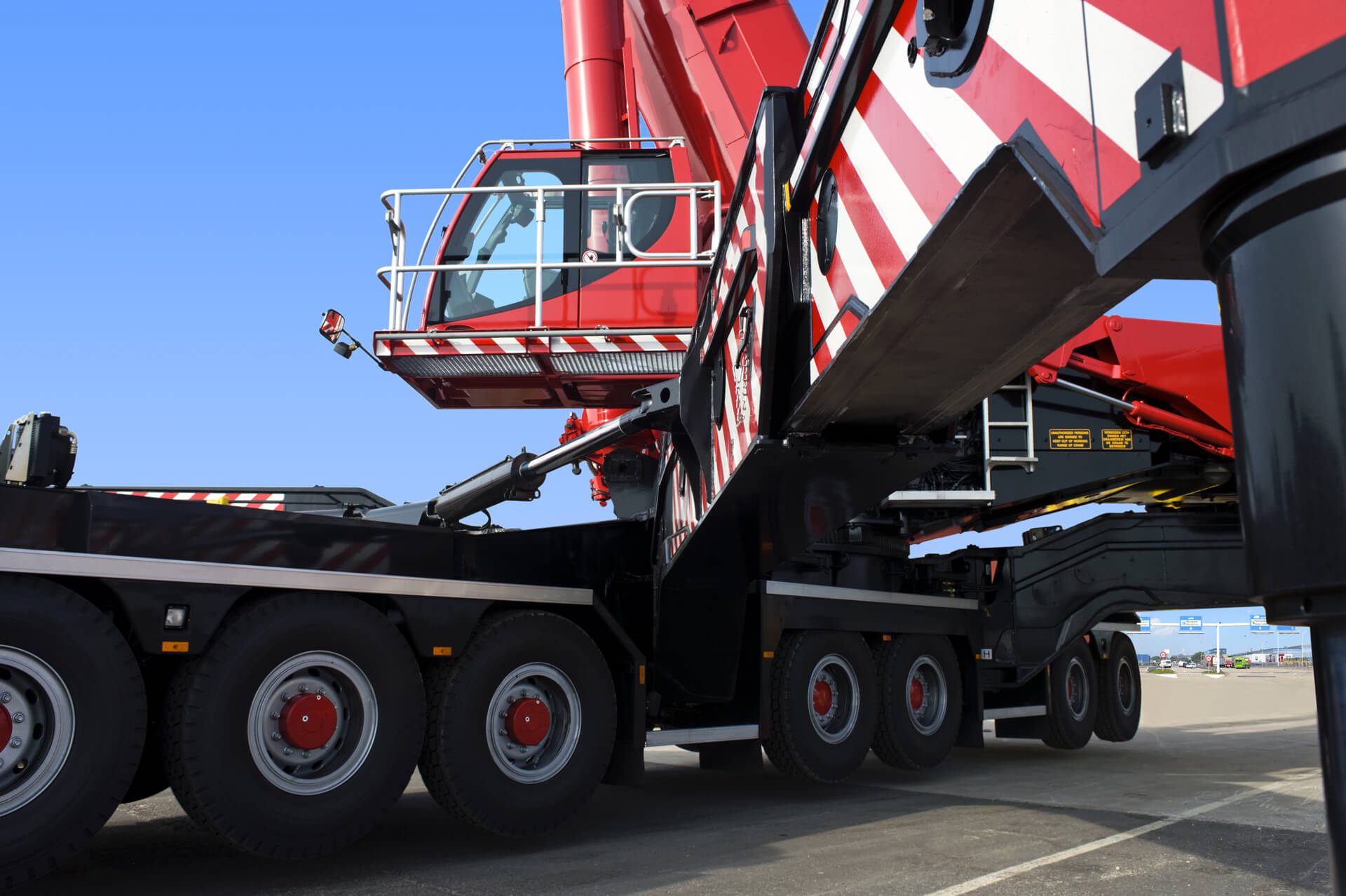
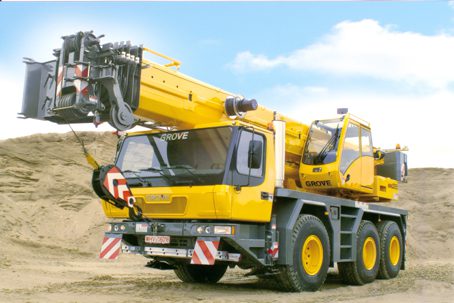
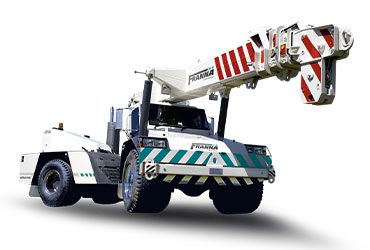
This reality has increased demand for carefully planned lifting operations using equipment suited to varied site conditions. A project requiring all-terrain crane hire Sydney illustrates this balance well. These cranes combine road mobility with the capability to operate across more demanding terrain, allowing contractors to access infrastructure projects that extend beyond conventional urban environments while still navigating metropolitan road networks efficiently.
Rather than representing specialised exceptions, these projects demonstrate how construction planning has become more adaptive as Australia’s infrastructure requirements continue to evolve.
Regulation Has Raised Expectations Across the Industry
The evolution of crane hire has also been shaped by Australia’s increasingly rigorous approach to workplace safety.
State regulators and WorkSafe authorities continue to strengthen expectations surrounding lift planning, operator competency, equipment maintenance, weather assessment, exclusion zones, and documented risk management. These frameworks reflect a broader industry recognition that lifting operations involve multiple interconnected risks requiring careful preparation before work begins.
Consequently, procurement decisions increasingly incorporate regulatory considerations alongside operational requirements. Choosing the appropriate crane now involves evaluating site constraints, engineering specifications, operator qualifications, transport logistics, and compliance obligations as part of a single planning process.
Many construction professionals now engage lifting specialists during early project design rather than after schedules have already been finalised. That shift represents a significant cultural change within Australian construction, placing proactive planning ahead of reactive problem-solving.
Technology Is Quietly Transforming Crane Operations
Technology has also reshaped how cranes contribute to modern construction, although many of these changes remain invisible outside the industry.
Digital load monitoring systems assist operators by providing continuous operational information during lifts. GPS-enabled fleet management helps coordinate equipment movements between projects, reducing unnecessary transport while improving scheduling accuracy. Predictive maintenance technologies allow many operators to identify servicing requirements before mechanical issues affect construction timelines.
At the project level, digital planning tools increasingly integrate lifting operations with broader construction schedules, allowing engineers, contractors, and logistics teams to coordinate activities with greater precision.
These developments do not replace skilled operators or experienced lift planners. Instead, they strengthen decision-making by providing better information, greater transparency, and improved operational oversight throughout increasingly complex projects.
Crane Hire Has Become a Reflection of How Australian Cities Are Built
Australia’s cranes are often viewed as symbols of economic confidence, but they also reveal something more significant. They demonstrate how construction has adapted to cities that demand greater efficiency, stronger safety standards, and more thoughtful use of limited space.
The growing importance of mobile crane hire northern Sydney reflects this broader transition. Equipment selection now shapes procurement strategies, construction sequencing, community impact, and regulatory compliance long before visible work begins.
As Australian cities continue to grow upward and inward, these decisions will only become more consequential. Future infrastructure projects will depend not only on engineering expertise but also on careful coordination between technology, regulation, logistics, and urban planning.
The cranes rising above Northern Sydney therefore represent more than construction activity. They represent an industry learning to build within increasingly complex cities—where every lift, every movement, and every planning decision contributes to the shape of Australia’s urban future.