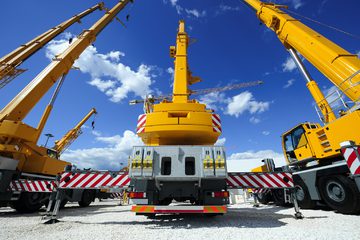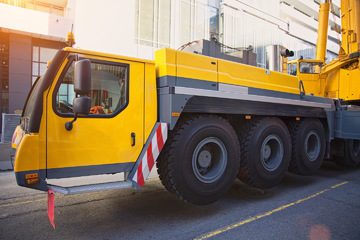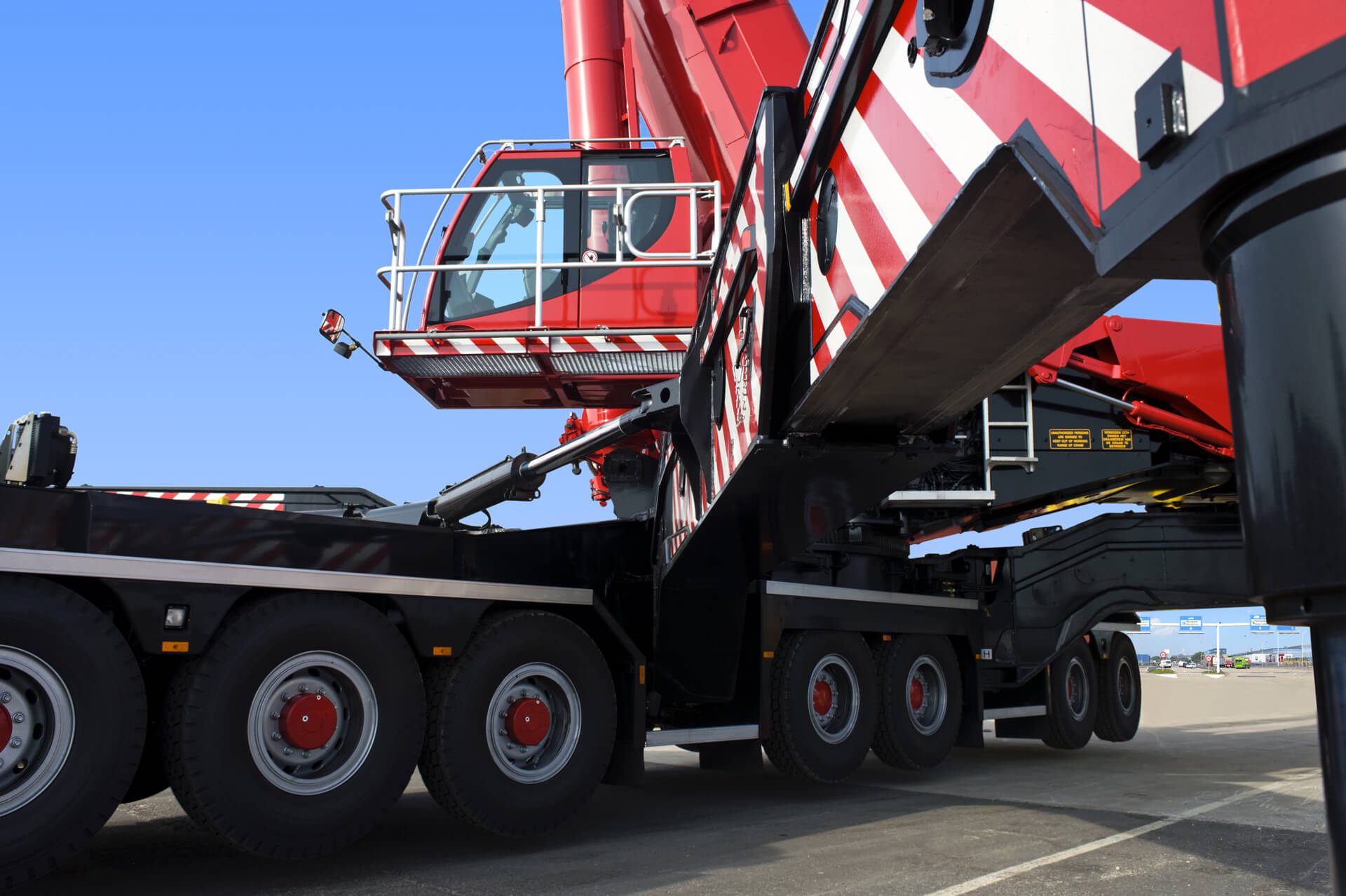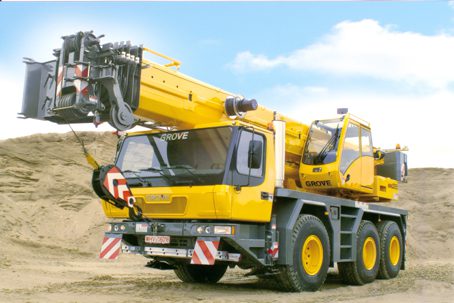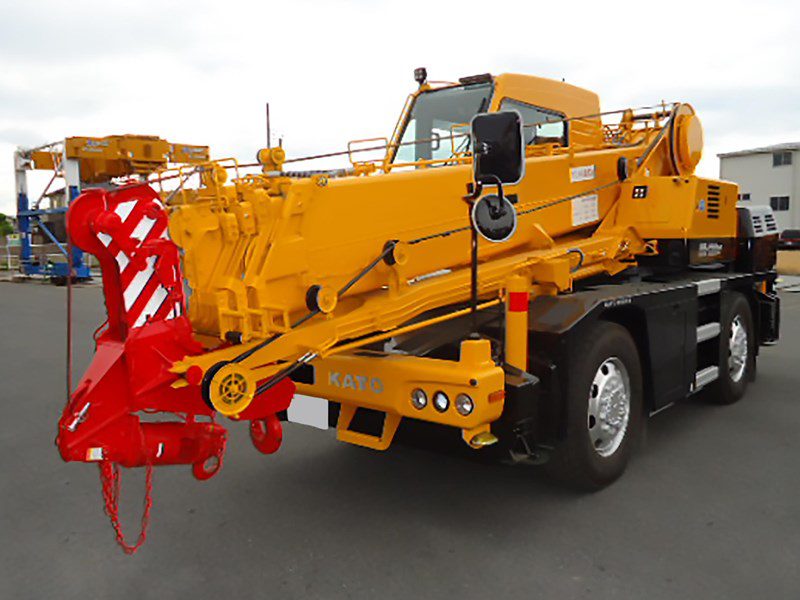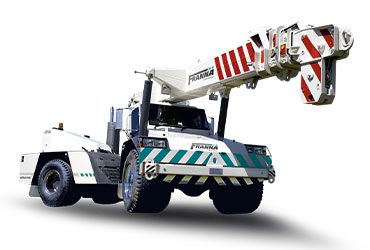
As Australia’s largest city grows denser and infrastructure projects become more complex, mobile crane hire Sydney has evolved from a practical equipment decision into a strategic factor influencing project delivery, urban planning, and the future of construction.
Sydney’s skyline has always reflected the city’s ambitions. Towering residential developments, new transport corridors, hospital expansions, and commercial precincts continue to redefine Australia’s economic capital. Yet behind every completed structure lies an invisible network of decisions that determine whether a project stays on schedule, operates safely, and remains financially viable. Among those decisions, the selection of lifting equipment has become increasingly significant.
The conversation surrounding mobile crane hire Sydney has changed considerably over the past decade. Once viewed primarily as a logistical requirement, crane procurement is now closely tied to project planning, regulatory compliance, workforce availability, and technological capability. For developers, engineers, procurement specialists, and urban planners, choosing the appropriate crane has become less about machinery and more about managing complexity.
This evolution reflects a broader transformation occurring across Australia’s construction industry. As cities become denser, infrastructure programs become larger, and expectations around safety continue to rise, crane strategy is quietly shaping how Australia’s urban future is built.
The Pressure Behind Australia’s Building Boom
Australia continues to invest heavily in housing, transport infrastructure, healthcare facilities, renewable energy, and commercial developments. Population growth has intensified demand for new construction, particularly in metropolitan centres where land availability has become increasingly limited.
Sydney illustrates this challenge more clearly than most cities. Construction rarely occurs on open sites anymore. Instead, projects often occupy narrow parcels of land surrounded by operating businesses, residential buildings, schools, heritage structures, and busy transport corridors. Builders must deliver ambitious developments while maintaining public safety and minimising disruption to surrounding communities.
These conditions have fundamentally altered construction planning.
Restricted site access, limited storage space, strict delivery schedules, and increasingly compressed project timelines leave little room for operational inefficiency. Every piece of heavy equipment must justify its presence, and every lifting operation requires detailed planning before work begins.
As a result, crane procurement has become part of broader project strategy rather than a decision made shortly before construction starts.
Why Flexibility Is Becoming More Valuable
Modern construction projects rarely unfold exactly as scheduled.
Material deliveries change. Engineering designs evolve. Weather delays occur unexpectedly. Labour shortages continue to affect specialist trades throughout Australia. Construction managers therefore place increasing value on equipment capable of adapting alongside changing project conditions.
This is one reason mobile crane hire Sydney has become increasingly important.
Unlike permanently installed cranes, mobile cranes can relocate efficiently between multiple projects, reposition throughout different stages of construction, and support lifting operations only when required. That flexibility makes them particularly suitable for bridge maintenance, utility upgrades, industrial shutdowns, commercial refurbishments, civil infrastructure, and medium-scale developments where lifting requirements vary throughout the project lifecycle.
Rather than committing to fixed infrastructure for months, contractors gain the ability to respond quickly as project priorities evolve.
In an industry where uncertainty has become increasingly common, operational flexibility has become an important competitive advantage.
Different Projects Require Different Crane Solutions
Although mobile cranes have become more prominent, Australia’s construction industry increasingly recognises that every crane serves a different purpose.
Long-duration commercial developments and residential towers continue to depend on tower crane hire because these projects require continuous lifting over extended periods. Tower cranes provide consistent vertical transportation for structural steel, concrete panels, mechanical equipment, and façade materials throughout high-rise construction. Their fixed location supports efficiency where repeated heavy lifting is required every day for months.
Urban density presents a different challenge altogether.
Many inner-city developments leave little room for traditional crane movement because neighbouring buildings restrict available airspace. Under these conditions, luffing crane hire becomes particularly effective. The adjustable boom allows operators to perform precision lifting within confined environments while reducing interference with nearby structures.
As Sydney’s available development sites become smaller and more constrained, luffing cranes have become increasingly common across apartment developments, mixed-use precincts, and commercial redevelopment projects.
Infrastructure projects introduce yet another set of requirements.
Large transport upgrades, bridge construction, renewable energy installations, and industrial facilities often involve changing terrain and multiple lifting locations. In these circumstances, all-terrain crane hire Sydney offers practical advantages by combining substantial lifting capability with the mobility required to travel efficiently between public roads and demanding construction environments.
The growing diversity of crane selection reflects an important industry shift. Equipment is increasingly chosen according to project constraints rather than habit or familiarity.
Safety Expectations Continue to Rise
Australia’s construction industry has experienced significant changes in workplace safety over recent years.
State regulators and WorkSafe authorities continue strengthening expectations surrounding lift planning, operator competency, engineering verification, equipment inspections, and documented risk assessments. These changes have encouraged construction teams to involve lifting specialists much earlier during project planning.
Rather than treating crane selection as an isolated procurement exercise, many projects now integrate lifting strategies into engineering, scheduling, and site logistics from the outset.
Detailed lift studies, exclusion zones, communication protocols, weather monitoring, and engineering approvals have become standard practice across major developments.
This evolution demonstrates that safety and operational efficiency increasingly support one another. Better planning reduces project risk while simultaneously improving construction productivity.
Technology Is Changing More Than Equipment
The cranes visible across Sydney’s skyline may appear familiar, but the systems supporting them have changed dramatically.
Many operators now rely on GPS fleet tracking, digital maintenance scheduling, electronic inspection records, and advanced load management technology. These systems provide greater visibility into equipment performance while helping identify maintenance requirements before operational issues emerge.
Digital planning tools have become equally influential.
Three-dimensional project modelling enables engineers and lifting specialists to simulate crane movements before equipment reaches site. Potential conflicts involving neighbouring buildings, overhead utilities, restricted access routes, and transport infrastructure can be identified well before construction begins.
Modern load monitoring systems also provide continuous operational feedback during complex lifting activities, improving precision while supporting informed decision-making.
Importantly, these technologies complement experienced operators rather than replace them. Human expertise remains essential, but increasingly it is supported by better information and more sophisticated planning tools.
Sustainability Is Becoming Part of Crane Strategy
Environmental performance has become another important consideration within Australia’s construction sector.
Developers and infrastructure clients increasingly evaluate emissions, fuel consumption, equipment utilisation, and transportation efficiency alongside traditional project costs.
Effective crane planning contributes directly to these objectives.
Selecting equipment appropriate for specific lifting requirements reduces unnecessary fuel usage, minimises repeated transportation, and avoids deploying oversized machinery where smaller equipment would perform effectively.
For mobile crane hire Sydney, careful scheduling also reduces traffic disruption throughout busy metropolitan areas while supporting broader environmental objectives associated with sustainable urban development.
Although cranes represent only one aspect of construction sustainability, their efficient deployment increasingly reflects the industry’s broader commitment to reducing environmental impact without compromising productivity.
The Future Will Depend on Better Planning
The cranes rising above Sydney each morning are more than symbols of economic growth. They represent an industry adapting to changing cities, evolving regulations, technological advancement, and increasingly sophisticated project expectations.
Australia’s future infrastructure projects will almost certainly become more challenging rather than less. Urban density will continue increasing. Community expectations surrounding safety and environmental responsibility will become stronger. Construction schedules will remain demanding as governments and developers respond to growing population pressures.
In that environment, procurement decisions surrounding lifting equipment will continue carrying strategic importance.
The evolution of mobile crane hire Sydney illustrates how construction planning itself is changing. Equipment selection is no longer viewed simply as an operational necessity but as an integral component of project strategy, influencing everything from safety outcomes and workforce efficiency to environmental performance and financial certainty.
The cranes shaping Sydney’s skyline may look much the same as they did a decade ago, but the thinking behind them has changed considerably. Australia’s next generation of infrastructure will depend not only on ambitious engineering and architectural vision, but also on the quieter decisions made long before construction begins. Among the most significant is selecting the right lifting solution for the right project at precisely the right time. As Australia’s cities continue to evolve, those decisions will play an increasingly important role in determining how efficiently—and how safely—the nation’s urban future is built.