As Sydney builds upward and outward, crane procurement has become more than an operational decision. It now reflects how Australia’s construction industry is adapting to denser cities, tighter regulations, and increasingly complex infrastructure demands.
Sydney’s skyline rarely stands still. At first light, cranes rise above transport projects, apartment towers, hospitals, and commercial precincts, each marking another stage in the city’s transformation. To most people, they represent construction in progress. To those responsible for delivering Australia’s largest projects, however, cranes tell a more complicated story—one about planning, logistics, regulation, and the growing importance of making the right lifting decision before the first concrete is poured.
That shift explains why mobile crane hire Sydney has become a strategic consideration rather than a straightforward equipment requirement. In an environment where project schedules are compressed, construction sites are increasingly constrained, and safety expectations continue to evolve, the choice of lifting equipment influences far more than productivity. It shapes project risk, operational flexibility, and ultimately the efficiency with which Australia’s cities continue to grow.
Australia’s Urban Growth Has Changed the Crane Conversation
Australia’s construction industry is operating under conditions that look very different from those of a decade ago. Population growth continues to fuel demand for housing, transport infrastructure, healthcare facilities, renewable energy projects, and commercial developments. At the same time, available construction space in major cities has become increasingly limited.
Sydney illustrates this challenge particularly well. Many developments now take place between occupied office buildings, heritage structures, railway corridors, or busy residential neighbourhoods where construction activity must coexist with everyday city life. Delivering materials safely into these confined environments requires careful planning long before equipment arrives on site.
The result is that crane selection has become part of project strategy rather than simply project logistics. Construction managers now evaluate lifting solutions alongside scheduling, engineering, environmental impacts, and community disruption.
Labour shortages have reinforced this trend. Skilled operators remain in high demand across Australia, encouraging project teams to maximize equipment efficiency and minimize unnecessary site delays. Every lifting operation now carries greater operational significance than it once did.
Why Mobility Matters More Than Ever
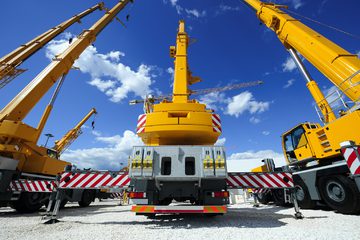
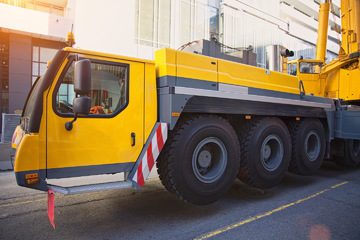
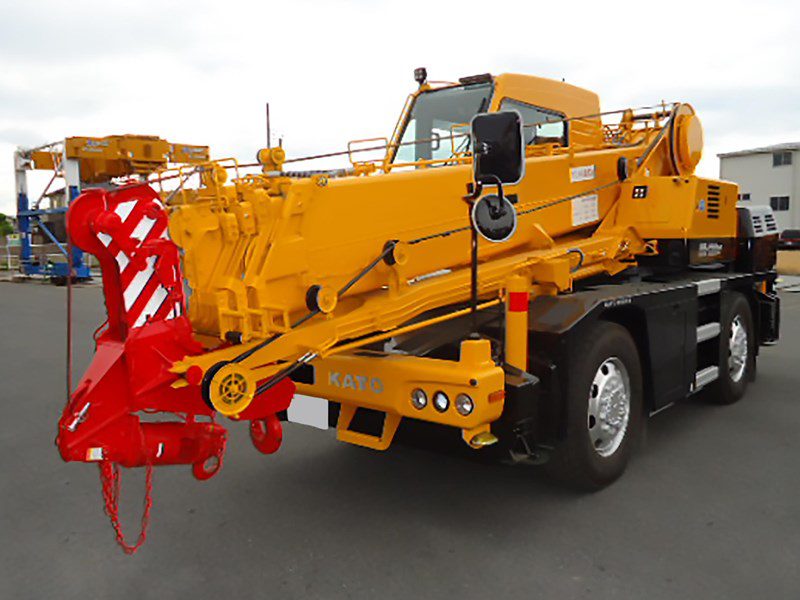
Among Australia’s various lifting solutions, mobile crane hire Sydney has become increasingly valuable because it offers flexibility in an industry where certainty is becoming harder to achieve.
Unlike permanently installed cranes, mobile cranes can be transported between projects quickly, repositioned throughout different construction phases, and deployed where lifting requirements change frequently. This adaptability is particularly valuable for infrastructure upgrades, utility works, bridge maintenance, industrial facilities, and commercial refurbishments where equipment requirements evolve throughout the project lifecycle.
Construction schedules rarely unfold exactly as planned. Material deliveries shift, weather interrupts progress, engineering modifications emerge, and sequencing changes as unexpected site conditions appear. Mobile cranes allow project teams to respond to those changes without committing to long-term fixed lifting infrastructure.
This flexibility has become increasingly important since the pandemic, when supply chain disruptions demonstrated how quickly carefully planned construction schedules could change. Many project managers now prioritize operational resilience alongside lifting capacity when selecting equipment.
Different Crane Types Reflect Different Construction Challenges
The growing importance of mobile cranes does not diminish the role of other lifting systems. Instead, Australia’s construction industry increasingly recognises that every project requires equipment suited to its unique constraints.
High-rise residential and commercial developments continue to rely on tower crane hire, particularly where continuous lifting operations extend across many months. Tower cranes remain essential for moving structural steel, concrete panels, façade systems, and mechanical equipment efficiently throughout vertical construction programs.
Dense urban environments create a different challenge altogether. When neighbouring buildings leave little room for traditional crane movement, luffing crane hire becomes a logical solution. Its adjustable boom allows operators to lift safely within restricted airspace while reducing interference with surrounding properties. As Sydney’s available development sites become smaller and more complex, these cranes have become increasingly common across inner-city construction projects.
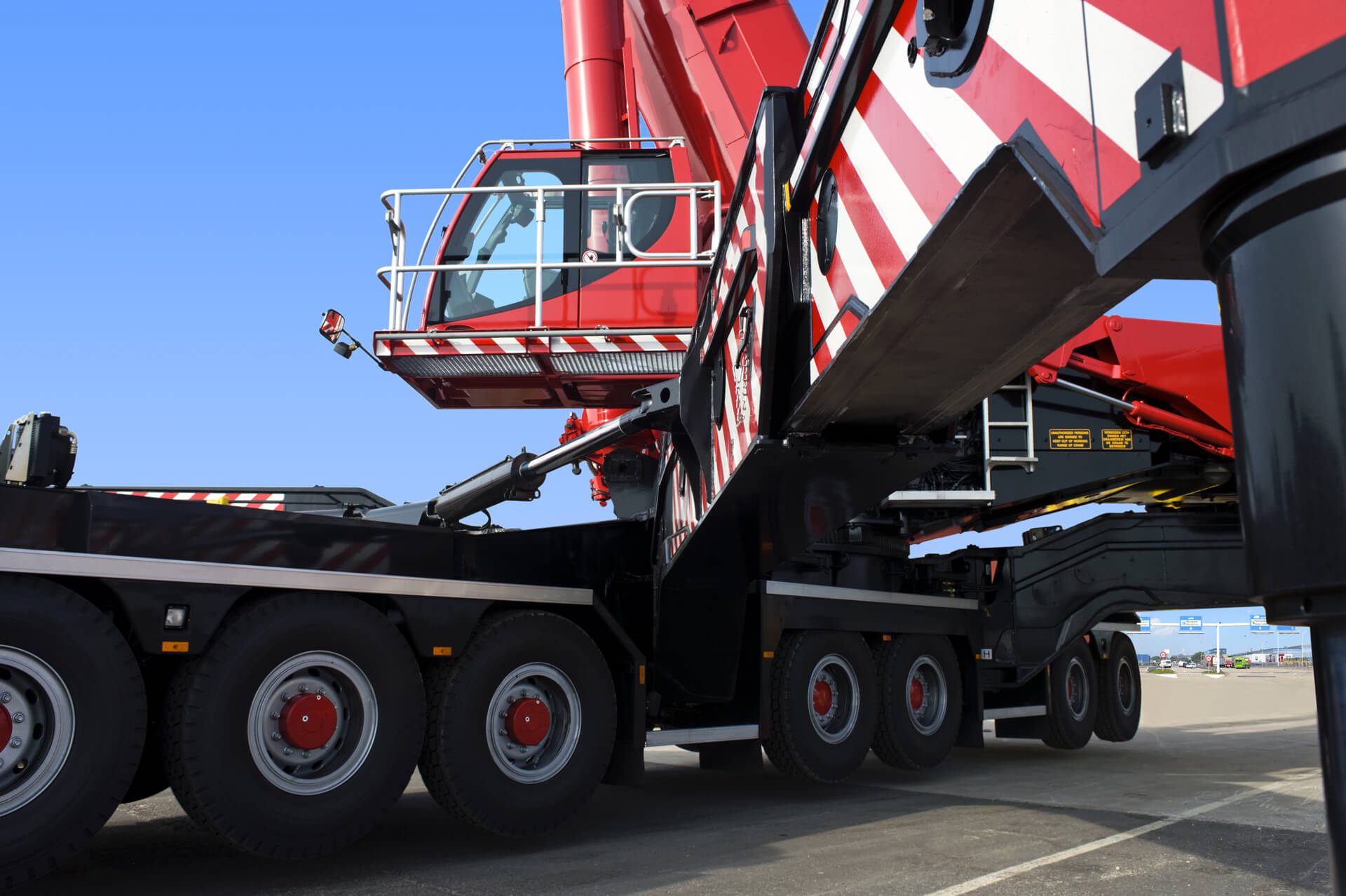
Infrastructure developments often require another level of versatility. Road upgrades, major bridge works, or projects extending beyond paved access routes may benefit from all-terrain crane hire Sydney, where equipment must travel efficiently between public roads and uneven construction environments while maintaining significant lifting capability.
Rather than competing technologies, these crane types demonstrate how Australian construction increasingly matches equipment selection to project conditions rather than relying on one universal solution.
Regulation Is Driving Earlier Decision-Making
The evolution of crane strategy also reflects Australia’s changing regulatory environment.
Workplace safety authorities and state regulators continue to strengthen expectations surrounding lifting operations, operator competency, equipment inspections, engineering assessments, and documented lift planning. Modern construction projects require significantly more preparation than they did even a decade ago.
Comprehensive lift studies, exclusion zones, communication procedures, weather assessments, and engineered lifting plans have become routine components of responsible project delivery. Many contractors now involve crane specialists during early design discussions rather than waiting until construction is underway.
This represents a significant cultural shift within the industry. Crane planning increasingly begins alongside structural engineering and construction sequencing instead of being treated as a procurement task completed shortly before work starts.
The outcome is often improved safety alongside greater project certainty, demonstrating that operational efficiency and regulatory compliance increasingly support one another rather than compete.
Technology Is Quietly Changing Crane Operations
The most significant changes in crane operations are often invisible from the street.
Across Australia, many operators now utilise GPS fleet tracking, digital maintenance scheduling, real-time equipment monitoring, electronic inspection records, and advanced load management systems. These technologies provide greater visibility into equipment performance while helping reduce unexpected downtime.
Digital lift planning has also become more sophisticated. Three-dimensional site modelling allows project teams to evaluate lifting paths, surrounding structures, overhead services, and potential hazards before cranes arrive on site. This level of preparation reduces uncertainty while supporting safer decision-making throughout construction.
Automation is beginning to influence certain monitoring functions as well, although experienced operators remain central to successful lifting operations. Technology increasingly supports human judgement rather than replacing it, particularly on complex urban construction sites where conditions continue to evolve throughout project delivery.
Sustainability Is Becoming Part of Equipment Strategy
Environmental expectations are also influencing how lifting equipment is selected across Australia’s construction sector.
Developers and infrastructure clients increasingly evaluate emissions, transport efficiency, equipment utilisation, and fuel consumption alongside traditional commercial considerations. Better crane planning contributes directly to these objectives by reducing unnecessary machine movements, avoiding oversized equipment deployment, and improving overall operational efficiency.
For mobile crane hire Sydney, this often means carefully aligning equipment capacity with project requirements instead of defaulting to the largest available machine. Efficient mobilisation and shorter operating periods reduce both environmental impact and disruption within busy urban environments.
While cranes represent only one component of broader sustainability strategies, they increasingly reflect an industry’s growing emphasis on resource efficiency and responsible project delivery.
Looking Beyond the Skyline
Sydney’s cranes will always symbolize construction, but they increasingly represent something more significant. Behind every lift is a series of decisions about safety, planning, regulation, technology, environmental responsibility, and urban development.
As Australia’s cities continue to expand, those decisions will only become more consequential. Construction sites will grow denser, infrastructure projects more interconnected, and public expectations around safety and efficiency even higher. In that environment, crane procurement will continue evolving from an operational necessity into a strategic discipline that influences how projects are delivered from the earliest planning stages.
The cranes visible across Sydney’s skyline may appear unchanged to passing commuters, yet the thinking behind them has evolved considerably. The future of Australian construction will depend not only on what gets built, but on how intelligently those projects are planned—and mobile crane hire Sydney has become an increasingly important part of that story.