The Crane on the Skyline Tells Only Half the Story
On any weekday morning in Sydney, it is difficult to look toward the skyline without spotting a crane rising above new apartment towers, transport upgrades, or commercial developments. To most observers, these machines symbolize growth. To those responsible for delivering Australia’s infrastructure, however, the crane represents something more consequential: a decision that influences project timelines, worker safety, site efficiency, and even the economics of urban development.
That shift in perspective reflects a broader transformation occurring across Australian construction. What was once viewed as a straightforward equipment requirement has become a strategic procurement decision. Choosing the wrong crane can introduce delays, increase logistical complexity, or create unnecessary risks on constrained sites. Choosing the right one can quietly determine whether an ambitious project remains on schedule in increasingly demanding urban environments.
The conversation surrounding mobile crane hire has therefore expanded beyond equipment availability. It now sits at the intersection of planning, regulation, workforce capability, and the realities of building modern Australian cities.
Why Crane Decisions Matter More Than Ever
Australia’s construction sector is operating under conditions that would have seemed unusual only a decade ago. Population growth continues to place pressure on major metropolitan areas, while governments invest heavily in transport, housing, healthcare, and renewable energy infrastructure. At the same time, construction teams face persistent labour shortages, tighter delivery schedules, and increasingly complex regulatory expectations.
Sydney illustrates these pressures particularly well. Development sites are often surrounded by active roads, neighbouring buildings, public transport corridors, and strict environmental requirements. Access is limited, disruption must be minimised, and every stage of a project is expected to proceed with greater precision than before.
These realities have changed how contractors think about lifting operations. Rather than asking simply which crane is available, project teams increasingly ask which lifting strategy best fits the site’s physical constraints, programme requirements, and operational risks. In many cases, the answer lies not in a single machine but in selecting equipment specifically matched to each construction phase.
Matching the Crane to the Challenge
Modern construction projects rarely follow a uniform pattern. A residential tower, a bridge upgrade, and a hospital expansion each present different engineering constraints, access limitations, and scheduling pressures. Consequently, crane selection has become an exercise in solving practical problems rather than following familiar routines.
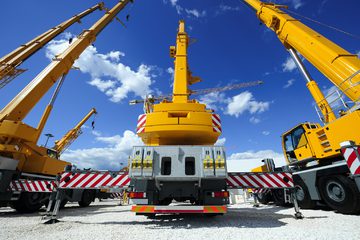
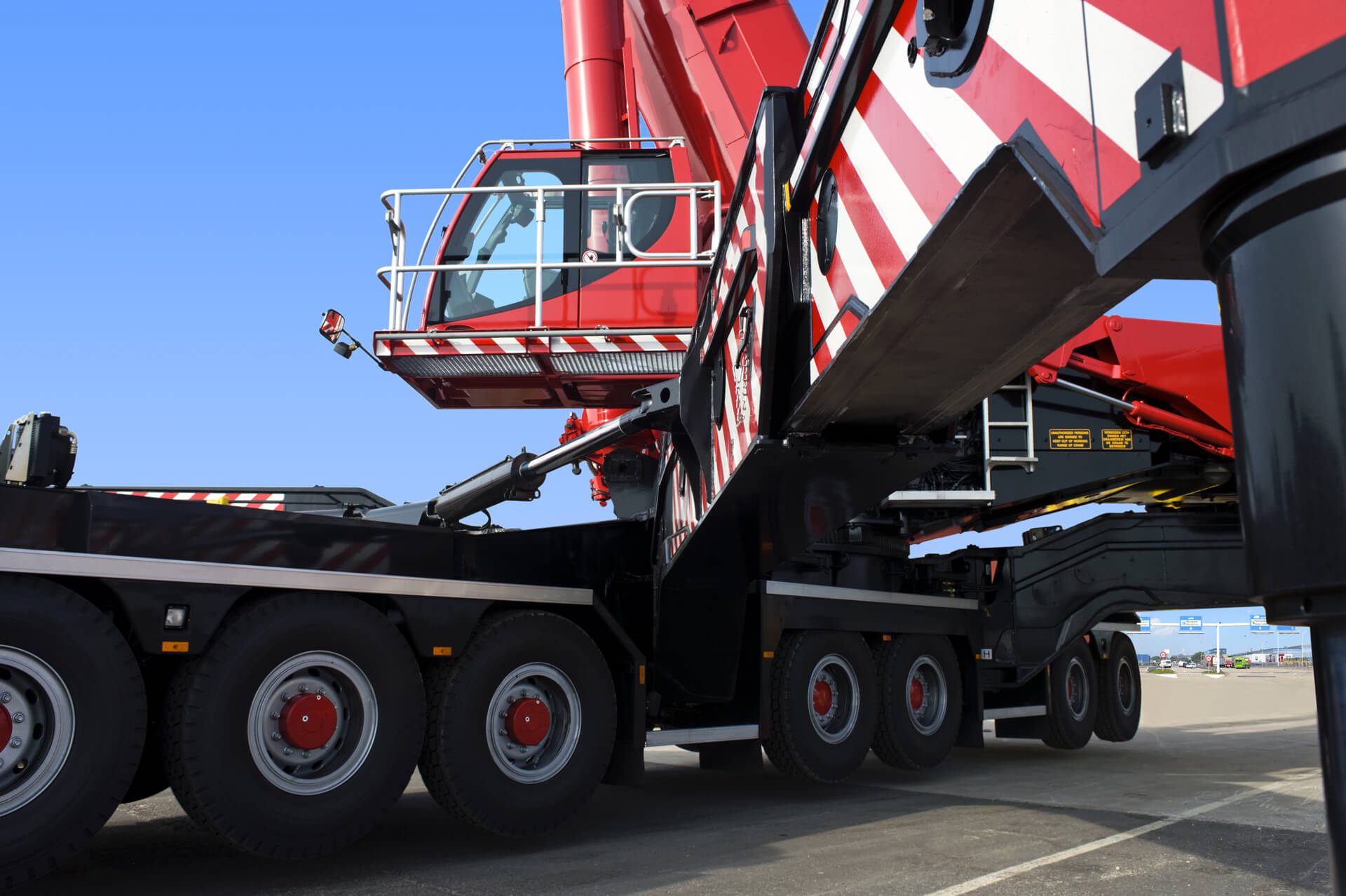
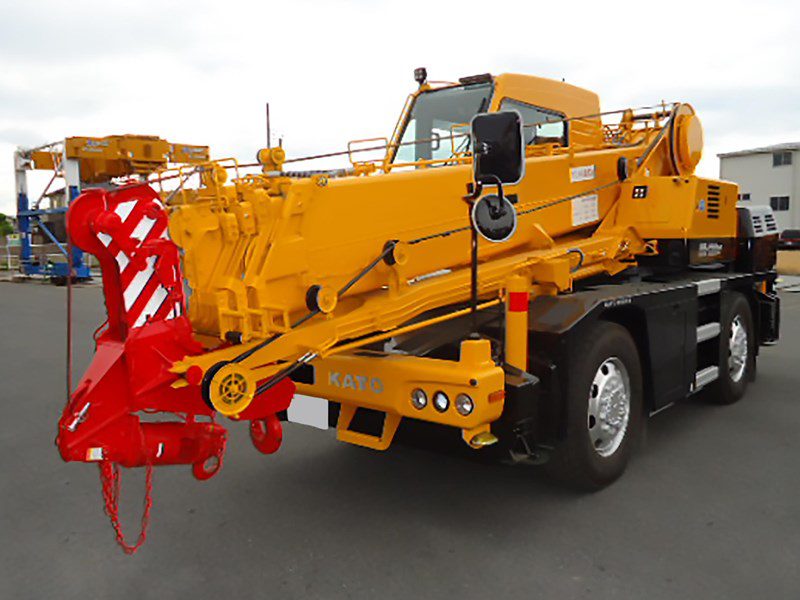
This explains the growing importance of mobile crane hire across Australia. Mobile cranes provide flexibility that is increasingly valuable on projects involving multiple work zones, changing site conditions, or shorter installation windows. Their ability to relocate quickly allows contractors to respond to evolving project demands without committing to permanent lifting infrastructure throughout the build.
Infrastructure upgrades frequently demonstrate this advantage. Utility installations, bridge maintenance, modular construction, and transport projects often require lifting capability at several locations over relatively short periods. Mobile cranes allow these operations to continue efficiently while reducing prolonged disruption around busy urban corridors.
By contrast, tower crane hire remains essential where continuous vertical construction defines the project. High-rise residential developments, commercial towers, and major mixed-use precincts depend on tower cranes because they provide sustained lifting capacity over months or even years. Once installed, they become an integral part of the construction process, supporting the steady movement of materials across every level as buildings rise above dense city streets.
Another increasingly significant solution is luffing crane hire, particularly within Australia’s most space-constrained urban environments. Traditional tower cranes require wider slewing space, making them less practical when neighbouring buildings stand only metres away. Luffing cranes overcome this limitation through their adjustable boom design, allowing precise lifting within restricted airspace while reducing interference with surrounding structures. As urban density increases, these specialised cranes have become less of a niche solution and more of a practical response to modern city planning.
Sydney’s Urban Growth Reflects a National Trend
The challenges visible across Sydney increasingly mirror those emerging elsewhere in Australia. Cities are expanding inward rather than outward, with redevelopment replacing vacant land as the primary source of new housing and commercial space.
This evolution changes the logistics of construction. Materials arrive through tighter delivery schedules, neighbouring properties remain occupied throughout projects, and construction activities must coexist with functioning transport networks. In this environment, equipment flexibility often becomes as valuable as lifting capacity itself.
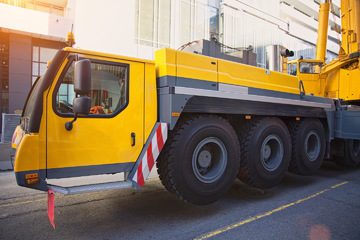
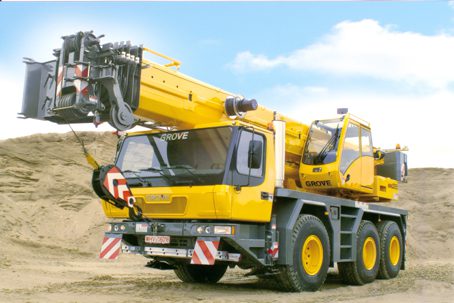
A project requiring all-terrain crane hire Sydney services, for example, may involve navigating varied road conditions before operating on a confined construction site with demanding ground conditions. Such projects illustrate how equipment selection increasingly depends on mobility, access planning, and environmental constraints rather than lifting specifications alone.
These decisions rarely attract public attention. Yet they quietly influence whether projects progress smoothly or encounter delays that ripple across broader development schedules.
Regulation and Safety Have Raised the Standard
The strategic importance of crane selection has also grown because Australia’s regulatory environment continues to evolve. Workplace safety expectations have become more rigorous, placing greater emphasis on planning, operator competency, equipment maintenance, and documented risk management.
Guidance from regulators, including WorkSafe authorities across Australian states and territories, reflects an industry-wide shift toward proactive safety rather than reactive compliance. Lift planning now incorporates detailed assessments of ground conditions, exclusion zones, weather impacts, communication protocols, and load pathways before operations begin.
These changes have encouraged many operators to adopt more structured asset management systems. Digital maintenance records, remote equipment monitoring, GPS fleet tracking, and electronic inspection reporting are becoming increasingly common across the industry. Rather than replacing experienced operators, technology supports better decision-making by providing clearer operational visibility throughout a project’s lifecycle.
The result is an environment where successful crane operations depend as much on planning and information as mechanical capability.
Technology Is Changing Expectations, Not Replacing Experience
Digital transformation is gradually reshaping Australia’s crane sector, although perhaps not in the dramatic way often associated with automation.
Load monitoring systems now provide real-time operational data that helps reduce lifting risk. Telematics improve fleet utilisation by giving contractors greater visibility over equipment availability and performance. Digital site modelling allows lifting strategies to be tested before equipment even arrives on location, identifying potential conflicts that might previously have emerged only during construction.
These developments improve efficiency, but they have not diminished the importance of human expertise. Experienced operators, lift planners, engineers, and project managers continue to interpret complex site conditions that no software can fully anticipate. Technology has become a decision-support tool rather than a replacement for professional judgement.
This combination of digital capability and operational experience reflects a broader trend across Australian infrastructure: smarter systems supporting, rather than substituting for, skilled professionals.
A Quiet Indicator of Australia’s Infrastructure Future
Cranes rarely dominate public discussion about cities. Attention naturally focuses on completed buildings, transport networks, and skyline transformations rather than the machinery that made them possible.
Yet the decisions surrounding crane procurement increasingly reveal how Australian construction is adapting to a more demanding future. Urban density requires greater precision. Regulatory expectations demand higher standards of planning and accountability. Technology provides new operational insight, while labour constraints encourage more efficient project delivery.
In that environment, mobile crane hire has evolved from a practical equipment decision into a reflection of broader changes shaping Australia’s infrastructure sector. The cranes visible above Sydney’s skyline are not merely lifting steel and concrete. They represent an industry learning to build faster, safer, and more intelligently within cities that continue to grow more complex each year.
As Australia’s next generation of infrastructure moves from planning to construction, the most significant changes may not be found in the buildings themselves, but in the increasingly thoughtful decisions that determine how those buildings rise.