Australia’s cities are changing at a remarkable pace. New transport corridors cut beneath dense suburbs, apartment towers continue to rise above ageing industrial districts, and logistics hubs spread across the edges of expanding metropolitan regions. Much of this transformation is discussed in terms of housing demand, population growth or government infrastructure spending. Far less attention is given to the machinery that makes these projects physically possible.
Yet cranes — and increasingly the specialised systems surrounding crane hire — have become essential to how modern Australia builds.
For many people outside construction, cranes remain background objects: temporary fixtures towering above construction fences before eventually disappearing from the skyline. But within the industry, the growing reliance on mobile crane hire, tower crane hire, luffing crane hire and franna crane hire tells a much deeper story about how urban development itself is evolving.
The cranes shaping Australia today are not simply lifting materials. They are responding to denser cities, tighter construction footprints, stricter safety expectations and faster project timelines. In many ways, the crane sector has become a reflection of the broader pressures facing modern urban Australia.
And among the many machines operating across the country’s construction sites, the Franna crane occupies a particularly revealing role.
Why the Franna Crane Became an Australian Staple
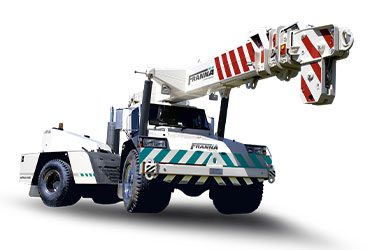
The Franna crane is something of an Australian original. Developed locally and designed primarily for pick-and-carry operations, it became widely used because it solved a practical problem common across Australian construction and industrial work: moving heavy loads quickly through confined or active workspaces.
Unlike larger cranes that require extensive setup procedures, Franna cranes are valued for their mobility and flexibility. They can lift and transport loads across short distances without needing stabilising outriggers, making them especially effective in busy environments where space is limited and operations move rapidly.
That practicality has helped make franna crane hire an increasingly familiar part of construction logistics across Australia.
What is interesting is how closely the popularity of these cranes aligns with broader changes in urban development. Modern construction sites are often constrained not only by physical boundaries but by time. Road closures are tightly controlled, infrastructure projects operate under narrow overnight work windows, and urban developments must minimise disruption to surrounding communities.
In these environments, efficiency becomes critical. Franna cranes excel precisely because they reduce downtime between lifting and movement tasks. On congested city sites or active industrial facilities, that operational flexibility can significantly improve workflow.
The crane itself may appear modest beside towering high-rise cranes, but its growing importance reflects how construction is adapting to more compressed and fast-moving urban conditions.
The Expanding Complexity of Australian Construction
Australia’s construction industry has entered a period of unusual complexity. Population growth continues to drive housing demand in major cities, while governments simultaneously invest heavily in transport infrastructure, renewable energy and public works.
The result is a construction landscape operating on multiple fronts at once.
High-rise residential developments dominate parts of Sydney, Melbourne and Brisbane, where land scarcity increasingly pushes projects upward. These projects rely heavily on tower crane hire because fixed tower cranes can manage large volumes of material over extended construction periods. Their height and reach allow them to service entire building footprints while maintaining consistent lifting capacity throughout the development process.
But dense urban construction introduces challenges that did not exist at the same scale decades ago. Construction sites now sit closer to occupied buildings, active rail corridors and neighbouring developments. Airspace itself becomes constrained.
This is where luffing crane hire has become particularly important.
Unlike traditional tower cranes with long horizontal jibs, luffing cranes can raise and lower their jib angle to operate within tighter airspace restrictions. In crowded city centres, this flexibility reduces the risk of oversailing nearby properties or interfering with adjacent cranes.
The increasing use of luffing cranes says something significant about Australia’s urban evolution. Cities are not merely growing; they are becoming spatially more complicated. Construction equipment must now adapt to environments where even overhead space is contested.
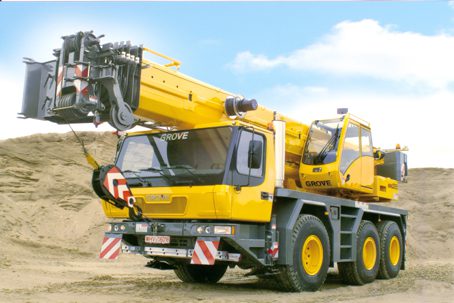
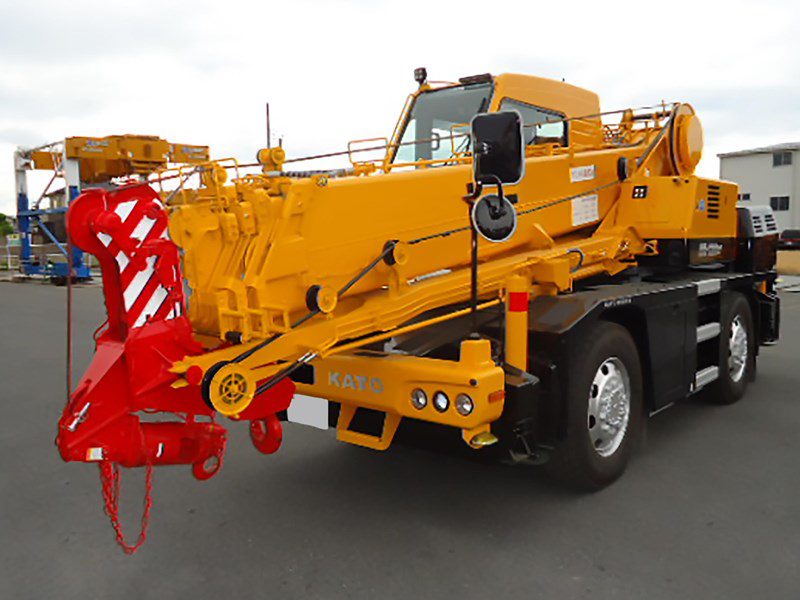
At the same time, outside central business districts, another construction story is unfolding. Massive infrastructure projects — motorways, rail expansions, ports and renewable energy developments — depend heavily on mobile crane hire. Mobile cranes bring versatility to projects spread across large geographic areas where lifting requirements constantly change.
In practical terms, each crane category has developed a specialised role within modern construction ecosystems. Tower cranes dominate vertical development. Luffing cranes solve urban density constraints. Mobile cranes support large-scale infrastructure mobility. Franna cranes manage the highly active, fast-moving logistics occurring closer to ground level.
Together, they form an interconnected system that modern construction increasingly depends upon.
Cities Built Around Precision
One of the defining characteristics of contemporary construction is the shrinking tolerance for disruption.
Urban residents expect infrastructure improvements without prolonged shutdowns. Businesses expect construction impacts to remain controlled. Governments face pressure to deliver projects faster while maintaining strict safety and environmental standards.
This has fundamentally changed how crane operations are planned and executed.
A major infrastructure lift in a city environment may now occur overnight within a carefully coordinated possession window lasting only a few hours. Cranes arrive, complete complex lifting tasks under floodlights, and depart before morning commuters return. Such operations require extraordinary precision, not only from operators but from planners, engineers and logistics teams coordinating the broader project.
Franna cranes often play a supporting but essential role in these environments because of their ability to move efficiently through active worksites. Their flexibility makes them useful in situations where larger cranes may be impractical or unnecessarily disruptive.
At the same time, the rise of prefabricated construction methods has altered lifting requirements across the industry. Larger building components are increasingly assembled off-site and transported into urban developments for installation. This places greater emphasis on coordinated crane operations capable of handling heavier and more complex lifts within tighter spaces.
Modern construction has become less about isolated machinery and more about integrated systems operating under strict logistical control.
Safety as a Public Expectation
Cranes occupy a uniquely visible position within construction safety discussions because their operations extend beyond the site itself. A tower crane above a city block or a mobile crane beside a motorway project becomes part of the public environment.
As a result, Australia’s regulatory approach to crane operations has grown steadily more rigorous.
Licensing requirements for operators, inspection standards, lift planning protocols and engineering certifications have all evolved significantly over recent decades. Construction companies now operate within detailed frameworks designed to minimise operational risk, particularly in dense urban settings.
Technology has reinforced these changes. Modern cranes increasingly include load-monitoring systems, anti-collision software and real-time telemetry capable of tracking equipment performance continuously. Weather monitoring systems, especially on tower and luffing cranes operating at height, have become standard practice.
These developments reflect broader societal expectations around safety and accountability. Large-scale construction remains inherently risky, but public tolerance for preventable incidents has diminished sharply.
The pressure extends beyond physical safety alone. Environmental considerations also shape crane operations more than they once did. Urban noise restrictions, fuel efficiency targets and emissions concerns increasingly influence equipment selection and project scheduling.
Australia’s construction industry is therefore balancing multiple pressures simultaneously: building faster, operating safer and reducing environmental impact, often within highly constrained urban environments.
Technology and the Future of Crane Hire
Perhaps the most overlooked aspect of the crane industry is how rapidly it has modernised behind the scenes.
Many crane operations now integrate digital planning tools that model lifts before equipment reaches the site. Building Information Modelling systems increasingly incorporate crane placement and movement into broader project simulations. Engineers can identify potential conflicts or inefficiencies digitally long before construction begins.
This shift matters because modern projects are extraordinarily interconnected. Delays involving crane availability or lifting schedules can ripple across entire construction programs, affecting subcontractors, deliveries and financing timelines.
In this environment, crane hire has become less transactional and more strategic. The choice between a mobile crane, a luffing crane or a Franna crane increasingly depends on sophisticated planning tied directly to project sequencing and urban constraints.
Labour pressures further complicate the picture. Australia continues to face shortages of experienced crane operators, riggers and construction specialists. Even as technology improves operational support, skilled human judgement remains essential. Advanced systems can enhance safety and efficiency, but they cannot fully replace the expertise required to manage unpredictable site conditions.
In some respects, the growing sophistication of cranes has increased the value of experienced operators rather than diminished it.
The Machinery Behind Urban Transformation
It is easy to think of cranes as temporary infrastructure — machines that appear during periods of development before vanishing once projects are complete. But their influence extends far beyond the construction phase itself.
The growing importance of franna crane hire reflects the logistical intensity of modern city-building. The continued demand for tower crane hire reveals Australia’s ongoing shift toward vertical density. The rise of luffing crane hire demonstrates how urban construction is adapting to increasingly compressed environments. And the widespread reliance on mobile crane hire highlights the sheer scale of infrastructure expansion occurring across the country.
Together, these machines tell a larger story about Australia’s future.
They reveal cities under pressure to grow while remaining functional. They reflect an economy investing heavily in infrastructure while navigating labour shortages, environmental expectations and rising construction complexity. And they show how even the machinery behind development must evolve alongside the cities it helps create.
Most people will never pay much attention to the cranes above Australia’s skylines. Yet those machines — and the systems supporting them — have quietly become some of the most important tools shaping the country’s urban future.