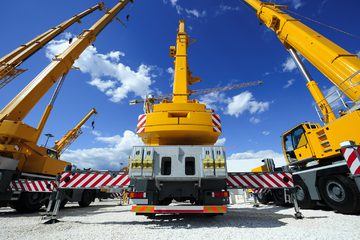
Walk through almost any growing Australian city today and the signs of transformation are impossible to miss. Apartment towers rise above former industrial districts. Metro rail corridors cut through dense suburbs. Hospitals, logistics hubs, renewable energy facilities and data centres appear at the edges of expanding urban belts. Beneath the visible architecture of this construction surge lies a quieter but equally significant story: the evolving role of city crane hire in how Australian cities are built.
For decades, cranes were viewed largely as functional tools — temporary machines arriving at a site, lifting materials, and disappearing once the project ended. But in modern construction, cranes have become something closer to strategic infrastructure themselves. Decisions around mobile crane hire, tower crane hire and luffing crane hire increasingly shape how quickly projects move, how safely they operate, and even whether complex urban developments are viable in the first place.
Australia’s construction industry now faces pressures that did not exist at the same scale a generation ago. Cities are denser. Construction footprints are tighter. Infrastructure expectations are larger. Labour shortages persist. Environmental scrutiny has intensified. The crane sector has had to evolve alongside all of it.
The result is an industry that reflects broader changes in urban Australia itself: more technologically sophisticated, more regulated, and more essential to the mechanics of modern city-building than many outside the sector realise.
Building Upward in a Constrained Urban Landscape
Australia’s major cities were not originally designed for the scale of vertical development now underway. Sydney and Melbourne, in particular, have spent much of the past two decades adapting to sustained population growth and rising land scarcity. As development opportunities shrink horizontally, construction increasingly moves upward.
That shift has transformed the importance of tower crane hire across the country.
Tower cranes have long been associated with high-rise development, but their role has become more central as buildings grow taller and urban construction sites become more constrained. On large residential towers, commercial precincts and mixed-use developments, tower cranes often function as the logistical backbone of an entire project. Materials, structural steel, concrete formwork and mechanical systems all depend on carefully coordinated lifting schedules.
What makes this more complicated in modern Australian cities is not simply the height of buildings, but the density surrounding them. Construction rarely occurs on empty blocks anymore. Sites are squeezed between existing towers, rail lines, heritage structures and heavily trafficked roads. The crane itself must fit into an increasingly narrow physical and regulatory space.
This is where luffing crane hire has become particularly important. Unlike traditional hammerhead tower cranes with wide horizontal jibs, luffing cranes can raise and lower their jib angle, allowing them to operate in confined airspace. In dense urban environments — central Sydney is perhaps the clearest example — this flexibility matters enormously.
A luffing crane working beside neighbouring towers reduces the risk of oversailing adjacent properties or interfering with other cranes operating nearby. On crowded skylines where multiple developments proceed simultaneously, the difference between a standard tower crane and a luffing crane can determine whether a project receives planning approval at all.
The crane, in other words, has become part of the urban planning conversation.
Infrastructure Expansion and the Rise of Mobile Crane Hire
Yet Australia’s construction story is not only vertical. Beyond city centres, the country is also undertaking one of the largest infrastructure investment cycles in its history. Rail expansions, renewable energy projects, road upgrades, ports and industrial developments are reshaping regional and metropolitan landscapes alike.
This is where mobile crane hire plays a different but equally critical role.
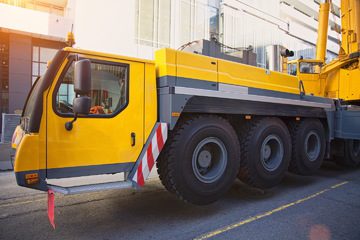
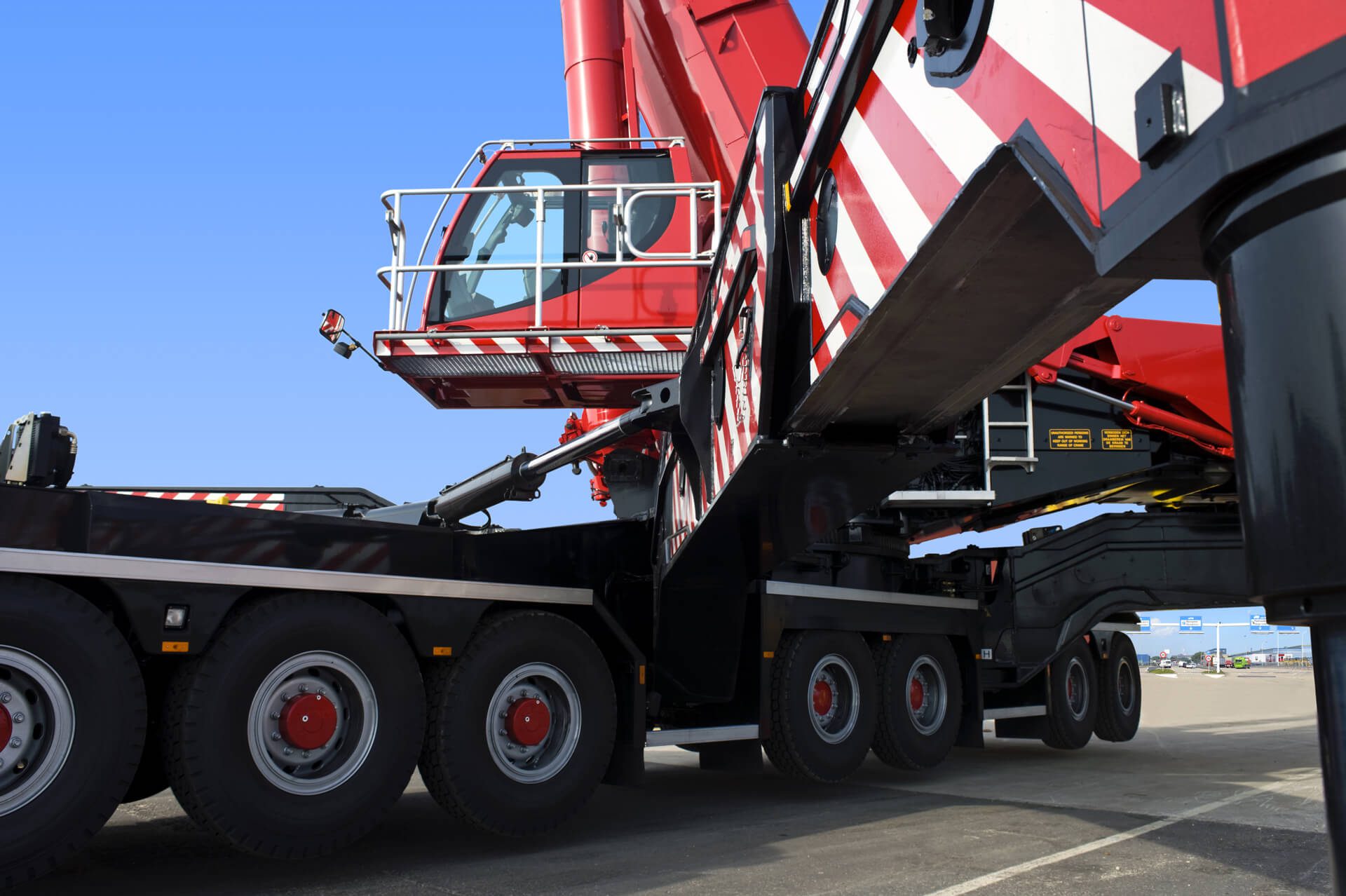
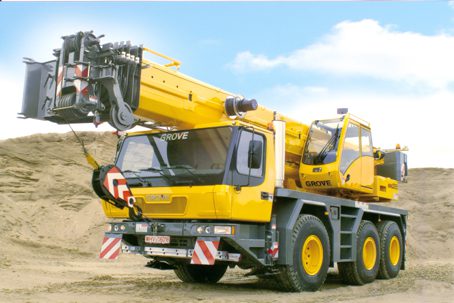
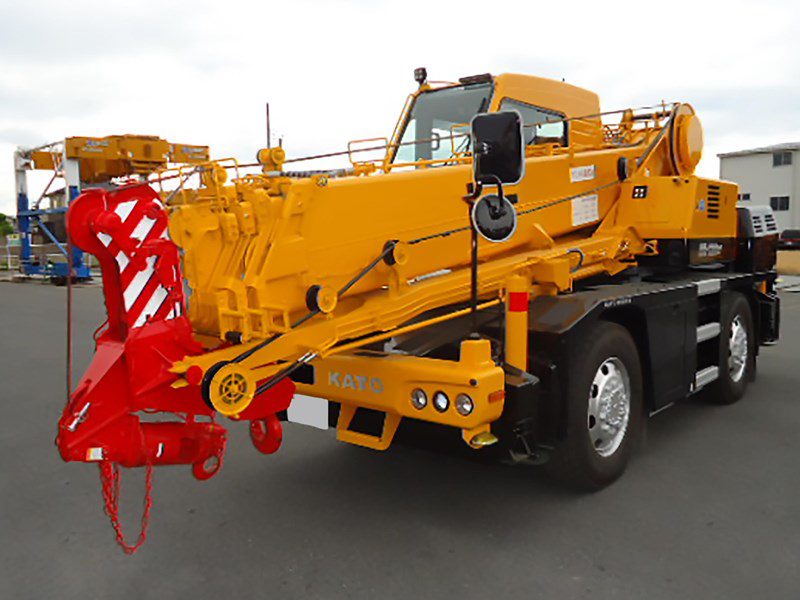
Unlike tower cranes, which remain fixed on site for long durations, mobile cranes are defined by flexibility. They can travel between projects, adapt to changing terrain and handle a wide variety of lifting requirements. On major infrastructure projects, mobility itself becomes an operational advantage.
Consider the scale of renewable energy construction now underway across Australia. Wind farms in regional New South Wales, Queensland and Victoria require cranes capable of lifting turbine components hundreds of feet into the air, often in remote environments with limited access. Mobile cranes — particularly all-terrain and crawler variants — have become indispensable to these projects.
The same applies to transport infrastructure. Rail upgrades frequently occur in active urban corridors where construction windows are narrow and disruptions tightly controlled. Mobile cranes allow crews to complete complex lifts overnight and remove equipment before commuter services resume the next morning.
What distinguishes modern mobile crane hire from earlier decades is not simply lifting capacity, but precision and adaptability. Today’s cranes operate with sophisticated load-monitoring systems, digital diagnostics and increasingly automated safety controls. Operators are not just manoeuvring heavy equipment; they are managing highly instrumented machines within tightly regulated environments.
The broader effect is subtle but important. Infrastructure projects that once carried greater logistical uncertainty can now proceed with more predictable scheduling and risk management. Cranes have become part of the efficiency equation as much as the engineering equation.
Safety in an Industry That Cannot Afford Complacency
Construction remains one of Australia’s most scrutinised industries when it comes to workplace safety, and cranes occupy a particularly sensitive position within that conversation. A crane failure, while rare, can have catastrophic consequences.
Over time, Australia’s regulatory framework has become significantly more rigorous. Standards governing crane operation, maintenance, operator licensing and site management have evolved alongside the increasing complexity of projects themselves.
Modern crane operations involve layers of oversight that are often invisible to the public. Lift studies, engineered lift plans, weather monitoring, exclusion zones and communication protocols are now routine components of large-scale projects. Even wind conditions, especially on high-rise sites using tower crane hire, can alter operational decisions hour by hour.
The emphasis on safety has intensified partly because urban construction leaves less margin for error. A crane operating in a dense CBD environment does not merely affect workers on site; it exists above pedestrians, adjacent office towers and active transport corridors. Public safety has become inseparable from construction safety.
Technology has reinforced this shift. Anti-collision systems, remote monitoring and real-time telemetry now allow project managers to track crane performance continuously. Some tower cranes can automatically restrict movement within predefined zones, reducing the risk of contact with neighbouring structures or cranes.
At the same time, the industry faces persistent workforce pressures. Australia, like many developed economies, has struggled with skilled labour shortages across construction trades, including crane operators and riggers. Training standards have risen, but attracting and retaining experienced personnel remains difficult.
This creates a paradox for the industry: projects are becoming more technologically advanced precisely when experienced human expertise is increasingly valuable.
The Quiet Influence of Technology
The public image of cranes often remains oddly static — giant steel machines lifting concrete and steel much as they did decades ago. But internally, the sector has undergone significant technological change.
Digital planning tools now allow engineers and site managers to simulate lifts before equipment even arrives on site. Building Information Modelling, commonly known as BIM, increasingly integrates crane logistics directly into project planning. Rather than treating cranes as external equipment, planners model them as active components within the construction ecosystem.
This matters because modern construction schedules are extraordinarily compressed. Delays on one aspect of a project can ripple across dozens of subcontractors and millions of dollars in financing costs. Crane operations, once viewed as isolated tasks, are now embedded within highly coordinated digital workflows.
Environmental pressures are also reshaping the sector. Construction companies face growing expectations around emissions reduction, particularly on government-funded infrastructure projects. Hybrid and electric crane technologies, while still emerging, are beginning to enter the Australian market.
These changes may sound incremental, but collectively they alter the economics and culture of construction itself. Cranes are becoming smarter, more connected and more data-driven — less mechanical in isolation and more integrated into broader systems of urban development.
More Than Machinery
It is tempting to think of cranes as temporary presences in the cityscape: machines that arrive, dominate the skyline for a few years, and then vanish. But their broader significance is harder to ignore once you begin paying attention.
The crane sector sits at the intersection of housing demand, infrastructure policy, labour economics, engineering innovation and urban planning. The availability of mobile crane hire can influence whether regional infrastructure proceeds on schedule. The use of tower crane hire can determine how efficiently cities accommodate population growth. The increasing reliance on luffing crane hire reflects not only engineering needs but the physical realities of denser urban life.
In many ways, cranes have become visual markers of Australia’s broader transition. They signal investment, expansion and demographic change. But they also reveal the tensions shaping modern development: the push for faster construction alongside stricter safety expectations, the demand for urban density alongside shrinking construction space, the need for infrastructure alongside workforce shortages and environmental constraints.
For most residents, cranes fade into the background of city life — fixed silhouettes above half-finished towers or infrastructure corridors. Yet those machines represent a remarkable convergence of planning, regulation, technology and human coordination.