There is a particular moment, often overlooked, when a city reveals how it is changing. It happens not in a completed skyline, but in the in-between phase—when steel frames are exposed, concrete cores stand unfinished, and cranes move with quiet authority above it all. In Australia, especially in cities like Sydney, that moment has become almost permanent. Construction is no longer episodic; it is continuous. And at the center of that continuity is a system that rarely draws attention to itself: crane hire.
To understand the evolving role of crane hire—whether mobile crane hire, tower crane hire, or luffing crane hire—is to understand something fundamental about how modern Australian cities are being built. These machines do more than lift materials. They shape the pace, structure, and possibilities of urban development in ways that are both visible and deeply embedded in the process.
The Shift Toward Access Over Ownership
Construction, like many industries, has been moving steadily away from ownership and toward access. Where companies once invested heavily in owning fleets of cranes, today many rely on hiring models that offer greater flexibility. This shift is not merely financial, though cost control is certainly part of it. It reflects a broader recognition that construction projects have become more complex, less predictable, and more sensitive to change.
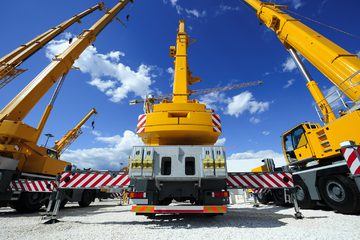
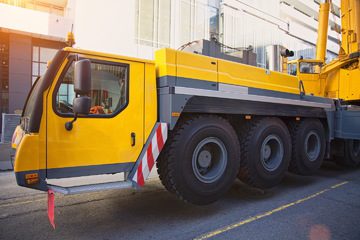
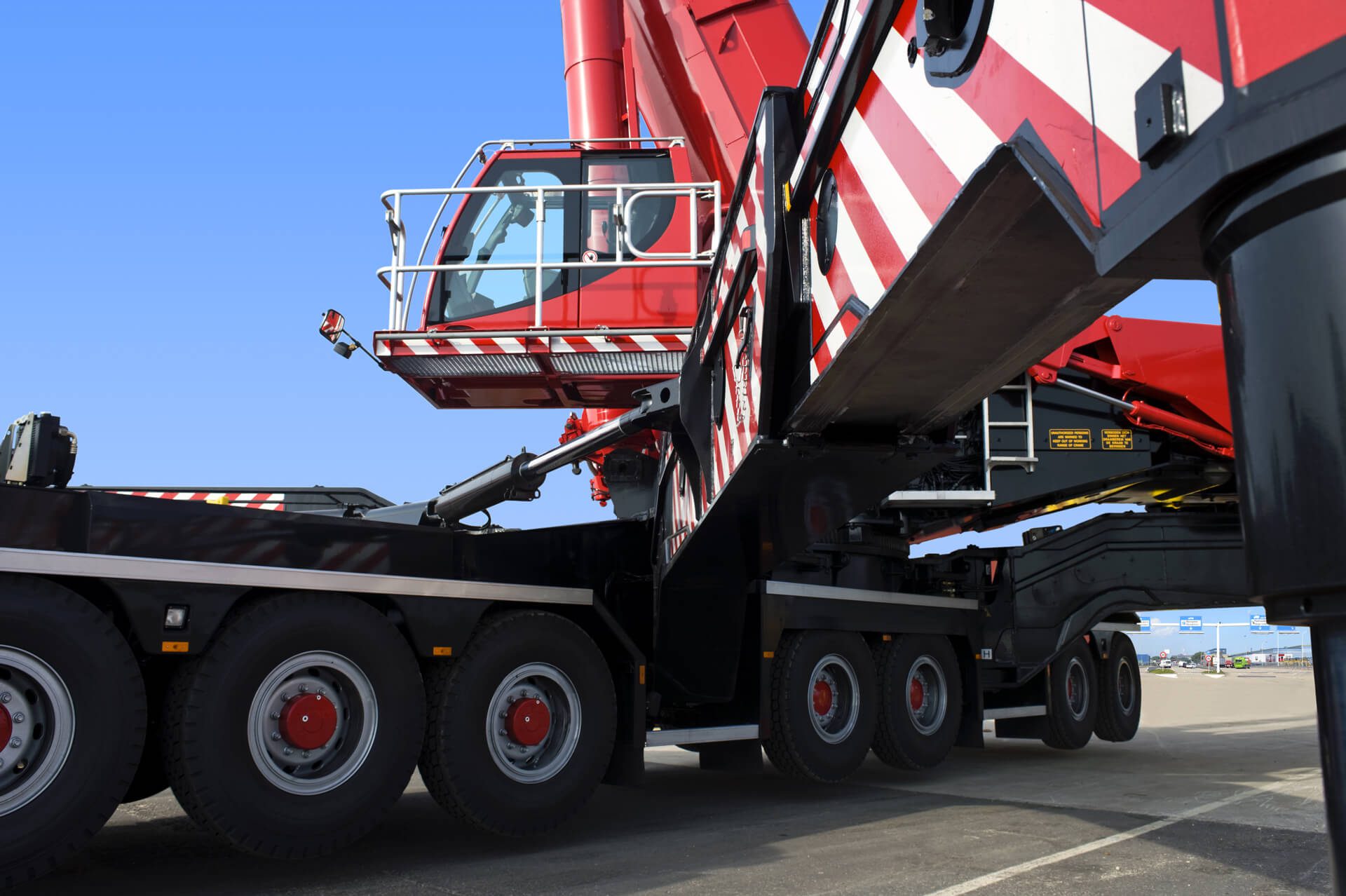
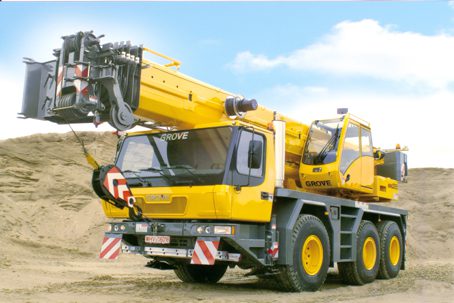
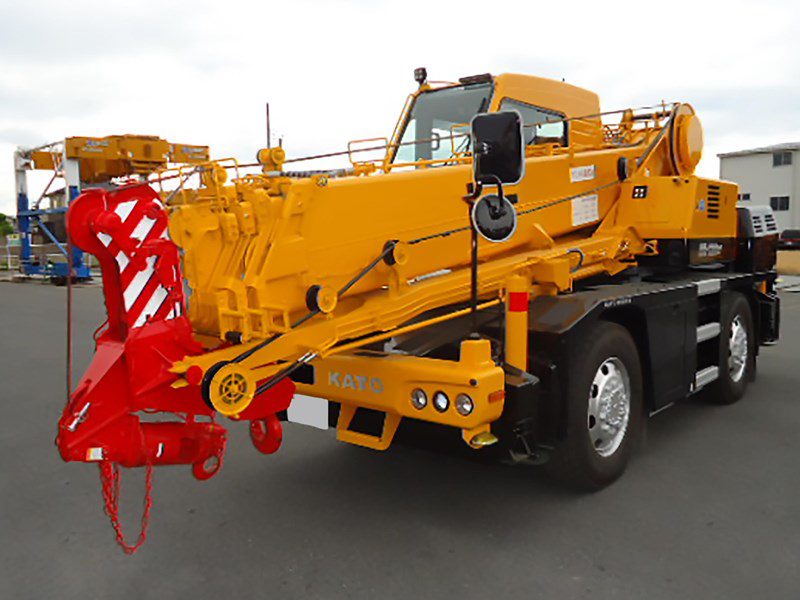
Mobile crane hire is perhaps the clearest expression of this flexibility. These cranes are designed to move, to adapt, to respond quickly to shifting conditions. On infrastructure projects—highways stretching across regional Australia, rail corridors threading through urban and suburban zones—they provide a level of responsiveness that fixed equipment cannot match.
They arrive when needed, perform their role, and move on. In doing so, they mirror the nature of modern construction itself: dynamic, staged, and constantly evolving.
Building Upward in Sydney’s Dense Core
If mobile cranes define flexibility, tower cranes define ambition. Nowhere is this more apparent than in Sydney, where geography and population growth have combined to push development upward. The city’s natural boundaries—the harbour, protected land, established suburbs—leave limited room for outward expansion. The result is a skyline that continues to rise.
Within this context, tower crane hire Sydney becomes more than a practical necessity. It becomes a structural cornerstone of urban growth. Tower cranes are uniquely suited to high-rise construction, capable of lifting heavy materials to significant heights with precision and consistency. But their influence extends beyond their mechanical function.
On a dense construction site, the tower crane often determines the entire logic of the build. Its position influences how materials are delivered, how workers move, and how different phases of construction overlap. In effect, it becomes the organizing principle of the project, a fixed point around which everything else is coordinated.
This is why decisions about tower crane hire are made early and carefully. They are not just about equipment; they are about shaping the flow of the entire construction process.
Precision in an Increasingly Crowded Sky
As Sydney and other Australian cities grow denser, the challenges of construction become more intricate. Buildings rise closer together, and the airspace above them becomes a shared, carefully managed environment. In these conditions, traditional approaches to lifting are not always sufficient.
Luffing crane hire has emerged as a response to this new reality. Unlike conventional tower cranes, which extend their arms horizontally, luffing cranes can raise and lower their jib. This allows them to operate within tighter confines, reducing the risk of interference with nearby structures or other cranes.
In some parts of Sydney, multiple cranes operate simultaneously within a single block, each navigating a narrow envelope of space. Without the precision offered by luffing cranes, such coordination would be difficult to achieve. Their growing use reflects a broader trend in construction: the move toward specialization as a means of managing complexity.
This specialization is not simply a technical adjustment. It represents a shift in how the industry thinks about space, risk, and efficiency in dense urban environments.
Infrastructure at Ground Level
While high-rise construction captures public attention, much of Australia’s development unfolds at ground level. Roads, bridges, rail systems, and utilities form the backbone of the built environment, and their construction presents a different set of challenges.
Here, mobile crane hire plays a central role. These cranes are valued for their versatility, their ability to operate across varied terrain, and their capacity to move quickly between locations. In large infrastructure projects, where work progresses in stages across extended distances, this mobility is essential.
Mobile cranes often serve as the link between different phases of construction. They prepare sites for more permanent equipment, assist with heavy lifting during critical stages, and provide support in areas where fixed cranes cannot operate. Their role may be less visible than that of tower cranes, but it is no less significant.
Safety as a Foundational Principle
As construction becomes more complex, safety has moved from being a procedural concern to a foundational principle. Australia’s regulatory framework for crane operations is among the most rigorous globally, reflecting both the risks involved and the public visibility of construction in urban areas.
What has changed most is the timing of safety considerations. They now begin long before a crane arrives on site. Decisions about crane hire—whether to use mobile, tower, or luffing cranes—are informed by detailed risk assessments that take into account site conditions, surrounding structures, and environmental factors.
Technology has played a key role in this evolution. Modern cranes are equipped with advanced monitoring systems that track load limits, wind conditions, and operational parameters in real time. Digital modeling tools allow engineers to simulate crane movements before installation, identifying potential conflicts and optimizing placement.
In cities like Sydney, where wind conditions can vary significantly across different elevations, these capabilities are particularly important. They enable a proactive approach to safety, reducing uncertainty and improving overall reliability.
Economic Pressures and Strategic Adaptation
Behind the technical and operational aspects of crane hire lies a set of economic pressures that continue to shape the industry. Rising material costs, labor shortages, and the demand for faster project delivery have created an environment in which efficiency is paramount.
Crane hire offers a way to navigate these pressures. By allowing companies to access equipment as needed, it reduces the financial burden of ownership and provides greater flexibility in resource allocation. Projects can scale their use of cranes in line with changing requirements, minimizing downtime and maximizing productivity.
This flexibility also encourages a more competitive market. Smaller contractors can access advanced equipment without significant upfront investment, while crane hire providers are driven to innovate and maintain high standards to meet demand.
Technology and the Changing Nature of Work
The cranes shaping Australia’s skylines today are not the same as those of previous generations. Advances in technology have transformed their capabilities, introducing new levels of precision, efficiency, and control.
Operators now work with real-time data, using digital tools to monitor performance and respond to changing conditions. Predictive maintenance systems help identify potential issues before they become problems, reducing downtime and improving reliability.
These developments are gradually changing the nature of work on construction sites. Operating a crane is no longer solely about mechanical skill; it increasingly involves interpreting data and managing complex systems. As a result, training and expertise are evolving alongside the technology.
A Quiet Force Behind Urban Transformation
For all their visibility, cranes are rarely the focus of public conversation. They are seen as temporary fixtures, present during construction and gone once a building is complete. Yet their influence is profound.
Without mobile crane hire, infrastructure projects would face significant logistical challenges. Without tower crane hire Sydney, the city’s vertical expansion would slow dramatically. Without luffing crane hire, many developments in dense urban areas would be impractical.
Together, these forms of crane hire enable a level of adaptability and precision that modern construction demands. They allow cities to grow upward, to use space more efficiently, and to respond to the pressures of population and economic change.
Looking Ahead
As Australia continues to invest in infrastructure and urban development, the role of crane hire is likely to become even more central. Sustainability concerns are beginning to influence equipment choices, with greater emphasis on efficiency and reduced emissions. Digital technologies will continue to reshape how cranes are managed and integrated into projects.
What remains constant is their importance. Cranes are not simply tools; they are enablers of possibility. They make it possible to build in ways that were once impractical, to navigate constraints that might otherwise limit development, and to shape cities that reflect the needs of a changing society.
The next time you look up and see a crane moving across the skyline, it is worth considering what it represents. Not just the building rising beneath it, but the intricate system of decisions, technologies, and strategies that make that construction possible. In that sense, crane hire is not just part of the construction process. It is a lens through which the evolution of Australia’s cities can be understood.