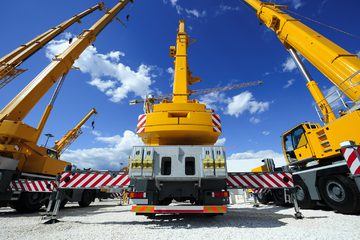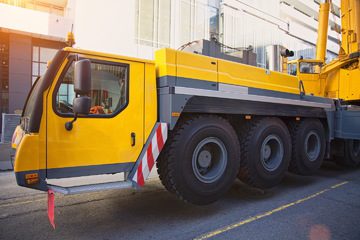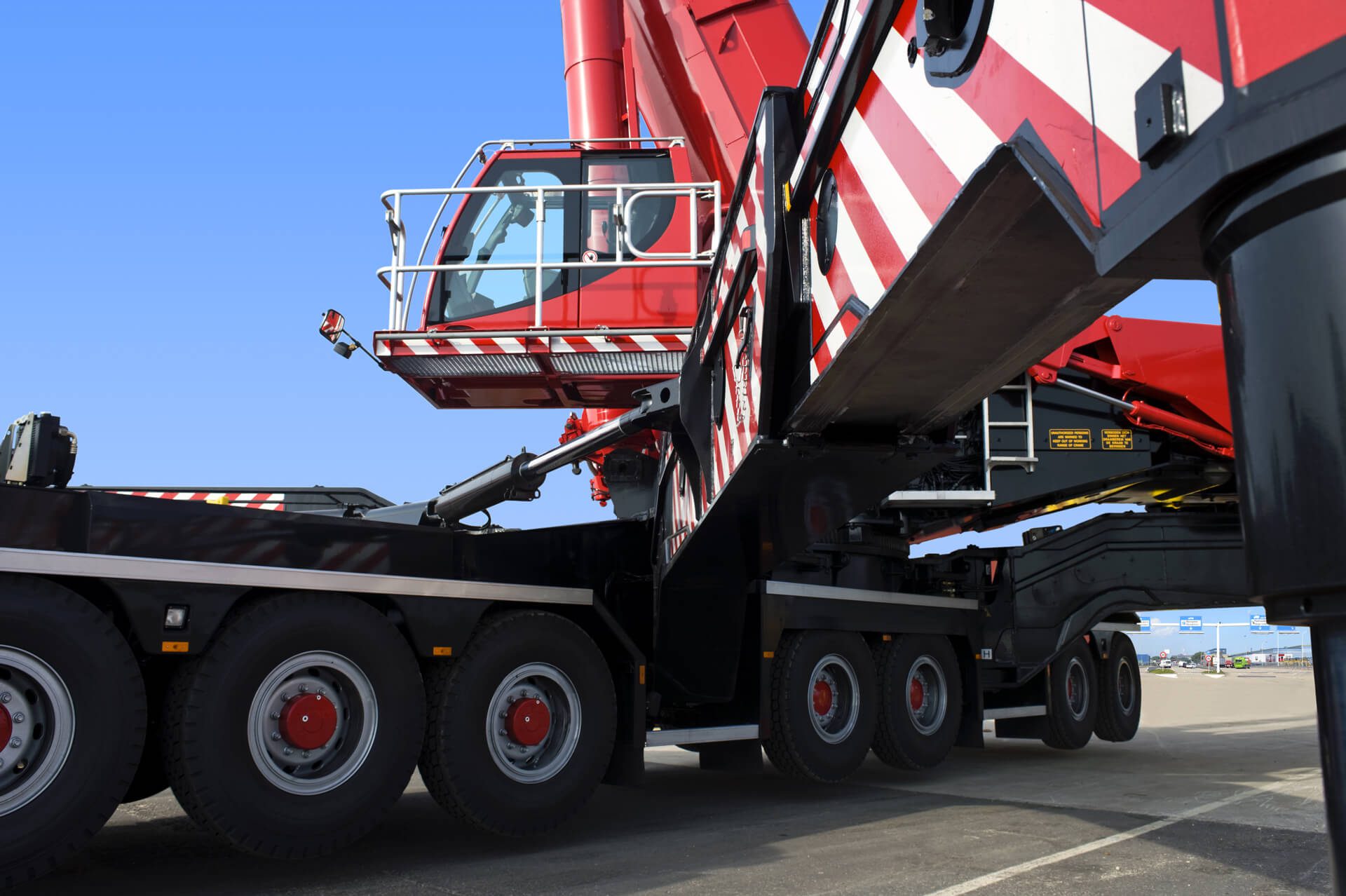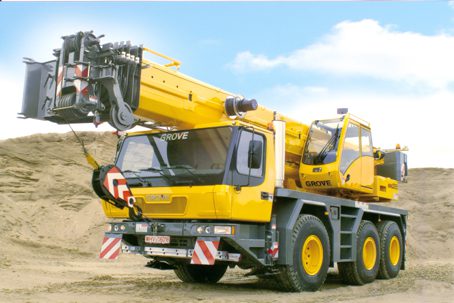
Walk through any major Australian city—Sydney, Melbourne, Brisbane—and the skyline tells a story in motion. Steel frames climb upward, glass facades emerge layer by layer, and above it all, cranes sweep across the sky in slow, deliberate arcs. These machines are so familiar they risk fading into the background. Yet behind their steady presence lies a complex and evolving ecosystem—one in which crane hire has become a critical force shaping how Australia builds, expands, and adapts to modern urban life.
To understand the trajectory of Australian construction today, it helps to look not just at what is being built, but how it is being built. And increasingly, that “how” depends on a flexible, highly specialized approach to lifting—one where mobile crane hire, tower crane hire, and luffing crane hire each play distinct but interconnected roles.
The Rise of Flexibility in Construction
Construction in Australia has changed in scale and character over the past two decades. Population growth, urban densification, and infrastructure investment have created a steady demand for new residential towers, transport networks, and commercial developments. But alongside this growth has come a shift in how projects are delivered.
Where once companies might have owned and maintained their own heavy lifting equipment, today many rely on crane hire as a more adaptable solution. This shift is not just economic—though cost efficiency and reduced maintenance burdens certainly play a role—but strategic. Hiring allows contractors to match the right crane to the specific needs of each project stage, rather than forcing a single machine to do everything.
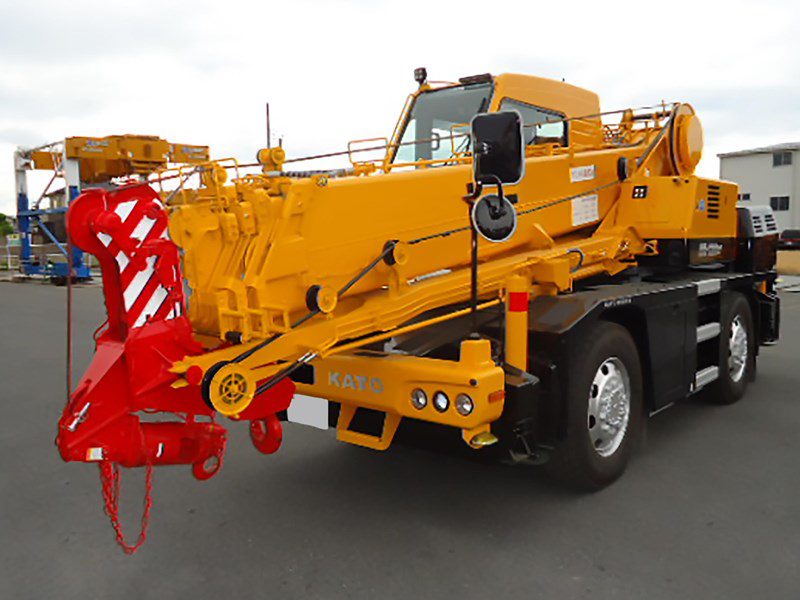
Mobile crane hire, for example, has become indispensable for short-term, high-mobility tasks. These cranes can be deployed quickly, navigate varied terrain, and handle everything from material delivery to structural assembly. On infrastructure projects—such as road upgrades or bridge construction—they provide the flexibility needed to operate across changing sites without the logistical constraints of fixed installations.
This adaptability has become particularly valuable in Australia’s vast and geographically diverse landscape, where construction conditions can shift dramatically from one region to another.
Building Upward in a Constrained Landscape
As cities grow denser, the nature of construction inevitably turns vertical. High-rise developments are no longer confined to central business districts; they are spreading into suburban hubs, reshaping skylines and redefining urban living. In this environment, tower crane hire has emerged as a cornerstone of modern construction.
Tower cranes are, in many ways, the architectural companions of high-rise buildings. Their height, reach, and lifting capacity make them uniquely suited to projects where materials must be transported hundreds of metres above ground. But their significance goes beyond sheer capability.
In dense urban environments, space is a premium. Streets are narrower, neighbouring buildings are closer, and construction footprints are tighter. Tower cranes, with their fixed bases and efficient vertical operation, allow builders to maximize limited space while maintaining steady progress. Their presence often dictates the rhythm of a project, coordinating the flow of materials and the sequencing of construction activities.
Yet even tower cranes have had to evolve to meet the challenges of modern cities. This is where luffing crane hire enters the picture.
Precision in Tight Spaces
Luffing cranes are a variation of tower cranes designed specifically for confined environments. Unlike traditional tower cranes, which have a horizontal jib that swings widely, luffing cranes can raise and lower their jib, allowing for more controlled movement within restricted airspace.
In cities like Sydney, where construction sites often sit shoulder to shoulder, this precision is not just advantageous—it is essential. Luffing crane hire enables multiple cranes to operate in close proximity without interfering with one another, reducing the risk of collisions and improving overall site efficiency.
This capability reflects a broader trend in construction: the need for specialization. As projects become more complex and urban constraints more pronounced, the industry is moving away from one-size-fits-all solutions toward highly tailored approaches. Each crane type—mobile, tower, or luffing—serves a distinct purpose, and their combined use allows projects to proceed with a level of coordination that would have been difficult to achieve in the past.
Safety as a Moving Target
With greater complexity comes greater responsibility, and nowhere is this more evident than in safety standards. Australia has long maintained a strong regulatory framework for construction, and crane operations are subject to rigorous oversight. But as the industry evolves, so too do the expectations placed on it.
Safety is no longer viewed solely in terms of compliance; it is increasingly integrated into the design and planning stages of projects. Decisions about crane hire—what type of crane to use, where to position it, how it will operate—are made with a clear understanding of risk management from the outset.
Technological advancements are playing a significant role here. Modern cranes are equipped with sophisticated monitoring systems, load sensors, and real-time data tracking, allowing operators to make informed decisions and respond quickly to changing conditions. Digital tools can simulate crane movements before a project begins, identifying potential hazards and optimizing workflows.
These innovations are particularly relevant in Australia, where environmental factors such as wind conditions can vary widely. In high-rise construction, even slight changes in weather can have significant implications for crane operation. Advanced systems help mitigate these risks, contributing to safer and more predictable project outcomes.
The Pressure of Productivity
While safety remains paramount, the construction industry also faces mounting pressure to deliver projects faster and more efficiently. Infrastructure demands are growing, housing shortages persist in major cities, and economic considerations continue to shape investment decisions.
Crane hire plays a subtle but crucial role in addressing these pressures. By enabling access to the latest equipment without the need for long-term ownership, it allows companies to stay agile in a competitive market. Projects can scale up or down as needed, and resources can be allocated with greater precision.
At the same time, the integration of technology into crane operations is helping to streamline workflows. Automation, data analytics, and remote monitoring are gradually transforming how cranes are used on site. While fully autonomous cranes remain a distant prospect, the direction is clear: greater efficiency, reduced downtime, and improved coordination across all stages of construction.
A Reflection of Broader Change
In many ways, the evolution of crane hire mirrors broader shifts within the construction industry itself. It reflects a move toward flexibility, specialization, and technological integration—trends that are reshaping how cities are built and experienced.
But it also highlights something more fundamental. Cranes are not just tools; they are enablers of possibility. They allow architects to design taller buildings, engineers to tackle more ambitious infrastructure, and cities to grow in ways that respond to changing needs.
In Australia, where urban development must balance growth with livability, this capability carries particular significance. The cranes that dot the skyline are not merely symbols of construction; they are indicators of transformation, quietly supporting the evolution of the built environment.
Looking Ahead
As Australia continues to invest in infrastructure and urban development, the role of crane hire is likely to become even more central. The challenges facing the industry—rising costs, environmental considerations, and increasing regulatory complexity—will demand continued innovation and adaptability.
Mobile crane hire will remain essential for its versatility, supporting projects across diverse terrains and timelines. Tower crane hire will continue to define the vertical expansion of cities, enabling the construction of increasingly sophisticated high-rise developments. And luffing crane hire will play a critical role in navigating the constraints of dense urban environments, ensuring that growth can occur even where space is limited.
What may change is not the presence of cranes, but the way they are perceived. Rather than fading into the background, they may come to be seen as integral components of a larger system—one that connects design, engineering, and urban planning into a cohesive whole.
For the informed observer, the next time a crane swings overhead, it is worth pausing to consider what it represents. Not just the building taking shape beneath it, but the intricate network of decisions, technologies, and strategies that make that construction possible. In that sense, crane hire is not simply a service within the construction industry. It is a lens through which we can better understand how modern cities are built—and how they continue to evolve.