Stand beneath a construction site in Sydney long enough and you begin to notice something subtle but revealing. The cranes above do not simply lift—they choreograph. Steel beams, glass panels, and concrete slabs move in a rhythm that feels almost deliberate, as if the skyline itself is being assembled in slow motion. It is easy to treat these machines as background fixtures, temporary tools in the business of building. But in modern Australia, they have become something more consequential: instruments through which cities are imagined, negotiated, and ultimately realized.
The growing reliance on mobile crane hire, tower crane hire, and luffing crane hire reflects a deeper transformation within the construction industry. This is not merely a story about equipment. It is a story about how urban density, infrastructure demands, and technological progress are reshaping the way Australia builds—and, by extension, how it lives.
The Quiet Shift From Ownership to Access
For much of the twentieth century, large construction firms often owned their heavy machinery outright. Cranes were long-term investments, tied to a company’s capacity and identity. That model has not disappeared, but it has been steadily overshadowed by a more flexible approach: hiring rather than owning.
This shift is partly economic. Construction projects today operate under tighter margins, fluctuating demand, and increasing regulatory complexity. Committing capital to equipment that may sit idle between projects is no longer always viable. Crane hire offers a way to align resources with immediate needs, scaling up or down as circumstances require.
But the change is also strategic. Modern construction is less predictable than it once was. Timelines shift, designs evolve, and supply chains fluctuate. Hiring cranes allows builders to adapt in real time, selecting the right machine for each phase rather than relying on a fixed fleet.
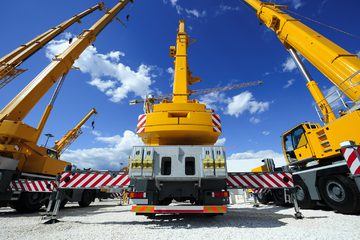
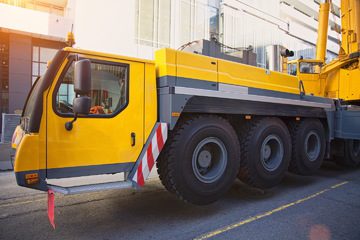
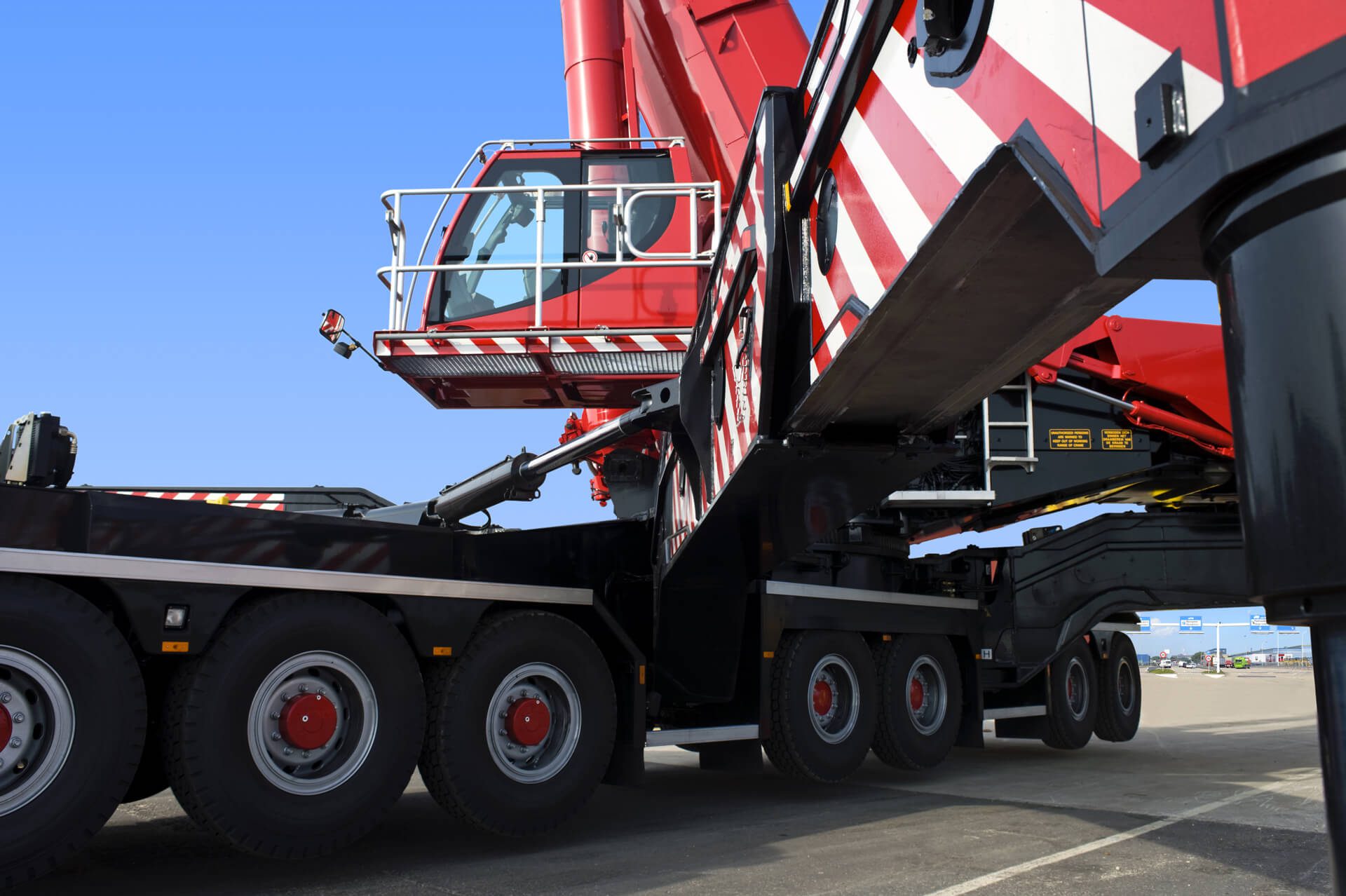
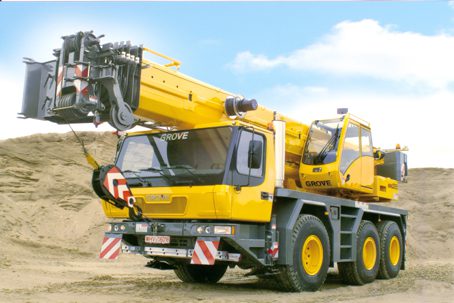
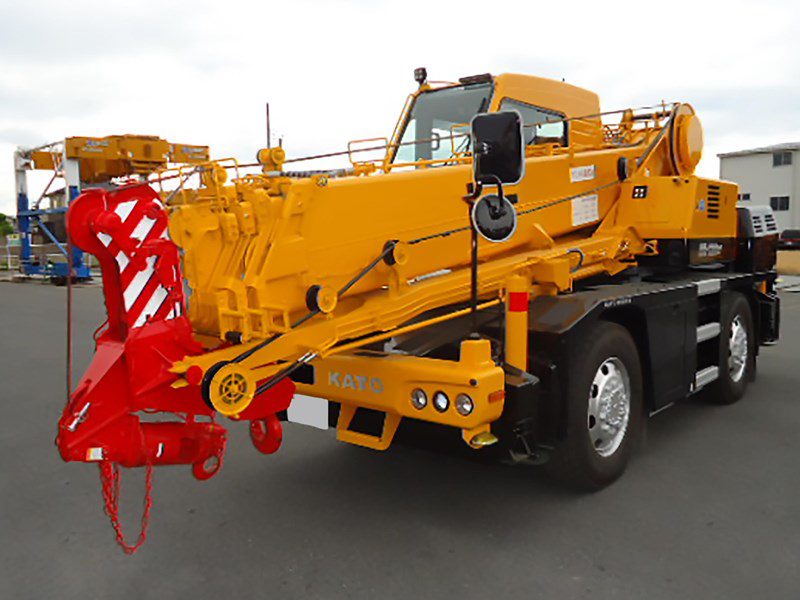
Mobile crane hire exemplifies this adaptability. These cranes, mounted on wheeled platforms, can move quickly between sites, making them indispensable for infrastructure projects that unfold across wide geographic areas. In a country as expansive as Australia, where construction often stretches beyond dense urban centers into regional and remote locations, mobility is not a luxury—it is a necessity.
Building Upward in Sydney’s Constrained Landscape
Nowhere are the pressures of modern construction more visible than in Sydney. Hemmed in by its harbour, national parks, and established suburbs, the city has turned increasingly to vertical growth. High-rise developments are no longer confined to the central business district; they are spreading outward, reshaping suburban skylines and redefining density.
Within this context, tower crane hire Sydney takes on a significance that goes well beyond lifting capacity. Tower cranes are uniquely suited to high-rise construction, capable of transporting heavy materials across wide spans and up considerable heights. Yet their true importance lies in how they structure the entire building process.
On a constrained urban site, the placement of a tower crane becomes a defining decision. It determines how materials enter the site, how they are distributed, and how different stages of construction overlap. In effect, the crane becomes the central node in a complex logistical network, coordinating the movement of resources and labor.
This is why tower crane hire is not simply a technical choice. It is a form of planning—an early commitment that shapes everything that follows. In Sydney’s increasingly dense environment, where every square metre carries weight, that decision can influence both the efficiency and the feasibility of a project.
The Role of Precision in a Crowded Sky
As urban density increases, the challenge of construction shifts from scale to precision. It is no longer enough to lift heavy loads; those loads must be moved within tight spatial constraints, often in close proximity to other cranes and buildings.
Luffing crane hire has emerged as a response to this reality. Unlike traditional tower cranes, which operate with a fixed horizontal jib, luffing cranes can raise and lower their arm, allowing for more controlled movement within confined spaces. This makes them particularly valuable in inner-city projects where multiple cranes must operate side by side.
In parts of Sydney, it is not uncommon for several cranes to share the same skyline, each working within carefully defined boundaries. Without the flexibility of luffing cranes, such coordination would be difficult to achieve. Their growing presence reflects a broader shift in the industry toward specialization—toward tools designed not just for capacity, but for context.
This emphasis on precision mirrors the evolution of the city itself. As urban environments become more complex, the technologies used to build them must become more refined.
Infrastructure and the Ground-Level Perspective
While high-rise construction captures much of the public imagination, a significant portion of Australia’s development takes place at ground level. Roads, bridges, rail systems, and utilities form the backbone of the built environment, and their construction presents a different set of challenges.
Here, mobile crane hire plays a central role. These cranes are valued not for their height, but for their versatility. They can be deployed quickly, operate on uneven terrain, and relocate as a project progresses. In infrastructure work, where conditions can change rapidly and sites may be spread over large distances, this flexibility is essential.
Mobile cranes often serve as the connective element in construction, bridging the gap between different phases and locations. They prepare sites for more permanent installations, support ongoing work, and step in where fixed equipment cannot reach. In doing so, they contribute to a continuity that is easy to overlook but crucial to the overall process.
Safety in an Era of Complexity
As construction becomes more complex, the expectations surrounding safety have grown accordingly. Australia’s regulatory framework for crane operations is among the most stringent in the world, reflecting both the inherent risks of heavy lifting and the public visibility of construction in urban areas.
What has changed most noticeably is the integration of safety into the earliest stages of project planning. Decisions about crane hire are no longer made solely on the basis of efficiency or cost. They are informed by detailed assessments of risk, taking into account site conditions, surrounding structures, and environmental factors.
Technology has reinforced this shift. Modern cranes are equipped with sensors that monitor load limits, wind speeds, and operational parameters in real time. Digital modeling tools allow engineers to simulate crane movements before installation, identifying potential conflicts and optimizing placement.
In a city like Sydney, where wind conditions can vary significantly across different elevations, these capabilities are particularly important. They allow operators to anticipate challenges rather than react to them, contributing to a safer and more predictable working environment.
Economic Pressures and Industry Adaptation
Behind the visible machinery lies a set of economic pressures that continue to shape the construction industry. Rising material costs, labor shortages, and the demand for faster project delivery have created an environment in which efficiency is paramount.
Crane hire offers a form of financial agility in this context. By avoiding the upfront costs associated with purchasing equipment, companies can allocate resources more strategically. They can also adapt more easily to changes in project scope, scaling their use of cranes in line with evolving needs.
This flexibility has implications beyond individual projects. It lowers barriers to entry for smaller contractors, enabling a more diverse and competitive industry. At the same time, it encourages innovation among crane hire providers, who must continually invest in newer, more efficient equipment to remain competitive.
The result is a dynamic ecosystem in which technological advancement and market demand reinforce one another.
Looking Ahead: Technology and Sustainability
The future of crane hire in Australia is likely to be shaped by two converging forces: digital transformation and environmental responsibility. Advances in data analytics, remote monitoring, and predictive maintenance are already changing how cranes are managed and operated. These tools promise greater efficiency and reduced downtime, but they also require new skills and approaches.
Sustainability, meanwhile, is becoming an increasingly important consideration. The construction industry faces growing pressure to reduce its environmental impact, and crane operations are part of that equation. More efficient engines, alternative energy sources, and smarter planning all have a role to play in reducing emissions.
These changes are unlikely to alter the fundamental role of cranes, but they will influence how that role is performed.
A Subtle Force Shaping the City
Cranes are, by their nature, temporary. They arrive, they operate, and they disappear once a building is complete. Yet their impact is anything but fleeting. They shape the pace, scale, and form of urban development, influencing how cities grow and adapt.
In Australia, where the balance between expansion and livability is an ongoing concern, this influence carries particular weight. Mobile crane hire supports the infrastructure that connects communities. Tower crane hire enables the vertical growth that accommodates population pressures. Luffing crane hire allows construction to proceed in spaces that once seemed too constrained to build upon.
Together, they form a system that is both highly visible and largely unexamined—a network of machines and decisions that quietly underpins the transformation of the built environment.
The next time you find yourself looking up at a crane against the sky, it may be worth considering what it represents. Not just the building rising beneath it, but the intricate interplay of technology, economics, and urban planning that makes that construction possible. In that sense, crane hire is more than a service. It is a lens through which the future of Australia’s cities comes into view.