There is a particular kind of movement that defines a construction site. It is not the hurried pace of workers on the ground or the steady arrival of materials, but something slower, more deliberate. A crane swings into position, pauses, then lowers a load with almost surgical precision. It is a quiet act of coordination—one that reveals how modern construction is less about brute force and more about timing, planning, and control.
Across Australia, this choreography has become increasingly complex. Cities are growing denser, infrastructure projects are expanding in scale, and the physical space available for building is shrinking. Within this changing landscape, crane hire—particularly mobile crane hire—has taken on a more central role than ever before. What was once seen as a logistical necessity is now a strategic component of how projects are conceived and delivered.
A Construction Landscape in Transition
To understand why crane hire matters more today, it helps to consider how construction itself has evolved.
In cities like Sydney and Melbourne, development is no longer defined by expansion into open land. Instead, it is shaped by infill projects, redevelopment, and the need to build upward within established urban boundaries. This shift has introduced constraints that are as much spatial as they are logistical.
Sites are tighter. Access is more limited. Projects often unfold alongside active roads, rail lines, and existing buildings that cannot be disturbed. In such conditions, construction becomes an exercise in precision.
Cranes, in turn, are no longer simply lifting devices. They are tools for navigating complexity.
Why Mobility Has Become Essential
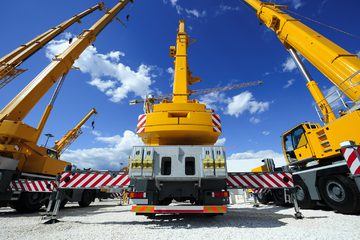
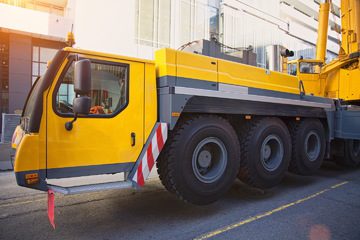
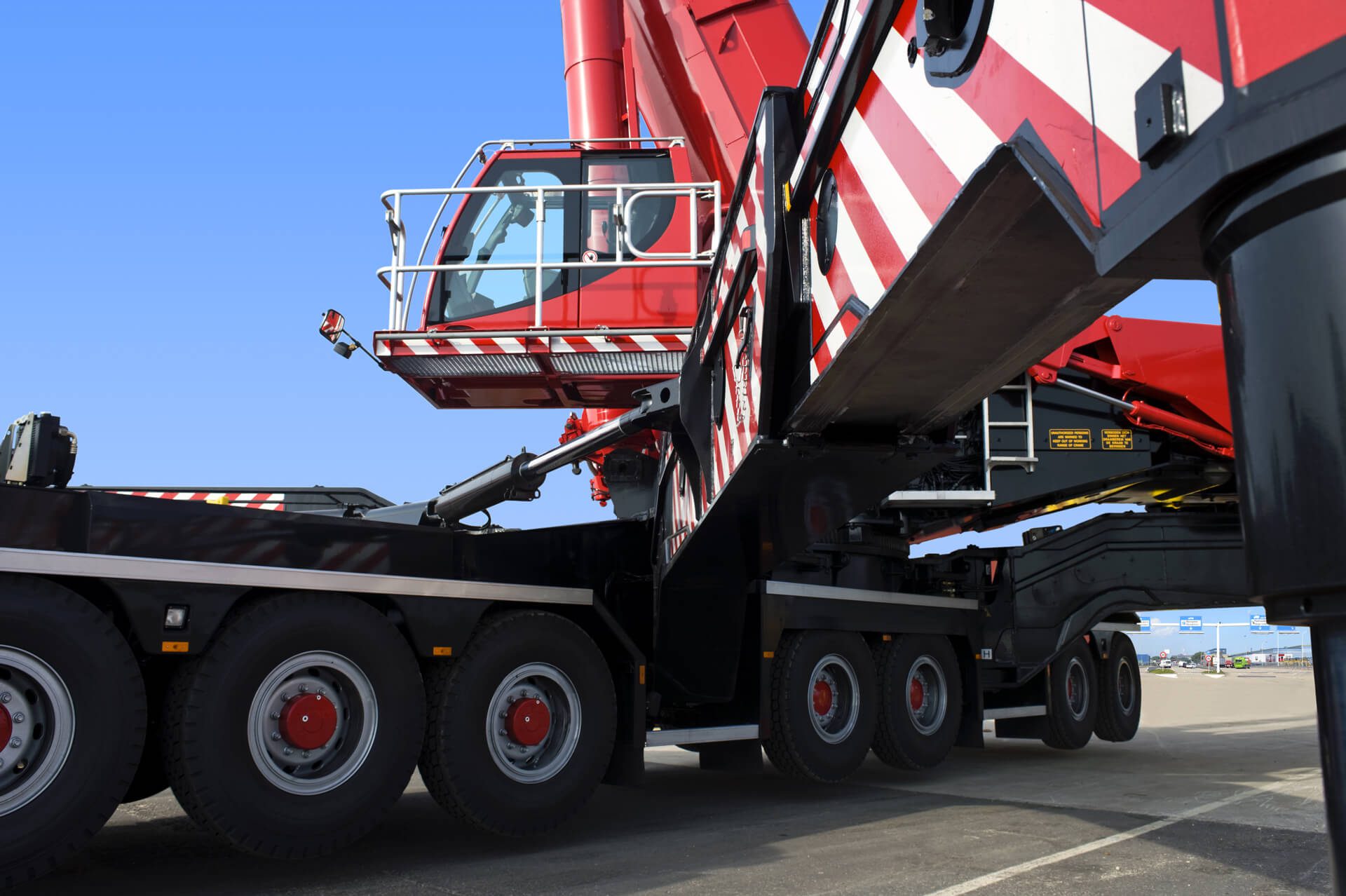
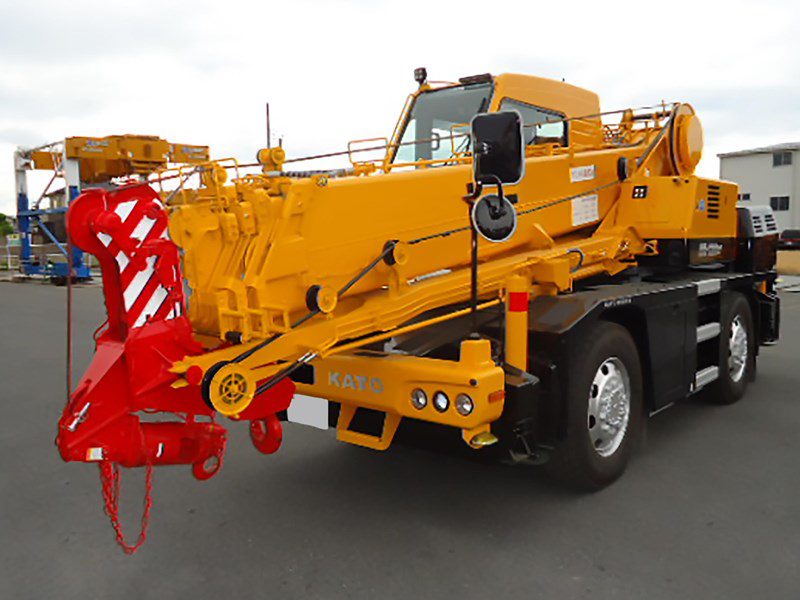
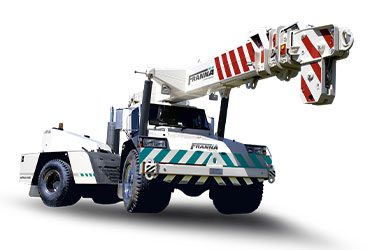
Among the various types of cranes used today, mobile crane hire stands out for its adaptability.
Unlike fixed cranes, mobile cranes are not tied to a single position. They can be transported between sites, repositioned within a project, and deployed at short notice. This flexibility has become increasingly valuable as construction projects grow more dynamic.
Consider the nature of large infrastructure developments—transport corridors, bridges, energy installations. These projects rarely follow a straight line from start to finish. They involve multiple stages, shifting work zones, and coordination between different contractors.
Mobile crane hire fits naturally into this environment. It allows lifting capacity to move with the project, rather than requiring the project to adapt to the crane. In practical terms, this reduces delays, improves efficiency, and enables construction teams to respond to changing conditions.
Yet the significance of mobile cranes extends beyond infrastructure. In urban construction, they often play a supporting role that is just as critical. They assist with site setup, material delivery, and specialized lifts that fixed cranes cannot easily handle.
In a sense, mobile cranes act as the connective tissue of modern construction—linking different phases, tasks, and locations into a cohesive process.
The Enduring Role of Tower Cranes
If mobile cranes represent flexibility, tower cranes represent stability.
Tower crane hire remains central to high-rise construction, where the need for vertical reach and sustained lifting capacity is paramount. These cranes are designed to operate over extended periods, often becoming a defining feature of a construction site.
Their importance lies not only in their ability to lift heavy materials to great heights, but also in how they shape the construction process itself. The placement of a tower crane influences site layout, material flow, and even the sequencing of work.
In Australia’s densifying cities, tower cranes have become almost synonymous with urban growth. Their presence signals not just construction activity, but a particular kind of development—one that prioritizes vertical expansion in response to limited land availability.
Yet even these towering machines are not immune to the pressures of modern construction. As sites become more constrained, the challenge is not just reaching upward, but doing so without interfering with the surrounding environment.
Navigating Tight Urban Spaces
This is where luffing crane hire has gained prominence.
Luffing cranes are designed to operate in environments where space—particularly airspace—is limited. Their ability to raise and lower their jibs allows them to work within tighter boundaries, reducing the risk of encroaching on neighbouring properties.
In dense urban areas, this capability is increasingly important. Construction sites are often surrounded by existing buildings, and multiple projects may be underway within close proximity. The air above the city becomes a shared resource, one that must be carefully managed.
Luffing cranes provide a solution to this challenge. They enable construction to proceed in spaces that would otherwise be impractical, if not impossible. In doing so, they reflect a broader trend in urban development: the need to build more within less.
A System, Not a Single Solution
What becomes clear when looking at modern construction is that no single type of crane can meet all demands.
Projects today often rely on a combination of mobile crane hire, tower crane hire, and luffing crane hire. Each serves a distinct purpose, yet their operations are interconnected.
A high-rise development, for instance, may depend on a tower crane for its structural work, while mobile cranes handle deliveries and specialized lifts. In tighter sections of the site, a luffing crane may be introduced to navigate spatial constraints.
This integrated approach reflects the increasing complexity of construction projects. It also highlights how crane hire has evolved from a straightforward service into a nuanced, multi-layered system.
Safety in an Era of Precision
As crane operations have become more integral to construction, the expectations surrounding safety have grown accordingly.
Australia has long been known for its rigorous safety standards, and the crane sector is no exception. Regulations govern everything from operator certification to equipment maintenance and site planning. These frameworks have evolved over time, shaped by both technological advancements and lessons learned from past incidents.
Today, safety is embedded in every aspect of crane operations.
Before a lift takes place, detailed assessments are conducted to evaluate factors such as load weight, ground conditions, and environmental influences like wind. For mobile crane hire, this process is particularly important, as conditions can vary significantly from one site to another.
Tower and luffing cranes, meanwhile, are subject to continuous monitoring, especially in relation to structural loads and weather conditions. Advances in sensor technology have enhanced this process, providing real-time data that supports more informed decision-making.
Yet, for all the technological progress, safety remains fundamentally human. It depends on the skill, experience, and judgement of those operating the equipment. Technology can assist, but it cannot replace the need for careful planning and disciplined execution.
Technology and the Future of Crane Operations
The role of technology in crane hire is expanding rapidly, influencing not just how cranes are used, but how projects are designed.
Digital modelling tools now allow construction teams to simulate crane operations before work begins. These simulations can identify potential conflicts, optimize crane placement, and improve overall efficiency.
For projects involving tower crane hire or luffing crane hire, this level of planning is particularly valuable. It enables teams to navigate complex urban environments with greater confidence, reducing the risk of delays and disruptions.
Mobile crane hire is also benefiting from technological innovation. Telematics systems provide insights into equipment performance, helping operators optimize usage and anticipate maintenance needs. This data-driven approach enhances both efficiency and reliability.
At the same time, environmental considerations are beginning to shape the future of crane operations. Efforts to reduce emissions, improve fuel efficiency, and minimize noise are becoming increasingly important, particularly in urban areas where construction activity directly impacts surrounding communities.
The Quiet Influence on Urban Form
Cranes are, by their nature, temporary. They arrive at a site, perform their role, and then move on, leaving little visible trace behind. Yet their influence is embedded in every structure they help create.
The growing importance of mobile crane hire, alongside tower crane hire and luffing crane hire, reveals something fundamental about how Australian cities are evolving.
They are becoming more complex, more constrained, and more reliant on precise coordination. Building within these conditions requires tools that are not only powerful, but adaptable and integrated into a broader system of planning and execution.
Mobile cranes, in particular, embody this shift. Their ability to move, adapt, and respond to changing conditions makes them indispensable in a construction landscape defined by uncertainty and constraint.
In the end, the story of crane hire is not just about machinery. It is about how a nation builds under pressure—how it finds ways to grow, connect, and transform its cities in the face of limited space and increasing demand.