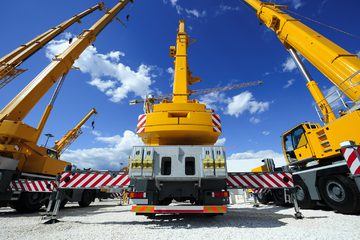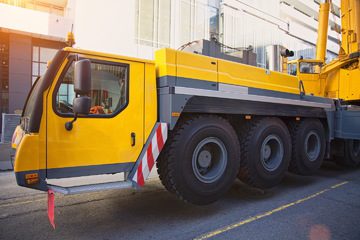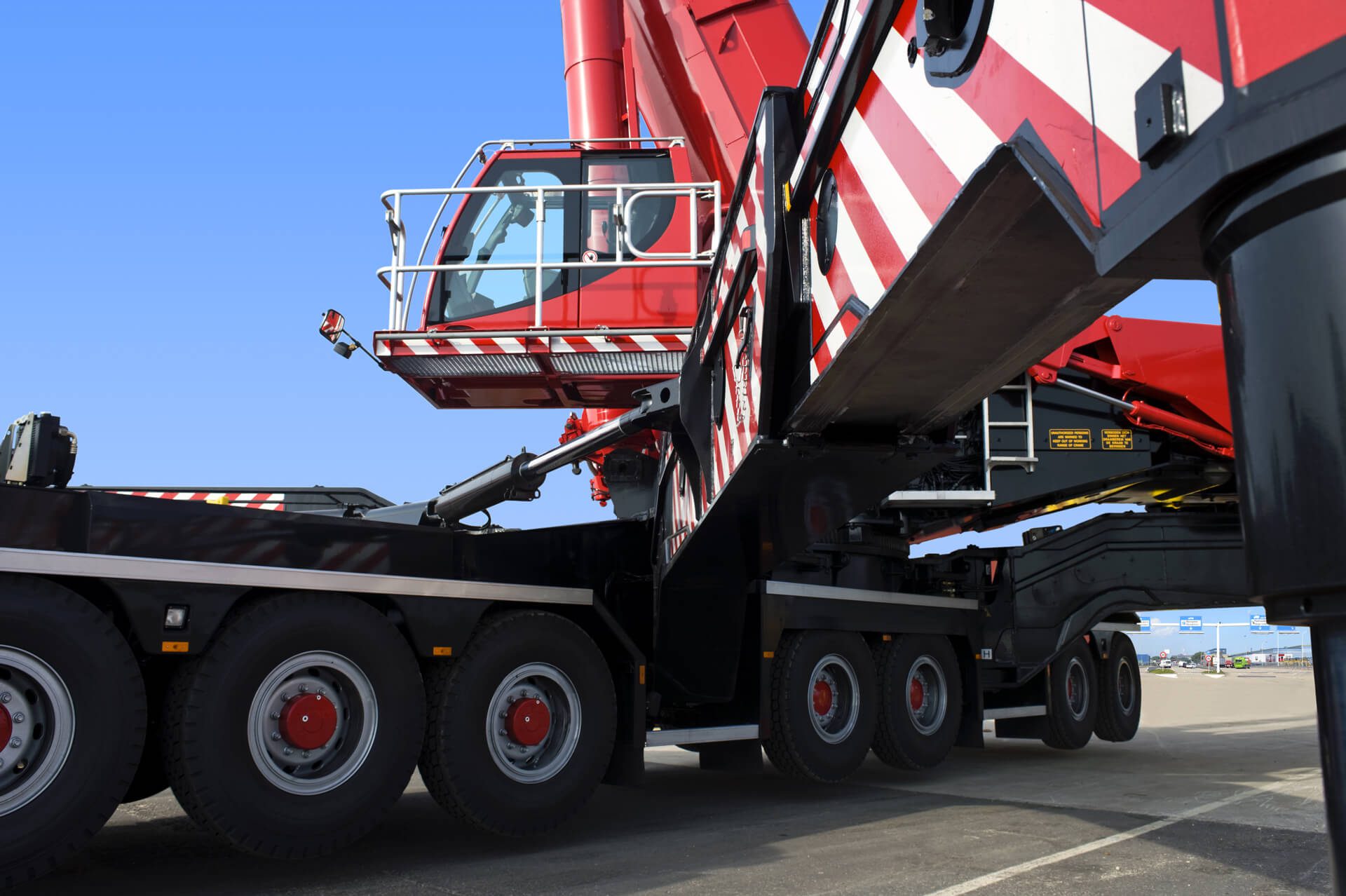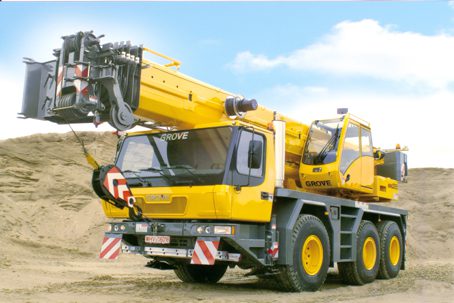
Look up in almost any growing Australian city and you’ll see a familiar silhouette: a crane poised against the skyline, mid-task, as if suspended between intention and completion. It’s an image so common it risks becoming invisible. Yet these machines—particularly those supplied through modern crane hire—have become central to how Australia builds, adapts, and expands.
What has changed in recent years is not simply the number of cranes, but the way they are used. Construction in Australia is no longer defined by scale alone. It is shaped by constraint, coordination, and the need to do more within tighter physical and regulatory boundaries. In this environment, decisions about equipment—especially mobile crane hire, tower crane hire, and luffing crane hire—have become deeply tied to how cities take form.
A New Kind of Construction Pressure
Australia’s urban story is increasingly one of density.
Cities like Sydney and Melbourne are no longer expanding outward at the pace they once did. Instead, growth is occurring within existing footprints—through infill developments, vertical construction, and the redevelopment of underutilized spaces.
This shift creates a different kind of pressure on construction. Space is limited, access is constrained, and projects must coexist with the daily life of the city around them. Roads remain open, businesses continue operating, and nearby residents expect minimal disruption.
In such conditions, cranes are not just lifting devices; they are instruments of precision. Their role extends beyond moving materials to orchestrating how construction unfolds within tight margins.
Why Mobility Has Become Central
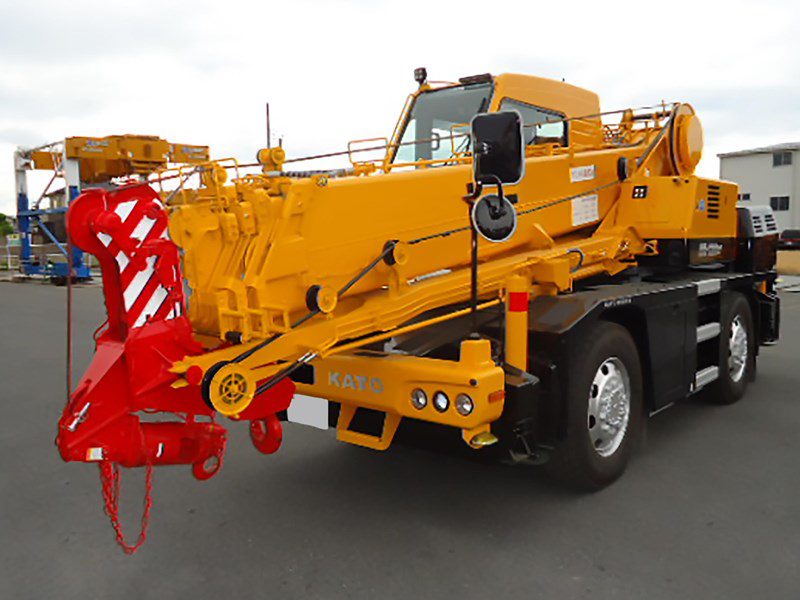
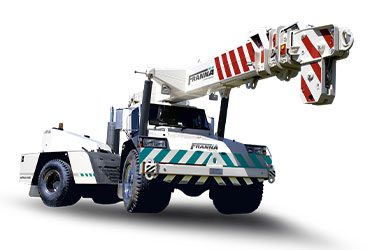
Among the various types of crane hire, mobile crane hire has emerged as one of the most adaptable solutions in this changing landscape.
Its defining feature is flexibility. A mobile crane can be transported quickly, set up with relative ease, and repositioned as project needs evolve. This mobility is particularly valuable in a construction environment that rarely stays static.
Consider large infrastructure projects—transport upgrades, utility installations, or energy developments. These are not confined to a single site but spread across corridors and zones that shift over time. Work progresses in stages, often requiring different lifting solutions at different moments.
Mobile crane hire fits naturally into this rhythm. It allows lifting capacity to move alongside the project, supporting everything from early groundwork to final installations. Rather than dictating how work must proceed, the crane adapts to the work itself.
Even within urban construction, mobile cranes play a crucial supporting role. They assist with tasks that fixed cranes cannot easily manage, such as delivering oversized materials or handling complex lifts in confined spaces.
In this sense, mobility is not just a practical advantage—it is a response to the increasing unpredictability of modern construction.
The Vertical Imperative
While flexibility is essential, so too is the ability to build upward.
High-rise construction has become a defining feature of Australian cities, driven by the need to accommodate growing populations within limited land areas. Tower crane hire remains central to this process.
Tower cranes provide the height, reach, and stability required for sustained vertical construction. They operate as fixed points within a site, enabling the steady movement of materials across multiple levels. Their presence is often long-term, extending through the core phases of a project.
But their importance goes beyond function. Tower cranes influence how buildings are designed and constructed. Their reach determines where materials can be placed, shaping everything from floor layouts to construction sequencing.
In dense urban environments, however, even these cranes must contend with new constraints. The challenge is not simply to build higher, but to do so within increasingly limited space.
Working Within Tight Urban Boundaries
This is where luffing crane hire has become particularly relevant.
Luffing cranes are designed for environments where space—especially airspace—is at a premium. Their ability to raise and lower their jibs allows them to operate within confined areas, reducing the risk of encroaching on neighbouring properties or infrastructure.
In practical terms, this makes them well suited to inner-city developments, where multiple cranes may need to operate simultaneously. The ability to adjust movement within a tight envelope enables construction to proceed without conflict.
The growing reliance on luffing cranes reflects a broader shift in urban development. Cities are becoming more layered, with construction taking place in close proximity to existing structures. Building in such environments requires equipment that can adapt to complexity rather than simply overcome it.
A Coordinated System of Lifting
What becomes clear when examining modern construction is that these different crane types rarely operate in isolation.
A single project may involve mobile crane hire for early-stage work and logistics, tower crane hire for vertical construction, and luffing crane hire for navigating spatial constraints. Each serves a specific purpose, yet their roles are interconnected.
This coordinated approach reflects the increasing complexity of construction projects. It also highlights how crane hire has evolved from a straightforward service into a strategic component of project planning.
The choice of crane is no longer an afterthought. It is a decision that shapes how a project is executed, influencing timelines, costs, and even design outcomes.
Safety in a More Demanding Environment
As crane operations have become more central to construction, expectations around safety have intensified.
Australia’s regulatory framework for crane operations is among the most rigorous in the world. It encompasses everything from operator certification to equipment inspection and site planning. These standards have evolved over time, responding to both technological advancements and the increasing complexity of construction environments.
Today, safety is integrated into every stage of crane use.
Before a lift is carried out, detailed assessments are conducted to evaluate load characteristics, ground conditions, and environmental factors such as wind. For mobile crane hire, this process is particularly critical, as conditions can vary significantly from one site to another.
Tower and luffing cranes, meanwhile, are subject to continuous monitoring, especially as projects reach greater heights. Advances in sensor technology have made it possible to track loads, detect anomalies, and respond quickly to changing conditions.
Despite these innovations, the human element remains essential. Skilled operators and engineers play a critical role in interpreting data, making decisions, and ensuring that safety protocols are followed.
In an industry where margins for error are small, experience and judgement remain as important as technology.
Technology and the Evolution of Crane Operations
The integration of technology into crane hire is reshaping how construction projects are planned and executed.
Digital modelling tools now allow teams to simulate crane operations before work begins. These simulations can identify potential conflicts, optimize crane placement, and improve efficiency. For projects involving tower crane hire or luffing crane hire, this level of planning is particularly valuable in dense urban environments.
Mobile crane hire is also benefiting from technological advancements. Telematics systems provide real-time data on equipment performance, enabling operators to monitor usage, anticipate maintenance needs, and reduce downtime.
At the same time, environmental considerations are beginning to influence crane design and operation. Efforts to reduce emissions, improve fuel efficiency, and minimize noise are becoming increasingly important, particularly in urban areas where construction activity directly affects surrounding communities.
These changes point toward a broader transformation in the industry—one that emphasizes not only efficiency, but also sustainability and integration with the urban environment.
The Invisible Framework of Modern Cities
Cranes are temporary by nature. They arrive, perform their function, and then move on, leaving little visible trace behind. Yet their impact is embedded in the structures they help create.
The growing importance of mobile crane hire, alongside tower crane hire and luffing crane hire, reveals something fundamental about how Australia’s cities are evolving.
They are becoming more complex, more constrained, and more dependent on precise coordination. Building within these conditions requires tools that are adaptable, reliable, and integrated into a broader system of planning and execution.
Mobile cranes, in particular, embody this shift. Their ability to move, adapt, and respond to changing conditions makes them indispensable in a construction landscape defined by uncertainty and constraint.
In the end, the story of crane hire is not just about machinery. It is about how a nation builds under pressure—how it navigates the competing demands of growth, space, and sustainability.
And if you pause long enough at a construction site, watching a crane complete a single, careful lift, you begin to see that story unfold—not in dramatic gestures, but in the quiet precision of movement that shapes the cities of tomorrow.