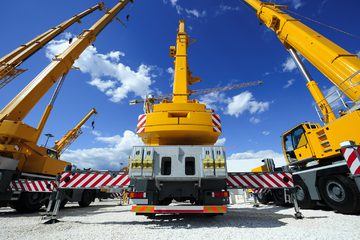
Stand on the edge of almost any major Australian construction site today—whether in Australia’s largest cities or its fast-growing regional corridors—and your eye is inevitably drawn skyward. There, above the noise and choreography of workers below, cranes move with a measured precision that belies the complexity of what they are doing. They are not merely tools of construction; they are, increasingly, instruments shaping how cities grow, densify, and adapt.
The evolving role of crane hire in modern Australian construction reflects a deeper shift in how infrastructure is planned and delivered. As urban density increases and project timelines tighten, the reliance on specialized lifting solutions—mobile crane hire, tower crane hire, and luffing crane hire among them—has become not just common, but essential. To understand contemporary construction in Australia is, in many ways, to understand how these machines—and the systems around them—are deployed.
The Changing Geometry of Construction
Australia’s built environment is undergoing a quiet transformation. Population growth, housing shortages, and infrastructure investment have converged to create a construction landscape that is both more vertical and more constrained. The sprawling, low-rise developments of previous decades are giving way to compact, multi-use precincts, particularly in cities like Sydney, Melbourne, and Brisbane.
This shift has fundamentally altered the demands placed on crane operations. In earlier eras, projects often had the luxury of space. Today, construction sites are frequently hemmed in by existing buildings, transport corridors, and public infrastructure. The crane is no longer just lifting materials; it is navigating a complex spatial puzzle.
This is where the distinctions between different types of crane hire become meaningful. Tower crane hire dominates the skyline of high-rise developments, offering the height and stability required for vertical construction. These cranes, anchored to the ground or integrated into the building structure itself, are designed for sustained, repetitive lifting over long project durations.
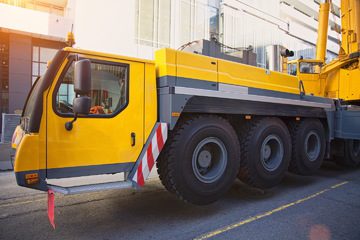
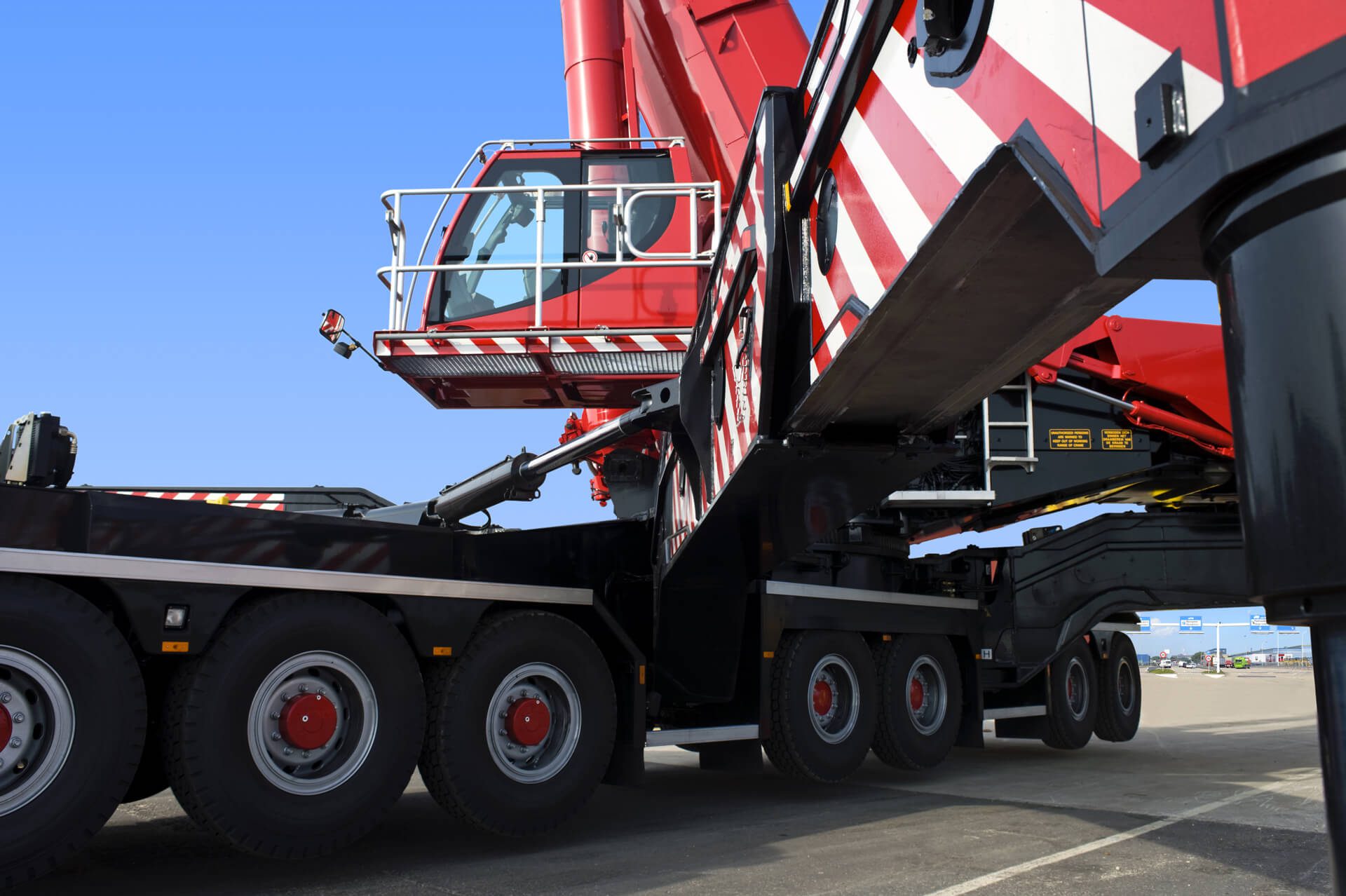
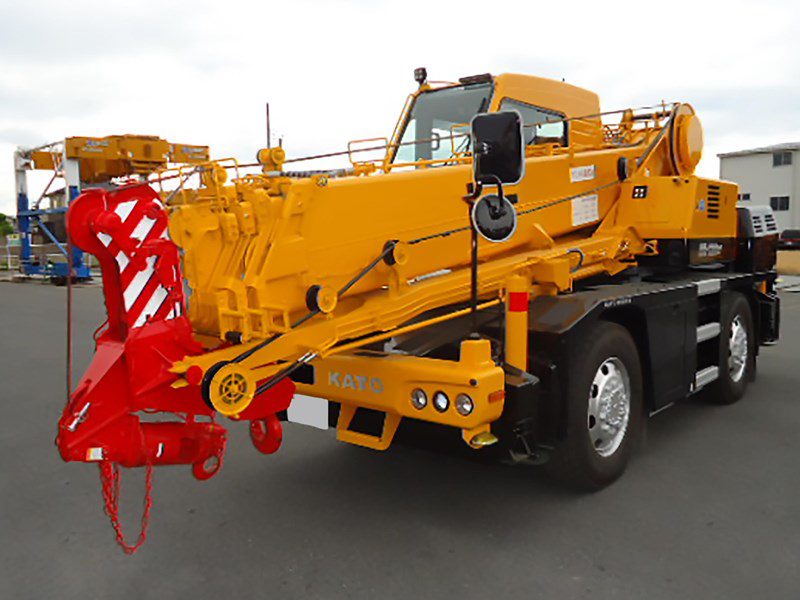
By contrast, mobile crane hire offers flexibility. Mounted on wheeled or tracked vehicles, mobile cranes can be deployed quickly and repositioned as needed. They are indispensable for infrastructure projects—bridges, roads, and utilities—where the worksite evolves over time.
Then there is luffing crane hire, a solution tailored to the tightest urban environments. Unlike traditional tower cranes with long, fixed jibs, luffing cranes can raise and lower their arms, allowing them to operate in confined airspace. In dense city centres, where multiple cranes may operate simultaneously, this ability to “luff” becomes not just advantageous but necessary.
Regional Growth and the Rise of Versatility
While much attention is focused on capital cities, regional areas are playing an increasingly significant role in Australia’s construction story. The Southern Highlands in New South Wales offers a useful example. Known for its blend of heritage towns and expanding residential developments, the region illustrates how construction needs are diversifying beyond metropolitan centres.
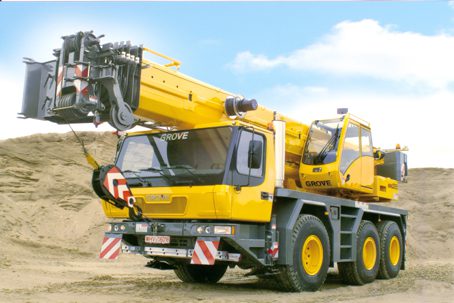
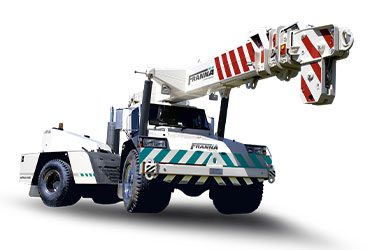
Here, all terrain crane hire southern highlands has emerged as a practical solution for varied and often challenging conditions. All-terrain cranes combine the mobility of truck-mounted cranes with the off-road capability needed for uneven or semi-rural landscapes. In regions where projects may range from boutique residential builds to infrastructure upgrades, this versatility is invaluable.
What makes all terrain cranes particularly relevant in such contexts is their ability to bridge the gap between urban precision and regional adaptability. They can travel on public roads at speed, then transition seamlessly to rougher terrain without the need for extensive setup. As regional growth accelerates—driven by migration patterns and government investment—such flexibility is becoming increasingly important.
Infrastructure Ambitions and Logistical Complexity
Australia’s infrastructure pipeline, spanning transport, energy, and public works, is both ambitious and logistically demanding. Major projects often involve multiple stakeholders, tight schedules, and complex engineering requirements. In this environment, crane hire is less about equipment and more about coordination.
Mobile crane hire, in particular, plays a critical role in these large-scale projects. Whether installing bridge segments, positioning precast concrete elements, or supporting rail construction, mobile cranes provide the adaptability needed to keep work moving. Their ability to be mobilized quickly and operate across different sections of a project makes them indispensable.
At the same time, the integration of different crane types within a single project has become more common. A high-rise development, for instance, might rely on tower crane hire for the main structure, while mobile cranes handle deliveries and specialized lifts. In constrained urban sites, luffing crane hire ensures that operations can continue without encroaching on neighboring properties or breaching airspace restrictions.
This layered approach reflects a broader trend: construction is no longer linear. It is dynamic, overlapping, and often simultaneous. Crane operations must adapt accordingly, requiring not just technical capability but careful planning and communication.
Safety as a Moving Target
If cranes are the visible symbols of construction, safety is its underlying discipline. In Australia, safety expectations around crane operations are among the most stringent in the world, shaped by regulatory frameworks and a strong culture of risk management.
Standards governing crane use have evolved significantly over time. Regulatory bodies and industry organizations have introduced stricter requirements for operator training, equipment maintenance, and site planning. These measures are not static; they continue to adapt in response to new technologies and emerging risks.
For crane hire providers, this means that compliance is not a one-time achievement but an ongoing process. Equipment must be regularly inspected and certified. Operators must maintain up-to-date qualifications. Sites must conduct detailed lift studies, assessing factors such as load weight, wind conditions, and ground stability.
What has changed in recent years is the level of integration between safety and technology. Digital tools now allow for more precise planning and monitoring of lifts. Sensors can provide real-time data on load limits and environmental conditions, reducing the margin for error. In some cases, remote monitoring systems enable off-site oversight, adding another layer of accountability.
Yet, despite these advancements, the human element remains central. The skill and judgment of crane operators, riggers, and site managers continue to be critical. Technology can inform decisions, but it cannot replace experience.
Innovation and the Future of Lifting
Technological innovation is reshaping the crane hire industry in ways that extend beyond safety. Automation, data analytics, and equipment design are all contributing to greater efficiency and precision.
Modern cranes are increasingly equipped with advanced control systems that enhance accuracy and reduce operator fatigue. GPS integration allows for precise positioning, while telematics systems provide insights into equipment performance and utilization. These developments are particularly valuable in complex projects, where even small efficiencies can translate into significant time and cost savings.
Environmental considerations are also influencing the evolution of crane hire. As Australia moves toward more sustainable construction practices, there is growing interest in reducing the carbon footprint of heavy equipment. Hybrid and electric crane models, while still emerging, point to a future where lifting operations are not only efficient but also environmentally conscious.
In urban environments, noise and emissions are becoming as important as lifting capacity. Luffing crane hire, already valued for its spatial efficiency, is also benefiting from quieter operation and reduced impact on surrounding communities. Similarly, mobile crane hire providers are exploring ways to optimize fuel use and minimize idle time.
The Quiet Architects of Urban Form
It is easy to overlook cranes once a building is complete. They disappear as quickly as they arrive, leaving behind no trace of their presence. Yet their influence is embedded in the very fabric of the built environment.
Every high-rise tower, every piece of infrastructure, every carefully constructed urban space owes something to the capabilities of modern crane hire. The choice between tower crane hire, mobile crane hire, and luffing crane hire is not merely technical; it shapes how projects are designed and executed.
In regions like the Southern Highlands, all terrain crane hire southern highlands reflects a broader narrative of adaptability and growth. In city centres, luffing cranes enable construction in spaces that would otherwise be unworkable. Across the country, mobile cranes keep infrastructure projects moving, while tower cranes define the skyline.
The story of crane hire in Australia is, ultimately, a story about how cities are built under pressure—pressure of space, time, cost, and expectation. It is about finding ways to do more with less, to build higher without expanding outward, to deliver complex projects safely and efficiently.
And it is about recognizing that behind every skyline, there is a network of decisions, technologies, and expertise that make it possible. The cranes may be temporary, but their impact is anything but.