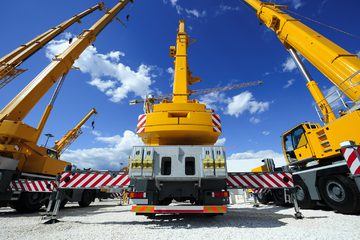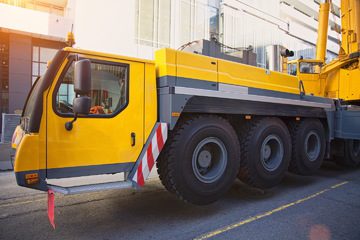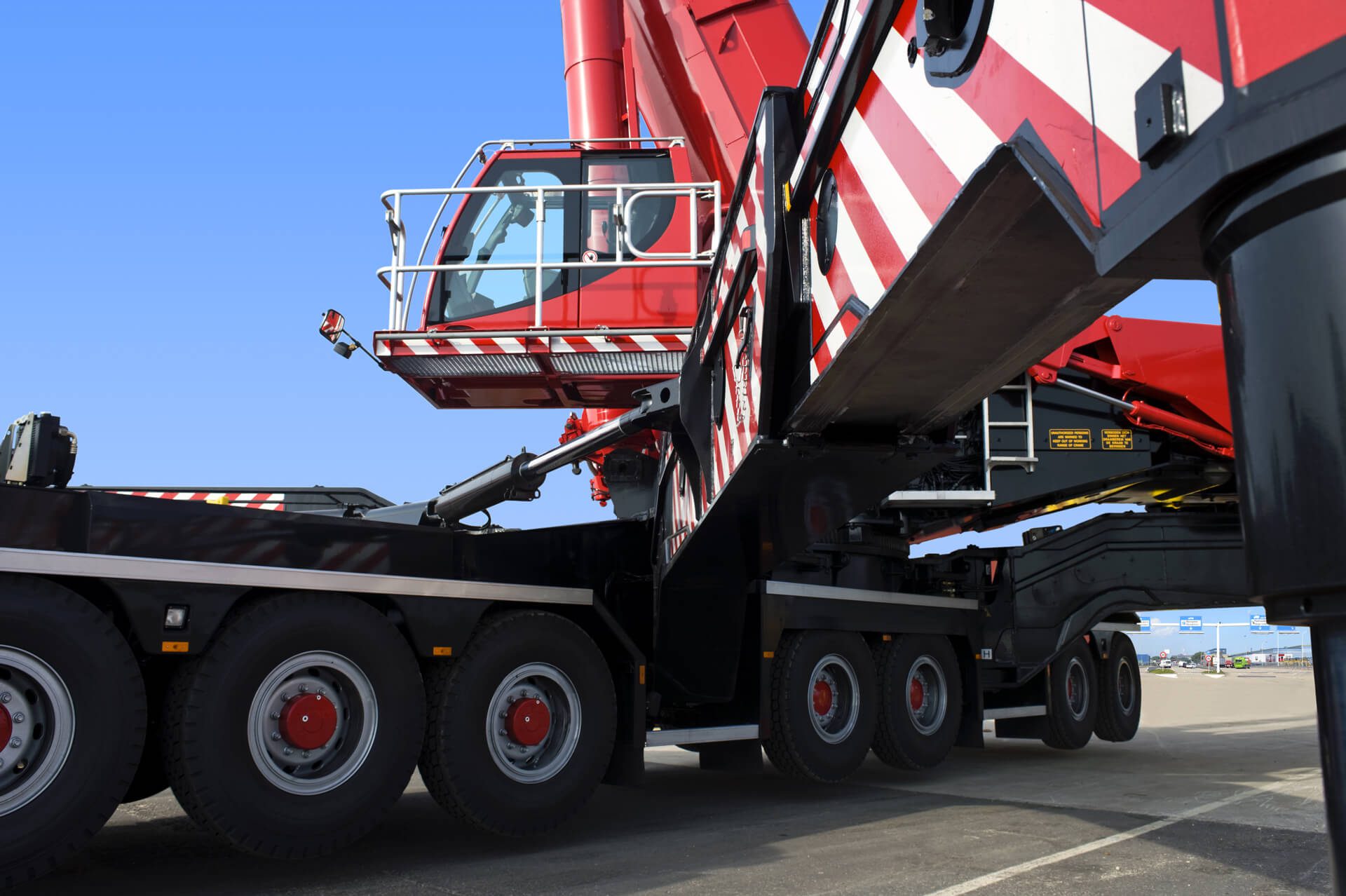
Walk through any rapidly developing pocket of Australia—from inner-city precincts to expanding regional corridors—and you begin to notice a pattern. Construction is no longer just happening; it is being orchestrated. Materials arrive with precision, structures rise in tightly managed sequences, and above it all, cranes move with deliberate calm. These machines, often taken for granted, have become fundamental to how Australian cities are evolving.
The growing importance of crane hire in modern construction reflects a deeper shift in urban development. Projects are more complex, land is more constrained, and expectations around efficiency and safety are higher than ever. In this environment, decisions about lifting equipment—whether mobile crane hire, tower crane hire, or luffing crane hire—carry weight far beyond logistics. They influence design, timelines, and even the feasibility of building in certain locations.
A Denser, More Demanding Built Environment
Australia’s cities are changing shape. In places like Sydney and Melbourne, the push toward higher-density living has accelerated over the past decade. Housing demand, infrastructure investment, and urban planning policies have all contributed to a shift away from horizontal sprawl toward vertical expansion.
This transition is not simply architectural; it is logistical. Building upward requires a different kind of coordination, one that relies heavily on the strategic use of cranes. Tower crane hire, for example, has become synonymous with high-rise construction. These cranes are designed to remain fixed for long periods, supporting the steady rhythm of vertical building. Their reach and stability make them ideal for lifting heavy materials to great heights, often in environments where ground space is limited.
But urban density introduces constraints that go beyond height. Construction sites are increasingly surrounded by existing buildings, busy roads, and public infrastructure. In such settings, the airspace above a site becomes just as important as the ground below it.
This is where luffing crane hire comes into play. Unlike traditional tower cranes, luffing cranes can adjust the angle of their jibs, allowing them to operate within tighter boundaries. In crowded city centres, where multiple projects may be unfolding side by side, this flexibility is critical. It enables construction to proceed without interfering with neighbouring properties, a growing concern in densely populated areas.
Infrastructure at Scale, Flexibility on Demand
While high-rise developments capture public attention, much of Australia’s construction activity is focused on infrastructure—transport networks, energy systems, and public facilities that underpin daily life.
These projects present a different set of challenges. They are often spread across large areas, involve multiple phases, and require equipment that can adapt to changing conditions. This is where mobile crane hire becomes indispensable.
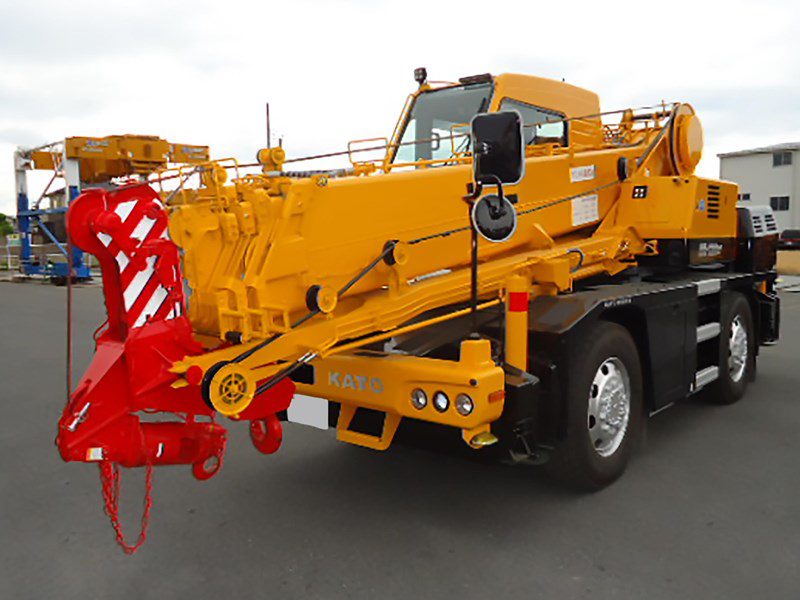
Mobile cranes, mounted on wheels or tracks, offer a level of flexibility that fixed cranes cannot match. They can be deployed quickly, repositioned as needed, and used across different parts of a project. Whether lifting bridge segments, installing utilities, or supporting rail construction, mobile cranes provide the agility required to keep large-scale projects moving.
Their importance lies not only in what they can lift, but in how they can be used. Infrastructure projects rarely follow a simple, linear path. They evolve, often requiring adjustments in sequencing and execution. Mobile crane hire allows construction teams to respond to these changes without significant delays, making it a cornerstone of modern project management.
Regional Growth and the Role of All-Terrain Solutions
The narrative of Australian construction is not confined to its major cities. Regional areas are experiencing their own forms of growth, driven by population shifts, lifestyle changes, and government investment in infrastructure.
The Southern Highlands in New South Wales offers a useful lens through which to view this trend. Known for its blend of rural landscapes and expanding townships, the region is seeing a steady increase in construction activity.
Projects here often differ from those in urban centres. Sites may be less constrained by surrounding buildings but present other challenges—uneven terrain, limited access, and varying ground conditions. In this context, all terrain crane hire southern highlands becomes particularly relevant.
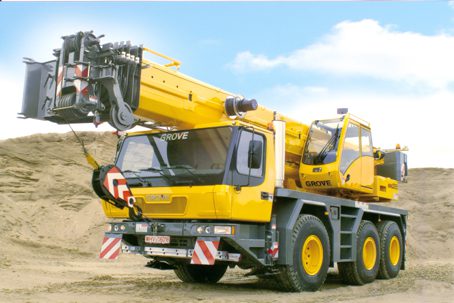
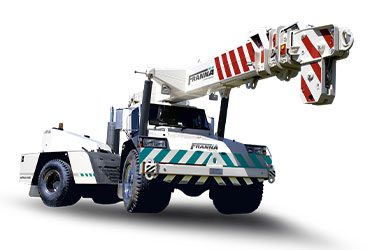
All-terrain cranes are designed to operate across a wide range of environments. They can travel on public roads and transition to off-road conditions without requiring significant setup. This versatility makes them well suited to regional projects, where conditions can change from one site to another.
Their role highlights an important point: crane hire is not a one-size-fits-all solution. It is a tailored response to specific environmental and logistical conditions. As regional development continues to expand, the demand for adaptable equipment is likely to grow alongside it.
Safety in an Era of Complexity
As construction projects become more ambitious, the expectations around safety have intensified. Australia has long maintained high standards in this area, but the complexity of modern projects has pushed the industry to evolve further.
Crane operations, by their nature, involve significant risk. Lifting heavy loads in dynamic environments requires careful planning, precise execution, and constant monitoring. Regulatory frameworks in Australia reflect this reality, setting strict requirements for operator training, equipment maintenance, and site management.
These frameworks have developed over time, shaped by both industry experience and technological progress. Today, safety is integrated into every stage of crane operations, from initial planning to final execution.
For example, before a lift takes place, detailed assessments are conducted to evaluate factors such as load weight, wind conditions, and ground stability. These assessments are particularly critical for mobile crane hire, where conditions can vary significantly from one location to another.
In high-rise construction, tower and luffing cranes are subject to continuous monitoring, especially in relation to wind speeds and structural loads. Advances in technology have enhanced this process, allowing for real-time data collection and analysis.
Yet, despite these innovations, the human element remains central. Skilled operators and engineers play a crucial role in interpreting data, making decisions, and ensuring that safety protocols are followed. Technology can support these efforts, but it cannot replace the experience and judgement required in complex lifting operations.
Technology and the Changing Nature of Work
The integration of technology into crane operations is reshaping not only how projects are executed, but also how they are planned.
Digital modelling tools now allow construction teams to simulate crane movements before equipment is even delivered to site. This capability is particularly valuable in dense urban environments, where space constraints require careful coordination.
For projects using tower crane hire or luffing crane hire, these simulations can help determine optimal crane placement, minimize interference with surrounding structures, and improve overall efficiency. The result is a more predictable and controlled construction process.
Mobile crane hire is also benefiting from technological advancements. Telematics systems provide insights into equipment performance, fuel usage, and maintenance needs. These data-driven approaches enable more efficient use of resources and reduce downtime.
Environmental considerations are becoming increasingly important as well. The construction industry faces growing pressure to reduce its environmental impact, and crane operations are part of that equation. Efforts to improve fuel efficiency, reduce emissions, and minimize noise are shaping the next generation of lifting equipment.
In urban settings, where construction takes place in close proximity to residential and commercial areas, these improvements are not merely desirable—they are necessary.
The Unseen Influence on Urban Form
Cranes are temporary by design. They arrive, perform their function, and then disappear, leaving behind buildings, bridges, and infrastructure that define the urban landscape.
Yet their influence is lasting.
The choice between mobile crane hire, tower crane hire, and luffing crane hire affects how projects are designed and executed. It determines what can be built within the constraints of a site, how quickly construction can progress, and how safely operations can be carried out.
In regions like the Southern Highlands, all terrain crane hire southern highlands reflects a broader trend toward flexibility and adaptability. In dense city centres, luffing cranes enable construction in spaces that would otherwise be too constrained. Across the country, mobile cranes support the infrastructure that connects and sustains communities.
Taken together, these elements form a quiet but powerful narrative about modern Australia. Cities are not just growing; they are being carefully assembled, piece by piece, through a combination of planning, technology, and skilled execution.
And above it all, cranes continue their work—steady, precise, and largely unnoticed—shaping the spaces in which Australians live, work, and move.