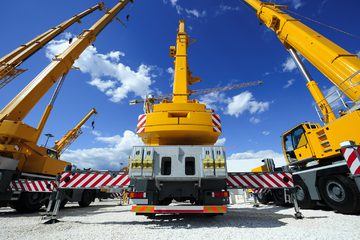
Stand on the edge of almost any Australian city today—Sydney, Melbourne, Brisbane—and your eye is inevitably drawn upward. Steel arms stretch across skylines, pivoting with a kind of deliberate grace. Cranes have always signaled growth, but in contemporary Australia, they do more than mark construction. They reveal something deeper about how cities are evolving: denser, taller, more constrained, and increasingly complex.
At the center of this transformation sits a largely underexamined force—crane hire. Not the machinery itself, but the system of access, specialization, and mobility that allows developers to match the right lifting solution to the right environment. In a country where geography, regulation, and urban density collide in unique ways, the evolution of crane hire is quietly shaping the built environment.
The Shift from Ownership to Access
Historically, large construction firms owned their heavy equipment outright. Today, that model is giving way to something more flexible. The rise of mobile crane hire and other specialized services reflects a broader shift in construction economics: access over ownership.
This isn’t just about cost, though cost certainly matters. It’s about adaptability. A high-rise development in central Sydney has vastly different requirements from a highway expansion in regional New South Wales. Hiring allows contractors to deploy precisely what they need, when they need it, without the burden of maintaining a fleet that may sit idle between projects.
In this sense, crane hire has become an enabling infrastructure—an invisible layer that supports visible progress.
Different Cranes for Different Cities
To understand how crane hire fits into modern construction, it helps to consider the diversity of crane types and their roles across different project environments.
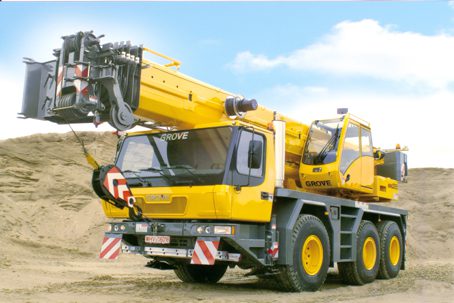
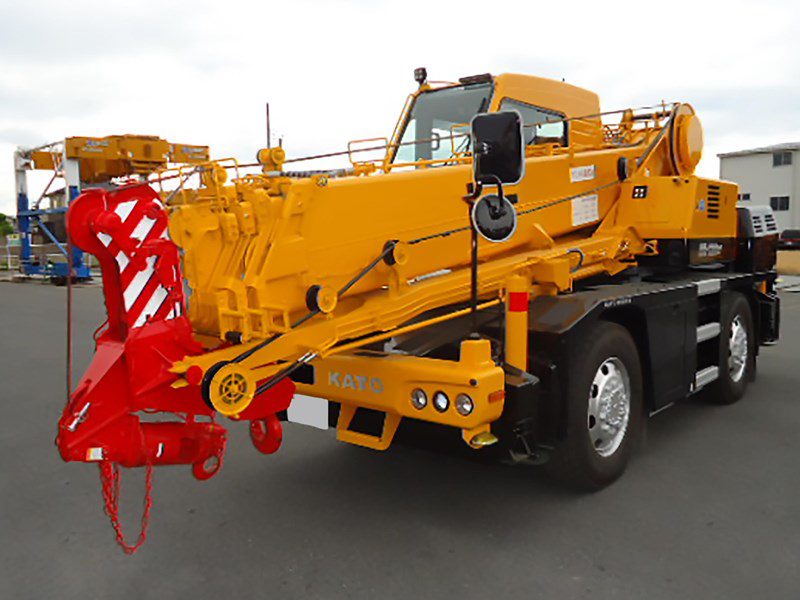
On large-scale infrastructure projects—think rail corridors, bridges, or wind farms—mobile crane hire dominates. These cranes are designed for flexibility. Mounted on wheels, they can travel between sites and set up relatively quickly. In Australia’s vast and often remote landscapes, that mobility is not just convenient; it’s essential. Projects spread across long distances require equipment that can move with the work.
Urban construction tells a different story. In dense city centers, where space is limited and vertical growth is the only option, tower crane hire becomes indispensable. These cranes are fixed to the ground or integrated into the structure itself, rising alongside the building as it climbs. They provide the height and lifting capacity needed for high-rise developments, but they also demand careful planning. Installing and dismantling a tower crane in a tight urban environment is a logistical exercise that rivals the construction project itself.
Then there are the most constrained environments of all—inner-city sites hemmed in by existing buildings, narrow streets, and strict planning regulations. Here, luffing crane hire comes into play. Unlike traditional tower cranes with long horizontal jibs, luffing cranes can raise and lower their arms, reducing their swing radius. This makes them particularly suited to areas where oversailing neighboring properties is restricted.
Each of these crane types reflects a different set of urban challenges. Together, they form a toolkit that allows construction to proceed even as cities become more crowded and complex.
Sydney as a Case Study in Constraint
If one city encapsulates these dynamics, it is Sydney. With its combination of high land values, strict planning controls, and a growing population, Sydney has become a laboratory for vertical urbanism.
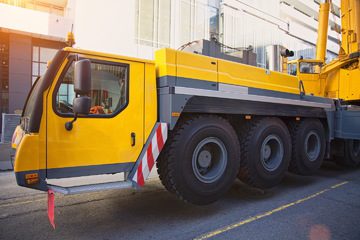
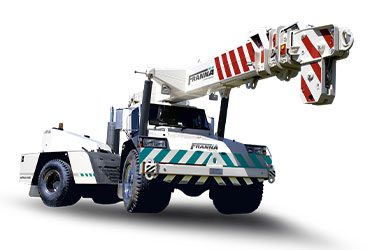
In this context, all terrain crane hire Sydney services occupy a crucial niche. These cranes blend the mobility of truck-mounted cranes with the lifting power of larger, more static machines. They are particularly useful for projects that require heavy lifts in locations where space is limited but not entirely constrained—think mid-rise developments, infrastructure upgrades, or complex retrofits.
What makes all-terrain cranes distinctive is their ability to operate across varied surfaces and conditions. Sydney’s topography, with its mix of dense urban cores and uneven suburban landscapes, demands this kind of versatility. A crane that can transition from a highway to a construction site without extensive reconfiguration offers a practical advantage.
But the significance of these cranes extends beyond their technical capabilities. They represent a broader trend toward hybrid solutions—machines that bridge the gap between mobility and power, between flexibility and specialization.
Safety as a Moving Target
As cranes have become more integral to urban development, the expectations around safety have evolved in parallel. Australia’s regulatory framework, shaped by agencies such as Safe Work Australia, is among the most stringent in the world. Yet regulation alone does not define safety; it sets the baseline.
In practice, safety in crane operations is a dynamic process. It involves continuous risk assessment, operator training, and the integration of new technologies. Modern cranes are equipped with advanced load monitoring systems, anti-collision technology, and real-time diagnostics. These features not only reduce the likelihood of accidents but also improve efficiency by allowing operators to work with greater precision.
The complexity of urban construction amplifies these concerns. When a tower crane swings over a busy street or a luffing crane operates within meters of neighboring buildings, the margin for error narrows considerably. In such environments, safety becomes less about compliance and more about coordination—between crane operators, site managers, engineers, and even local authorities.
This collaborative approach reflects a broader shift in the industry. Safety is no longer viewed as a constraint on productivity but as a prerequisite for it.
Technology and the Changing Nature of Work
Technological advancement is reshaping not only the machines themselves but also the way they are used. Digital planning tools now allow construction teams to simulate crane operations before a single component is installed. These simulations can identify potential conflicts, optimize crane placement, and reduce downtime.
Remote monitoring is another area of rapid development. Fleet managers can track crane performance in real time, identifying maintenance needs before they become critical issues. For companies offering mobile crane hire, this level of oversight translates into greater reliability and responsiveness.
Automation, while still in its early stages, is beginning to influence the sector as well. Semi-autonomous crane operations, guided by sensors and software, have the potential to reduce human error and improve efficiency. However, they also raise questions about the future of skilled labor in an industry that has traditionally relied on experienced operators.
In Australia, where labor shortages are an ongoing concern, these technologies may serve as both a solution and a challenge. They can alleviate pressure by increasing productivity, but they also require a workforce that is comfortable with digital tools and continuous learning.
The Pressure of Urban Density
Underlying all these developments is a simple but powerful force: urban density. As Australian cities grow, they are doing so within increasingly fixed boundaries. This means building upward, building closer together, and often building around existing structures.
Crane hire sits at the intersection of these pressures. It enables construction in environments that would otherwise be prohibitively difficult. Without tower crane hire, the modern skyline would look very different. Without luffing crane hire, many inner-city projects would be impossible. Without mobile crane hire, the infrastructure that connects cities would be far harder to deliver.
In this sense, cranes are not just tools; they are facilitators of urban form. They make certain kinds of development feasible and, by doing so, influence the shape of cities themselves.
A Quiet but Pivotal Industry
Despite its importance, crane hire rarely enters public conversation. It operates behind the scenes, overshadowed by the more visible aspects of construction—architectural design, engineering feats, or the finished buildings themselves.
Yet its impact is undeniable. The flexibility it provides allows projects to adapt to changing conditions. The specialization it offers ensures that each task can be performed with the appropriate equipment. And the innovation it embraces continues to push the boundaries of what is possible in construction.
As Australia faces the twin challenges of population growth and urban sustainability, the role of crane hire is likely to become even more significant. Building smarter, denser, and more efficient cities will depend not only on visionary planning but also on the practical ability to execute complex निर्माण projects in constrained environments.
In the end, the cranes that dot the skyline are more than symbols of growth. They are instruments of transformation, quietly enabling the evolution of Australia’s cities—one lift at a time.