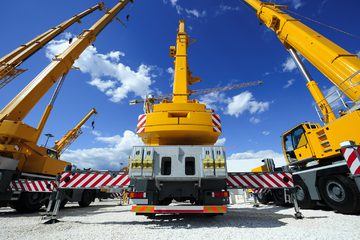
Stand in almost any growing Australian city and look up. What you’ll notice—beyond the glass towers and half-finished structures—is the quiet choreography of cranes. They pivot, lift, and hold steady against the skyline, performing a kind of industrial ballet that most people rarely think about. Yet behind these machines lies an evolving industry that is deeply intertwined with how Australia builds, expands, and reimagines its urban spaces.
Crane hire, once a straightforward logistical service, has become something far more dynamic. It now sits at the intersection of infrastructure demand, urban density, regulatory oversight, and technological change. To understand modern construction in Australia is, in many ways, to understand the changing role of cranes—and the decisions that determine which crane is used, where, and why.
The Quiet Backbone of Urban Growth
Australia’s cities are growing both outward and upward. Population increases, housing shortages, and infrastructure investment have pushed construction into new territory—denser, taller, and often more complex. In this environment, crane hire is no longer just about lifting heavy materials; it’s about enabling entire projects to exist within tight physical and logistical constraints.
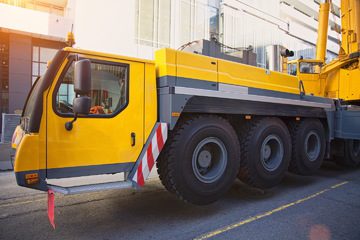
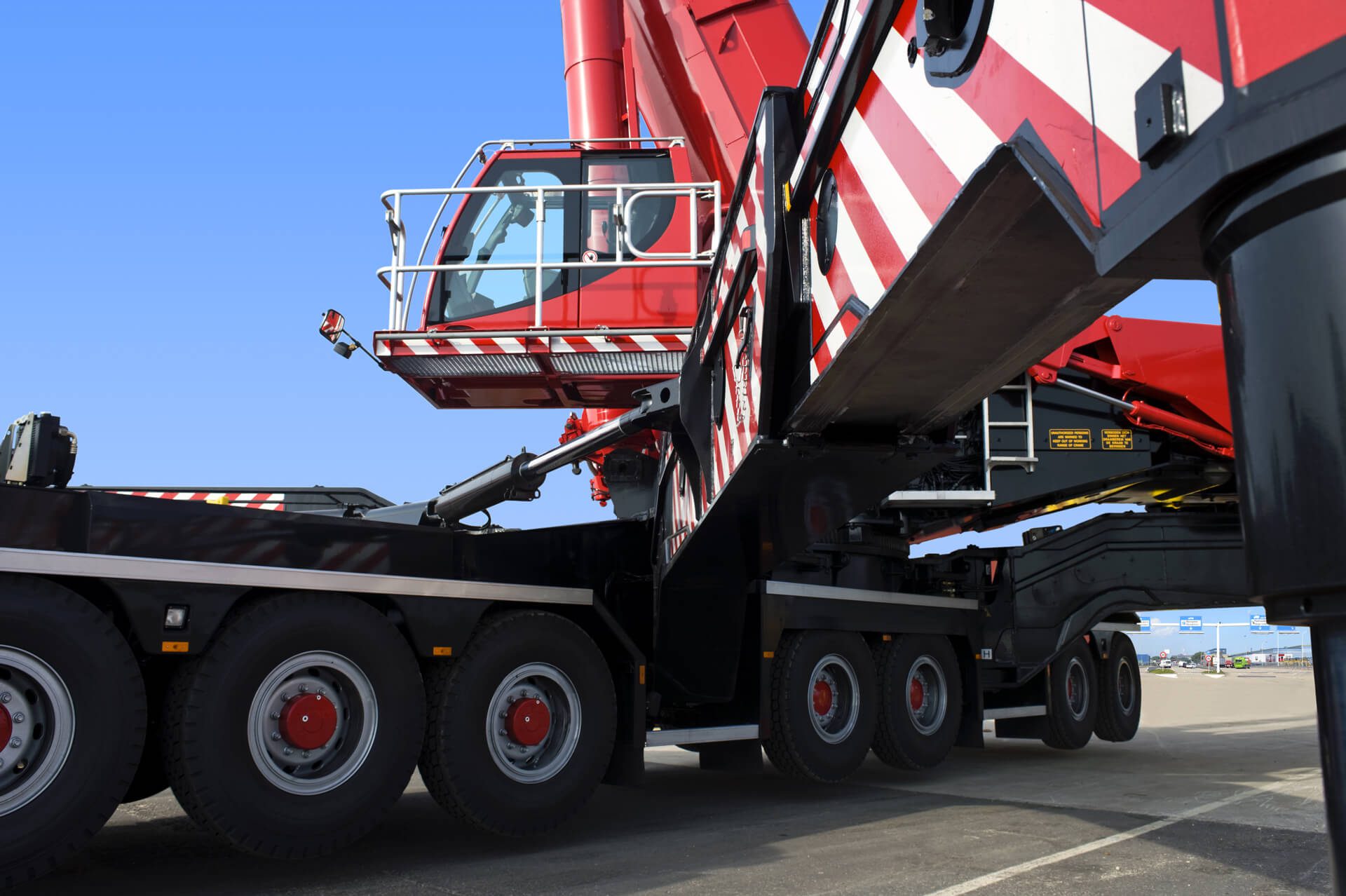
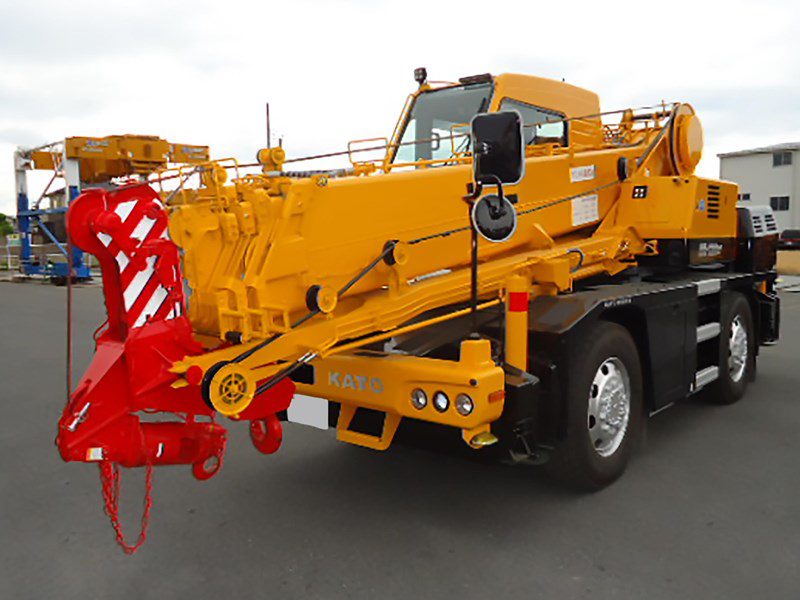
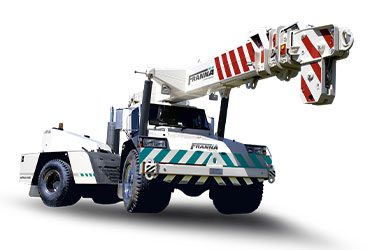
Consider the rise of mobile crane hire. These cranes offer flexibility that fixed systems cannot. They can be transported quickly between sites, set up with relative speed, and adapted to a wide range of lifting tasks. In sprawling suburban developments or infrastructure upgrades—such as road expansions or utility installations—mobile cranes often become the first and last machines on site.
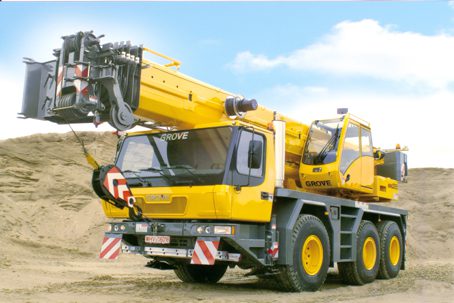
Their importance is especially visible in regions like Western Sydney, where rapid growth has created a patchwork of construction zones. The phrase all terrain crane hire western Sydney reflects more than a niche service; it signals a response to varied ground conditions, evolving project scales, and the need for equipment that can transition seamlessly between urban streets and less developed terrain. These cranes are designed to handle uneven surfaces while still delivering the lifting capacity required for large components, making them indispensable in areas where development is both fast-paced and uneven.
Building Upward: Tower Cranes and the Vertical City
If mobile cranes represent flexibility, tower crane hire represents permanence—at least temporarily. Tower cranes dominate high-rise construction, where vertical reach and sustained lifting capacity are essential. They are assembled piece by piece, often climbing alongside the very structures they help build.
Their presence reflects a broader shift in Australian cities toward vertical living. As land becomes scarce and expensive, developers are building higher rather than wider. Tower cranes make this possible, not just by lifting materials, but by doing so repeatedly, efficiently, and with precision over extended periods.
Yet their use also introduces complexity. Installing a tower crane requires careful planning, from engineering assessments to airspace considerations. Once in place, it becomes a fixed part of the construction ecosystem, dictating workflows and timelines. In dense urban environments like Sydney or Melbourne, where multiple high-rise projects may operate simultaneously, coordinating these cranes becomes a challenge in itself.
Navigating Tight Spaces: The Rise of Luffing Cranes
As cities grow denser, space becomes the defining constraint. This is where luffing crane hire enters the conversation. Unlike traditional tower cranes with long horizontal jibs, luffing cranes can raise and lower their arms, allowing them to operate in confined spaces without overswinging into neighboring properties.
Their increasing use reflects a subtle but important shift in urban construction. Projects are no longer isolated; they are embedded within existing neighborhoods, often surrounded by other buildings, roads, and active businesses. In such environments, the ability to control a crane’s movement with precision is not just advantageous—it’s essential.
Luffing cranes also highlight how crane hire has adapted to community expectations. Noise, safety, and visual impact are now part of the planning process. Developers and contractors must consider not only what can be built, but how construction affects those living and working nearby. The choice of crane, in this sense, becomes a social as well as a technical decision.
Safety, Regulation, and the Weight of Responsibility
Behind every lift is a framework of safety standards that has grown increasingly rigorous over time. Australia’s construction industry operates under strict regulatory oversight, with guidelines that govern everything from crane operation to operator certification and site management.
This emphasis on safety is not accidental. Cranes are powerful machines, capable of lifting enormous loads, but also capable of causing significant harm if mismanaged. Over the years, incidents have led to tighter controls, improved training requirements, and more robust inspection regimes.
Today, crane hire companies must navigate a complex landscape of compliance. Operators require specialized licenses, equipment must undergo regular maintenance and certification, and sites must adhere to detailed safety plans. These measures can slow down projects and increase costs, but they also reflect a broader cultural shift toward accountability and risk management.
At the same time, technology is playing an increasingly important role in enhancing safety. Sensors, real-time monitoring systems, and automated controls are helping operators make more informed decisions. Some cranes now feature load moment indicators and anti-collision systems, reducing the likelihood of human error in high-pressure environments.
Technology and the Changing Nature of Work
The integration of technology into crane operations is reshaping not just how cranes function, but how people interact with them. Digital planning tools allow engineers to simulate lifts before they happen, identifying potential issues and optimizing workflows. Remote monitoring enables supervisors to track performance and safety metrics in real time.
These advancements are gradually transforming the role of crane operators. While skill and experience remain crucial, there is an increasing emphasis on data literacy and system awareness. Operators are no longer just controlling machines; they are interpreting information, responding to alerts, and working within digitally coordinated environments.
This shift also raises questions about the future of labor in the industry. As automation becomes more sophisticated, some tasks may become less reliant on manual input. Yet the complexity of construction sites suggests that human judgment will remain indispensable, particularly in unpredictable or high-risk situations.
Infrastructure, Pressure, and the Road Ahead
Australia’s infrastructure pipeline shows no signs of slowing down. Major transport projects, renewable energy developments, and urban renewal initiatives are driving sustained demand for crane hire services. At the same time, the industry faces pressures that extend beyond construction itself.
Supply chain disruptions, rising costs, and environmental considerations are all shaping how projects are planned and executed. Crane hire companies must adapt to these challenges, balancing efficiency with sustainability and cost control.
Environmental concerns, in particular, are beginning to influence equipment choices. Fuel efficiency, emissions, and noise levels are becoming part of procurement decisions. While cranes have traditionally been evaluated primarily on lifting capacity and reach, there is growing interest in how they align with broader sustainability goals.
More Than Machines
It is easy to think of cranes as tools—mechanical solutions to logistical problems. But in modern Australia, they are something more. They are enablers of density, facilitators of infrastructure, and, in many ways, symbols of growth.
From the adaptability of mobile crane hire to the
permanent presence of tower cranes and the precision of luffing systems, each type reflects a different aspect of the challenges facing contemporary construction. Together, they form a network of capabilities that allows cities to expand, evolve, and respond to changing needs.
The next time you see a crane on the skyline, it is worth pausing for a moment. Not just to watch the movement of steel against the sky, but to consider the system behind it—the decisions, constraints, and innovations that make that movement possible. In that sense, cranes are not just lifting materials. They are lifting the future shape of Australia’s cities.