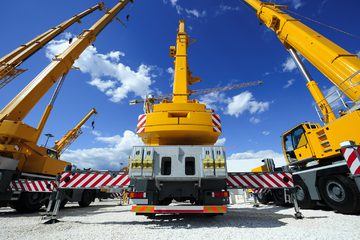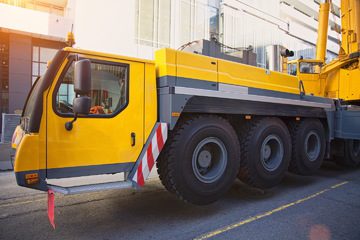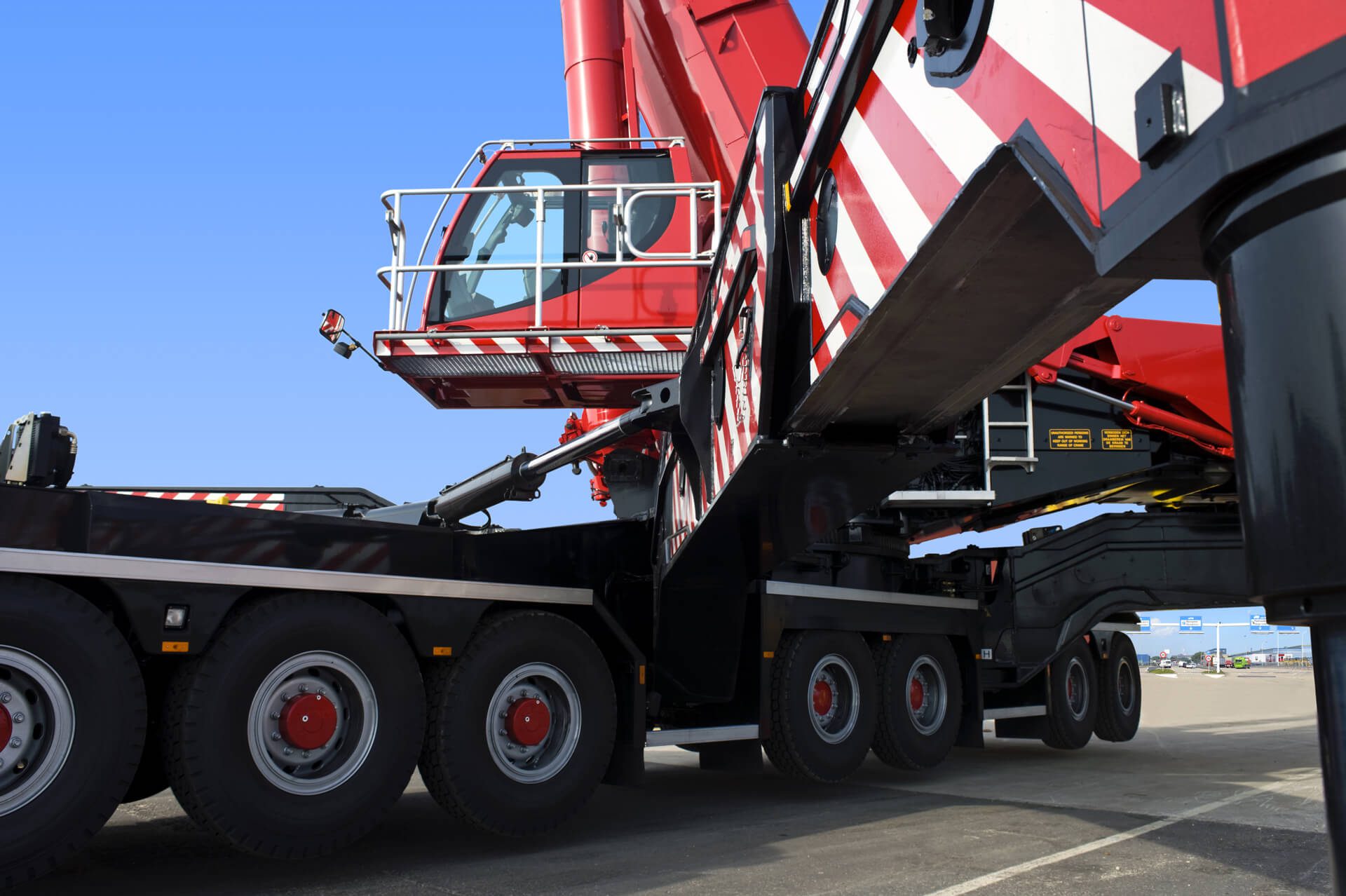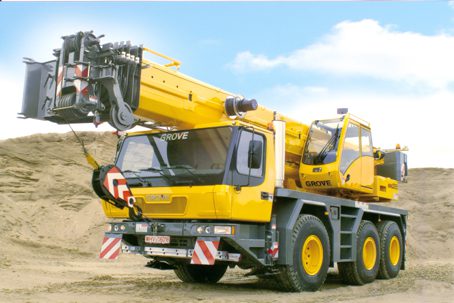
Look closely at the skyline of any growing Australian city and you begin to notice a pattern—not just in the buildings themselves, but in the machinery that surrounds them. Cranes, in their many forms, hover over construction sites with quiet authority. They are so familiar that they risk becoming invisible. Yet the story of modern Australian development cannot be told without them, and more specifically, without the evolving ecosystem of crane hire that determines how, where, and at what pace construction unfolds.
What has changed in recent years is not merely the scale of building activity, but its complexity. Urban growth is no longer a matter of expanding outward; it is increasingly about building within constraints—limited space, stricter regulations, and rising expectations around safety and efficiency. In this environment, crane hire has become less about equipment rental and more about strategic alignment with the realities of modern construction.
A City in Motion: Why Crane Hire Matters More Than Ever
Australia’s construction landscape is being reshaped by competing pressures. Population growth continues to drive demand for housing and infrastructure, while urban density limits the availability of space. The result is a construction environment that is both busier and more constrained than in previous decades.
This is where crane hire steps in as a critical enabler. Different types of cranes are no longer interchangeable tools; they are tailored responses to specific challenges. The rise of mobile crane hire, tower crane hire, and luffing crane hire reflects an industry adapting to varied and often overlapping demands.
In practical terms, this means that the success of a project increasingly depends on choosing the right crane for the right context. That choice can influence timelines, costs, safety outcomes, and even the feasibility of a project itself.
Western Sydney as a Case Study in Complexity
To understand how these dynamics play out, it helps to look at Western Sydney, one of the fastest-growing regions in the country. Here, infrastructure expansion—roads, rail lines, and utilities—intersects with large-scale residential development. The terrain varies, access can be limited, and projects often unfold alongside active communities.
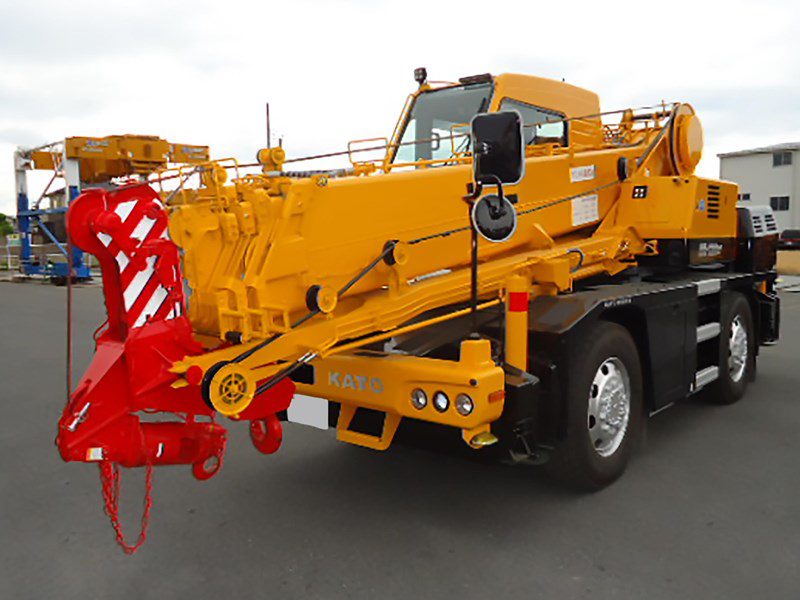
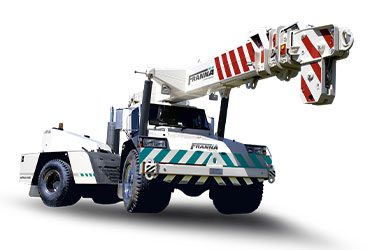
Within this setting, the concept of all terrain crane hire western Sydney takes on particular significance. These cranes are designed to navigate both urban streets and less stable ground conditions, offering a level of versatility that is difficult to replicate. They can move between sites with relative ease, adapt to uneven surfaces, and handle substantial lifting tasks without requiring extensive setup.
This flexibility is not simply a convenience. It allows projects to proceed in environments where traditional equipment might struggle, effectively unlocking development potential in areas that are still in transition. In this sense, all-terrain cranes are not just responding to growth—they are helping to make it possible.
Mobility and Adaptability: The Expanding Role of Mobile Cranes
The broader category of mobile crane hire reflects a shift toward adaptability in construction practices. Mobile cranes are, by design, transient. They can be deployed quickly, perform specific tasks, and then move on to the next site. This makes them particularly well suited to infrastructure projects that span large areas or evolve in stages.
Their role is especially visible in projects such as highway upgrades or utility installations, where work progresses incrementally across different locations. A mobile crane can lift heavy components into place, relocate, and repeat the process without the need for permanent installation.
But their impact goes beyond logistics. The availability of mobile cranes influences how projects are planned from the outset. Engineers and project managers can design workflows that take advantage of this mobility, reducing downtime and improving efficiency. In doing so, they are not just using cranes—they are integrating them into the very logic of construction.
Building Upward: Tower Cranes and the Vertical Imperative
While mobile cranes emphasize movement, tower crane hire is about stability and height. These cranes are synonymous with high-rise construction, where their ability to lift materials to great heights over extended periods is indispensable.
Australia’s major cities have increasingly embraced vertical development as a response to land scarcity and rising property values. Apartment towers, office buildings, and mixed-use developments now dominate many urban centers, and tower cranes are central to their construction.
Installing a tower crane is a significant undertaking. It requires careful planning, from structural considerations to regulatory approvals. Once in place, it becomes a fixed element of the site, shaping the sequence of construction activities.
In dense urban environments, multiple tower cranes may operate in close proximity, requiring precise coordination to avoid conflicts. This level of complexity underscores how crane hire has evolved into a highly specialized field, where technical expertise and strategic planning go hand in hand.
Precision in Tight Spaces: The Growing Importance of Luffing Cranes
As cities become more crowded, the challenges of construction are no longer just vertical—they are spatial. Building in tight urban environments requires equipment that can operate within narrow boundaries without compromising safety or efficiency.
This is where luffing crane hire has gained traction. Unlike traditional tower cranes with fixed horizontal arms, luffing cranes can adjust the angle of their jib, allowing for greater control in confined spaces. This makes them particularly valuable in inner-city projects, where adjacent buildings, roads, and public spaces limit the available working area.
Their use reflects a broader shift in how construction interacts with the surrounding environment. Projects must now account for their impact on neighboring properties and communities, from physical safety to visual intrusion. Luffing cranes offer a way to navigate these constraints, enabling development to proceed with minimal disruption.
Safety and Regulation: An Evolving Framework
The increasing complexity of crane operations has been accompanied by a corresponding evolution in safety standards. Australia’s regulatory framework is designed to manage the risks associated with heavy lifting, and it continues to adapt in response to new challenges.
Crane hire companies must comply with strict requirements covering equipment maintenance, operator training, and site management. Operators are required to hold specific licenses, and cranes must undergo regular inspections to ensure they meet safety standards.
These regulations are not static. They reflect lessons learned from past incidents, as well as ongoing efforts to improve safety outcomes. There is now a stronger emphasis on proactive risk management, with detailed planning and monitoring integrated into every stage of a project.
Technology is playing an increasingly important role in this process. Modern cranes are equipped with systems that provide real-time data on load conditions, stability, and potential hazards. Features such as anti-collision systems and automated alerts help operators make informed decisions, reducing the likelihood of accidents.
Technology and the Future of Crane Operations
The integration of digital technology into crane hire is reshaping the industry in subtle but significant ways. Planning tools allow engineers to simulate lifts before they occur, identifying potential issues and optimizing strategies. Sensors and telematics provide continuous feedback, enabling more precise control and oversight.
For crane operators, this means a shift in the nature of their work. While manual skill remains essential, there is an increasing reliance on data and technology. Operators must interpret information, respond to system alerts, and work within digitally coordinated environments.
At the same time, innovation is influencing the design of cranes themselves. Manufacturers are exploring ways to improve efficiency, reduce environmental impact, and enhance safety features. These developments are driven by a combination of technological possibility and external pressures, including sustainability goals and cost considerations.
Beyond Machinery: Cranes as Agents of Change
It is easy to think of cranes as tools—necessary but ultimately secondary to the buildings they help create. Yet in modern Australia, they play a more active role in shaping the built environment. The availability and capabilities of crane hire influence what can be built, where it can be built, and how quickly projects can be completed.
The interplay between mobile crane hire, tower crane hire, and luffing crane hire reflects the diversity of challenges facing contemporary construction. Each type of crane addresses a different set of conditions, from expansive infrastructure projects to tightly constrained urban sites.
In regions like Western Sydney, the use of all-terrain cranes illustrates how specialized equipment can enable development in complex environments. More broadly, the evolution of crane hire highlights the industry’s capacity to adapt to changing demands.
A Subtle but Lasting Impact
Cranes may not attract the same attention as the buildings they help create, but their influence is profound. They are embedded in the processes that define modern construction, shaping the pace and possibilities of urban development.
As Australia continues to grow and evolve, the role of crane hire is likely to become even more significant. The challenges of density, infrastructure, and sustainability will demand new solutions, and cranes—adaptable, precise, and increasingly sophisticated—will remain at the center of that effort.
To watch a crane at work is to witness a small part of a much larger story. It is a story about how cities are built, how they change, and how the tools we use quietly shape the world around us.