In Australia’s largest cities, the skyline is often read as a barometer of economic confidence—glass towers rising in response to demand, infrastructure projects stretching outward to meet a growing population. But look more closely, and another layer of meaning comes into focus. The cranes that hover above construction sites are not just signs of activity; they are instruments that shape how that activity unfolds. Their presence reveals a deeper story about the constraints, ambitions, and evolving logic of urban development.
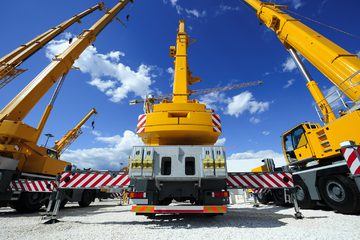
Crane hire, once a largely operational consideration, now occupies a more strategic place within construction. Whether through mobile crane hire, tower crane hire, or luffing crane hire, these machines influence decisions that extend well beyond lifting materials. They affect timelines, design choices, and even the feasibility of projects. In a country where cities are becoming denser and infrastructure demands more intricate, that influence is only growing.
Building Within Constraints
Australia’s urban development has entered a phase defined less by expansion into open land and more by intensification within existing boundaries. This shift is driven by a mix of factors—population growth, planning regulations, environmental concerns—but its practical effect is clear: construction sites are becoming tighter, more complex, and less forgiving.
In this environment, tower crane hire remains central to high-rise construction. These cranes, fixed to a site for extended periods, provide the vertical reach and consistency required to build upward. They are, in many ways, the backbone of dense urban development, enabling the steady progression of floors in cities like Sydney and Melbourne.
Yet even tower cranes face limitations when space becomes severely constrained. In such cases, luffing crane hire offers a more adaptable solution. By allowing the crane’s jib to move vertically, luffing cranes can operate within restricted airspace, avoiding interference with nearby buildings. This capacity to work within tight parameters reflects a broader shift in construction: the need to negotiate not just physical space, but the shared environment of modern cities.
Mobility and Adaptation
Not all construction challenges are defined by density. Across Australia, infrastructure projects—roads, rail lines, energy facilities—continue to expand and evolve, often across varied terrain. Here, mobile crane hire plays a different but equally important role.
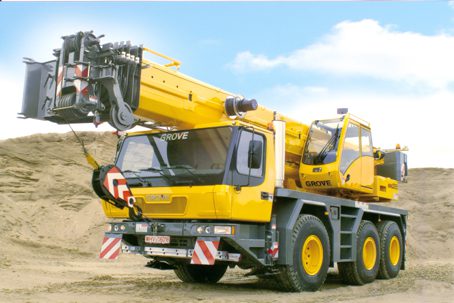
Mobile cranes bring flexibility to a fragmented landscape. They can be deployed quickly, repositioned with relative ease, and used for a wide range of tasks. This adaptability is particularly valuable in projects where conditions change frequently or where multiple sites must be managed simultaneously.
The contrast between mobile and fixed cranes highlights a key dynamic within the industry. Some projects benefit from continuity and long-term planning, while others require responsiveness and speed. The ability to move between these modes is what allows construction to keep pace with Australia’s shifting demands.
The Versatility of All Terrain Cranes
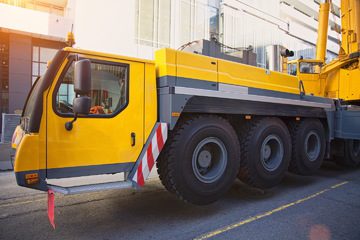
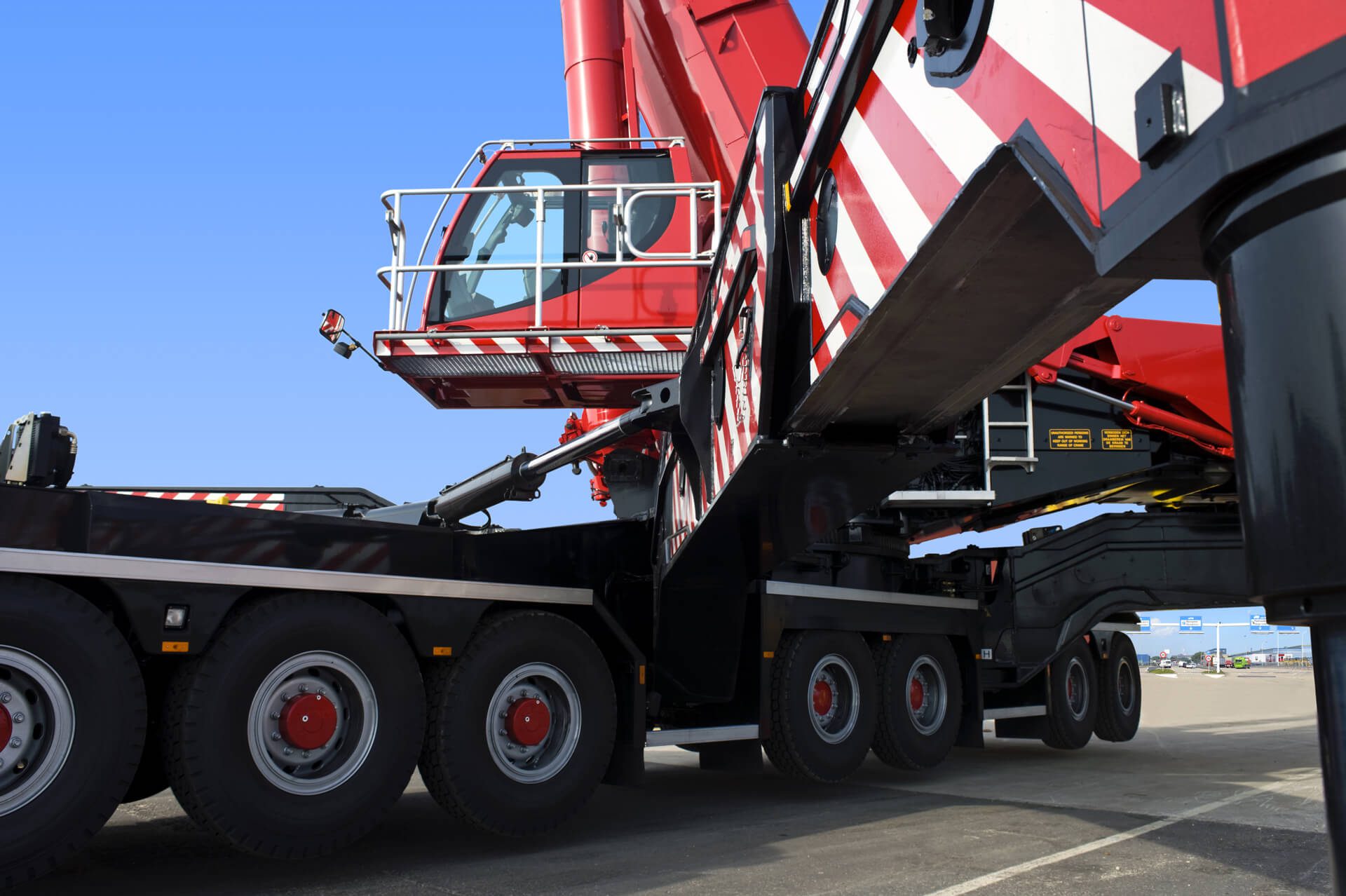
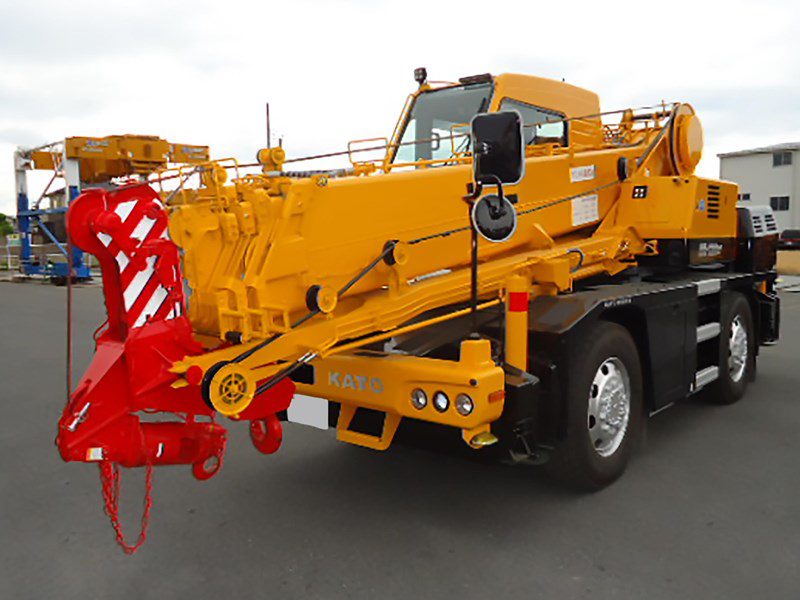
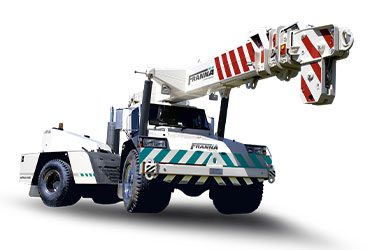
Within this spectrum, all terrain crane hire northern sydney offers a compelling example of how versatility has become a defining characteristic of modern equipment. These cranes are designed to operate across different surfaces and conditions, combining the mobility of road-going vehicles with the strength of heavier lifting machines.
In Northern Sydney, where infrastructure upgrades often intersect with established urban areas, this versatility is particularly relevant. Projects may involve navigating narrow streets, uneven ground, and restricted access points—all within the same site. All terrain cranes can adapt to these variations without requiring multiple specialized machines, reducing both logistical complexity and disruption.
Their significance extends beyond efficiency. By enabling construction to proceed in challenging environments, they support the broader goal of urban densification. As cities grow more complex, the ability to work within existing constraints becomes not just an advantage, but a necessity.
Infrastructure and the Shape of Growth
The increasing reliance on diverse crane types reflects a broader transformation in how Australian cities are evolving. Growth is no longer confined to central business districts; it is distributed across suburban corridors, regional hubs, and infrastructure networks that connect them.
High-rise developments, transport upgrades, and mixed-use precincts all place different demands on construction processes. In dense urban cores, tower crane hire and luffing crane hire dominate, supporting vertical construction and navigating spatial constraints. In more dispersed or transitional areas, mobile crane hire and all terrain solutions provide the flexibility needed to manage varied conditions.
These patterns are not incidental. They reveal how construction adapts to the geography and economics of development. The choice of crane is not just a technical decision; it is a response to the broader context in which a project exists.
Safety in a Complex Environment
As construction becomes more intricate, so too does the framework that governs it. Australia’s approach to crane safety has evolved significantly, shaped by regulatory oversight and industry practice.
Organizations such as Safe Work Australia, along with state-level authorities, have established comprehensive standards covering operator certification, equipment maintenance, and site planning. These frameworks are designed to address the inherent risks of crane operations, particularly in environments where precision is critical.
What has changed in recent years is the integration of technology into safety practices. Modern cranes are equipped with systems that monitor load limits, wind conditions, and operational parameters in real time. Digital planning tools allow teams to simulate lifts before they occur, identifying potential risks and refining strategies.
Despite these advancements, the human element remains central. Skilled operators and rigging teams are responsible for interpreting data, making decisions, and responding to unexpected conditions. Their expertise ensures that safety is not just a set of rules, but a dynamic process adapted to each site.
Technology and the Changing Nature of Work
The broader construction industry is undergoing a digital transformation, and crane operations are increasingly part of that shift. Data integration, remote monitoring, and early forms of automation are beginning to influence how cranes are used and managed.
On large projects, crane activity is often coordinated through digital platforms that integrate scheduling, design, and resource allocation. This allows for more precise planning and reduces the likelihood of delays. In some cases, remote operation capabilities enable cranes to be controlled from a distance, altering traditional notions of on-site work.
These developments are reshaping the role of crane hire. It is no longer simply about providing equipment; it is about contributing to a connected, data-driven construction process. This shift requires new skills and approaches, reflecting the increasing sophistication of the industry.
Pressures and Trade-Offs
Despite its central role, the crane hire sector faces a range of pressures. Rising costs, labor shortages, and supply chain disruptions have all affected construction timelines across Australia. Projects are becoming more complex, but the resources required to execute them are not always keeping pace.
Environmental considerations add another layer of complexity. As the construction industry seeks to reduce its carbon footprint, attention is turning to the energy consumption of heavy equipment, including cranes. Efforts to improve efficiency and explore alternative power sources are underway, though progress remains gradual.
Urban development also brings social considerations. Construction activity can disrupt daily life, particularly in dense areas where space is limited. Managing these impacts requires a careful balance between operational efficiency and community expectations.
A Quiet but Lasting Influence
Cranes are, by their nature, temporary. They arrive, perform their function, and disappear once a project is complete. Yet their influence is anything but fleeting. They shape how buildings are designed, how projects are executed, and how cities evolve.
mobile crane hire provides the flexibility needed in a dynamic construction landscape. Tower crane hire underpins the vertical growth of urban centers. Luffing crane hire enables development within increasingly constrained spaces. And all terrain crane hire northern sydney illustrates how adaptability can bridge the gap between mobility and capability in complex environments.
Together, these elements form a system that is both responsive and foundational. It adapts to the changing demands of construction while quietly enabling the transformation of Australia’s built environment.
In the end, the cranes that define the skyline are more than tools. They are part of a broader process—one that reflects how a nation builds, adapts, and imagines its future. To watch them in motion is to see not just the mechanics of construction, but the unfolding of a larger story, written in steel and space.