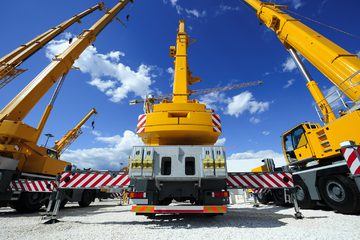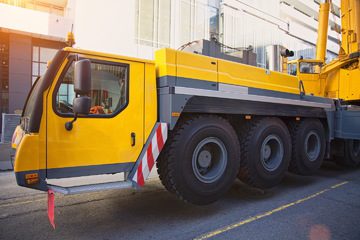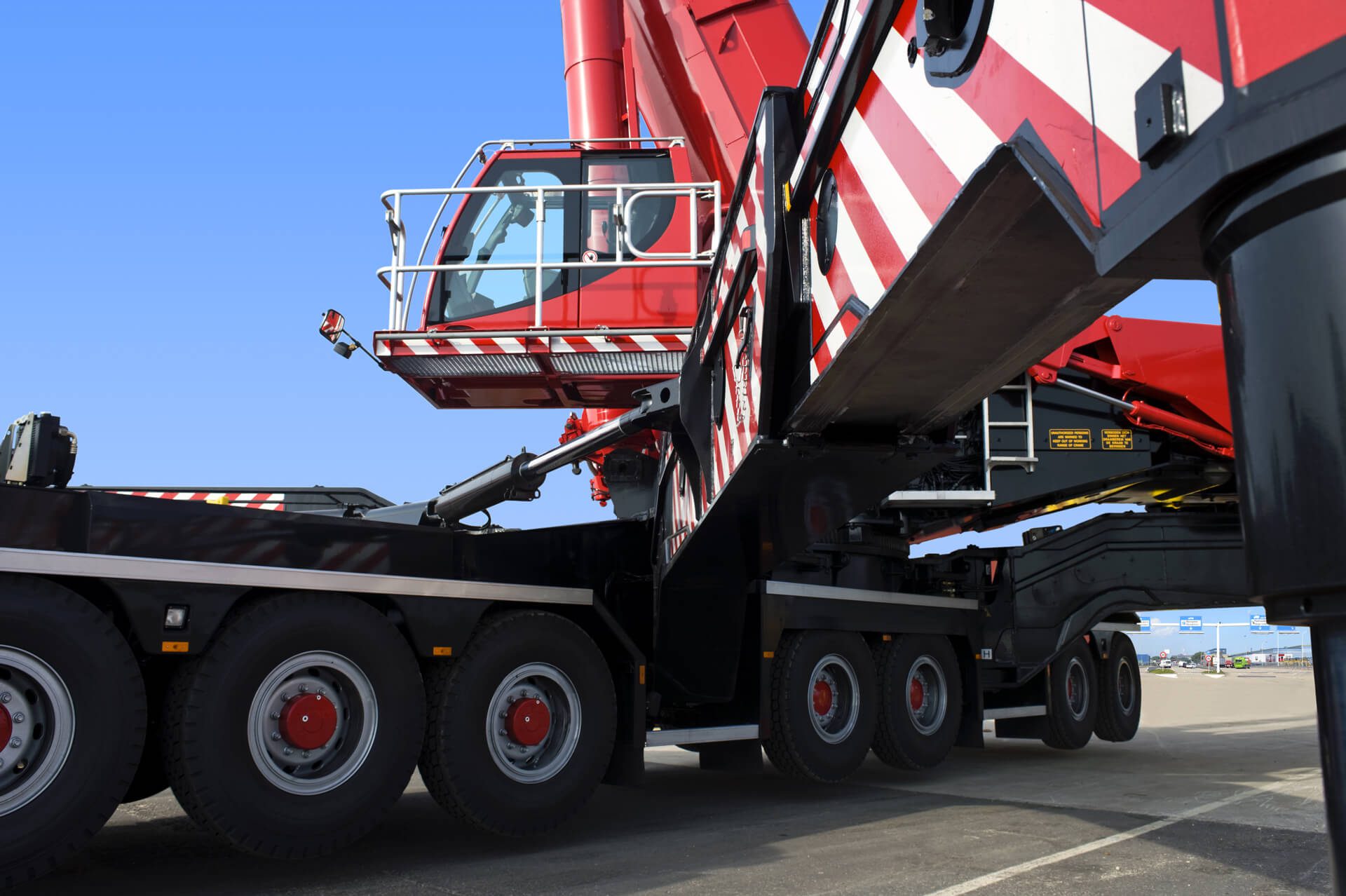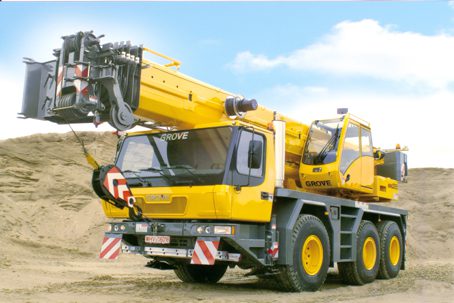
If you were to trace the outline of Australia’s urban transformation over the past two decades, you might begin not with buildings, but with cranes. Their silhouettes—angular, methodical, almost patient—have become a kind of shorthand for growth. Yet to see them merely as symbols of construction is to miss their deeper significance. In today’s Australia, crane hire is not just a logistical necessity; it is part of the decision-making framework that determines how, where, and at what pace cities evolve.
The shift is subtle, but consequential. As urban density increases and infrastructure projects grow more complex, the role of crane hire—whether mobile crane hire, tower crane hire, or luffing crane hire—has moved closer to the center of construction strategy. These machines no longer simply respond to plans. Increasingly, they help shape them.
Building Within Limits
Australia’s major cities are confronting a familiar constraint: limited space. With outward expansion constrained by geography, planning regulations, and environmental considerations, growth has turned inward and upward. This has redefined construction in ways that are both practical and philosophical.
In earlier decades, large, open sites allowed for relatively straightforward logistics. Equipment could be positioned with few restrictions, and construction unfolded with a degree of spatial freedom. Today, particularly in inner-city environments, that freedom has narrowed. Buildings rise adjacent to one another, infrastructure must be upgraded without disrupting daily life, and construction zones are often compressed into tight, irregular footprints.
Within these limits, the choice of crane becomes a defining factor. Tower crane hire, for example, has become synonymous with vertical construction. These cranes anchor themselves to the project, rising in tandem with the building, their reach extending across the site in a steady, predictable radius. They provide continuity, enabling a rhythm of work that supports the demands of high-rise development.
But predictability has its limits. In dense urban environments, where even the arc of a crane’s movement can have legal and practical implications, luffing crane hire offers a more adaptable solution. By allowing the jib to move vertically as well as horizontally, these cranes can operate within constrained airspace, avoiding conflicts with neighboring properties. It is a technical adjustment with broader implications, reflecting how construction must increasingly negotiate not just physical space, but shared urban environments.
Mobility and the Pace of Change
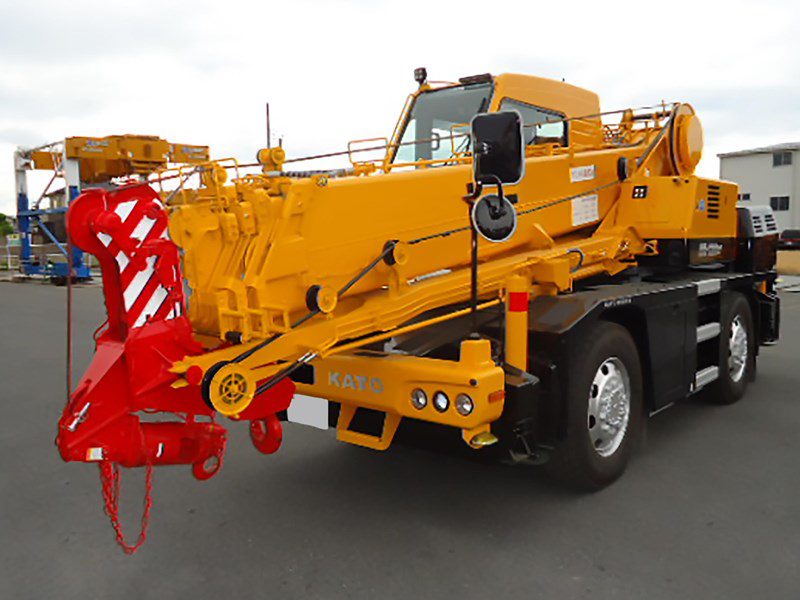
Not all construction unfolds vertically or within tight urban cores. Across Australia, infrastructure projects—roads, bridges, utilities—continue to expand, often in dispersed or transitional areas. Here, mobile crane hire plays a different but equally important role.
Mobile cranes bring a kind of temporal flexibility to construction. They can be deployed quickly, perform specific tasks, and move on, allowing projects to adapt to shifting timelines and priorities. In a sector where delays can ripple across entire developments, this responsiveness is invaluable.
The contrast between mobile and fixed cranes illustrates a broader dynamic within the industry. Some projects demand continuity and long-term presence; others require speed and adaptability. The ability to navigate between these modes is what allows construction to keep pace with Australia’s evolving needs.
The Regional Dimension
It is easy to associate cranes with city skylines, but the story extends well beyond metropolitan centers. Regional areas, often overlooked in discussions of urban development, are integral to the national construction landscape.
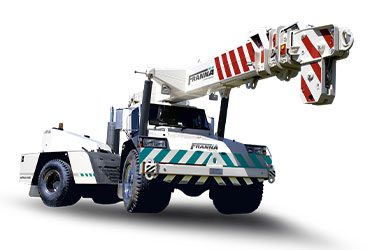
In places like the Southern Highlands, the role of franna crane hire southern highlands offers a useful lens. Franna cranes, designed for pick-and-carry operations, are particularly suited to environments where sites are less congested but still require precision and efficiency. They can lift loads and transport them short distances without the need for additional equipment, making them ideal for a range of regional projects.
What makes this significant is not just the functionality of the machines, but what they enable. Regional infrastructure—transport links, industrial facilities, community developments—supports the broader economic ecosystem. Without it, the growth of major cities would be difficult to sustain. In this context, franna crane hire southern highlands becomes part of a larger narrative, connecting local activity to national outcomes.
Safety as a Framework
If cranes are central to construction, safety is central to crane operations. Australia’s regulatory environment reflects this reality, with comprehensive frameworks governing everything from operator certification to site planning.
Organizations such as Safe Work Australia, along with state-based authorities, have developed standards that emphasize risk assessment and mitigation. These regulations have evolved over time, shaped by industry experience and technological progress. Incidents, when they occur, tend to prompt reflection and refinement, leading to more robust practices.
What is notable is how safety has become integrated into the planning process rather than treated as an afterthought. Decisions about crane type, placement, and operation are influenced not only by efficiency, but by the need to minimize risk. In dense urban environments, where cranes operate in close proximity to buildings, roads, and public spaces, this integration is particularly important.
Technology has reinforced this shift. Modern cranes are equipped with sensors and monitoring systems that provide real-time data on load conditions, wind speeds, and operational limits. These tools allow operators to make informed decisions, reducing the likelihood of errors. At the same time, they introduce new layers of complexity, requiring operators to interpret data and respond accordingly.
The Digital Turn
Beyond safety, digital technology is reshaping how crane operations are managed. Construction projects are increasingly coordinated through digital platforms that integrate scheduling, resource allocation, and design information. Cranes, once managed in relative isolation, are now part of this interconnected system.
This integration allows for greater precision. Lifts can be planned in advance using digital models, reducing uncertainty and improving coordination between different aspects of a project. In some cases, remote operation capabilities allow cranes to be controlled from a distance, altering traditional notions of on-site work.
These developments are still unfolding, but their implications are clear. Crane hire is becoming less about providing equipment and more about delivering a service that fits within a broader, data-driven framework. It requires new skills, new approaches, and a willingness to adapt to changing conditions.
Pressures and Possibilities
Despite these advancements, the industry faces a range of challenges. Labor shortages, rising costs, and supply chain disruptions have all placed pressure on construction projects across Australia. Crane hire companies, situated at a critical juncture within the sector, must navigate these pressures while maintaining efficiency and safety.
Environmental considerations add another dimension. As the construction industry seeks to reduce its carbon footprint, questions arise about the energy consumption of heavy equipment, including cranes. Efforts to improve efficiency and explore alternative power sources are underway, but progress is gradual.
There is also the question of community impact. Construction activity, particularly in urban areas, can be disruptive. Noise, traffic, and visual intrusion are all part of the equation. Managing these impacts requires a balance between operational needs and social considerations, a balance that is not always easy to achieve.
A Subtle Influence
For all their visibility, cranes exert a surprisingly subtle influence on the built environment. They do not determine what is built, but they shape how it is built. Their capabilities and limitations influence design decisions, construction timelines, and even the feasibility of certain projects.
mobile crane hire supports the adaptability required for a diverse and dynamic construction landscape. Tower crane hire underpins the vertical growth of cities. Luffing crane hire enables development within increasingly constrained urban spaces. And services like franna crane hire southern highlands ensure that regional infrastructure remains part of the broader picture.
Together, they form a system that is both responsive and foundational, adapting to the needs of a changing industry while quietly supporting its ambitions.
As Australia continues to grapple with the challenges of urban growth, infrastructure demand, and environmental responsibility, the role of crane hire will likely continue to evolve. Not dramatically, but incrementally, in ways that reflect the shifting priorities of construction itself.
In the end, the cranes that define Australia’s skylines are more than markers of progress. They are part of the process—integral, adaptable, and often overlooked. To watch them at work is to glimpse the mechanics of a nation building its future, one careful lift at a time.