Look closely at the skyline of Sydney on any given day and you will notice something curious. The buildings may change, the cranes eventually disappear, but for long stretches of time, it is the cranes that define the city’s silhouette. They hover above half-finished structures, pivoting slowly, lifting materials with a kind of quiet authority. For many, they are simply part of the background. But in reality, they are central to the way modern Australia is being built.
The evolution of crane hire across the country reflects something larger than construction trends. It speaks to the pressures of urban density, the scale of infrastructure investment, and the increasingly intricate logistics required to build within a living, breathing city. The distinctions between mobile crane hire, tower crane hire, and luffing crane hire are not merely technical choices; they are responses to the changing shape of urban development itself.
A Different Kind of Expansion
Australia’s cities are growing, but not always outward in the way they once did. Increasingly, growth is occurring within existing boundaries. In Sydney especially, where land is both limited and valuable, development has shifted toward higher density and mixed-use projects.
This shift changes the nature of construction. Projects must fit into tighter sites, often surrounded by active roads, businesses, and residential buildings. There is less room for error, less tolerance for disruption, and a greater need for precision.
Crane hire sits at the center of this transformation. The type of crane used on a project influences not only how materials are moved, but how the entire construction process is planned. It determines what is possible within a given space and how efficiently a project can proceed.
The Role of Movement
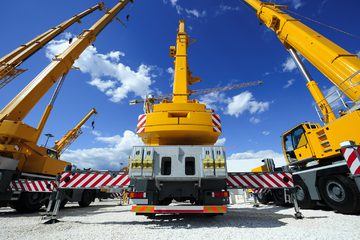
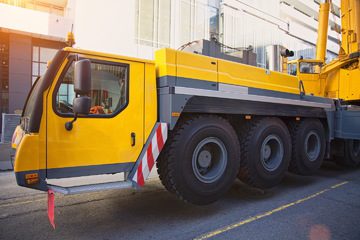
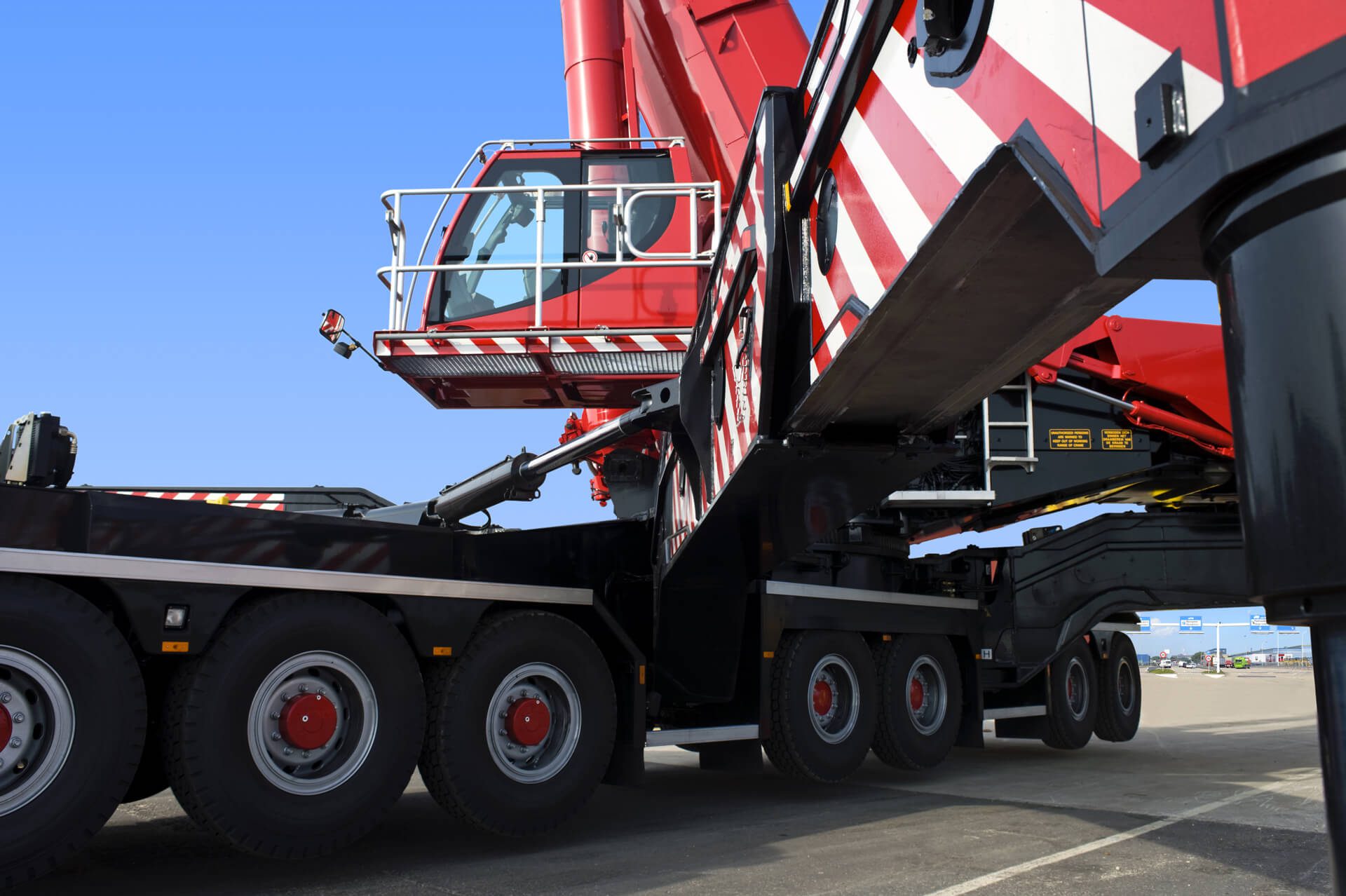
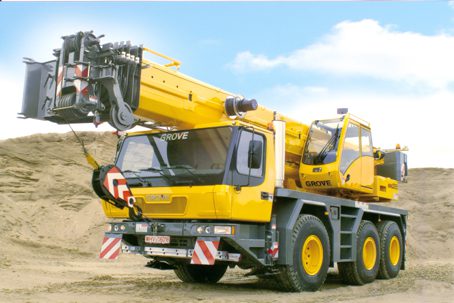
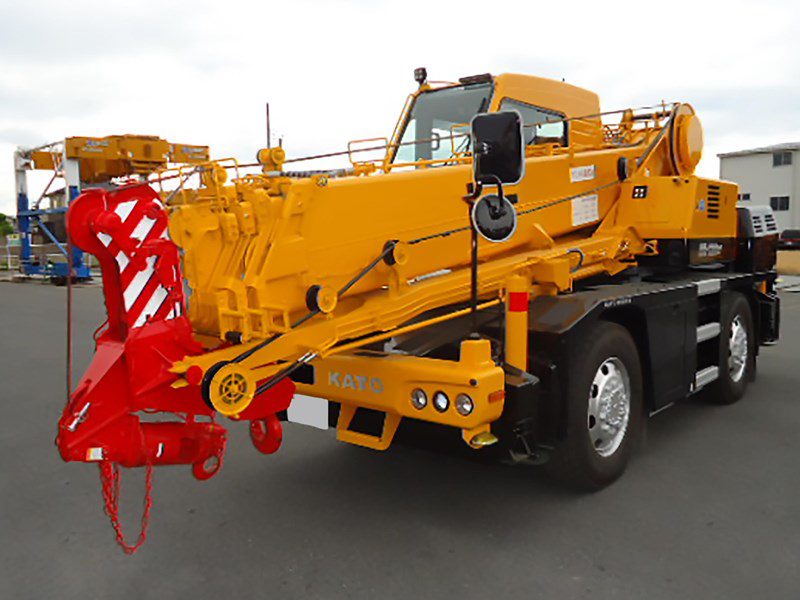
Mobile crane hire remains one of the most adaptable elements in this system. These cranes are designed for flexibility, capable of being transported quickly and repositioned as needed. They are particularly valuable in large infrastructure projects, where work is spread across wide areas and conditions change frequently.
Road upgrades, rail expansions, and utility installations all rely on this kind of mobility. The ability to move equipment without significant downtime allows projects to maintain momentum, even as they evolve.
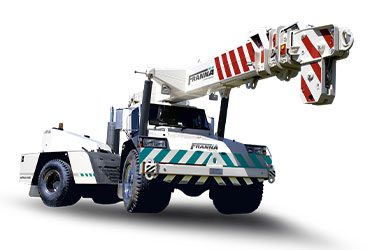
Within Sydney, this flexibility takes on a more specific character. The phrase “franna crane hire Sydney” points to a uniquely Australian solution to a complex problem. Franna cranes, with their pick-and-carry design, are able to lift loads and transport them across a site without the need for extensive setup.
In a city where construction zones are active and space is contested, this capability is particularly valuable. It allows work to continue without the delays that can come from repositioning larger, less mobile equipment. In this way, franna cranes contribute not just to efficiency, but to the broader pace of urban development.
The Vertical City
If mobile cranes represent movement, tower crane hire represents scale. These cranes have become synonymous with the vertical growth of Australian cities, their presence signaling the rise of new residential towers, office buildings, and mixed-use developments.
Tower cranes are designed for long-term use on a single site. Once installed, they remain in place for the duration of the project, lifting heavy materials to considerable heights with consistency and precision. Their importance lies not only in their capacity, but in their reliability.
Sydney’s skyline offers a clear example of their role. As demand for housing and commercial space increases, developers are building upward. Tower cranes make this possible, enabling construction to proceed floor by floor in a controlled and efficient manner.
Yet their use also introduces challenges. Installing a tower crane requires careful coordination, often involving road closures and regulatory approvals. Operating one demands constant attention to environmental factors such as wind, as well as strict adherence to safety protocols.
These cranes are, in many ways, the backbone of high-rise construction. They provide the structure around which the entire project is organized.
Working Within Constraints
As urban density increases, construction sites become more constrained. Buildings are closer together, and multiple projects often take place simultaneously within a limited area. In such environments, the ability to operate with precision becomes essential.
Luffing crane hire addresses this challenge. Unlike traditional tower cranes, which extend their jibs horizontally, luffing cranes can raise and lower their jibs, allowing them to work within a smaller radius. This makes them particularly suited to tight urban sites where space is limited and coordination is critical.
In dense parts of Sydney, this capability allows construction to proceed without interfering with neighboring structures or other cranes. It reflects a broader shift in the industry toward greater control and adaptability.
Efficiency in modern construction is no longer just about speed. It is about working within constraints—physical, regulatory, and social—and doing so in a way that minimizes disruption.
Safety in a Public Space
As cranes become more prominent in urban environments, the expectations surrounding their operation have grown. Australia’s regulatory framework for crane operations is among the most rigorous in the world, reflecting both the risks involved and the importance of maintaining public trust.
Operators are required to undergo extensive training, and equipment must meet strict standards for maintenance and certification. These measures are designed to ensure that cranes operate safely, even in complex and high-pressure environments.
But safety today extends beyond compliance. It is increasingly proactive, supported by technology and data. Modern cranes are equipped with sensors that monitor loads, wind conditions, and operational limits in real time. Digital tools allow teams to simulate lifting operations before they take place, identifying potential risks in advance.
In cities like Sydney, where construction is highly visible, these measures are particularly important. Cranes operate above streets, near homes and workplaces, making their safe operation a matter of public concern as well as industrial necessity.
Technology and the Changing Industry
The crane hire industry is also being reshaped by technological innovation. Telematics systems provide detailed insights into how cranes are used, enabling more efficient scheduling and maintenance. This data-driven approach reduces downtime and improves overall performance.
Automation is beginning to influence the field as well. Remote-controlled cranes and semi-autonomous features are being developed, offering new ways to manage risk and improve efficiency. While these technologies are still evolving, they point to a future in which crane operations become increasingly precise and predictable.
Sustainability is another factor shaping the industry. As Australia confronts environmental challenges, there is growing interest in equipment that reduces emissions and noise. Electric and hybrid cranes are beginning to appear on worksites, particularly in urban areas where environmental impact is a concern.
These changes reflect a broader shift in construction toward greater responsibility and innovation. Crane hire is not isolated from these trends; it is deeply connected to them.
The Framework Behind the Skyline
It is easy to focus on the finished buildings that define a city’s identity. But the process of creating those structures is shaped by decisions that are often less visible. Crane hire is one of those decisions.
The availability and capability of cranes influence how projects are designed, how they are scheduled, and how efficiently they are completed. In a city like Sydney, where growth is both rapid and complex, these factors play a crucial role in shaping the built environment.
Mobile crane hire provides the flexibility needed for large and evolving projects. Tower crane hire supports the vertical expansion that defines modern urban living. luffing crane hire allows construction to proceed in spaces that demand precision and control. Together, they form an interconnected system that underpins contemporary development.
Looking Up, Looking Ahead
Cranes may not capture the imagination in the way that completed buildings do, but they offer a unique perspective on how cities evolve. Their presence reflects the challenges of modern construction and the industry’s response to those challenges.
In Sydney and across Australia, the role of crane hire continues to evolve, shaped by the pressures of density, the demands of infrastructure, and the possibilities of new technology. These machines are more than tools; they are part of the process through which cities are imagined and realized.
The next time you look at a skyline under construction, it may be worth paying closer attention. The cranes above are not just lifting materials. They are quietly, steadily shaping the future of the city itself.