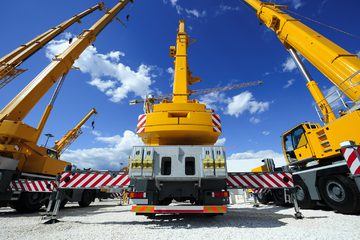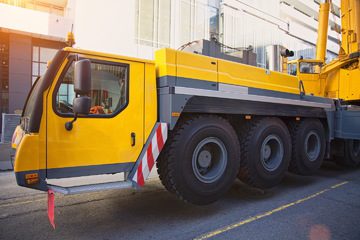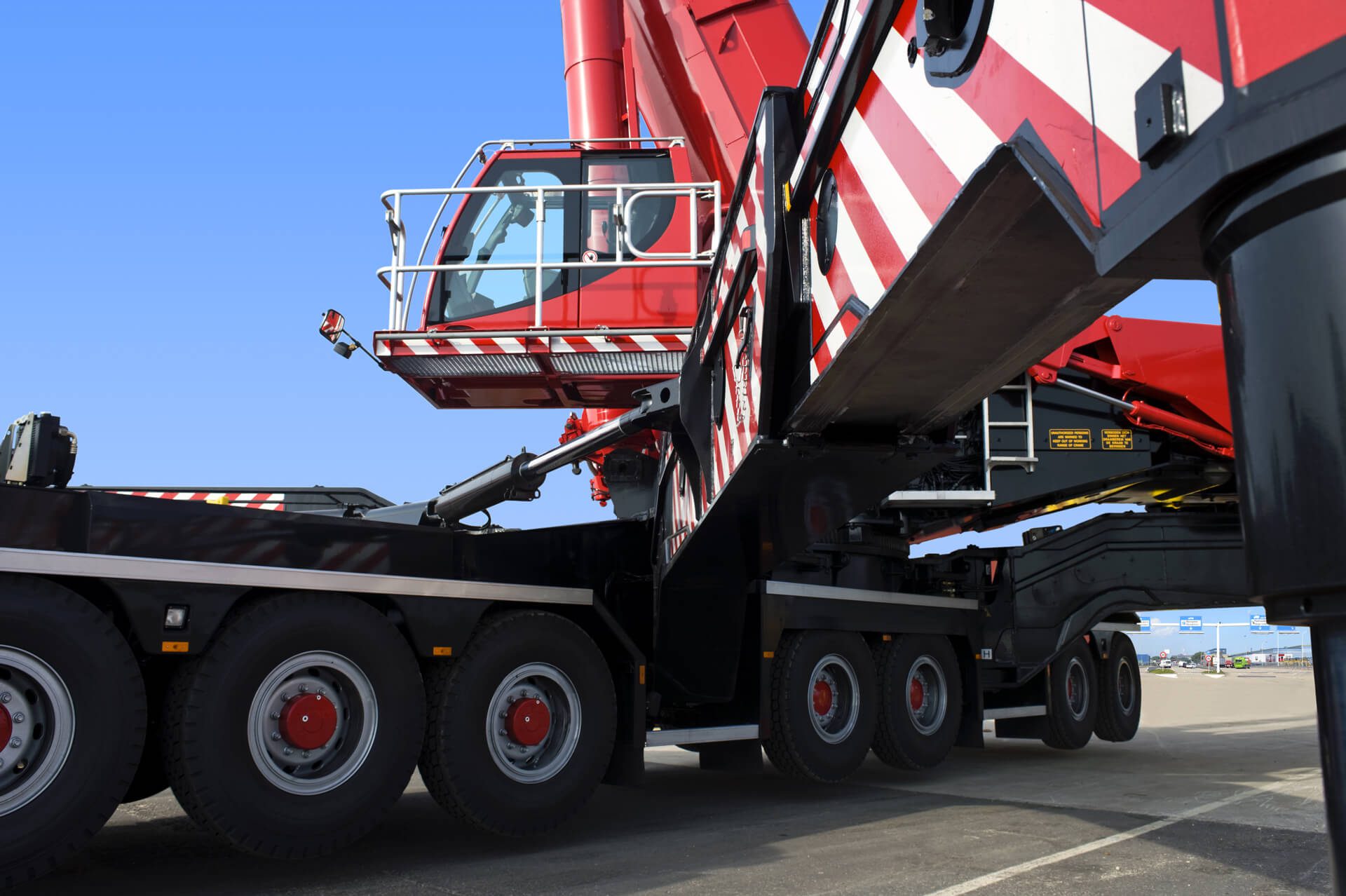
Stand beneath a construction site in Sydney and look up. The motion is deliberate, almost measured: a steel beam gliding into place, a concrete slab suspended midair, a slow rotation that feels less like machinery at work and more like choreography. It is easy to take these movements for granted. Cranes are so embedded in the visual language of development that they risk becoming invisible. But if you follow their role more closely, you begin to see something larger—an industry quietly adapting to the pressures shaping modern Australian cities.
Crane hire today is no longer a simple logistical choice. It sits at the intersection of urban density, infrastructure ambition, and technological change. Decisions about mobile crane hire, tower crane hire, and luffing crane hire increasingly influence how projects are designed, scheduled, and executed. In that sense, cranes do more than lift materials; they help define what is possible in the built environment.
The Shift Toward Density
Australia’s cities are undergoing a subtle but significant transition. Expansion at the suburban fringe continues, but it is increasingly matched by a push inward—toward higher-density developments within established urban areas. Sydney offers perhaps the clearest example, where rising demand for housing and commercial space has driven a wave of vertical construction.
This shift changes the nature of building itself. Projects must fit into tighter spaces, operate alongside existing infrastructure, and minimize disruption to surrounding communities. The margin for error narrows, and the importance of planning grows.
In this context, crane hire becomes a strategic consideration. The choice of equipment is tied not just to the weight of materials, but to the constraints of the site, the sequencing of work, and the broader rhythm of the city around it.
Mobility and Momentum
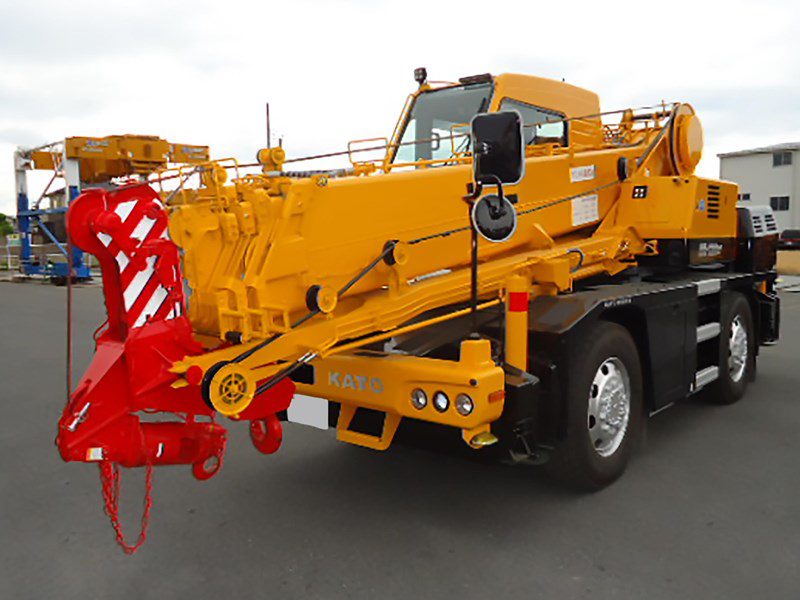
Mobile crane hire remains one of the most adaptable solutions in the construction landscape. These cranes are built for movement, capable of traveling between and within sites with relative ease. Their strength lies not only in lifting capacity but in flexibility.
On large infrastructure projects—transport corridors, utility upgrades, industrial developments—this mobility is essential. Work unfolds across multiple locations, often simultaneously, and the ability to reposition lifting equipment quickly helps maintain momentum.
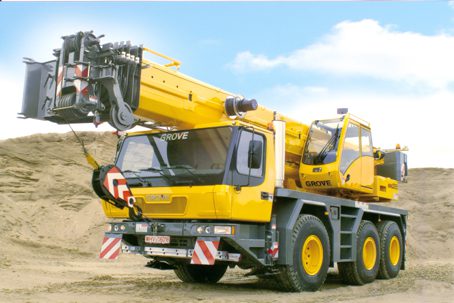
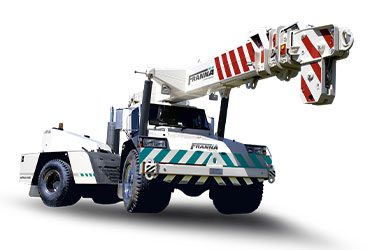
In Sydney, this adaptability finds a distinct expression in the use of franna cranes. The phrase “franna crane hire Sydney” reflects a practical response to complex conditions. Franna cranes, developed in Australia, are designed to pick up loads and carry them across a site without the need for stabilizing outriggers. They operate efficiently in active environments where space is available but constantly in flux.
Their role is easy to underestimate. Yet in a city where infrastructure projects intersect with daily life, the ability to move materials seamlessly can influence timelines, costs, and the overall flow of construction. These cranes are, in effect, facilitators of continuity—keeping work moving when interruptions would otherwise be inevitable.
Building the Vertical City
If mobile cranes represent movement, tower crane hire represents permanence. These cranes are installed with the expectation that they will remain in place for the duration of a project, often months or years. Their towering structures have become synonymous with urban growth, marking the rise of new residential and commercial spaces.
Tower cranes are indispensable to high-rise construction. Their ability to lift heavy loads to significant heights with precision makes them central to vertical development. In cities like Sydney, where land is scarce and demand is high, this capability underpins much of the modern building landscape.
But their presence also introduces complexity. Installing a tower crane requires careful coordination with local authorities, particularly in dense urban areas where road closures and public safety must be managed. Once operational, these cranes must contend with environmental factors such as wind, as well as the proximity of other structures.
They are, in many ways, the anchors of a construction site. Their position determines how materials are delivered, how work is sequenced, and how efficiently a building can rise. Without them, the pace and scale of urban development would look very different.
Precision in Constrained Spaces
As cities grow denser, construction sites become more constrained. Buildings rise closer together, and multiple projects often unfold within the same visual and physical space. In these environments, the challenge is not simply to build, but to do so without interfering with what already exists.
Luffing crane hire has emerged as a response to this challenge. Unlike traditional tower cranes with fixed horizontal jibs, luffing cranes can adjust the angle of their jib, allowing them to operate within a tighter radius. This flexibility reduces the risk of overlapping with neighboring sites or structures.
In parts of Sydney where development is particularly concentrated, this capability is essential. It allows construction to proceed in areas that would otherwise be too restrictive for conventional cranes. More broadly, it reflects a shift toward precision in construction—an emphasis on working within limits rather than pushing against them.
Efficiency, in this context, is not just about speed. It is about coordination, adaptability, and the ability to coexist with a complex urban environment.
Safety in a Visible Landscape
As cranes become more central to urban construction, expectations around safety have intensified. Australia’s regulatory framework is among the most stringent in the world, shaped by a combination of industry standards, government oversight, and public scrutiny.
Operators are required to undergo extensive training, and cranes must meet rigorous maintenance and certification requirements. These measures are designed to ensure that operations are conducted safely, even in high-pressure environments.
Yet safety today is not simply a matter of compliance. It is increasingly proactive, supported by technology that allows risks to be identified and managed in advance. Sensors monitor loads and environmental conditions in real time. Digital tools enable teams to simulate lifting operations before they take place, reducing uncertainty and improving planning.
In a city like Sydney, where construction sites are highly visible, this level of oversight is essential. Cranes operate above streets, near homes and workplaces, making their safe operation a matter of public confidence as well as technical necessity.
Technology and Transformation
The crane hire industry is also being reshaped by technological innovation. Telematics systems provide detailed insights into how equipment is used, enabling more efficient scheduling and maintenance. Data analytics help identify patterns, anticipate issues, and optimize performance.
Automation is beginning to influence the field as well. Remote-controlled cranes and semi-autonomous features are being explored, offering new ways to enhance safety and efficiency. While these technologies are still evolving, they point toward a future in which crane operations become more precise and less dependent on manual intervention.
Sustainability is another emerging priority. As Australian cities confront environmental challenges, there is growing interest in reducing the impact of construction. Electric and hybrid cranes, though not yet widespread, represent a step in that direction, offering quieter operation and lower emissions.
These developments are part of a broader shift in construction, one that emphasizes not just what is built, but how it is built.
The Invisible Framework of Growth
It is easy to focus on finished buildings—the towers, the transport networks, the visible markers of progress. But behind these outcomes lies a network of decisions that shape how construction unfolds. Crane hire is one of the most influential among them.
The choice between mobile crane hire, tower crane hire, and luffing crane hire affects timelines, costs, and even design possibilities. In a city like Sydney, where growth is both rapid and constrained, these decisions play a critical role in determining how effectively new infrastructure and housing can be delivered.
Mobile cranes bring flexibility to sprawling or dynamic projects. Tower cranes enable the vertical expansion that defines modern urban living. Luffing cranes allow construction to proceed in tight, complex spaces. Together, they form an integrated system that supports the evolving needs of the built environment.
Looking Up with New Perspective
Cranes may not be the most celebrated elements of urban development, but they offer a revealing lens through which to understand it. Their evolution reflects the changing demands placed on cities and the construction industry’s response to those demands.
In Sydney and across Australia, crane hire is becoming more specialized, more strategic, and more closely aligned with the broader forces shaping urban life. These machines are not merely tools of construction; they are part of the process through which cities adapt and grow.
The next time you notice a crane against the skyline, it may be worth considering its role more carefully. It is not just lifting materials. It is helping to define the pace, scale, and character of the city itself—one careful movement at a time.