Stand at the edge of any growing Australian city—Sydney’s western corridors, Melbourne’s expanding suburbs, Brisbane’s riverfront—and the skyline tells a familiar story. Steel frames rise in stages, concrete cores inch upward, and above it all, cranes choreograph the work with a steady, almost unremarkable precision. They are so embedded in the visual language of development that it is easy to overlook their deeper role. Yet the evolution of crane hire in Australia is not simply a technical footnote to construction; it is a reflection of how cities themselves are changing.
What was once a straightforward matter of lifting heavy materials has become a nuanced, highly strategic component of urban development. The growing reliance on mobile crane hire, tower crane hire, and luffing crane hire mirrors broader shifts in density, infrastructure ambition, and regulatory scrutiny. And nowhere is this more evident than in places like Western Sydney, where rapid growth has turned logistics into both a constraint and a catalyst.
A Changing Urban Equation
Australia’s urban expansion is no longer defined by outward sprawl alone. Increasingly, it is about building upward and inward—fitting more infrastructure, housing, and commercial space into tighter footprints. This shift has placed new demands on construction planning, particularly in how materials are moved and assembled on site.
Crane hire has become less about availability and more about precision. Developers and contractors are not just asking what can lift the load, but what can do so efficiently within spatial, regulatory, and time constraints. The answer varies depending on the project. A highway expansion on the outskirts of a city poses different challenges than a high-rise apartment block in a dense urban core.
In this context, the diversity of crane types becomes essential rather than optional. Each category serves a distinct role, and understanding those roles offers insight into how modern construction operates.
Mobility and Flexibility on the Ground
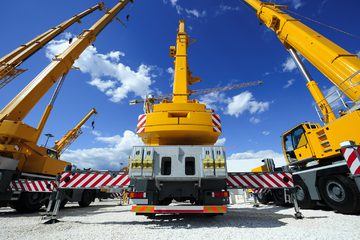
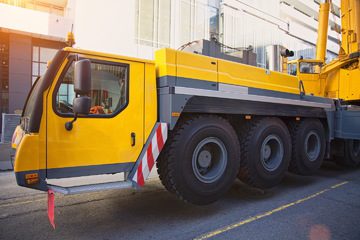
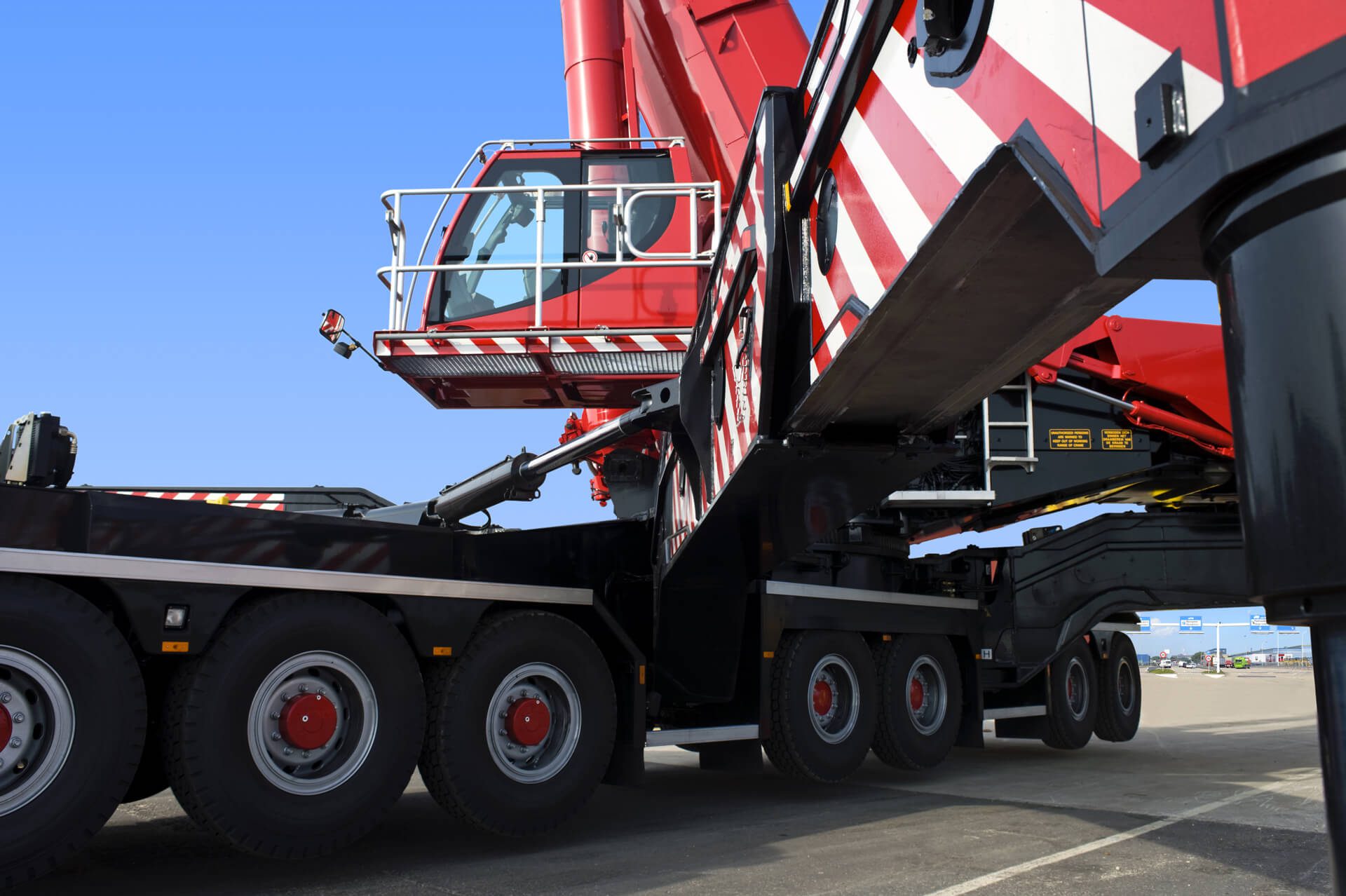
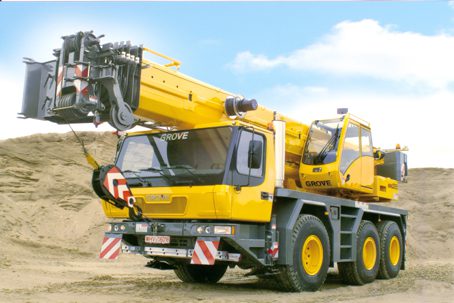
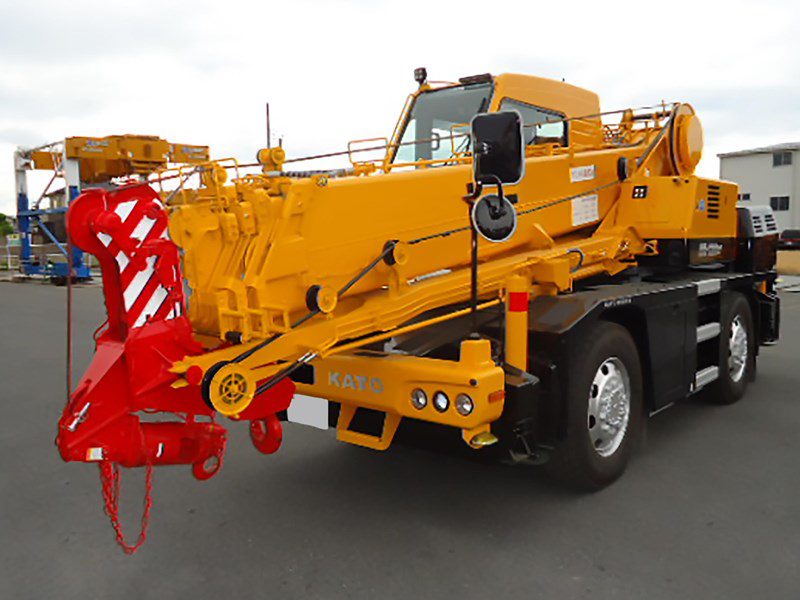
Mobile crane hire remains one of the most versatile solutions in the industry. These cranes, mounted on wheeled or tracked carriers, are designed for rapid deployment and relocation. Their strength lies not just in lifting capacity but in adaptability.
On infrastructure projects—roadworks, bridges, utility installations—mobile cranes provide the kind of flexibility that static systems cannot. They can move between tasks, adjust to changing site conditions, and operate in areas where permanent crane installations would be impractical. This is particularly relevant in sprawling developments or projects with multiple staging points.
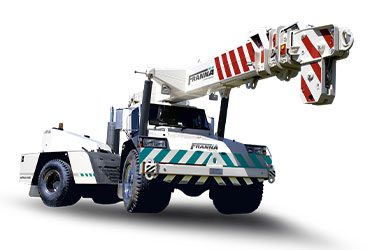
Within Western Sydney, where new transport links and industrial hubs are reshaping the landscape, mobile solutions play a crucial role. The phrase “franna crane hire western Sydney” may sound niche, but it points to a broader reality: the need for cranes that can navigate busy, evolving worksites without disrupting surrounding activity. Franna cranes, a uniquely Australian design, are especially suited to this environment, combining pick-and-carry capability with maneuverability.
Their presence underscores a larger trend. As construction timelines tighten and urban projects become more complex, the ability to reposition lifting equipment quickly is not just convenient—it is economically significant.
Reaching Higher, Building Denser
If mobile cranes represent flexibility, tower crane hire embodies scale and endurance. These cranes have become synonymous with high-rise construction, their tall, skeletal forms defining city skylines during periods of growth.
Tower cranes are engineered for vertical reach and heavy lifting over extended periods. Once installed, they become a central fixture of the site, enabling the steady progression of multi-storey buildings. Their efficiency lies in their ability to operate continuously, moving materials across wide horizontal and vertical distances with precision.
As Australian cities grapple with housing demand and limited land availability, high-density developments have become more common. Tower cranes are not merely tools in this process; they are enablers. Without them, the economics and feasibility of many urban projects would shift dramatically.
Yet their use also introduces complexity. Installation requires careful planning, often involving road closures, permits, and coordination with local authorities. Their operation must account for wind conditions, proximity to other structures, and the safety of workers and the public. In dense environments, even minor miscalculations can have significant consequences.
Precision in Tight Spaces
In the most constrained urban settings, where space is at a premium and buildings rise close together, luffing crane hire offers a different kind of solution. Unlike traditional tower cranes with fixed horizontal jibs, luffing cranes can adjust the angle of their jib, allowing them to operate within tighter airspace.
This capability is particularly valuable in inner-city developments, where multiple construction sites may exist in close proximity. By reducing the risk of overlapping crane operations, luffing cranes help maintain safety and efficiency in crowded environments.
Their growing use reflects a subtle but important shift in construction priorities. It is no longer enough to lift heavy loads; cranes must do so while minimizing disruption to neighboring sites, traffic, and communities. The emphasis is on precision and coexistence, rather than sheer capacity.
Safety, Regulation, and Public Expectation
The increasing complexity of crane operations has been matched by evolving safety expectations. In Australia, regulatory frameworks have tightened over time, driven by both technological advancements and a heightened awareness of risk.
Standards governing crane operation, maintenance, and certification are rigorous, and for good reason. Incidents involving cranes, though relatively rare, can have severe consequences. As a result, operators undergo extensive training, and equipment is subject to regular inspection.
But safety is not only a matter of compliance. It is also shaped by public perception. In densely populated areas, construction activity unfolds in full view of residents, workers, and commuters. The sight of cranes moving heavy loads above streets and buildings carries an implicit expectation of reliability and control.
This has led to the adoption of advanced monitoring systems, load sensors, and digital planning tools. Real-time data allows operators to make informed decisions, reducing the likelihood of error. In some cases, simulations are used to map crane movements before work begins, ensuring that potential conflicts are identified and resolved in advance.
Technology and the Future of Lifting
Technological innovation is quietly transforming the crane hire industry. Automation, telematics, and data analytics are becoming increasingly integrated into operations, offering new ways to optimize performance and safety.
Remote monitoring systems can track crane usage, maintenance needs, and operational efficiency. This data-driven approach allows companies to anticipate issues before they arise, reducing downtime and improving reliability. In an industry where delays can have cascading effects on project timelines, such improvements are far from trivial.
There is also growing interest in semi-autonomous and remotely operated cranes, particularly for hazardous or hard-to-access environments. While fully autonomous systems remain on the horizon, incremental advancements are already reshaping how cranes are used on site.
At the same time, sustainability considerations are beginning to influence equipment choices. Electric and hybrid crane models are emerging, offering reduced emissions and lower noise levels—an important factor in urban areas where construction activity often intersects with residential life.
The Broader Significance
It is tempting to view crane hire as a purely operational detail, a behind-the-scenes service that supports construction without shaping it. But this perspective misses a larger truth. The capabilities and limitations of cranes influence how buildings are designed, how projects are scheduled, and ultimately how cities take form.
In Western Sydney, for example, the interplay between infrastructure development and crane availability has tangible effects on growth patterns. Efficient lifting solutions can accelerate project timelines, making it easier to deliver housing, transport, and commercial spaces in step with demand. Conversely, constraints in crane capacity or logistics can slow progress, highlighting the interdependence between equipment and urban planning.
More broadly, the evolution of crane hire reflects the pressures facing modern cities. As populations grow and land becomes scarcer, construction must become more efficient, more precise, and more adaptable. Cranes, in their various forms, are at the center of this transformation.
A Quiet but Defining Presence
The next time you look at a skyline under construction, it may be worth paying closer attention to the cranes. Their movements, though often routine, tell a story about how cities are built—about the balance between ambition and constraint, innovation and regulation.
From the flexibility of mobile crane hire to the towering reach of tower crane hire and the precision of luffing crane hire, each type plays a role in shaping the built environment. Together, they form an ecosystem that supports not just construction, but the broader evolution of urban life in Australia.
In that sense, cranes are more than machines. They are instruments of possibility, quietly enabling the structures that define where and how people live, work, and move. And as Australia’s cities continue to grow and change, their role is likely to become even more central—less visible, perhaps, but no less essential.