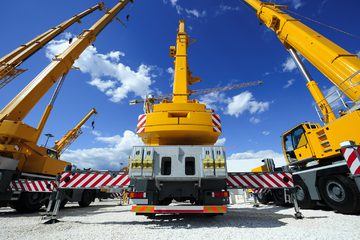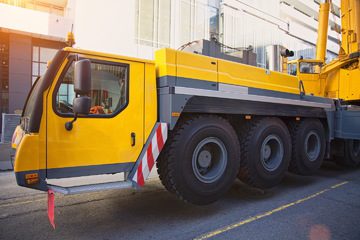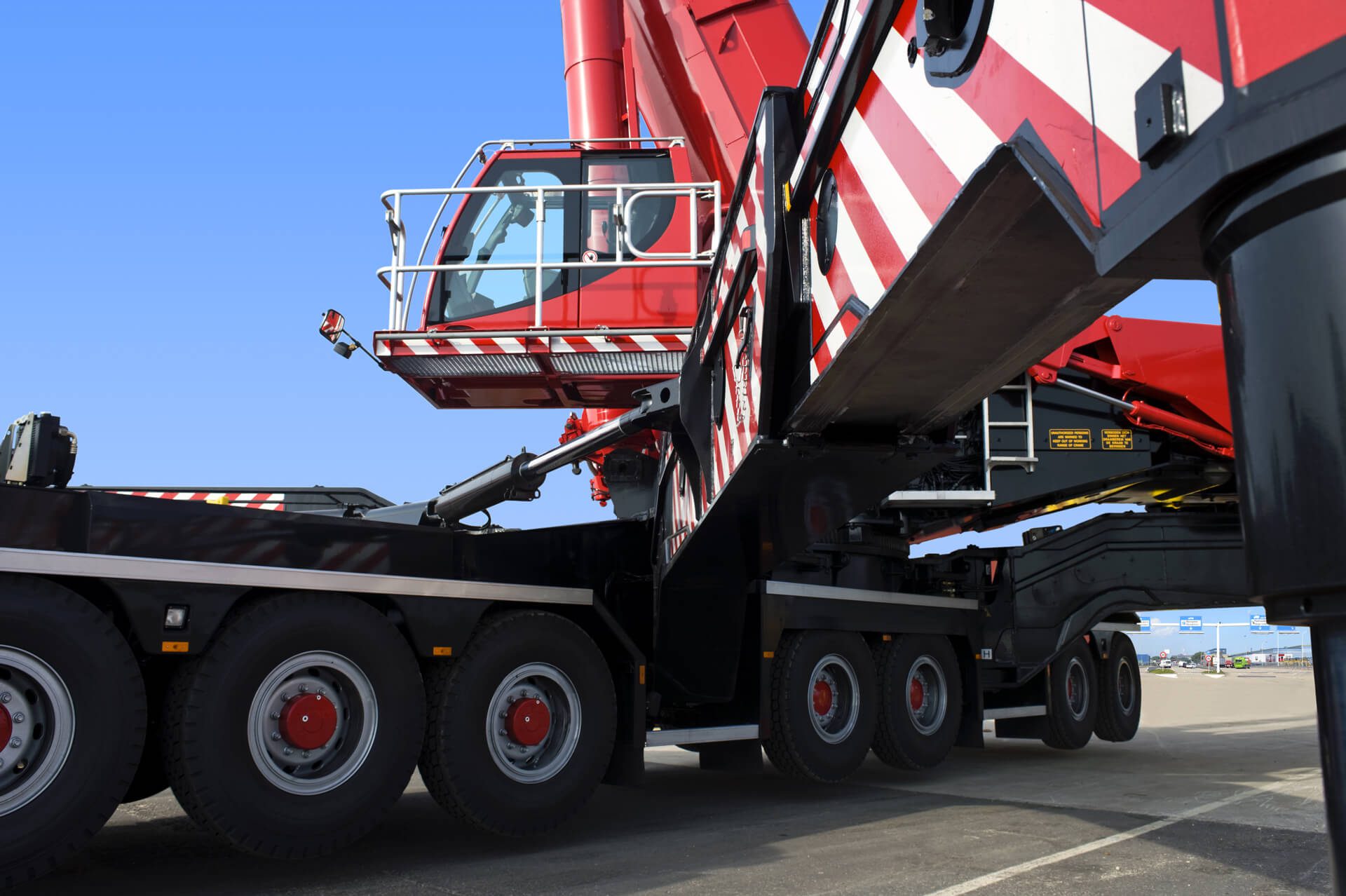
Walk through any major Australian development corridor today and the rhythm of construction is unmistakable. Steel, glass, and concrete move skyward in carefully timed sequences, orchestrated not just by human labor but by a quiet fleet of machines that rarely draw attention for long. Cranes—mobile, towering, and increasingly specialized—have become so familiar that they risk fading into the background. Yet their role in shaping modern Australia is anything but incidental.
To understand the evolving nature of crane hire in Australia is to understand something deeper about how cities are being built today. It is not merely a question of lifting heavy materials from one place to another. It is about responding to density, managing constraints, and adapting to a built environment that is becoming more complex with each passing year.
Building Up, Building In
Australia’s urban development has entered a phase defined less by expansion at the edges and more by intensification within. Cities like Sydney and Melbourne are no longer simply spreading outward; they are consolidating, layering infrastructure, housing, and commercial spaces into increasingly compact areas.
This shift has profound implications for construction logistics. Space is tighter, timelines are stricter, and public visibility is higher. In this environment, crane hire is no longer a background service—it is a central planning decision.
The choice between mobile crane hire, tower crane hire, and luffing crane hire is not simply technical. It reflects the nature of the project itself. A sprawling transport upgrade on the city’s fringe requires flexibility and mobility. A high-rise residential tower demands vertical reach and sustained lifting capacity. A dense inner-city site, hemmed in by neighboring buildings, calls for precision and restraint.
Each scenario reveals how cranes are becoming more specialized as the demands of urban construction evolve.
Mobility as Infrastructure
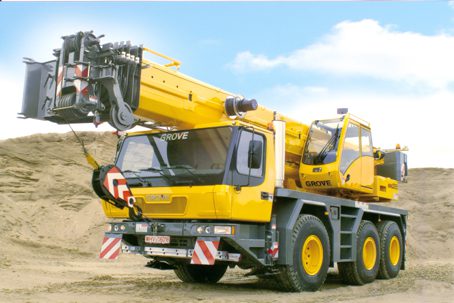
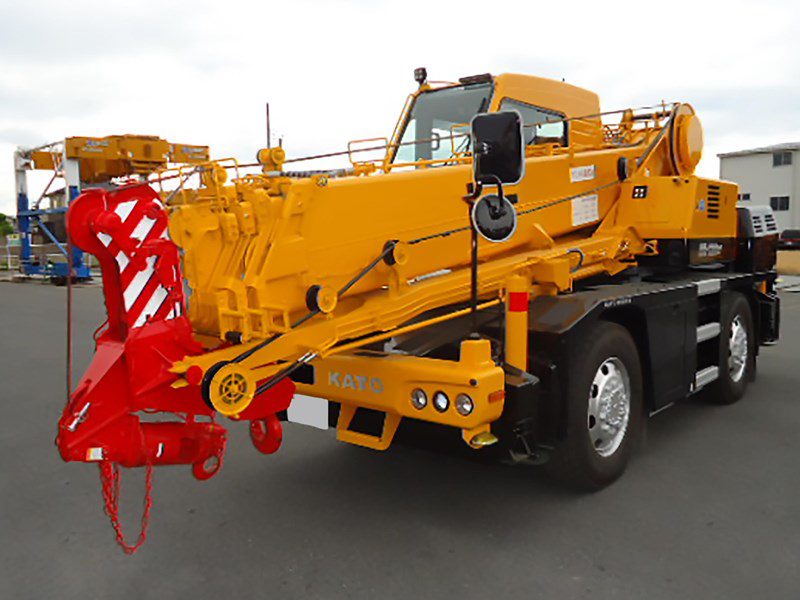
Mobile crane hire continues to play a foundational role, particularly in infrastructure projects that stretch across large areas or require frequent repositioning. Roads, rail upgrades, utility installations—these are dynamic environments where the ability to move equipment quickly is as important as lifting capacity itself.
In Western Sydney, this dynamic is especially visible. The region has become a focal point for infrastructure investment, with new transport links, logistics hubs, and residential developments reshaping the landscape. Within this context, the phrase “franna crane hire western Sydney” points to a specific kind of adaptability.
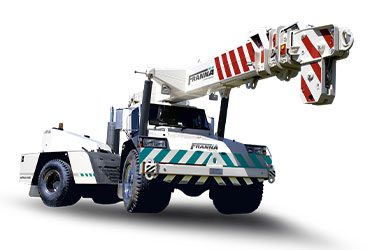
Franna cranes, developed in Australia, are designed for pick-and-carry operations. They do not require outriggers in the same way traditional cranes do, allowing them to lift and transport loads across a site with relative ease. In a region where construction zones are active, expansive, and often evolving in real time, this mobility is not just useful—it is essential.
Their role illustrates a broader truth: as infrastructure projects become more complex, the ability to integrate lifting operations seamlessly into the flow of work becomes a defining advantage.
The Vertical Imperative
If mobile cranes represent movement, tower crane hire represents permanence—at least for the duration of a project. These cranes dominate skylines not only because of their height but because of what they enable.
High-rise construction would be difficult, if not impossible, without tower cranes. Their capacity to lift heavy materials to significant heights, and to do so consistently over long periods, makes them indispensable for vertical development. In cities where land is scarce and demand for housing remains high, building upward is often the only viable option.
But tower cranes are more than just tools of scale. They are deeply embedded in the planning of a project. Their placement, height, and reach influence how a building is constructed, how materials are delivered, and how work progresses from one stage to the next.
In Australia, where urban density is increasing, the presence of tower cranes has become almost symbolic of growth. Yet their use also requires careful coordination. Installation often involves road closures and regulatory approvals. Operation must account for wind conditions, surrounding structures, and the safety of workers and the public below.
In this sense, tower cranes reflect the balance that modern construction must strike between ambition and control.
Precision in Constrained Spaces
As cities grow denser, another type of crane has gained prominence: the luffing crane. Unlike traditional tower cranes with fixed horizontal jibs, luffing cranes can raise and lower their jib, allowing them to operate within a smaller footprint.
Luffing crane hire has become increasingly relevant in inner-city environments, where multiple construction projects may exist side by side. In such settings, airspace becomes a shared and limited resource. The ability to adjust the crane’s working radius reduces the risk of interference with nearby structures or other cranes.
This is not simply a matter of convenience. It is a response to the realities of urban living, where construction must coexist with residential buildings, commercial activity, and public infrastructure. Noise, safety, and visual impact all come into play.
The rise of luffing cranes signals a shift toward greater precision in construction practices. It reflects an industry that is learning to operate within tighter boundaries, both physical and social.
Safety as a Moving Target
With increased complexity comes increased responsibility. Australia’s crane operations are governed by stringent safety standards, shaped by decades of regulatory evolution and industry experience.
Operators are required to undergo rigorous training, and equipment must meet strict maintenance and certification requirements. But compliance alone does not capture the full picture. Safety in modern construction is as much about culture and expectation as it is about regulation.
In highly visible urban environments, the margin for error is effectively zero. Cranes operate above public spaces, near occupied buildings, and alongside other critical infrastructure. The risks are managed through a combination of planning, technology, and human oversight.
Digital tools are playing an increasingly important role. Load monitoring systems, real-time data tracking, and simulation software allow teams to anticipate challenges before they arise. In some cases, entire lifting operations are mapped out virtually, reducing uncertainty on site.
These advancements are not merely incremental. They represent a shift toward a more predictive, data-driven approach to safety—one that aligns with broader trends in construction and engineering.
Technology and the Changing Worksite
Beyond safety, technology is reshaping how cranes are used and managed. Telematics systems provide insights into equipment performance, usage patterns, and maintenance needs. This data allows for more efficient scheduling and reduces the likelihood of unexpected downtime.
Automation, while still emerging, is beginning to influence certain aspects of crane operation. Remote-controlled systems and semi-autonomous functions are being explored, particularly in environments that pose higher risks to human operators.
Sustainability is another growing consideration. Electric and hybrid cranes are gradually entering the market, offering reduced emissions and quieter operation. In densely populated areas, where construction noise and environmental impact are under increasing scrutiny, these innovations are likely to gain traction.
Taken together, these developments point to an industry in transition. Crane hire is no longer just about providing equipment; it is about integrating technology, data, and environmental considerations into the construction process.
The Invisible Framework of Growth
It is easy to think of cranes as temporary fixtures—present during construction and gone once a project is complete. But their influence extends far beyond their physical presence.
The availability and capability of crane hire shape how projects are designed, scheduled, and executed. They affect costs, timelines, and even architectural choices. In regions like Western Sydney, where growth is rapid and multifaceted, these factors play a critical role in determining how quickly and effectively new infrastructure can be delivered.
Mobile crane hire enables flexibility in sprawling developments. tower crane hire supports the vertical expansion of urban centers. Luffing crane hire allows construction to proceed in spaces that would otherwise be too constrained. Together, they form an interconnected system that underpins modern construction.
Looking Beyond the Skyline
For all their visibility, cranes remain oddly overlooked in discussions about urban development. Attention tends to focus on finished buildings, transport networks, and economic outcomes. The machinery that makes these achievements possible is often treated as a given.
But as Australia’s cities continue to evolve, the role of crane hire deserves closer attention. It offers a lens through which to understand the practical challenges of building in a changing environment—and the ways in which industry adapts to meet those challenges.
The next time you pass a construction site, it may be worth pausing to consider not just what is being built, but how. The cranes above are not simply lifting materials. They are shaping the pace, scale, and character of urban growth.