Spend a few minutes watching a construction site in any major Australian city and a pattern emerges. Materials rise, structures take shape, and above it all, cranes move with a kind of deliberate calm. They are so constant, so familiar, that it is easy to overlook their significance. Yet these machines—and the systems that support them—have become central to how Australia builds its cities today.
The evolution of crane hire reflects a broader transformation in construction itself. As urban areas grow denser and infrastructure projects become more ambitious, the role of cranes has shifted from simple lifting devices to strategic assets. Choices around mobile crane hire, tower crane hire, and luffing crane hire now influence not just how projects are executed, but how they are conceived in the first place.
Cities Under Pressure
Australia’s urban centers are under increasing pressure to do more with less space. Population growth, housing demand, and infrastructure expansion are converging in ways that reshape how cities develop. The outward sprawl that once defined suburban growth is now accompanied—sometimes overtaken—by a push toward higher density and more efficient land use.
In this environment, construction is no longer just about building; it is about fitting. Projects must navigate limited footprints, existing structures, and active communities. This is where crane hire becomes a defining factor. The type of crane selected can determine whether a project proceeds smoothly or encounters logistical bottlenecks.
The decision is rarely straightforward. Each crane type offers distinct advantages, and the context of the project—its location, scale, and constraints—guides the choice.
The Versatility of Movement
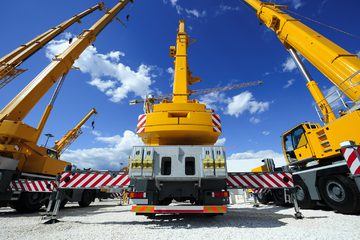
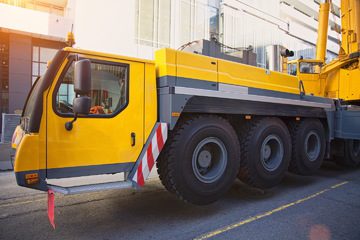
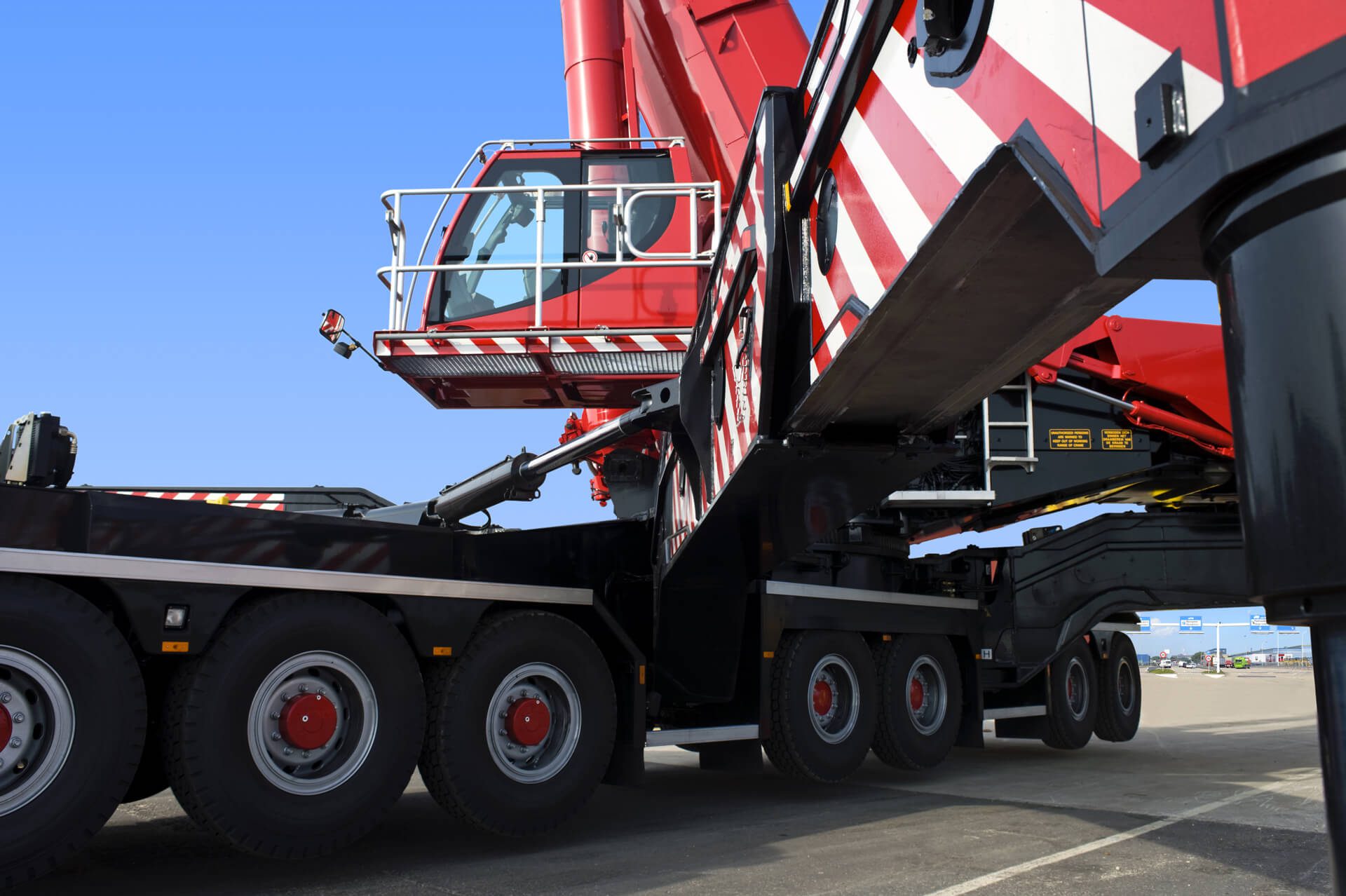
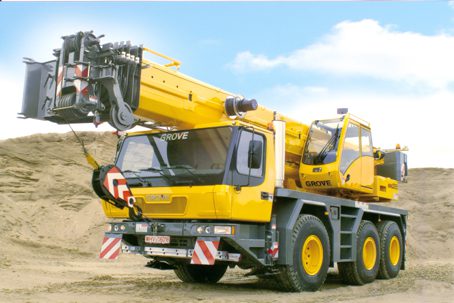
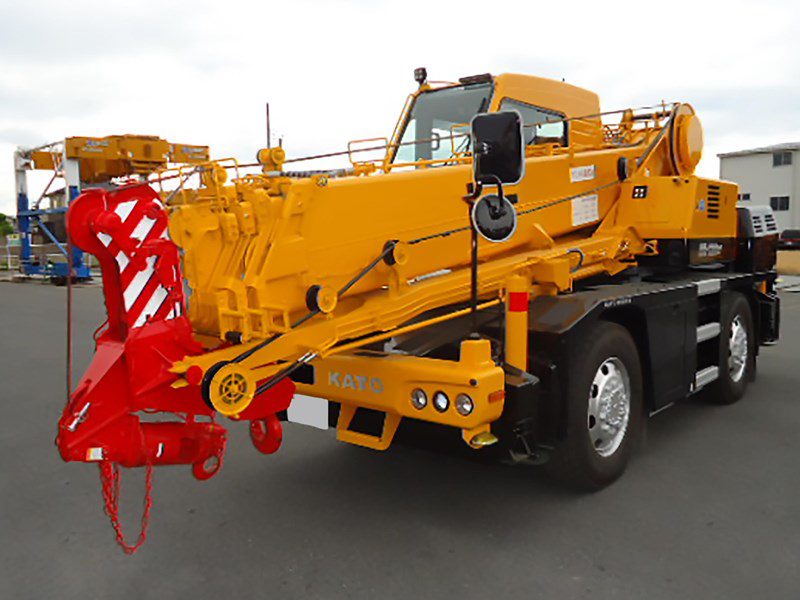
Mobile crane hire remains the backbone of many construction and infrastructure projects. These cranes, mounted on trucks or specialized carriers, are designed for flexibility. They can be transported easily, set up quickly, and repositioned as needed.
This adaptability makes them indispensable for large-scale infrastructure work. Road expansions, bridge construction, and utility installations often unfold across wide areas, where fixed equipment would be impractical. Mobile cranes can move with the project, responding to its shifting needs.
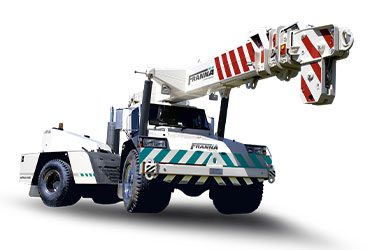
In Western Sydney, a region undergoing rapid transformation, this flexibility takes on added importance. The phrase “franna crane hire western Sydney” may seem specific, but it captures a broader dynamic. Franna cranes, developed in Australia, are particularly suited to environments where space is open but activity is constant. Their ability to lift and carry loads without stabilizing outriggers allows them to operate efficiently across active sites.
As new transport corridors and industrial zones emerge, these cranes become part of the region’s logistical backbone. They are not just supporting construction; they are enabling it to keep pace with demand.
Building Upward
While mobile cranes excel in movement, tower crane hire defines vertical construction. These cranes are a familiar sight in city centers, their tall structures rising alongside the buildings they help create.
Tower cranes are designed for endurance and reach. Once installed, they remain in place for the duration of a project, lifting heavy materials to significant heights with consistency. In high-rise developments, they are indispensable.
Australia’s growing emphasis on urban density has increased reliance on these cranes. Apartment complexes, office towers, and mixed-use developments all depend on the capabilities that tower cranes provide. Without them, the economics of building upward would be far less favorable.
But their presence introduces complexity. Installation requires careful coordination, often involving temporary disruptions to surrounding areas. Operation demands strict adherence to safety protocols, particularly in environments where people live and work nearby.
Tower cranes, in this sense, represent both possibility and constraint. They enable ambitious construction while requiring a high degree of planning and oversight.
Navigating Tight Spaces
In the most constrained urban environments, where buildings stand close together and space is at a premium, luffing crane hire offers a different solution. These cranes are designed to operate within limited airspace, with jibs that can be raised or lowered to avoid obstacles.
Their use has grown alongside the densification of Australian cities. In areas where multiple construction sites operate simultaneously, the ability to control a crane’s reach becomes critical. Luffing cranes reduce the risk of interference, allowing projects to proceed safely in close quarters.
This capability reflects a broader shift in construction priorities. Efficiency is no longer measured solely in speed or capacity. It is also about minimizing disruption, managing risk, and coexisting with the surrounding environment.
In dense urban settings, these considerations are not optional. They are integral to the success of a project.
Safety in an Evolving Landscape
As crane operations become more complex, safety expectations have evolved accordingly. Australia maintains some of the most stringent safety standards in the construction industry, and crane hire is no exception.
Operators must undergo extensive training, and equipment is subject to rigorous inspection and certification processes. Regulatory frameworks have developed over time, shaped by both technological advancements and lessons learned from past incidents.
Yet safety today extends beyond compliance. It is increasingly proactive, supported by technology and data. Modern cranes are equipped with sensors that monitor loads, wind conditions, and operational limits in real time. Digital tools allow teams to simulate lifts before they occur, identifying potential risks in advance.
In urban environments, where cranes operate above public spaces, this level of oversight is essential. The margin for error is minimal, and the consequences of failure are significant.
Public awareness also plays a role. Construction sites are no longer hidden from view; they are part of daily life. This visibility reinforces the expectation that operations will be conducted with precision and care.
Technology and Transformation
Technological innovation is reshaping crane hire in ways that are both subtle and profound. Telematics systems provide detailed insights into equipment performance, enabling more efficient use and maintenance. Data analytics help optimize scheduling, reducing downtime and improving productivity.
Automation, while still in its early stages, is beginning to influence the industry. Remote-controlled cranes and semi-autonomous features are being tested, particularly in environments where safety risks are higher.
Sustainability is another emerging factor. As cities grapple with environmental challenges, construction practices are coming under greater scrutiny. Electric and hybrid cranes offer a way to reduce emissions and noise, aligning with broader efforts to make urban development more sustainable.
These changes are not happening in isolation. They are part of a wider transformation in how construction is approached—one that emphasizes efficiency, safety, and environmental responsibility.
The Hidden Framework of Urban Growth
It is tempting to think of cranes as temporary fixtures, present only during the construction phase. But their influence extends far beyond the sites they occupy.
The availability and capability of crane hire shape how projects are designed and executed. They affect timelines, costs, and even architectural decisions. In regions experiencing rapid growth, such as Western Sydney, these factors can determine how quickly new infrastructure and housing are delivered.
mobile crane hire supports the flexibility needed for large-scale projects. Tower crane hire enables the vertical expansion of urban centers. Luffing crane hire allows construction to proceed in spaces that would otherwise be too constrained. Together, they form a system that underpins modern construction.
Looking More Closely
Cranes are not often the focus of public attention, but they offer a revealing perspective on how cities are built. Their evolution reflects the pressures and priorities of contemporary urban development.
As Australia continues to grow, the demands placed on construction will only increase. Projects will become more complex, sites more constrained, and expectations higher. In this context, the role of crane hire will continue to expand, adapting to meet the needs of a changing landscape.
The next time you see a crane against the skyline, it may be worth considering what it represents. Not just a piece of machinery, but a critical link in the chain of urban development—a quiet force shaping the cities of the future.