Stand at the edge of almost any Australian city—Sydney, Melbourne, Brisbane—and your eye is drawn upward. Not just to the buildings themselves, but to the machines that make them possible. Cranes have become so embedded in the urban landscape that they often fade into the background, their slow, deliberate movements barely noticed. Yet behind that quiet presence lies a story about how cities are growing, densifying, and adapting—and how crane hire has evolved to meet those demands.
To understand modern construction in Australia, you have to look not just at what is being built, but at how it is being built. And increasingly, that story is one of specialization, flexibility, and precision—qualities embodied in the shifting role of mobile crane hire, tower crane hire, and luffing crane hire across the country.
A More Complex Skyline Requires Smarter Tools
Australia’s construction boom over the past two decades has not simply been about scale. It has been about complexity. Cities like Sydney are no longer expanding outward as much as they once did; instead, they are building upward and inward, reshaping existing urban spaces into denser, mixed-use environments.
This shift has profound implications for construction logistics. Traditional approaches—large, static machinery operating on wide, open sites—are often impractical in tightly constrained urban areas. Instead, projects demand equipment that can adapt to limited space, strict timelines, and heightened safety expectations.
That is where different forms of crane hire begin to diverge in both purpose and importance.
Tower crane hire remains synonymous with high-rise construction. These cranes dominate the skylines because they are uniquely suited to vertical building. Fixed to the ground or integrated into the structure itself, they provide the height and lifting capacity required for skyscrapers and major commercial developments. Their presence signals long-term, large-scale projects—often the kind that reshape entire districts.
But not all projects fit that model. Increasingly, construction sites are fragmented, squeezed between existing buildings or layered over active infrastructure. In these environments, luffing crane hire has become indispensable. Unlike traditional tower cranes, luffing cranes can adjust their jib angle, allowing them to operate within tight airspace constraints. In dense urban centers, where multiple cranes may need to work without overlapping, this flexibility is not just useful—it is essential.
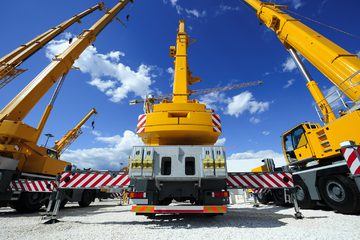
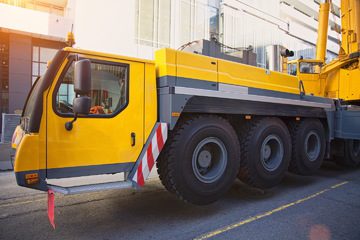
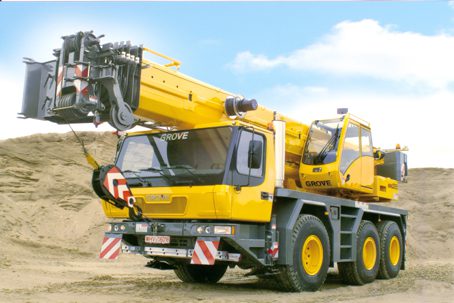
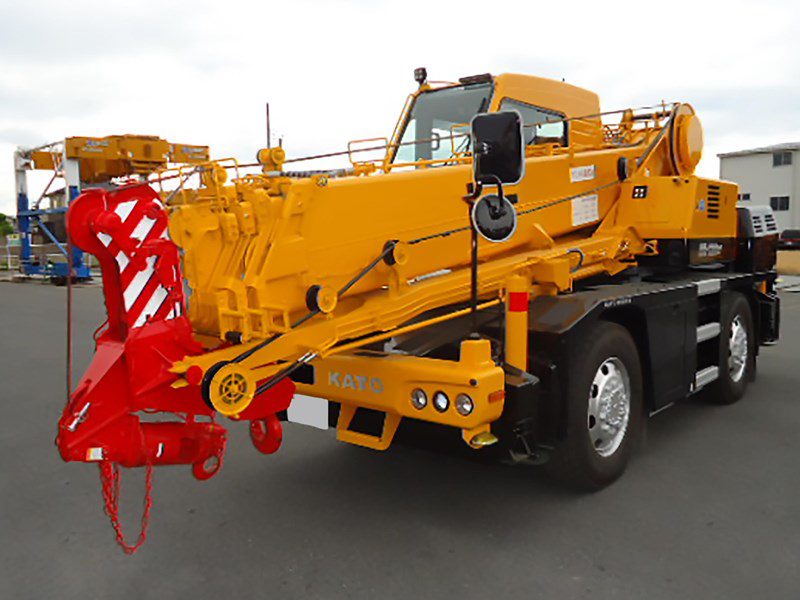
Then there is mobile crane hire, a category that reflects the industry’s growing need for mobility and responsiveness. These cranes can be deployed quickly, moved easily, and used across a wide variety of tasks, from short-term lifts to complex infrastructure work. They are the quiet workhorses of the construction ecosystem, often bridging the gaps between larger, more permanent systems.
The Localized Role of Franna Cranes in Urban Growth
Within this broader landscape, the role of franna crane hire northern sydney offers a more localized, but no less significant, example of how crane technology is adapting to urban density.
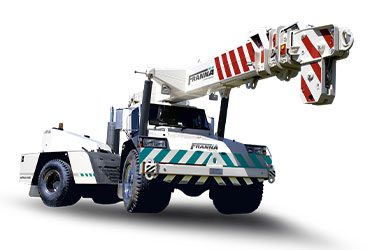
Franna cranes—pick-and-carry mobile cranes—are uniquely suited to environments where both lifting and movement are required simultaneously. Unlike larger cranes that must remain stationary during operation, franna cranes can transport loads across a site. This makes them particularly valuable in suburban and semi-urban construction zones, where space is limited but not entirely constrained.
In northern Sydney, where residential development, infrastructure upgrades, and commercial projects often overlap, these cranes play a subtle yet crucial role. They are used in everything from utility installations to small-scale building projects, enabling work to proceed efficiently without the need for larger, more disruptive machinery.
Their importance lies not in their size or visibility, but in their adaptability. As cities expand into more nuanced patterns—blending residential, commercial, and public infrastructure—equipment like franna cranes helps maintain continuity in construction processes. They are, in a sense, the connective tissue of urban development.
Infrastructure, Scale, and the Changing Nature of Projects
If high-rise buildings define the skyline, infrastructure projects define the backbone of modern cities. Australia’s investment in transport, energy, and public works has created a different set of demands for crane hire.
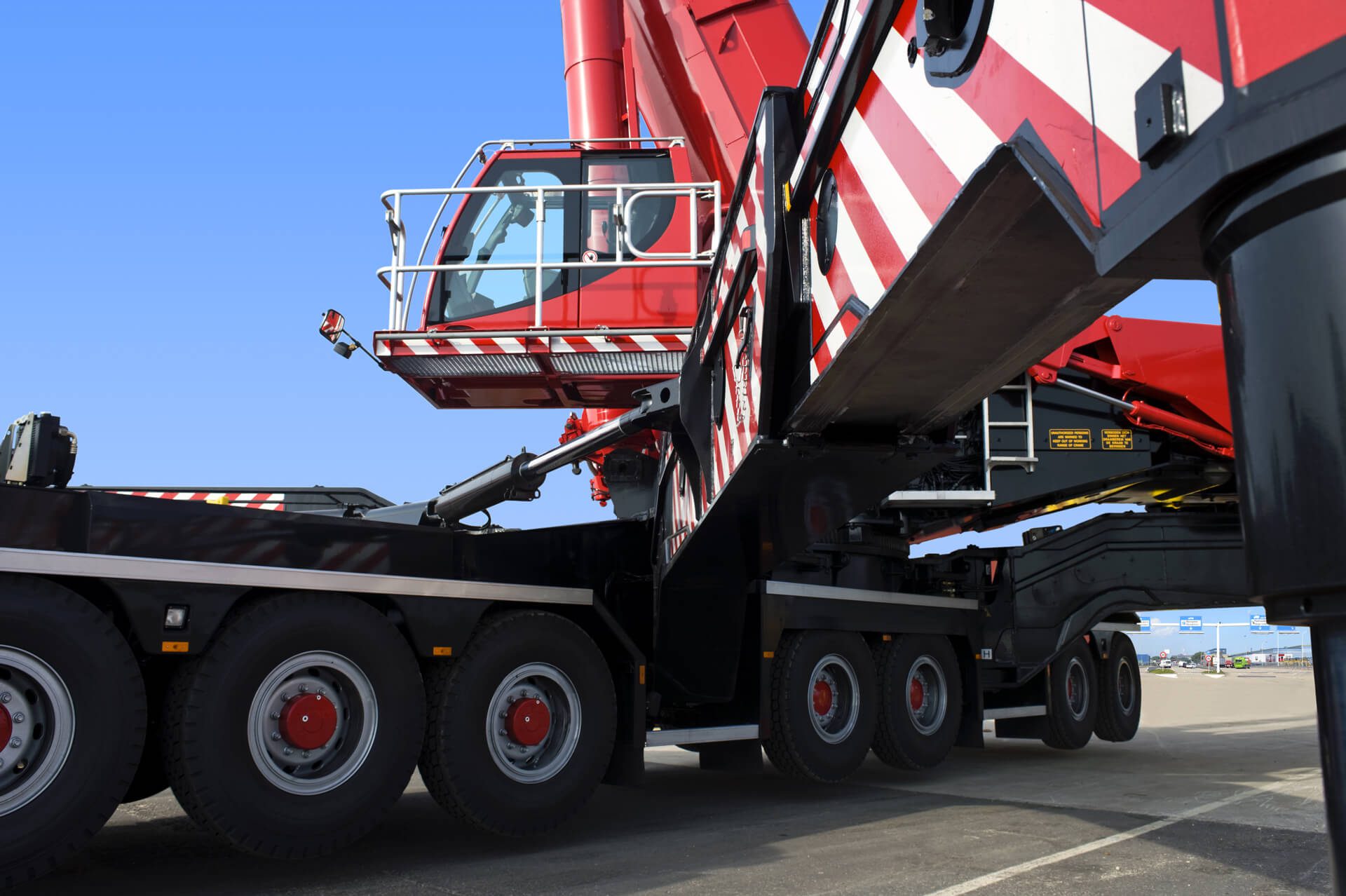
Large infrastructure projects—rail corridors, highway expansions, renewable energy installations—often require heavy lifting over extended distances and challenging terrain. Here, mobile crane hire takes on a different dimension. Larger, more powerful mobile cranes are deployed to handle oversized components, from bridge segments to wind turbine parts.
The scale of these projects introduces logistical challenges that go beyond lifting capacity. Transporting cranes to remote locations, assembling them on-site, and coordinating their operation within tight schedules all require careful planning. The crane hire industry has had to evolve accordingly, offering not just equipment but integrated services that include transport, setup, and compliance management.
At the same time, urban infrastructure projects—such as metro rail systems or road upgrades—bring their own complexities. These often take place in active environments, where construction must coexist with daily life. Noise restrictions, traffic management, and safety protocols all shape how cranes are used.
In such contexts, the distinction between different crane types becomes less about preference and more about necessity. The wrong equipment can slow a project down; the right one can make it viable.
Safety as a Moving Target
Underlying all of this is a regulatory and cultural shift toward stricter safety standards. Australia has long maintained a strong framework for workplace safety, but the increasing complexity of construction has pushed these standards even further.
Cranes, by their nature, introduce significant risk. The combination of heavy loads, height, and dynamic movement requires precise coordination and constant vigilance. Over time, this has led to more rigorous certification requirements, operator training programs, and site-specific risk assessments.
The evolution of crane hire has been closely tied to these developments. Modern cranes are equipped with advanced safety features—load moment indicators, anti-collision systems, and real-time monitoring tools—that help mitigate risk. Operators are supported by digital systems that provide greater visibility into crane performance and environmental conditions.
Yet safety is not just a matter of technology. It is also shaped by the pressures facing the construction industry. Tight deadlines, budget constraints, and the demand for rapid urban development can create tension between efficiency and caution. The challenge for the industry has been to maintain high safety standards without compromising productivity.
In many ways, this balance defines the current moment. Crane hire is no longer just about providing machinery; it is about enabling safe, efficient construction in increasingly complex environments.
Technology and the Future of Crane Operations
Looking ahead, technological innovation is likely to further transform the role of crane hire in Australia. Automation, data analytics, and remote operation are already beginning to influence how cranes are used.
Some of these changes are incremental. Telematics systems, for example, allow operators and project managers to track crane usage, monitor performance, and anticipate maintenance needs. This improves efficiency and reduces downtime, particularly on large projects where delays can be costly.
Other developments are more transformative. The integration of Building Information Modeling (BIM) with crane operations enables more precise planning of lifts, reducing uncertainty and improving coordination across teams. In dense urban environments, where margins for error are small, this level of precision can make a significant difference.
There is also growing interest in automation and remote control technologies. While fully autonomous cranes remain a future prospect, elements of automation are already being introduced to enhance safety and consistency.
At the same time, environmental considerations are beginning to shape the industry. The push toward lower emissions and more sustainable construction practices is prompting changes in crane design and operation. Hybrid and electric models are being explored, particularly for use in urban areas where noise and emissions are closely regulated.
A Quiet but Defining Presence
For all their size and visibility, cranes are rarely the focus of public attention. They are tools, not destinations. Yet their evolving role offers a window into the broader dynamics of urban development in Australia.
The rise of mobile crane hire reflects a need for flexibility in an increasingly fragmented construction landscape. The continued dominance of tower crane hire underscores the scale of vertical growth in major cities. The growing importance of luffing crane hire highlights the constraints of dense urban environments. And the localized relevance of franna crane hire northern sydney points to the nuanced, ground-level realities of building within established communities.
Taken together, these trends reveal an industry that is adapting—not just to build more, but to build differently. As Australian cities continue to evolve, the cranes that shape them will remain both a constant presence and a quiet indicator of change.