Stand in any fast-growing Australian city long enough and you begin to notice a pattern. It is not just the rising buildings or the steady churn of construction sites, but the choreography above them—the measured, almost deliberate motion of cranes shaping the skyline. These machines, often taken for granted, have become central to how Australia builds, expands, and adapts. And behind their presence lies a less visible but increasingly influential system: the evolving role of crane hire.
Crane hire today is not simply a matter of renting equipment. It reflects a broader transformation in construction—one driven by urban density, infrastructure demand, regulatory pressure, and technological change. To understand where Australian cities are heading, it is worth looking up, and then a little deeper.
A Shift Toward Flexibility in Construction
There was a time when large construction firms commonly owned their heavy machinery, including cranes. That model has steadily given way to something more fluid. Projects vary too widely in scale and complexity for a single fleet to meet every need efficiently. Crane hire has filled that gap, allowing contractors to match specific machines to specific challenges.
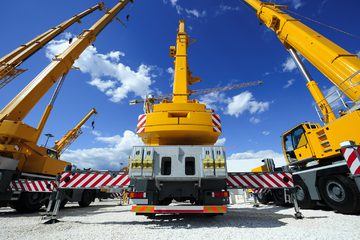
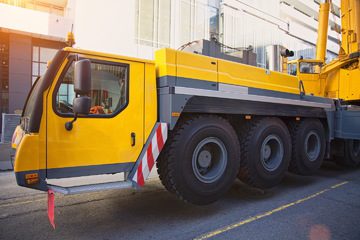
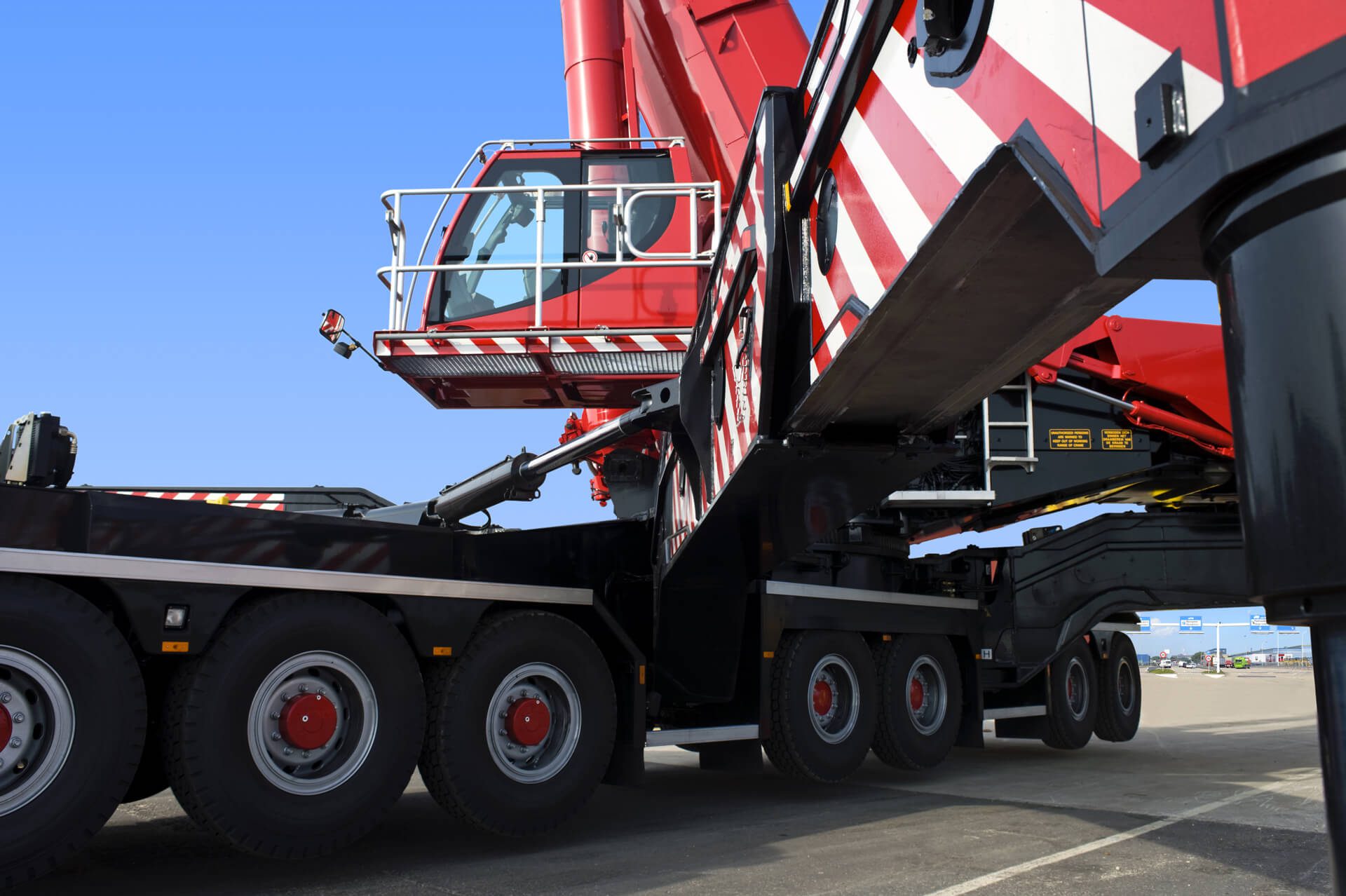
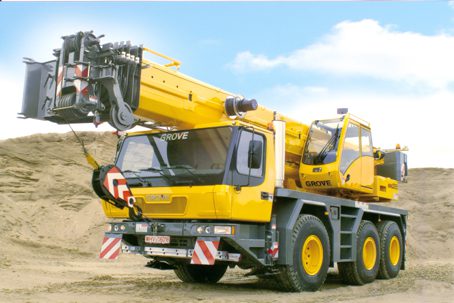
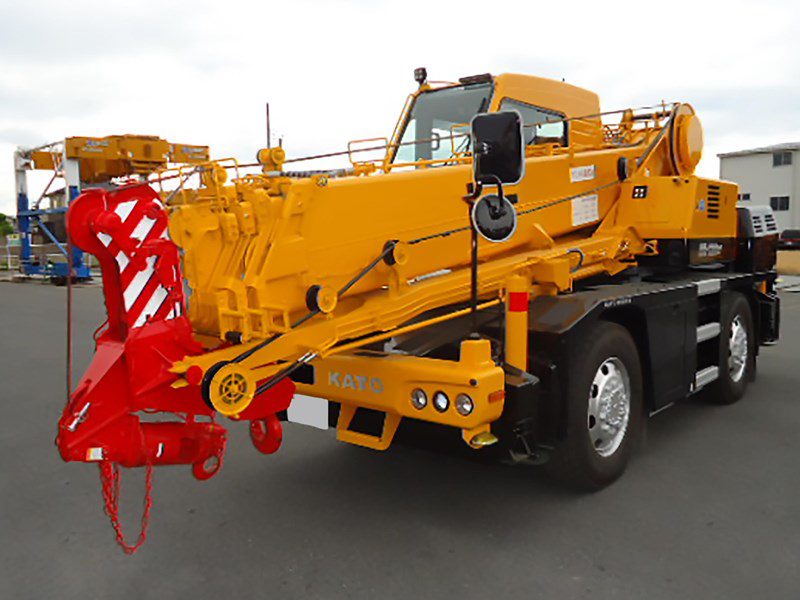
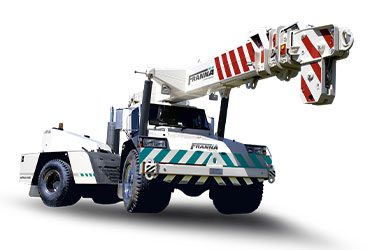
In this context, mobile crane hire has become a cornerstone of modern construction logistics. These cranes are defined by their adaptability. Mounted on trucks or crawlers, they can move between sites with relative ease, making them indispensable for infrastructure projects that stretch across regions rather than staying confined to a single footprint. Road upgrades, bridge installations, and utility works all rely on this kind of mobility. In a country where distance shapes both planning and execution, flexibility is not optional—it is foundational.
Yet flexibility alone does not define the industry’s trajectory. As Australian cities grow denser, the nature of construction itself is changing, and with it, the demands placed on crane hire.
Building Vertically, Building Carefully
Urban development in Australia has entered a phase where building upward is often more viable than expanding outward. This shift has brought tower crane hire into sharper focus. Tower cranes, with their height and lifting capacity, are synonymous with high-rise construction. They operate as fixed points within a project, often installed early and remaining until completion, facilitating the steady upward progression of a building.
But vertical growth comes with spatial constraints. In dense city centres, construction sites are hemmed in by existing structures, narrow streets, and active communities. The margin for error shrinks, and conventional crane operations become more difficult to manage.
This is where luffing crane hire plays a critical role. Unlike standard tower cranes, luffing cranes can adjust the angle of their jib, allowing them to operate within tighter airspace. Their ability to minimize overswing makes them particularly suited to crowded urban environments, where a crane’s reach must be carefully controlled to avoid encroaching on neighboring properties.
The relevance of this capability extends beyond major metropolitan areas. In regions like the Southern Highlands, where development is increasing but space and environmental considerations remain sensitive, the phrase “luffing crane hire southern highlands” reflects a nuanced shift. It points to construction that must balance growth with context—where projects are integrated into existing landscapes rather than imposed upon them.
Matching the Machine to the Moment
Each category of crane represents a different response to the challenges of modern construction. Understanding how they are used in real-world scenarios reveals how integral crane hire has become to project planning.
Mobile cranes are often the first to arrive and the first to leave. Their strength lies in short-term, high-impact tasks. They are used to lift prefabricated components into place, assist in infrastructure assembly, and respond to time-sensitive requirements. Their presence is transient but essential.
Tower cranes, by contrast, define the life cycle of large-scale developments. They are embedded in the project, supporting the gradual layering of materials that form high-rise buildings. Their efficiency lies in repetition and reliability, handling consistent loads over extended periods.
Luffing cranes occupy a more specialized space. They are deployed where constraints dictate precision—inner-city developments, mixed-use projects, and sites where proximity to surrounding structures limits conventional movement. Their value is not just in what they can lift, but in where and how they can operate.
These distinctions are not merely operational. They influence architectural decisions, scheduling, and cost management. In many cases, the feasibility of a project depends on selecting the right crane strategy from the outset.
Safety in an Increasingly Complex Environment
As crane operations become more central to construction, safety has taken on greater significance. Australia’s regulatory framework has evolved to reflect this reality, placing stringent requirements on both equipment and personnel.
Organizations such as Safe Work Australia set national standards that guide everything from operator certification to equipment maintenance. These standards are not static; they are continually updated in response to new risks, technological advancements, and lessons learned from past incidents.
Modern crane operations are built on detailed planning. Before a lift takes place, engineers and operators assess load weights, environmental conditions, and site constraints. Digital tools now allow for precise simulations, helping teams anticipate challenges before they arise. Wind speed, once a variable managed largely through experience, is now monitored in real time, with automated alerts guiding decision-making.
The emphasis on safety extends beyond the construction site itself. As urban projects bring cranes closer to residential and commercial areas, public safety becomes part of the equation. The presence of a crane is no longer confined to a controlled environment; it is visible, and its operation must account for the broader community.
Technology and the Changing Nature of Work
Technology is reshaping crane hire in ways that are both subtle and profound. Telematics systems provide continuous data on crane performance, allowing operators and managers to track usage, identify inefficiencies, and schedule maintenance before problems occur.
Automation, while still emerging, is beginning to influence how cranes are operated. Assisted lifting systems can enhance precision, particularly in repetitive tasks, reducing the cognitive load on operators. This is particularly relevant in an industry facing a shortage of skilled labor, where retaining experienced operators and training new ones has become a pressing concern.
At the same time, technology is raising the bar for expertise. Operating a crane today involves more than mechanical skill; it requires familiarity with digital interfaces, data interpretation, and increasingly sophisticated control systems. The role of the operator is evolving, becoming as much about information management as physical operation.
Pressures and Possibilities
The demand for crane hire in Australia is closely tied to broader economic and social trends. Infrastructure investment, population growth, and housing demand all contribute to a steady pipeline of construction activity. But the industry also faces mounting pressures.
Costs have risen, driven by supply chain disruptions and the increasing complexity of projects. Regulatory compliance adds another layer of responsibility, requiring ongoing investment in training and equipment. Environmental considerations are also becoming more prominent, with growing attention to the carbon footprint of construction activities.
These pressures are prompting innovation. Companies are exploring more energy-efficient cranes, alternative fuels, and smarter logistics to reduce environmental impact. The goal is not just to build more, but to build more responsibly.
Why Crane Hire Matters More Than Ever
It is tempting to see cranes as symbols rather than systems—as visual markers of growth rather than active participants in it. But this perspective overlooks their deeper significance.
Crane hire shapes what is possible in construction. It determines how quickly projects can move, how safely they can operate, and how effectively they can adapt to changing conditions. Whether through mobile crane hire supporting expansive infrastructure networks, tower crane hire enabling vertical urban growth, or luffing crane hire navigating the constraints of dense environments, the industry underpins the physical transformation of Australia.
In places like the Southern Highlands, where development must be carefully balanced with environmental and community considerations, the role of specialized solutions such as luffing crane hire becomes even more pronounced. It is a reminder that growth is not uniform; it is negotiated, site by site, decision by decision.
The next time a crane comes into view—whether towering above a city block or moving quietly along a regional roadway—it is worth considering what it represents. Not just construction, but coordination. Not just machinery, but strategy. In the evolving landscape of Australian development, crane hire is no longer a background function. It is, in many ways, one of the quiet architects of change.