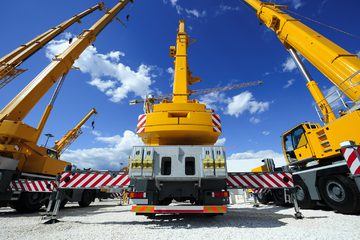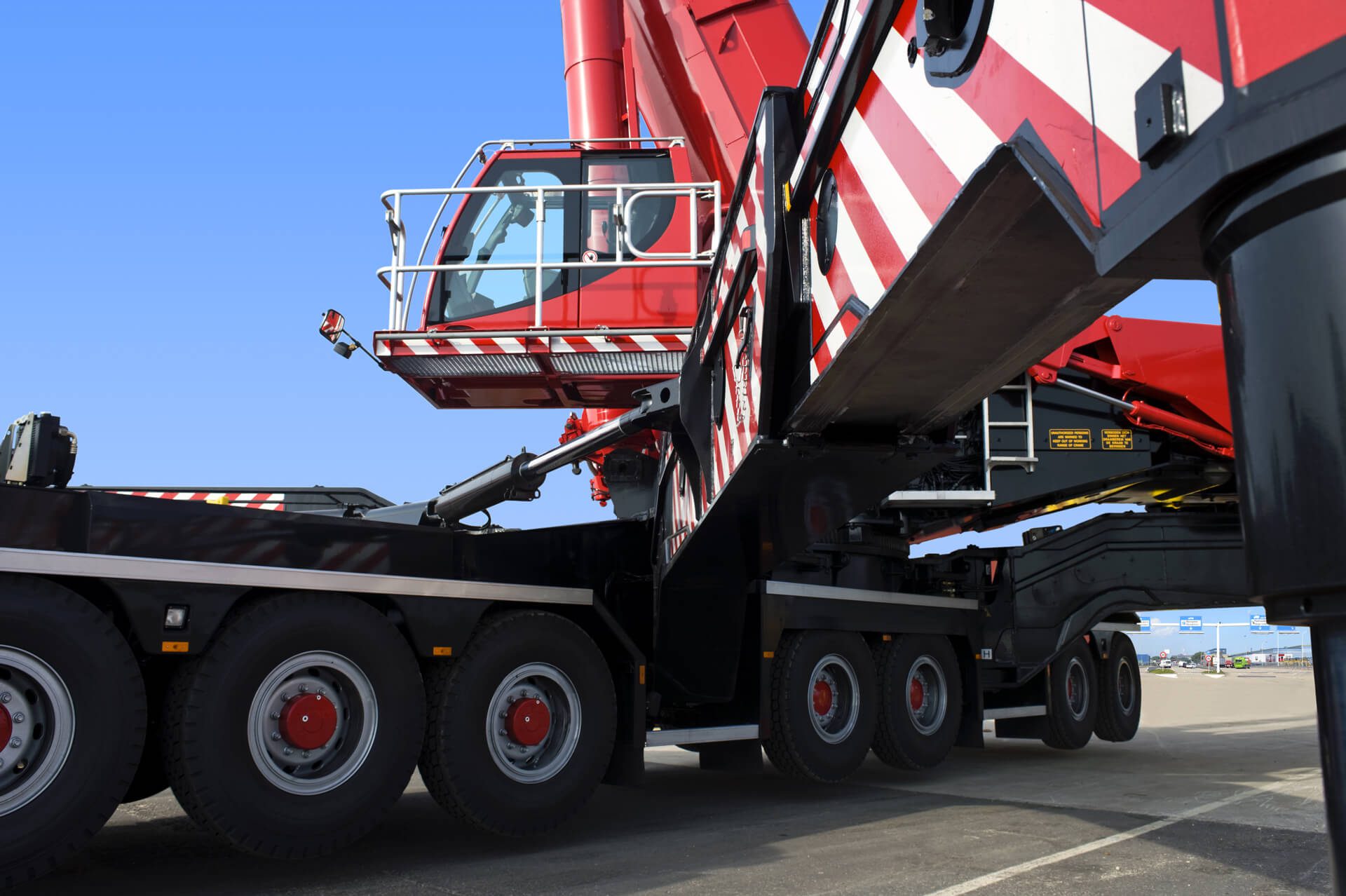
If you want to understand how a city is changing, you could study planning documents or follow investment flows. Or you could simply look up. The cranes scattered across Australia’s skylines—some fixed and towering, others mobile and fleeting—tell a story that is at once practical and profound. They are not just tools of construction; they are indicators of how development is adapting to a more complex, constrained, and demanding urban future.
At the center of this story is crane hire. Once considered a straightforward logistical arrangement, it has become a critical layer in how projects are conceived and delivered. In an environment where no two construction sites are quite the same, the ability to match the right crane to the right task has quietly reshaped the possibilities of modern building.
From Ownership to Adaptation
There was a time when large contractors maintained their own fleets of cranes, investing heavily in equipment that would serve across multiple projects. That model has steadily given way to something more flexible. Today’s construction landscape is too varied, too specialized, for a one-size-fits-all approach.
Crane hire offers a different logic. Instead of committing to a fixed inventory, builders draw on a broader ecosystem of equipment, selecting machines based on the unique demands of each site. This shift reflects a deeper change in construction itself, where adaptability has become as important as scale.
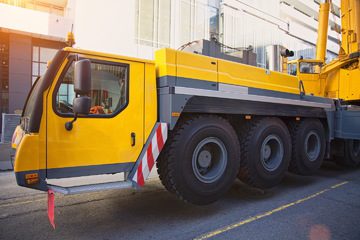
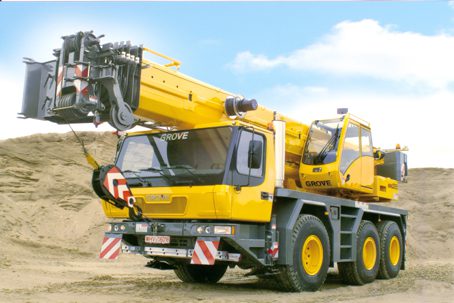
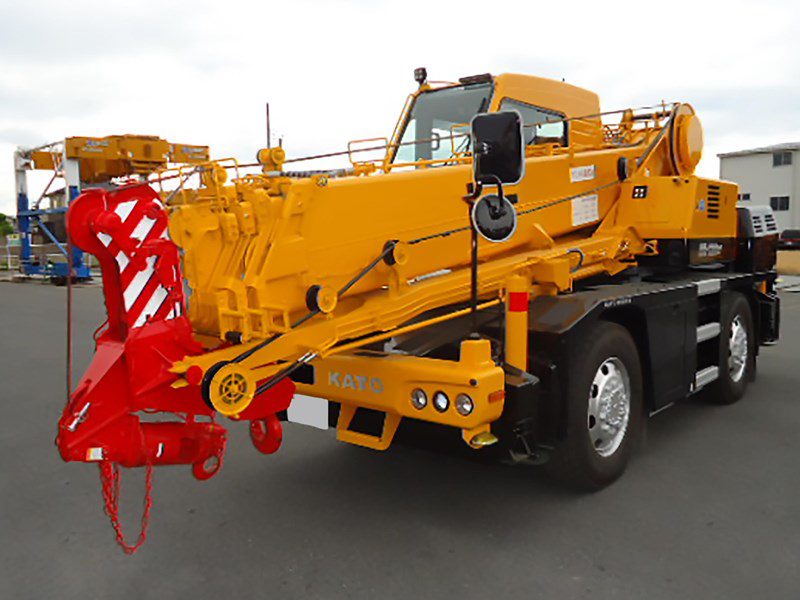
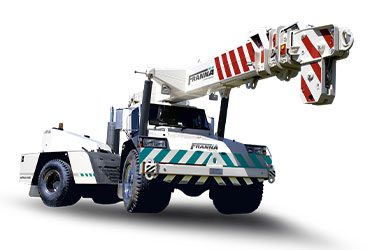
Consider the role of mobile crane hire. These cranes are, by design, transient. They move between sites, responding to immediate needs—lifting prefabricated components into place, assisting with infrastructure assembly, or handling short-term logistical challenges. In a country like Australia, where projects often span large distances, mobility is not just efficient; it is essential. Without it, the pace of infrastructure development would slow considerably.
Yet as important as mobility is, it does not define the full picture. Australia’s cities are not just expanding; they are intensifying. And that shift brings a different set of requirements.
The Rise of Vertical Construction
In urban centers where land is scarce and demand remains high, building upward has become the default response. High-rise residential and commercial developments now dominate many city skylines, and with them comes the growing prominence of tower crane hire.
Tower cranes are not simply larger versions of their mobile counterparts. They represent a different philosophy of construction. Installed early in a project, they remain in place for months or even years, supporting the gradual layering of materials that defines vertical building. Their reach and lifting capacity make them indispensable for high-rise work, where efficiency depends on the ability to move heavy loads across significant heights.
But vertical growth introduces new constraints. As buildings rise closer together, the available space for crane operation shrinks. Airspace becomes contested. The risk of interference with neighboring structures increases. In such environments, precision becomes as important as power.
Building Within Limits
This is where luffing crane hire has emerged as a crucial solution. Luffing cranes are designed to operate in restricted spaces, with a jib that can be raised or lowered to control its working radius. This allows them to function effectively in environments where traditional cranes might pose a risk or simply be impractical.
Their relevance is particularly evident in areas experiencing controlled, context-sensitive growth. The increasing demand for luffing crane hire southern highlands is a case in point. The Southern Highlands region, with its mix of expanding infrastructure and established communities, illustrates how development is no longer confined to major metropolitan centers. Growth is spreading, but it is doing so under closer scrutiny—environmental, social, and spatial.
In such settings, the choice of crane becomes part of a broader negotiation. It is not just about completing a project, but about doing so in a way that respects the surrounding landscape and community. Luffing cranes, with their ability to operate discreetly within tight boundaries, embody this balance.
Different Tools for Different Realities
The distinctions between crane types are best understood through the scenarios in which they are used. Mobile cranes excel in situations that demand flexibility. They are the workhorses of infrastructure projects, capable of adapting to changing conditions and moving quickly between locations.
Tower cranes, by contrast, are central to long-term developments. Their presence defines the construction phase of a building, providing the consistent lifting capacity required to sustain progress over time. They are less about adaptability and more about reliability.
Luffing cranes occupy a more specialized role. They are chosen for their ability to operate within constraints—whether in dense urban cores or environmentally sensitive regions. Their advantage lies not in scale, but in control.
These differences are not merely operational. They influence how projects are planned, how timelines are structured, and even how architects approach design. In many cases, the feasibility of a development depends on selecting the right combination of crane capabilities.
Safety in a More Demanding Landscape
As crane operations have become more central to construction, the expectations around safety have intensified. Australia’s regulatory framework reflects this shift, with oversight guided by organizations such as Safe Work Australia.
The evolution of these standards tells its own story. Where once safety was largely procedural, it is now deeply integrated into every stage of a project. Operators undergo rigorous training, equipment is subject to strict maintenance protocols, and every lift is planned in detail.
Technology has played a significant role in this transformation. Digital modeling tools allow teams to simulate lifts before they occur, identifying potential risks and optimizing execution. Sensors and monitoring systems provide real-time data, enabling operators to respond to changing conditions with greater precision.
This shift toward proactive safety reflects the realities of modern construction. As sites become more complex and more visible to the public, the margin for error narrows. A crane is no longer an isolated piece of machinery; it is part of a shared urban environment.
Innovation and the Changing Nature of Work
Beyond safety, technology is reshaping crane hire in ways that are both practical and transformative. Telematics systems track performance, helping companies manage fleets more efficiently and reduce downtime. Predictive maintenance, informed by real-time data, allows issues to be addressed before they disrupt operations.
Automation is also beginning to influence the field. While fully autonomous cranes remain a future prospect, assisted systems are already improving accuracy and reducing operator fatigue. These advancements are particularly significant in an industry facing a shortage of skilled labor.
At the same time, the role of the crane operator is evolving. It now requires a blend of mechanical expertise and digital literacy. Operators must navigate increasingly sophisticated systems, interpret data, and make decisions in real time. The job has become more complex, reflecting broader changes in the nature of work across construction.
Pressures and Possibilities
The crane hire industry does not operate in isolation. It is shaped by the same forces that influence construction more broadly—economic cycles, policy decisions, and environmental concerns. Infrastructure investment has driven demand, while housing pressures have sustained it.
But the industry also faces challenges. Rising costs, supply chain disruptions, and regulatory requirements all add layers of complexity. At the same time, expectations around sustainability are growing. Construction is under increasing scrutiny for its environmental impact, and crane operations are part of that conversation.
In response, companies are exploring more efficient equipment and alternative energy sources. The goal is not simply to meet demand, but to do so in a way that aligns with evolving standards and expectations.
The Subtle Force Behind Visible Change
It is easy to overlook crane hire as a background function, something that supports construction rather than shapes it. But this perspective underestimates its influence.
Crane hire determines what can be built, where it can be built, and how efficiently projects can progress. It enables infrastructure to expand, allows cities to grow vertically, and makes it possible to build within increasingly constrained environments.
Whether through mobile crane hire supporting large-scale infrastructure, tower crane hire enabling high-rise development, or luffing crane hire navigating tight urban and regional spaces, the industry has become an integral part of Australia’s growth story.
In places like the Southern Highlands, where development must be balanced with context, this role becomes even more apparent. The choice of crane is not just a technical decision; it is a reflection of how growth is managed.
Look up at a crane, and you are seeing more than a machine at work. You are seeing a system of decisions—about space, safety, efficiency, and possibility. In the quiet precision of its movement lies a broader narrative: how Australia is building its future, one careful lift at a time.