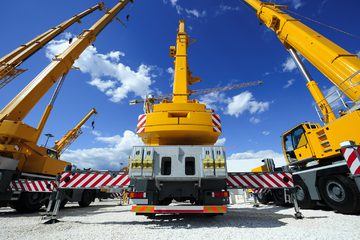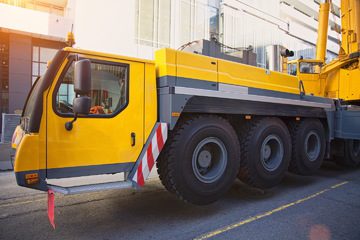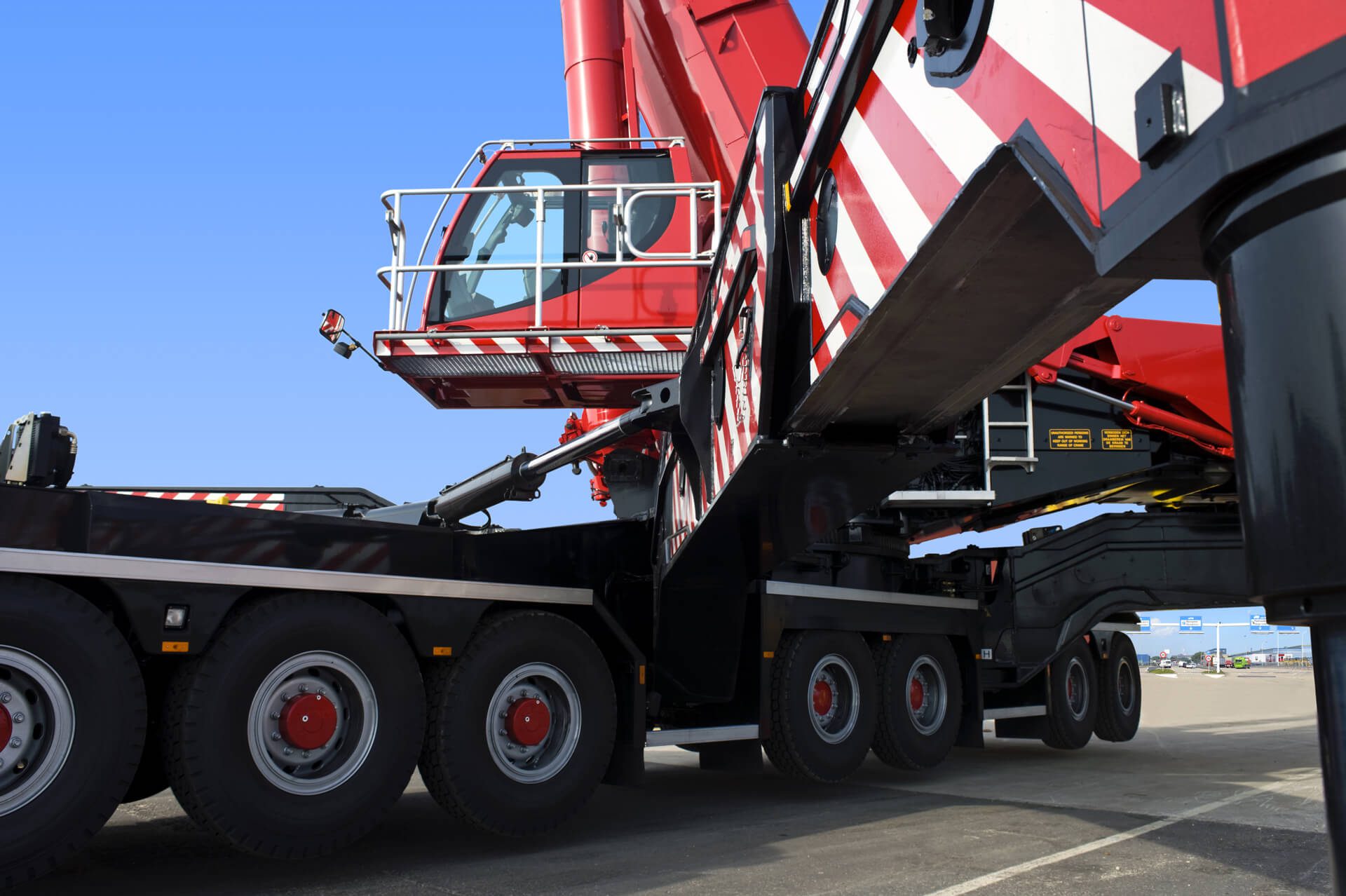
There is a particular kind of stillness to a crane at dawn. Before the traffic builds and the concrete trucks arrive, it stands suspended over the city—an unfinished sentence in steel. By midday, it becomes something else entirely: a pivot point around which construction, labour, logistics, and ambition all begin to move. In Australia’s rapidly evolving urban landscape, these machines are no longer peripheral. They are central to how cities grow, compress, and reimagine themselves.
To understand the evolving role of crane hire in modern Australian construction is to look beyond machinery and into the deeper forces shaping urban development. It is a story about density, constraint, and adaptation—about how infrastructure keeps pace with a population that is increasingly concentrated in fewer, tighter spaces.
From Open Ground to Vertical Ambition
Australia’s construction history was once defined by space. Projects could spread outward, unconstrained by the tight footprints that now characterise urban development. That era has largely passed. In cities like Sydney, where land availability is limited and demand remains high, growth has turned vertical.
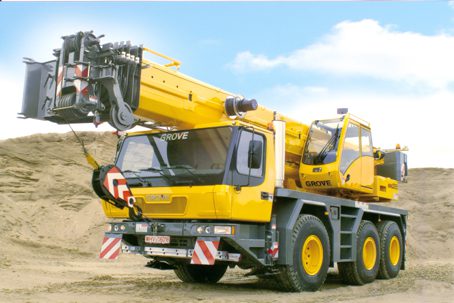
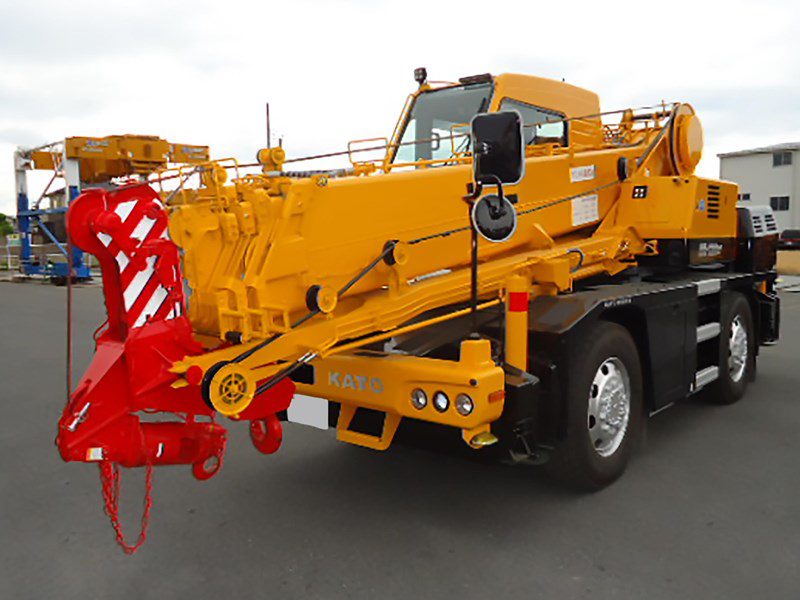
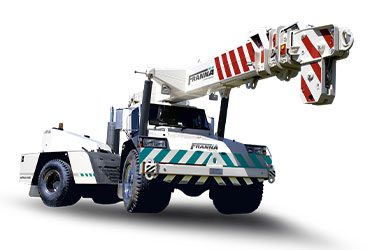
This shift has transformed the role of crane hire. Mobile crane hire, once a go-to solution for a wide range of lifting tasks, still plays a crucial role—but its context has changed. These cranes are now part of a broader ecosystem, moving between sites that are themselves more complex and tightly managed than before. Their value lies in their flexibility, their ability to arrive, perform a precise function, and leave without altering the long-term structure of a project.
Tower crane hire, by contrast, reflects the permanence of vertical construction. These cranes are erected piece by piece, becoming temporary fixtures of the skyline. They signal commitment—a project that will take months or years to complete, one that requires sustained lifting power and reach. In high-rise developments, they are indispensable, orchestrating the steady rise of buildings that define the modern city.
Yet neither of these categories fully captures the pressures of contemporary urban construction. That is where luffing crane hire enters the conversation, particularly in regions like western Sydney, where growth and density intersect in increasingly complex ways.
The Constraints of Density and the Rise of Luffing Cranes
Western Sydney offers a compelling lens through which to view these changes. It is a region experiencing significant infrastructure investment—transport corridors, residential developments, and commercial hubs—all unfolding within a landscape that is becoming progressively denser.
In such environments, space is not merely limited; it is contested. Construction sites sit alongside existing buildings, active roads, and public utilities. Airspace itself becomes a regulated domain, with strict rules governing how far a crane’s jib can extend and where loads can travel.
This is precisely where luffing crane hire western Sydney finds its relevance. Unlike traditional tower cranes, which extend their jibs horizontally, luffing cranes can raise and lower their arms. This seemingly simple adjustment has profound implications. It allows cranes to operate within tighter envelopes, reducing the risk of encroaching on neighbouring properties or restricted zones.
The result is not just greater efficiency but greater feasibility. Projects that might otherwise be constrained by spatial limitations become possible. In this sense, luffing cranes are not merely tools; they are enablers of urban density, allowing cities to grow upward without overstepping their physical and regulatory boundaries.
Different Cranes, Different Contexts
To see how crane hire shapes construction, it helps to consider how different types of cranes are deployed across real-world scenarios.
On large infrastructure projects—highways, bridges, rail networks—mobile crane hire remains essential. These projects often span wide areas, requiring equipment that can be repositioned quickly. Mobile cranes provide that adaptability, handling everything from lifting precast components to supporting assembly work in locations where fixed cranes would be impractical.
In high-rise developments, tower crane hire becomes the backbone of the operation. These cranes are designed for sustained use, lifting heavy materials to significant heights with precision. Their presence is a defining feature of city skylines, marking the slow but steady progress of vertical construction.
In tight urban environments, however, the calculus changes. Here, the ability to operate within confined spaces becomes paramount. Luffing crane hire offers a solution that balances height with restraint, allowing construction to proceed without disrupting the surrounding environment.
What emerges is not a hierarchy of cranes but a spectrum of capabilities. Each type serves a distinct purpose, and the choice between them reflects the specific challenges of a project rather than a simple preference.
Safety in an Era of Complexity
As construction environments become more constrained, the expectations around safety have grown correspondingly. Australia’s regulatory framework has evolved to reflect this reality, incorporating lessons from past incidents and adapting to new technological possibilities.
Today, crane operations are governed by a combination of national standards and state-level regulations. These rules address everything from operator certification to equipment maintenance and site planning. But compliance alone is no longer sufficient. The complexity of modern construction demands a more proactive approach to safety.
Technology has become a key part of this shift. Sensors and monitoring systems can now provide real-time data on load weights, wind conditions, and structural stress. Digital tools allow for detailed planning of lift sequences, identifying potential conflicts before they occur.
In high-density environments like western Sydney, these advancements are particularly significant. The margin for error is small, and the consequences of mistakes can be substantial. As a result, safety has become less about reacting to risks and more about anticipating them.
Innovation and the Changing Nature of Work
Beyond safety, technological innovation is reshaping the day-to-day realities of crane operations. Remote monitoring systems allow site managers to oversee multiple cranes simultaneously, while advanced modelling software enables precise coordination of complex projects.
There is also a growing focus on sustainability. As Australia grapples with the environmental impact of construction, the industry is exploring new approaches to reduce emissions and energy consumption. This includes the gradual introduction of electric and hybrid cranes, as well as more efficient operational practices.
These changes are subtle but cumulative. They alter not only how cranes are used but how projects are conceived and executed. The integration of technology into crane hire is no longer an optional enhancement; it is becoming a standard expectation.
The Human Dimension
Amid this technological evolution, the human element remains central. Crane operators, riggers, and engineers bring a level of judgment and experience that no system can fully replicate. Their decisions, often made in real time, shape the success of a project.
In Australia, the demand for skilled workers in the construction sector continues to outpace supply. This creates a tension between the increasing sophistication of projects and the availability of experienced personnel. Training programs have expanded, but the learning curve remains steep.
The result is an industry that is both highly advanced and deeply reliant on human expertise. Technology can enhance performance, but it cannot replace the need for skilled operators who understand the nuances of their work.
A Quiet but Defining Presence
Cranes rarely attract attention outside the construction industry. They are seen, but not always noticed—part of the background of urban life. Yet their influence is profound.
The rise of mobile crane hire, tower crane hire, and luffing crane hire reflects broader shifts in how Australia builds its cities. These machines enable projects that would otherwise be impossible, navigating the constraints of space, regulation, and community expectation.
In western Sydney, the growing reliance on luffing crane hire illustrates this dynamic in real time. It is a response to density, but also a facilitator of it—a tool that allows the city to evolve without exceeding its limits.
Looking Up, Looking Forward
As Australia’s urban centres continue to grow, the role of crane hire will become even more integral. Projects will demand greater precision, regulations will continue to tighten, and the pressure to build efficiently and sustainably will only increase.
In this context, cranes are more than equipment. They are instruments of transformation, translating architectural vision into physical reality. They operate at the intersection of engineering and aspiration, shaping not just buildings but the very structure of the city.
The next time you notice a crane against the skyline, it may still appear motionless. But that stillness is deceptive. Beneath it lies a complex choreography—one that reflects the evolving nature of construction, and the cities it seeks to create.