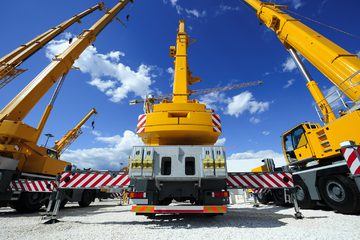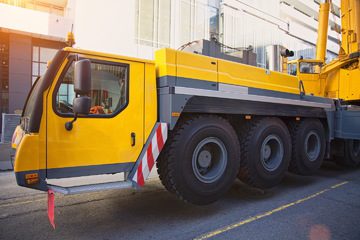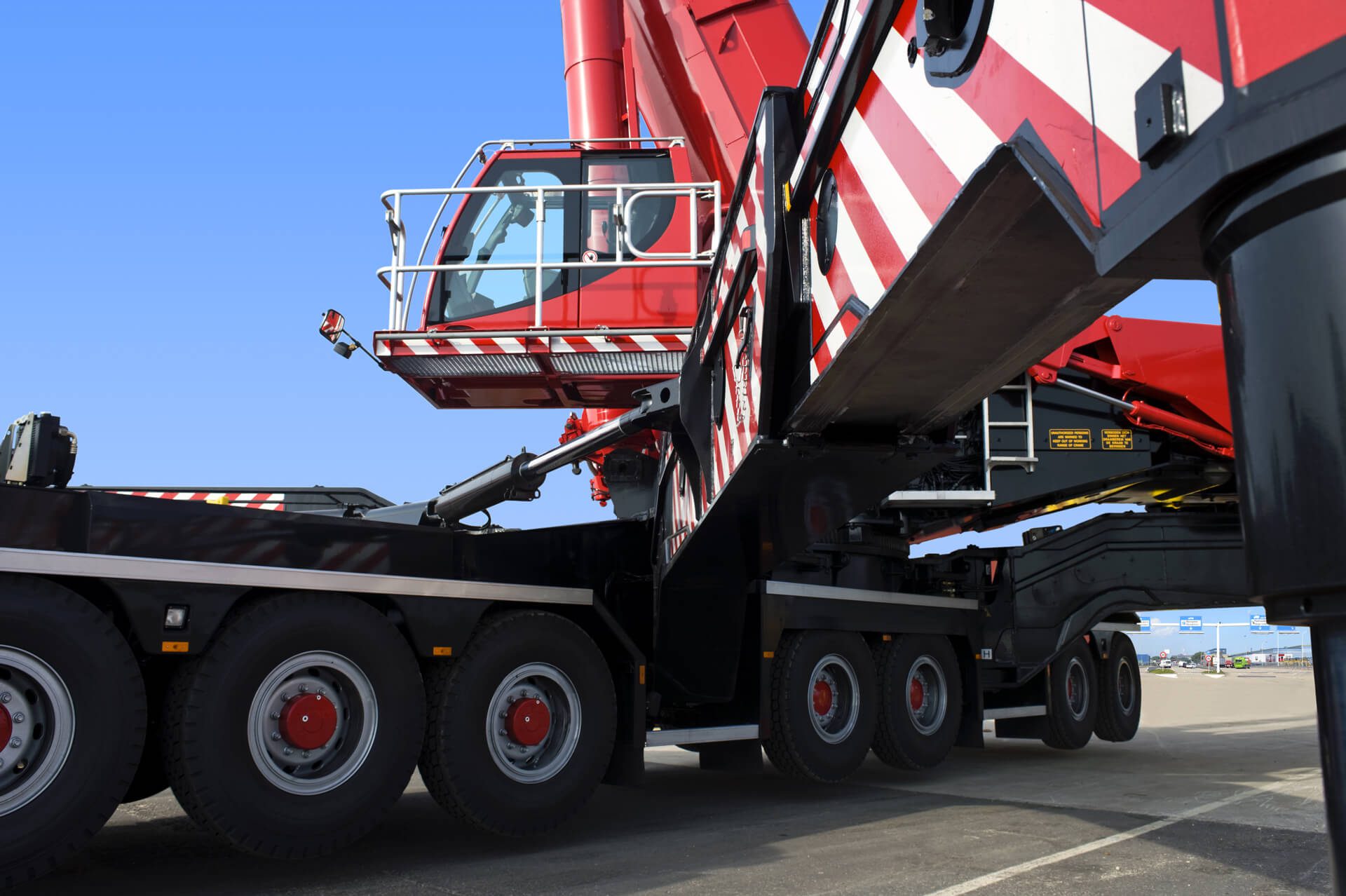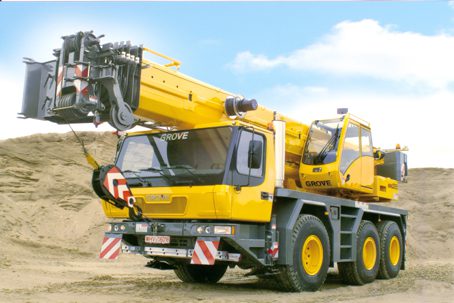
There is a moment, often overlooked, when a city reveals how it is changing. It isn’t in the finished skyline or the ribbon-cutting ceremony, but in the slow, deliberate movement of cranes—lifting, pivoting, pausing mid-air as if considering the shape of what comes next. In Australia, where urban growth is increasingly defined by density rather than expansion, crane hire has become less a supporting service and more a central mechanism in how cities are built.
To understand this shift is to look beyond machinery and into the evolving logic of construction itself. The rise of mobile crane hire, tower crane hire, and luffing crane hire reflects not only technological progress but a deeper recalibration of how space is used, regulated, and negotiated in modern urban environments.
From Wide Horizons to Vertical Limits
For much of Australia’s recent history, development followed a horizontal path. Cities stretched outward, absorbing surrounding land with relatively few constraints. That model is no longer sustainable in many metropolitan areas. Population growth, housing demand, and infrastructure investment have pushed development inward and upward.
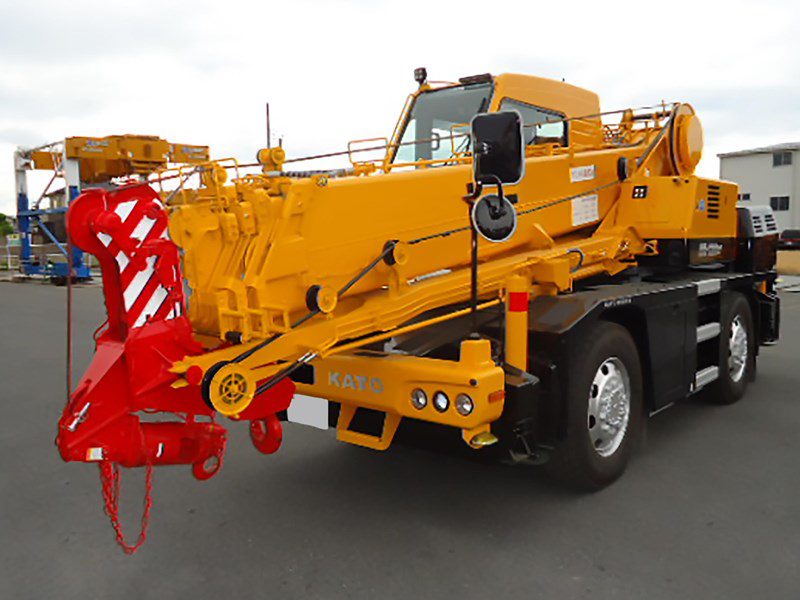
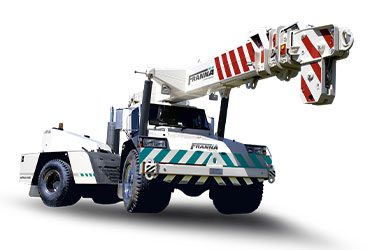
This transition has altered the expectations placed on construction equipment. Mobile crane hire, once synonymous with versatility across open and varied terrain, now operates within tighter margins. These cranes remain indispensable, particularly for infrastructure work and short-term lifting tasks, but their role has become more precise. They are often deployed for specific, time-sensitive operations—installing bridge segments, positioning prefabricated components, or supporting works where permanent lifting solutions are unnecessary.
Tower crane hire, on the other hand, has become emblematic of Australia’s vertical ambitions. These cranes anchor high-rise developments, rising alongside the structures they help create. Their presence signals duration and scale, often remaining in place for the entirety of a project. In dense urban centres, they are less an option than a requirement, enabling construction to proceed efficiently at height.
Yet even tower cranes, for all their reach and strength, encounter limitations in increasingly crowded environments. This is where the evolution of crane hire becomes particularly revealing.
The Spatial Challenge of Modern Cities
In cities like Sydney—especially across rapidly developing regions such as the west—construction sites are no longer isolated zones. They exist in close proximity to residential buildings, commercial spaces, transport corridors, and public infrastructure. The airspace above these sites has become as contested as the land itself.
Regulations governing oversailing, safety buffers, and operational boundaries have grown more stringent. Community expectations around noise, disruption, and visual impact have also intensified. In this context, the selection of a crane is not merely a logistical decision; it is a strategic one.
This is where luffing crane hire western Sydney enters the broader narrative. Luffing cranes are designed to operate within confined spaces, with jibs that can be raised or lowered to minimise their horizontal reach. This capability allows them to function in environments where traditional tower cranes might be impractical or even non-compliant.
Their increasing use in western Sydney reflects more than a technical preference. It signals a shift in how construction adapts to density—how it respects boundaries while still achieving vertical growth. In effect, luffing cranes enable development in places where space is limited but demand is high, making them integral to the next phase of urban expansion.
Matching Machines to Context
Each category of crane hire tells a different story about how construction responds to its environment.
Large-scale infrastructure projects—highways, rail lines, energy facilities—often rely heavily on mobile crane hire. These projects span broad areas and require equipment that can be relocated quickly. The mobility of these cranes allows them to support multiple stages of construction without becoming fixed to a single point.
High-rise developments, by contrast, depend on tower crane hire for sustained lifting capacity. These cranes operate as vertical lifelines, transporting materials from ground level to upper floors with consistency and precision. Their design reflects the needs of projects that unfold over extended periods, where efficiency and reliability are paramount.
In dense urban settings, however, the equation changes. Space constraints, regulatory requirements, and proximity to surrounding structures demand a more nuanced approach. Luffing crane hire offers that flexibility, allowing construction to proceed without overextending into restricted areas. It is a solution tailored not just to the physical limitations of a site, but to the broader ecosystem in which that site exists.
What emerges from these distinctions is a clearer understanding of crane hire as a responsive system. It adapts to context, aligning its capabilities with the specific challenges of each project rather than applying a one-size-fits-all approach.
Safety in a Compressed Environment
As construction becomes more complex, so too do the expectations around safety. Australia’s regulatory framework has evolved in response, incorporating stricter standards for crane operation, maintenance, and oversight. Licensing requirements for operators, detailed lift planning, and regular equipment inspections are now baseline expectations rather than exceptions.
In high-density environments, these measures take on added significance. The consequences of error are amplified when construction occurs near occupied buildings or active public spaces. As a result, safety has become both more visible and more integrated into daily operations.
Technology plays a growing role in this shift. Modern cranes are equipped with systems that monitor load weights, wind conditions, and structural performance in real time. These tools provide operators with immediate feedback, enabling more informed decision-making and reducing the likelihood of incidents.
Digital modelling has also transformed planning processes. Construction teams can simulate crane movements before work begins, identifying potential conflicts and refining strategies to avoid them. In environments like western Sydney, where multiple projects often operate simultaneously, this level of foresight is increasingly essential.
Innovation and the Changing Nature of Work
Beyond safety, innovation is reshaping how crane hire functions within the construction industry. Automation, remote monitoring, and advanced analytics are gradually becoming part of standard practice. These technologies allow for greater precision and coordination, particularly on complex projects where timing and sequencing are critical.
There is also a growing awareness of environmental impact. As Australia moves toward more sustainable construction practices, the industry is exploring ways to reduce emissions and energy use. This includes the introduction of hybrid and electric crane models, as well as more efficient operational strategies.
While these developments are still unfolding, they point to a broader transformation. Crane hire is no longer defined solely by lifting capacity or reach. It is increasingly measured by how well it integrates with digital systems, regulatory requirements, and sustainability goals.
The Human Factor
Despite these technological advances, the human element remains central. Crane operators, riggers, and engineers bring experience and judgment that cannot be fully replicated by machines. Their ability to interpret conditions, respond to unexpected challenges, and coordinate with broader construction teams is critical to project success.
In Australia, the demand for skilled labour in this sector continues to grow. Training and certification programs have expanded, but the pace of urban development often places pressure on workforce availability. This dynamic underscores a key tension within the industry: the need to balance innovation with the realities of human expertise.
A Subtle but Defining Influence
Cranes rarely dominate public conversation, yet their influence on the built environment is profound. The increasing reliance on mobile crane hire, tower crane hire, and luffing crane hire reflects a broader evolution in how Australian cities are conceived and constructed.
In western Sydney, the rise of luffing crane hire illustrates how infrastructure growth and urban density are intertwined. These cranes do more than lift materials; they enable construction within constraints, allowing cities to expand vertically without exceeding their spatial or regulatory limits.
They are, in a sense, instruments of negotiation—between ambition and practicality, between growth and restraint.
Looking Ahead
As Australia’s cities continue to evolve, the role of crane hire will become even more nuanced. Projects will demand greater efficiency, stricter compliance, and more sophisticated coordination. The pressures of density and sustainability will shape not only what is built, but how it is built.
In this landscape, cranes will remain a constant presence—quietly orchestrating the transformation of urban space. Their movements may appear slow, even deliberate, but they reflect a process that is anything but static.