If you want to understand how a city is changing, don’t look only at its skyline—look at the machinery that makes that skyline possible. In Australia, cranes have become a kind of quiet barometer of growth, marking not just where construction is happening, but how it is happening. Their presence tells a deeper story about density, infrastructure, and the increasingly complex choreography required to build in places that are already built.
What has changed in recent years is not simply the number of cranes, but the way they are deployed. The evolution of mobile crane hire, tower crane hire, and luffing crane hire reflects a broader shift in Australian construction—one that is responding to tighter urban spaces, stricter safety expectations, and a growing demand for efficiency without disruption.
A More Complicated Kind of Growth
Australia’s major cities are no longer expanding in the straightforward ways they once did. Outward growth continues, particularly along suburban fringes, but inward growth—densification—is now equally important. Governments and planners increasingly favor infill development, transport-oriented precincts, and vertical housing as solutions to population pressures.
This creates a paradox. The most desirable places to build are often the most constrained. Sites are smaller, access is limited, and the margin for error is narrower. Construction, in this context, becomes less about brute force and more about precision.
Crane hire sits at the center of this transition. It determines how materials move, how quickly projects advance, and how safely operations unfold in environments where space is at a premium.
Mobility and Reach: The Enduring Role of Mobile Cranes
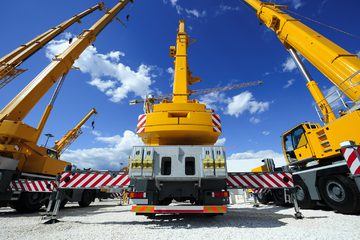
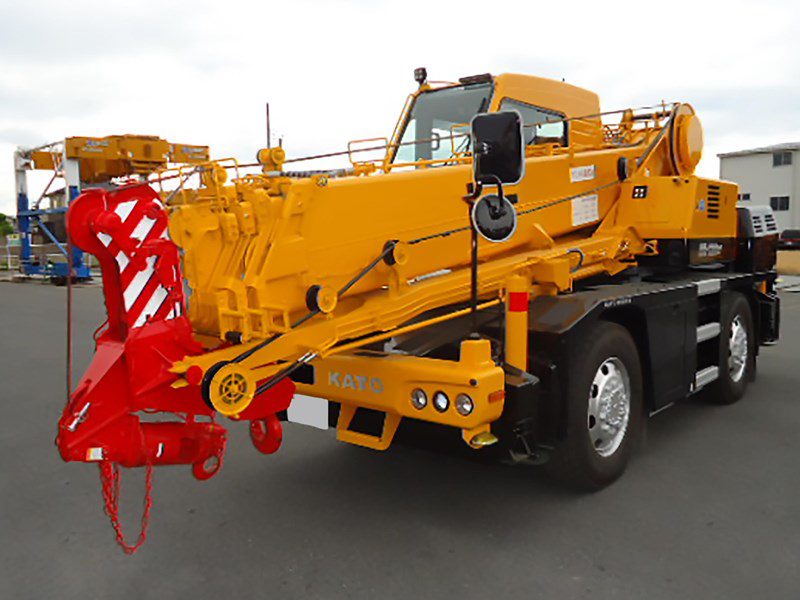
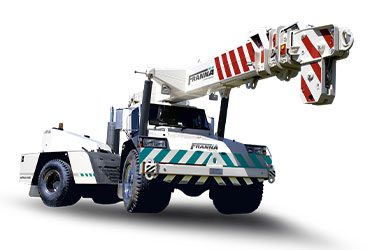
There is a tendency to associate cranes with static silhouettes against the sky, but much of Australia’s construction activity depends on movement. Mobile crane hire remains essential precisely because it adapts to a country defined by both vast distances and decentralized infrastructure needs.
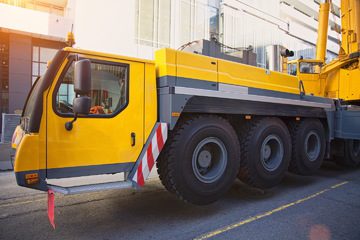
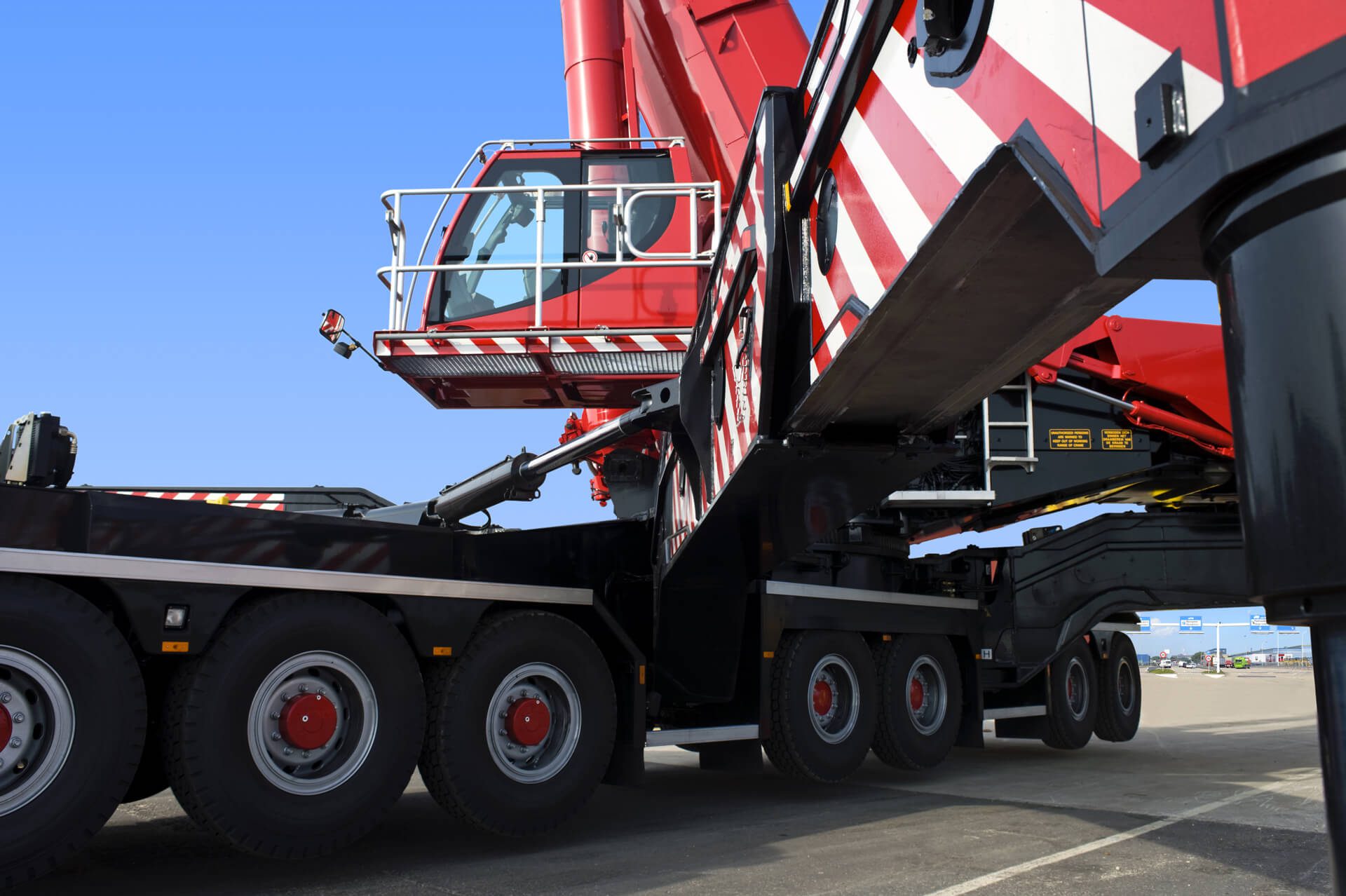
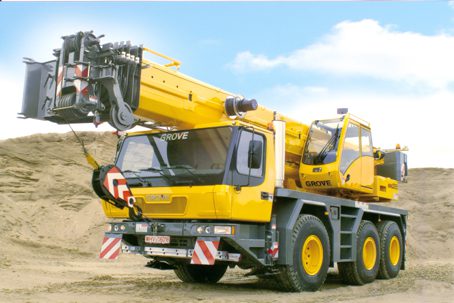
From road upgrades in regional corridors to bridge installations and energy projects, mobile cranes provide flexibility that fixed systems cannot. They can be deployed quickly, repositioned as needed, and removed without leaving a permanent footprint. In many cases, they serve as the connective tissue between stages of a project, handling lifts that are critical but temporary.
Yet their strength—mobility—is also their limitation. In dense urban construction, where work unfolds over months or years within a confined site, a more permanent lifting solution is often required.
Building Upward: The Logic of Tower Cranes
Tower crane hire has long been synonymous with vertical construction. These cranes, anchored to the ground or integrated into the structure itself, offer the height and capacity needed for high-rise developments. In cities like Sydney and Melbourne, where residential and commercial towers continue to reshape the skyline, they are indispensable.
Their horizontal reach allows materials to be moved across large footprints, supporting the steady, repetitive process of building upward. But as urban sites become more constrained, that reach can become a complication. A long jib extending over neighboring properties introduces both logistical and regulatory challenges, particularly in areas where airspace is contested or where adjacent buildings are already occupied.
This tension has prompted a subtle but significant shift toward more adaptable crane designs.
Precision in Tight Spaces: The Rise of Luffing Cranes
Luffing crane hire has emerged as a practical response to the realities of dense urban construction. Unlike traditional tower cranes, which rely on a fixed horizontal jib, luffing cranes can raise and lower their arm, effectively shrinking or expanding their working radius as needed. This makes them particularly suited to sites where space is constrained and where minimizing oversail—the extension of a crane’s load over adjacent properties—is a priority.
The relevance of luffing crane hire northern Sydney projects increasingly depend on becomes clear when you consider the character of that region. It is an area marked by established neighborhoods, active commercial districts, and ongoing redevelopment. Construction here is rarely a matter of starting from scratch; it is about inserting new structures into an already complex urban fabric.
In such environments, the ability to operate within a tighter airspace is not just convenient—it is essential. Luffing cranes allow builders to work within the physical and regulatory boundaries imposed by surrounding structures, reducing disruption while maintaining efficiency. They embody a broader shift in construction philosophy, one that values control and adaptability over sheer scale.
Safety as a Moving Target
As crane operations become more complex, safety expectations have evolved in parallel. Australia’s regulatory framework, shaped by national guidelines and state-level enforcement, reflects a growing emphasis on risk management and accountability.
Crane hire today involves far more than selecting the right piece of equipment. It requires detailed planning, from lift studies and site assessments to the coordination of multiple trades working in close proximity. Operators must be highly trained, not only in the mechanics of the crane but in the broader context of site safety.
In dense urban areas, the stakes are particularly high. A crane operating above a busy street or adjacent to occupied buildings introduces risks that must be carefully managed. This has led to the adoption of stricter protocols, including exclusion zones, real-time monitoring, and contingency planning for adverse conditions such as high winds.
The use of luffing crane hire northern Sydney sites rely on often aligns with these safety imperatives. By reducing the need to swing loads over neighboring properties, these cranes help mitigate one of the most sensitive aspects of urban construction.
Technology Behind the Scenes
While cranes may appear largely unchanged from a distance, their internal systems have undergone significant transformation. Modern crane hire increasingly involves digital tools that enhance both safety and efficiency.
Telematics systems provide real-time data on crane performance, enabling operators and managers to monitor usage, detect anomalies, and schedule maintenance more effectively. Anti-collision technology, once a niche feature, is becoming standard on sites where multiple cranes operate in close proximity.
There is also a growing interest in simulation and planning software. Before a crane is even erected, its movements can be modeled in a virtual environment, allowing engineers to identify potential conflicts and optimize positioning. This level of foresight is particularly valuable in complex urban projects, where the cost of error is high.
These innovations are not merely technical upgrades; they are responses to the pressures facing the construction industry. Projects are expected to be delivered faster, with tighter budgets and greater scrutiny from regulators and the public. Technology, in this sense, becomes a tool for managing complexity.
Economic and Environmental Considerations
The rise of crane hire as a service model reflects broader economic trends within construction. Owning and maintaining a fleet of cranes is capital-intensive, and many companies now prefer the flexibility of hiring equipment as needed. This allows them to adapt to fluctuating workloads and to access specialized machinery without long-term commitments.
Environmental considerations are also beginning to shape decision-making. While cranes are not the primary source of construction emissions, their operation contributes to the overall footprint of a project. There is growing interest in more efficient engines, hybrid systems, and even fully electric cranes, particularly in urban areas where noise and air quality are concerns.
These developments are gradual, influenced by cost, regulation, and technological readiness. But they point toward a future in which crane hire is not only about capability, but also about sustainability.
The Human Factor
Amid the machinery and technology, it is worth remembering that crane operations remain fundamentally human endeavors. Operators, riggers, and site managers bring experience and judgment that cannot be fully automated. Their decisions, often made in dynamic conditions, shape the outcome of each lift.
In Australia, the demand for skilled workers in this
Domain continues to grow. Training and certification standards have become more rigorous, reflecting the increasing complexity of the work. This is not simply a matter of compliance; it is an investment in the reliability and safety of the industry as a whole.
A Subtle but Defining Influence
What emerges from this landscape is a recognition that crane hire is not a peripheral aspect of construction. It is central to how projects are conceived and executed. The choice between mobile crane hire, tower crane hire, and luffing crane hire is not merely technical; it reflects broader considerations about space, time, cost, and community impact.
In places like northern Sydney, where development must coexist with established urban life, these choices take on added significance. The cranes that rise above construction sites are not just tools; they are indicators of how a city negotiates growth.
As Australia continues to grapple with the demands of urban density and infrastructure expansion, the role of crane hire will remain quietly pivotal. It operates in the background, often unnoticed, yet it shapes the rhythm and possibility of construction itself.
Look closely, and those cranes are doing more than lifting steel and concrete. They are, in a very real sense, lifting the future of Australian cities into place.