Walk through any growing Australian city and you’ll find yourself looking up. Above the scaffolding and half-finished facades, cranes stretch across the skyline like quiet sentinels. They are so familiar that they fade into the background. Yet behind their steady movement lies a complex, evolving system—one that is increasingly central to how Australia builds its cities, expands its infrastructure, and manages the tension between growth and space.
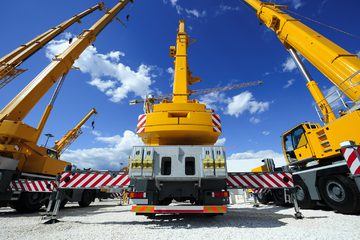
Crane hire, once a straightforward logistical decision, has become something more nuanced. The rise of mobile crane hire, tower crane hire, and luffing crane hire reflects not just technological advancement, but a broader shift in how construction adapts to modern pressures. These machines are no longer just tools that respond to design. In subtle ways, they shape it.
Building in an Age of Constraint
Australia’s construction landscape is defined by competing demands. Cities like Sydney and Melbourne continue to densify, pushing upward rather than outward. Infrastructure projects—from transport corridors to renewable energy installations—are increasing in both scale and urgency. At the same time, regional areas are absorbing population growth, creating new pockets of development beyond traditional urban cores.
In this environment, crane hire functions as a form of flexibility. Instead of owning and maintaining a fixed fleet, construction firms draw on specialized providers who can match equipment to the precise needs of a project. That distinction matters. It allows builders to respond quickly to changing site conditions, regulatory requirements, and design constraints without being locked into a single approach.
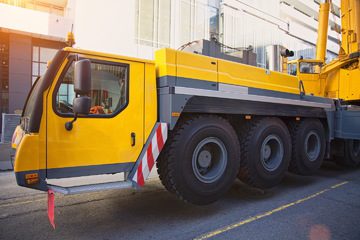
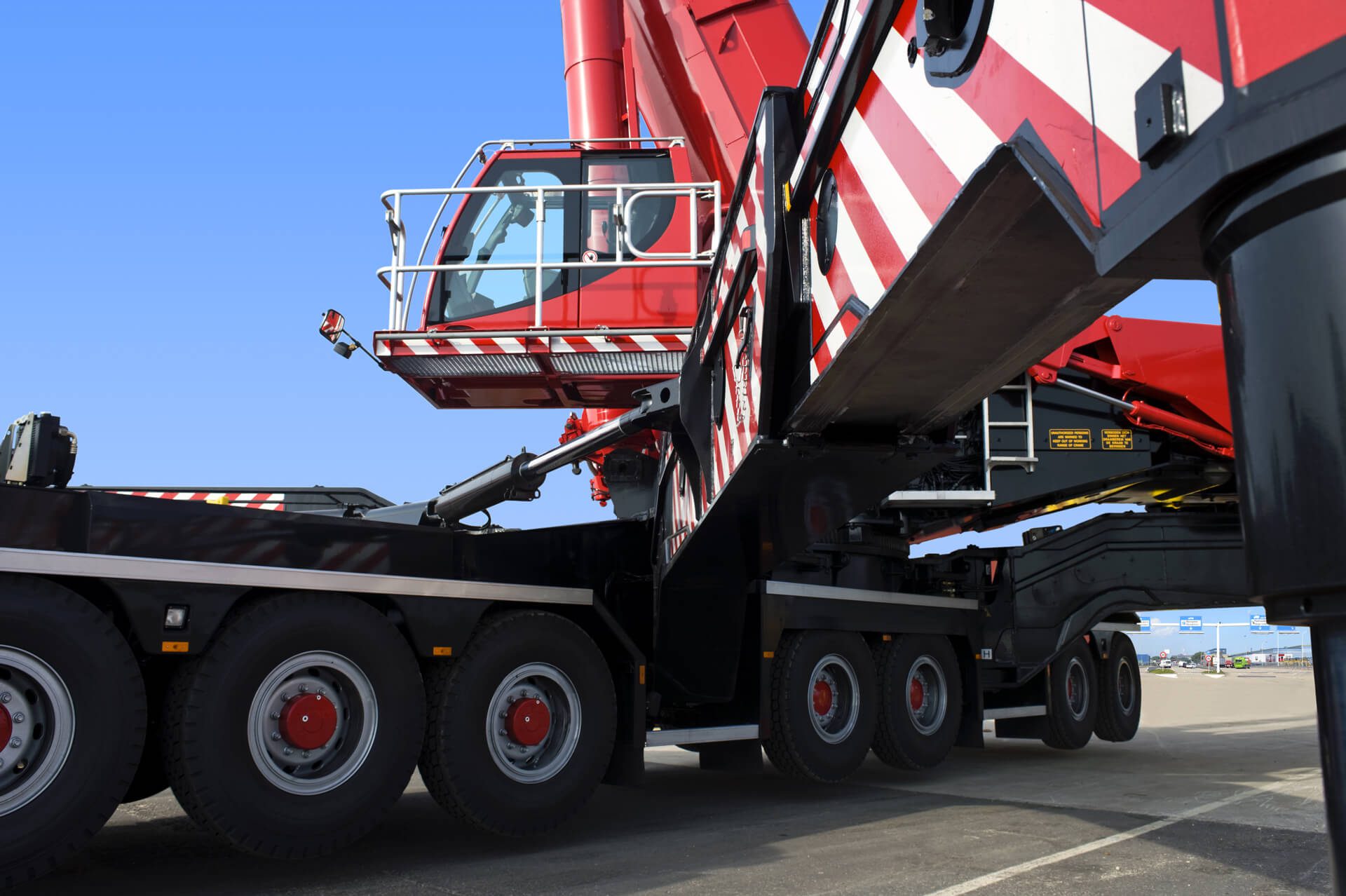
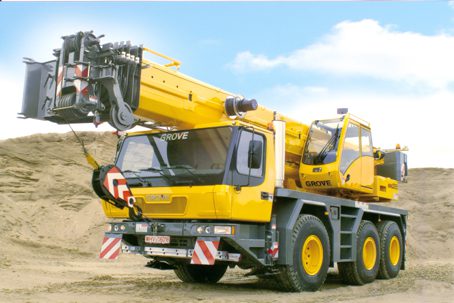
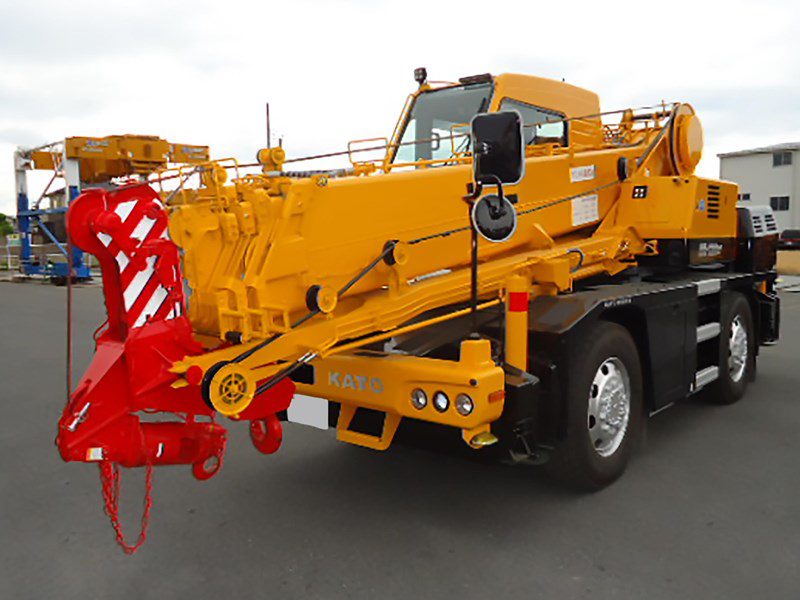
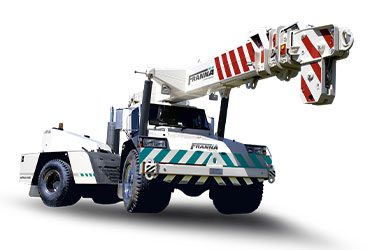
Mobile crane hire, for example, has become indispensable in large infrastructure projects where adaptability is critical. These cranes can be transported, assembled, and redeployed with relative speed, making them ideal for projects that unfold across multiple locations or stages. Whether lifting bridge segments into place or supporting energy infrastructure, their value lies as much in their mobility as in their lifting capacity.
Tower crane hire, by contrast, defines the vertical ambitions of Australia’s cities. In high-rise developments, these cranes become part of the structure itself, anchoring the construction process over months or even years. Their ability to operate continuously, lifting materials to significant heights with precision, has made them synonymous with urban density. Without them, the modern skyline would look very different—shorter, more spread out, and arguably less efficient.
Then there is luffing crane hire, a response to the realities of building in tight, complex environments. As urban spaces become more crowded, the ability to operate within limited airspace has become essential. Luffing cranes, with their adjustable jibs, allow construction teams to work around obstacles—adjacent buildings, power lines, restricted zones—without compromising safety or efficiency. In dense city centres, they are less a specialty than a necessity.
Regional Growth and the Expanding Map of Construction
While metropolitan skylines tend to dominate the conversation, the story of crane hire in Australia is equally shaped by what is happening beyond the major cities. Regions like the Southern Highlands in New South Wales offer a revealing example. Traditionally known for their slower pace of development, these areas are now experiencing steady growth, driven by shifting demographics, remote work trends, and targeted infrastructure investment.
city crane hire southern highlands sits at an intersection of urban and regional needs. Projects here may not demand the towering scale of inner-city developments, but they still require precision, planning, and the right mix of equipment. A hospital expansion, a transport upgrade, or a mid-rise commercial project all depend on carefully selected lifting solutions.
In these contexts, mobile crane hire often takes precedence, offering the versatility needed for projects that vary in scope and duration. Yet tower crane hire and even luffing crane hire are not absent; they appear where density increases or site constraints demand more specialized solutions. The result is a more distributed model of construction capability, where advanced equipment is no longer confined to capital cities but extends into regional growth corridors.
This shift matters because it reflects a broader rebalancing of development across Australia. As infrastructure investment spreads and regional populations grow, the systems that support construction—including crane hire—must adapt accordingly. The presence of sophisticated lifting solutions in places like the Southern Highlands signals a kind of quiet integration between urban and regional economies.
Safety as a Moving Target
If cranes symbolize progress, they also carry inherent risk. Operating at height, lifting heavy loads, and often working in close proximity to people and structures, they demand a high level of control and oversight. In Australia, safety expectations around crane operations have evolved significantly, shaped by both regulatory frameworks and industry practice.
Workplace safety is governed by a combination of national standards and state-level regulations, with strict requirements for operator certification, equipment maintenance, and site planning. Over time, these standards have become more comprehensive, reflecting lessons learned from past incidents and the increasing complexity of construction environments.
But regulation alone does not guarantee safety. The nature of modern projects—particularly in dense urban areas—requires a level of coordination that goes beyond compliance. Crane operations must be integrated into broader site logistics, accounting for factors such as wind conditions, load distribution, and the movement of other equipment and personnel.
Technology is playing an increasingly important role in meeting these challenges. Modern cranes are equipped with advanced monitoring systems that provide real-time data on load weight, boom position, and environmental conditions. Some systems can intervene automatically to prevent unsafe movements, adding a layer of protection that was not available in earlier generations of equipment.
This shift toward data-driven safety is changing how risks are managed on site. Instead of relying solely on human judgment, operators and project managers can draw on detailed information to make more informed decisions. The result is not the elimination of risk, but its more precise control.
Innovation and the Changing Nature of Work
The integration of technology into crane operations is also reshaping the nature of work itself. Remote-control systems, for instance, allow operators to manage cranes from the ground, improving visibility and reducing physical strain. Digital planning tools enable teams to simulate lifts before they occur, identifying potential issues and refining strategies in advance.
These developments are part of a broader trend toward digitization in construction, where data and connectivity are becoming as important as physical equipment. For crane hire providers, this means offering not just machinery, but integrated solutions that include planning, support, and technical expertise.
At the same time, these changes are altering the skills required within the workforce. Operating a crane is no longer solely about mechanical proficiency; it increasingly involves interpreting data, understanding software systems, and working within highly coordinated teams. Training programs are evolving to reflect this reality, but the transition is ongoing, and not without its challenges.
The Subtle Influence on Design
One of the less obvious aspects of crane hire’s evolution is its influence on the design of buildings and infrastructure. While architects and engineers set the vision, the practicalities of construction—of which crane capability is a key part—feed back into what is ultimately possible.
The choice between tower crane hire and luffing crane hire, for example, can affect how a building is staged during construction, how materials are delivered, and how space is allocated on site. In dense urban environments, where multiple projects may operate side by side, the coordination of crane operations becomes a design consideration in its own right.
Even in infrastructure projects, the availability of mobile crane hire can shape how components are fabricated and assembled. Larger prefabricated sections can be lifted into place if the right equipment is available, potentially reducing construction time and improving efficiency. In this way, cranes do not just respond to design—they help define it.
A Quiet but Defining Presence
It is easy to overlook cranes because they are temporary. Once a building is complete, they disappear, leaving behind little trace of their role in its creation. Yet their influence is embedded in the structures they help build and the cities those structures form.
The evolving role of crane hire in Australia reflects a broader transformation in construction—one that is driven by density, complexity, and the need for adaptability. Mobile crane hire provides the flexibility to navigate large, shifting projects. Tower crane hire underpins the vertical expansion of urban centres. Luffing crane hire makes it possible to build in spaces that once seemed too constrained.
Together, they form an invisible framework supporting the visible growth of cities and regions alike. From the high-rise cores of major capitals to the expanding communities of the Southern Highlands, crane hire is helping to shape not just how Australia builds, but how it imagines its future.
And perhaps that is the most telling detail of all. These machines, so often reduced to silhouettes against the sky, are not merely lifting materials. They are lifting the possibilities of what Australian cities can become—quietly, steadily, and with a precision that rarely draws attention, but always leaves an impact.