If you pause long enough at the edge of a construction site in Australia, the choreography reveals itself. Steel rises in increments, concrete arrives in carefully timed pours, and suspended above it all is the crane—steady, methodical, almost indifferent to the scale of what it is shaping. These machines rarely attract attention in their own right. Yet the evolution of crane hire tells a more revealing story about how Australian cities are changing, and how the mechanics of construction have adapted to a more demanding, more constrained urban future.
Crane hire today is less a matter of convenience than of strategy. The increasing reliance on mobile crane hire, tower crane hire, and luffing crane hire reflects a construction industry navigating competing pressures: denser cities, larger infrastructure projects, tighter regulatory oversight, and a growing expectation for efficiency. What emerges is a system in which cranes are not simply tools of execution but instruments that influence how projects are conceived and delivered.
Building Upward, Building Smarter
Australia’s major cities have entered a phase of vertical consolidation. As land becomes scarce and populations concentrate, the logic of building upward has become unavoidable. High-rise developments are no longer exceptional; they are the default response to urban demand. In this context, tower crane hire has taken on a defining role.
A tower crane does more than lift materials. It establishes the tempo of a project. Installed early and remaining until the final stages, it becomes an extension of the structure itself, enabling the steady ascent of floors, façades, and internal systems. Without it, the economics of high-density construction would shift dramatically, forcing developers to reconsider both scale and feasibility.
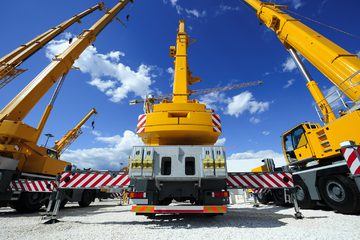
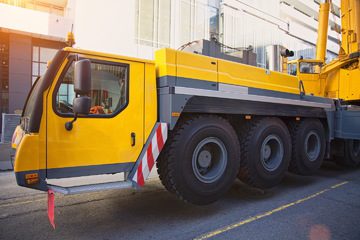
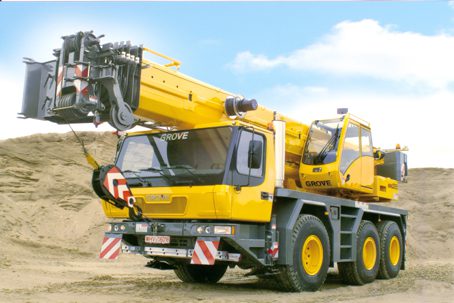
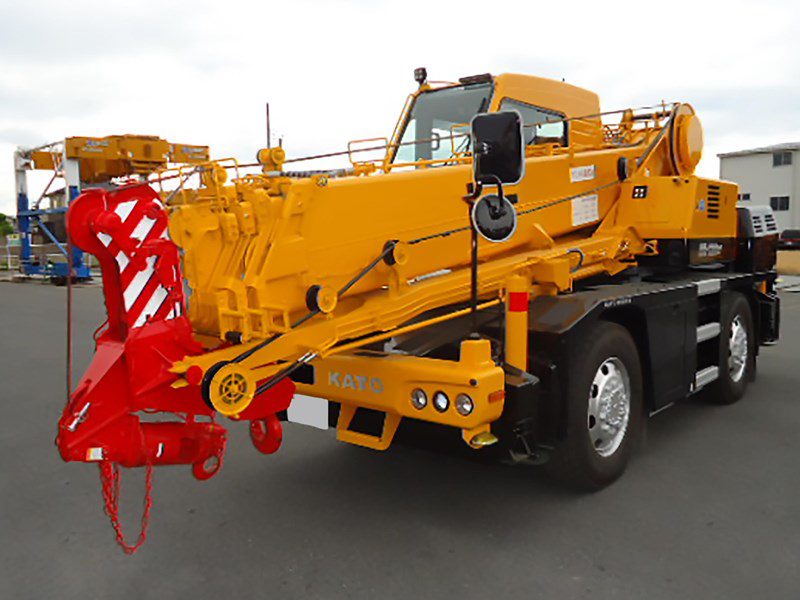
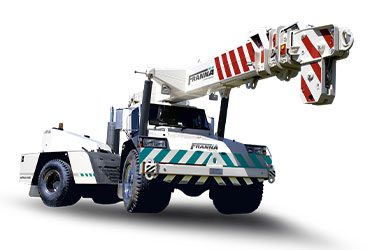
Yet not all projects fit neatly into the vertical model. Large infrastructure developments—transport networks, energy installations, public works—operate across expansive and often unpredictable environments. Here, mobile crane hire provides a different kind of value. Its strength lies in movement: the ability to be transported, assembled, and redeployed with relative speed. This mobility allows construction teams to respond to changing conditions, whether that means shifting from one section of a project to another or adapting to unforeseen challenges on site.
Between these two modes sits luffing crane hire, a solution shaped by the realities of increasingly crowded urban spaces. In dense city centres, where buildings stand in close proximity and airspace is limited, traditional crane configurations can become impractical. Luffing cranes, with their adjustable jibs, offer a way to navigate these constraints, allowing work to proceed without encroaching on neighbouring properties or infrastructure. Their growing presence is a quiet indicator of how tightly packed Australian cities have become.
The Regional Dimension: Growth Beyond the Skyline
While the visual narrative of construction is often dominated by capital cities, the evolution of crane hire extends well beyond them. Regional areas are playing a more prominent role in Australia’s development story, driven by shifting population patterns and targeted infrastructure investment. The Southern Highlands of New South Wales offers a useful case in point.
city crane hire southern highlands occupies a space that is neither fully urban nor entirely rural. Projects here are shaped by different constraints: less vertical density, more varied terrain, and often a greater emphasis on community infrastructure. Yet the underlying demands—efficiency, safety, precision—remain the same.
In this setting, mobile crane hire often becomes the primary solution, offering the flexibility needed for projects that may be smaller in scale but diverse in scope. A hospital expansion, a transport upgrade, or a commercial development in a regional centre all depend on lifting equipment that can adapt quickly to changing requirements. At the same time, as certain areas within the region grow denser, tower crane hire and even luffing crane hire begin to appear, reflecting a gradual shift toward more complex construction patterns.
What this suggests is a broader integration of regional and metropolitan construction practices. The technologies and strategies once concentrated in major cities are now diffusing outward, supporting a more balanced distribution of growth. Crane hire, in this sense, becomes a connective element, linking different parts of the country through shared capabilities.
Safety in an Era of Complexity
The increasing sophistication of crane operations has brought safety into sharper focus. The risks associated with lifting heavy loads at height are well understood, but the context in which these operations occur has become more complex. Urban density, tighter project timelines, and the coexistence of multiple trades on a single site all contribute to a more challenging environment.
Australia’s regulatory framework has evolved in response. Operator certification, equipment inspection, and detailed lift planning are now standard requirements, enforced through a combination of national guidelines and state-level oversight. These measures reflect a broader cultural shift within the industry, where safety is treated not as a constraint but as a fundamental component of project success.
Technology is reinforcing this shift. Modern cranes are equipped with systems that monitor load weight, wind conditions, and operational limits in real time. Some incorporate safeguards that prevent movements outside safe parameters, reducing reliance on human judgment alone. These innovations do not eliminate risk, but they change how it is managed, moving from reactive responses to proactive control.
The result is a more disciplined approach to construction, where crane operations are integrated into a wider framework of planning and coordination. In dense urban environments, this coordination can extend beyond a single site, requiring communication between adjacent projects to ensure that cranes operate safely within shared airspace.
The Digital Turn in Construction
Beyond safety, technology is reshaping the everyday realities of crane operation. Remote-control systems are becoming more common, allowing operators to manage cranes from ground level, where visibility is often better and physical strain reduced. Digital modelling tools enable teams to simulate lifts before they occur, identifying potential conflicts and refining strategies in advance.
These developments are part of a broader digital transformation within the construction industry. Data, once peripheral, is now central to decision-making. For crane hire providers, this means offering more than equipment; it involves providing integrated services that combine machinery with planning, analytics, and technical support.
This shift is also changing the skills required within the workforce. Operating a crane increasingly involves interpreting data, understanding software systems, and working within highly coordinated teams. Training programs are adapting, but the transition underscores a wider challenge: how to align traditional trades with the demands of a more technologically complex industry.
Shaping What Gets Built
Perhaps the most understated aspect of crane hire’s evolution is its influence on the design and execution of projects. While architects and engineers define the vision, the practicalities of construction—of which crane capability is a central part—feed back into what is ultimately possible.
The choice between mobile crane hire, tower crane hire, and luffing crane hire can affect how a project is staged, how materials are delivered, and how space is used on site. In high-rise developments, the capacity and reach of a tower crane may determine the sequence in which floors are completed. In infrastructure projects, the availability of mobile cranes can enable the use of larger prefabricated components, reducing construction time. In tight urban environments, the presence of luffing cranes can make the difference between a feasible project and an impractical one.
In this way, cranes are not merely responding to design; they are shaping it. They introduce constraints, certainly, but also possibilities—ways of building that might not otherwise be considered.
A Quiet but Defining Role
Cranes are, by their nature, temporary. Once a project is complete, they are dismantled and moved on, leaving behind little evidence of their role. Yet their influence is embedded in the structures they help create and the cities those structures form.
The evolution of crane hire in Australia reflects a broader transformation in how construction is approached. It is a shift toward flexibility, precision, and integration, driven by the realities of modern urban development. Mobile crane hire provides the adaptability needed for large, dynamic projects. tower crane hire underpins the vertical expansion of cities. Luffing crane hire addresses the constraints of increasingly dense environments.
Together, these systems form an invisible framework supporting Australia’s growth. From the high-rise cores of major cities to the expanding communities of the Southern Highlands, crane hire is enabling a more complex, more connected built environment. It does so quietly, without drawing attention to itself, even as it plays a central role in shaping the country’s urban future.
In the end, the cranes that dot Australia’s skylines are more than markers of construction. They are indicators of a deeper process—one in which the methods of building are evolving alongside the ambitions of the places being built.