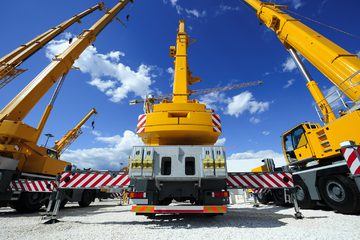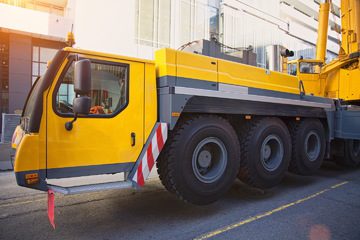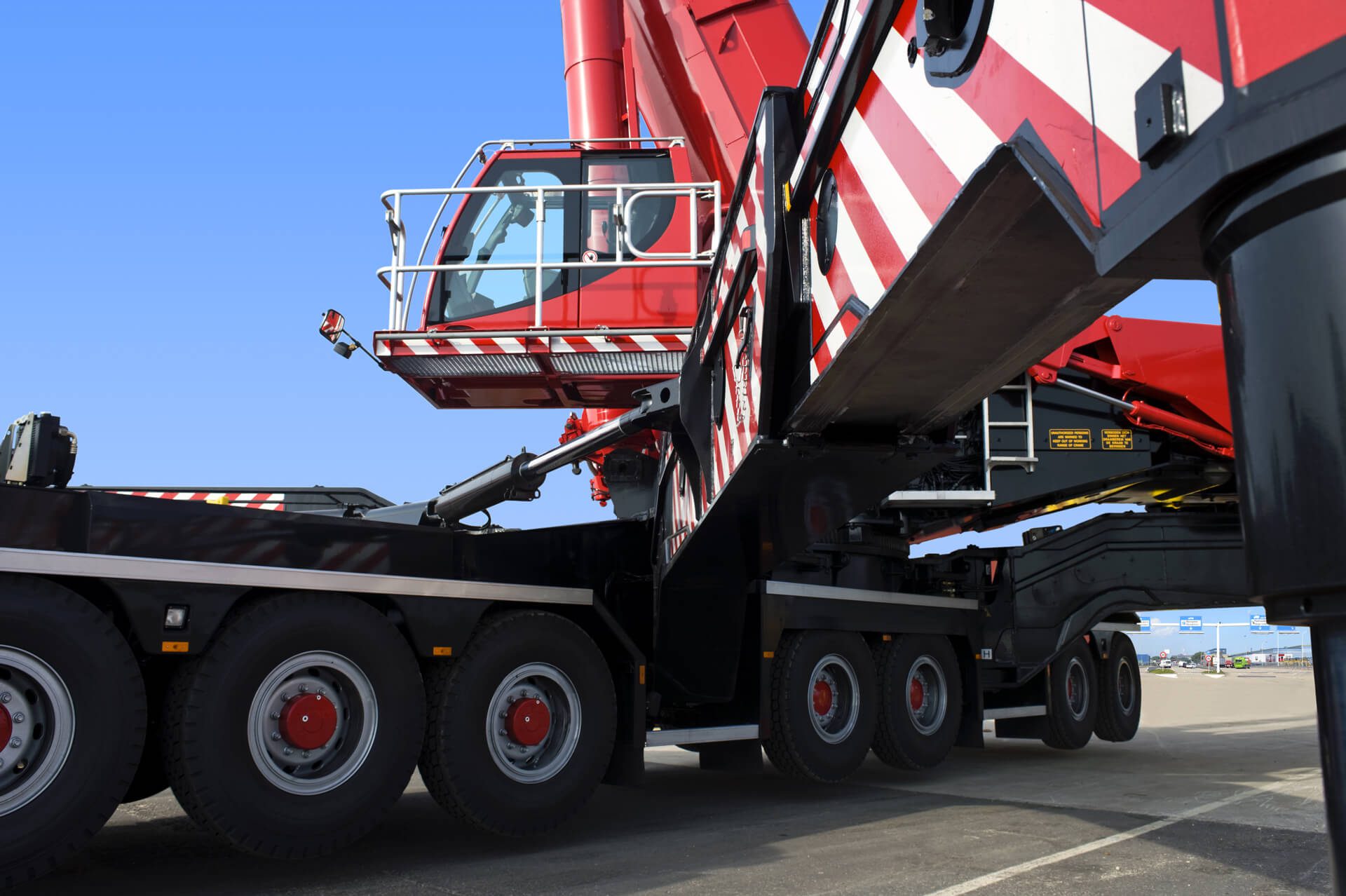
There is a moment, standing at the edge of a major construction site in Sydney, when the scale of contemporary urban growth becomes unmistakable. It’s not the scaffolding or the noise that defines it, but the cranes—looming, deliberate, and almost architectural in their own right. They do more than lift steel and concrete; they orchestrate the very rhythm of modern construction. And increasingly, the way these machines are deployed—through mobile crane hire, tower crane hire, and luffing crane hire—is shaping how cities across Australia evolve.
To understand the role of city crane hire sydney today is to look beyond machinery and into the economics and logistics of urban density. As Australian cities grow upward rather than outward, construction has become less about raw expansion and more about precision. Projects are tighter, timelines shorter, and margins thinner. In that environment, crane hire has shifted from a peripheral service to a central pillar of project planning.
The Logic Behind Hiring, Not Owning
It might seem counterintuitive at first: why would major construction firms rely so heavily on hired equipment rather than owning their own fleets? The answer lies in flexibility. Modern construction projects are rarely uniform. A high-rise residential tower demands a different lifting strategy than a transport infrastructure upgrade or a commercial redevelopment squeezed between existing buildings.
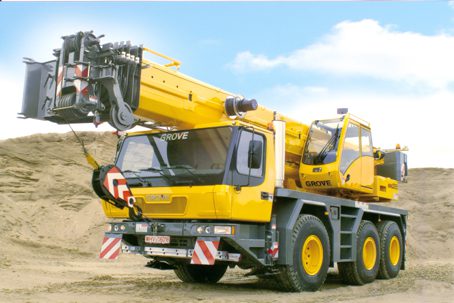
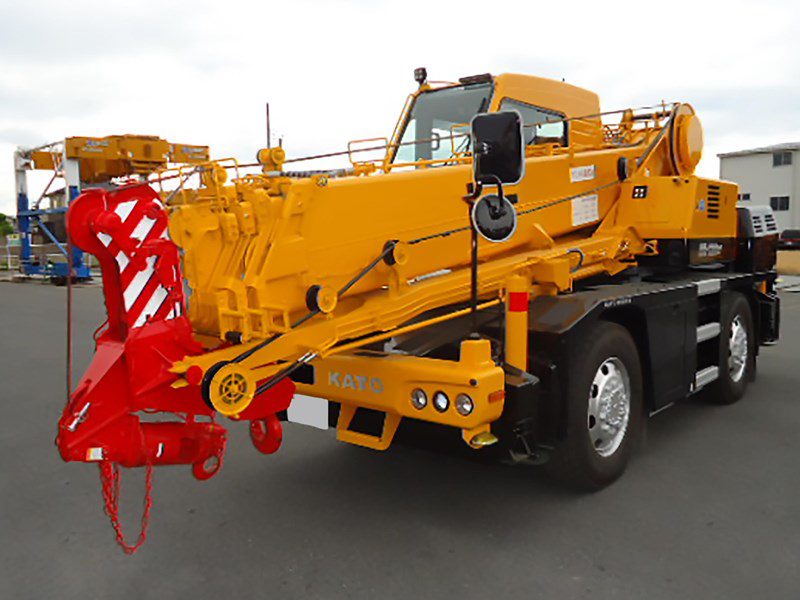
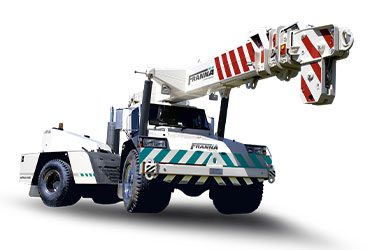
Mobile crane hire, for instance, has become indispensable for projects that require speed and adaptability. These cranes can be transported quickly, set up with relative ease, and used across multiple stages of construction. In sprawling infrastructure works—highways, bridges, or rail expansions—they provide the mobility that fixed cranes simply cannot match. Their role is less about dominance and more about responsiveness, filling gaps and solving immediate logistical challenges.
By contrast, tower crane hire reflects a longer-term commitment. These cranes define skylines precisely because they stay in place, often for months or years, anchoring large-scale developments. Their presence signals not just construction activity, but a certain confidence in the project’s trajectory. Developers rely on them for vertical efficiency, moving heavy materials to heights that would otherwise slow progress dramatically.
Then there is luffing crane hire, a more specialized solution that has quietly become essential in dense urban cores. Unlike traditional tower cranes, luffing cranes can adjust their boom angle, allowing them to operate in confined spaces without overreaching into neighboring properties. In cities where space is at a premium and air rights are tightly regulated, this capability is not just convenient—it is necessary.
Building in Tight Spaces
If you walk through central Sydney or Melbourne today, you’ll notice something subtle but significant: construction sites are getting smaller, even as the buildings themselves grow taller. This paradox defines much of modern urban development. Land is scarce, regulations are stringent, and communities are increasingly sensitive to disruption.
Here, crane hire becomes less about brute strength and more about finesse. Luffing cranes, in particular, are designed for these environments. They can lift vertically without the wide horizontal sweep of traditional cranes, reducing the risk of interference with adjacent structures. This is crucial in areas where buildings are separated by only a few meters, and where even minor encroachments can lead to legal and logistical complications.
Mobile cranes, too, have adapted to these constraints. Advances in engineering have produced machines that are both compact and powerful, capable of operating in narrow streets or restricted sites. Their versatility allows contractors to maintain momentum even when conditions are less than ideal.
Infrastructure and the National Picture
While urban high-rises capture public attention, much of Australia’s crane activity is tied to infrastructure. Roads, rail networks, ports, and energy projects all depend on heavy lifting solutions that can handle scale and complexity.
In these contexts, mobile crane hire often takes center stage. Infrastructure projects are typically spread over large areas, requiring equipment that can move as the work progresses. The ability to redeploy cranes quickly not only saves time but also reduces costs, an important consideration in publicly funded projects where budgets are closely scrutinized.
Tower cranes still play a role, particularly in large transport hubs or multi-phase developments, but their use is more targeted. The broader trend is toward a hybrid approach, where different types of cranes are hired as needed, creating a flexible ecosystem rather than a fixed inventory.
Safety as a Moving Standard
If crane hire has become more central to construction, it has also become more scrutinized. Safety expectations in Australia are among the highest in the world, shaped by both regulation and industry practice. The risks are obvious: heavy loads, significant heights, and complex operations conducted often in close proximity to workers and the public.
Over time, safety has evolved from a set of rules into a culture. Operators are highly trained, equipment is rigorously maintained, and projects are planned with risk mitigation in mind from the outset. Hiring companies are expected to meet strict standards, not just in terms of equipment quality but also in the expertise they provide.
Technology is playing an increasing role here. Modern cranes are equipped with sensors, load monitoring systems, and real-time diagnostics that help prevent accidents before they occur. These innovations are particularly important in urban environments, where the margin for error is minimal.
The Pressure of Time and Cost
Construction in Australia is not immune to global pressures. Rising material costs, labor shortages, and regulatory complexities all contribute to a challenging environment. In this context, crane hire offers a way to manage uncertainty.
By hiring rather than owning, companies can scale their operations up or down as needed. They can select the right crane for each phase of a project, rather than relying on a one-size-fits-all solution. This flexibility is not just a logistical advantage; it is a financial one.
At the same time, the demand for cranes has increased, particularly in major cities. This creates its own set of challenges, from availability to scheduling. The industry is responding with greater coordination and planning, but the underlying tension remains: as cities grow, so does the complexity of building them.
Innovation and the Future Skyline
Looking ahead, the role of crane hire is likely to become even more integral. Advances in automation, data analytics, and remote operation are beginning to reshape how cranes are used. While fully autonomous cranes may still be some way off, incremental changes are already improving efficiency and safety.
Environmental considerations are also coming into play. Electric and hybrid cranes are being developed to reduce emissions, particularly important in urban areas where construction activity can have a direct impact on air quality. These innovations are not just technical upgrades; they reflect a broader shift in how construction is perceived and managed.
At the same time, the fundamental challenge remains unchanged: how to build more, in less space, with fewer disruptions. Crane hire sits at the center of this equation, providing the tools and flexibility needed to navigate an increasingly complex landscape.
A Quiet but Defining Presence
Cranes rarely attract the same attention as the buildings they help create. They are temporary by design, disappearing once their work is done. Yet their influence is profound. Through mobile crane hire, tower crane hire, and luffing crane hire, they enable a kind of construction that would otherwise be impossible.
In cities like Sydney, where every square meter is contested and every project carries significant stakes, crane hire is not just a service—it is a strategy. It reflects a shift toward adaptability, precision, and efficiency, qualities that define modern urban development.
If the skyline is a measure of a city’s ambition, then cranes are its instruments. They translate plans into reality, one lift at a time, shaping not just buildings but the very fabric of urban life.