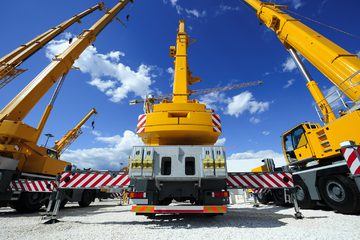
Stand on the edge of any fast-growing Australian suburb—Western Sydney, Melbourne’s outer corridors, or Brisbane’s expanding fringe—and you’ll notice something before you notice anything else: cranes. Not as spectacle, but as infrastructure in their own right. They are as much a part of the modern skyline as glass towers and rail lines, silently marking where capital, policy, and population converge.
Yet cranes are rarely the focus of public conversation. We talk about housing shortages, transport bottlenecks, and urban density, but seldom about the machinery that makes these ambitions physically possible. In Australia today, the evolving role of crane hire—particularly mobile crane hire, tower crane hire, and luffing crane hire—offers a revealing lens into how cities are actually being built, and why that process is becoming more complex, more regulated, and more technologically driven than ever before.
The Hidden Backbone of Urban Growth
Australia’s construction boom over the past two decades has been shaped by two overlapping forces: population growth and a political commitment to infrastructure investment. Western Sydney, in particular, has become a case study in accelerated urban development. Projects tied to the Western Sydney Airport, new metro lines, and dense residential precincts have transformed what was once peripheral land into a focal point of national growth.
This is where city crane hire western Sydney becomes more than a logistical service. It becomes a coordinating force. Construction timelines today are compressed, budgets are scrutinized, and sites are often constrained. Hiring cranes rather than owning them allows developers and contractors to adapt quickly to shifting project requirements without absorbing long-term capital costs. Flexibility, in this context, is not just a convenience—it’s a necessity.
The rise of specialized crane hire services reflects a broader shift in construction economics. Projects are no longer linear; they are modular, phased, and frequently adjusted midstream. Crane hire companies, in turn, have evolved into partners rather than mere equipment providers, advising on lift planning, site logistics, and compliance.
Choosing the Right Machine for the Job
Not all cranes are created equal, and the distinctions between them tell a story about the environments in which they operate.
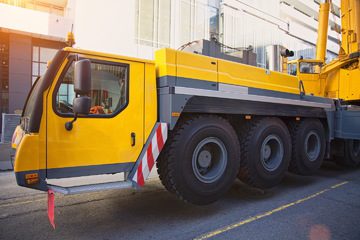
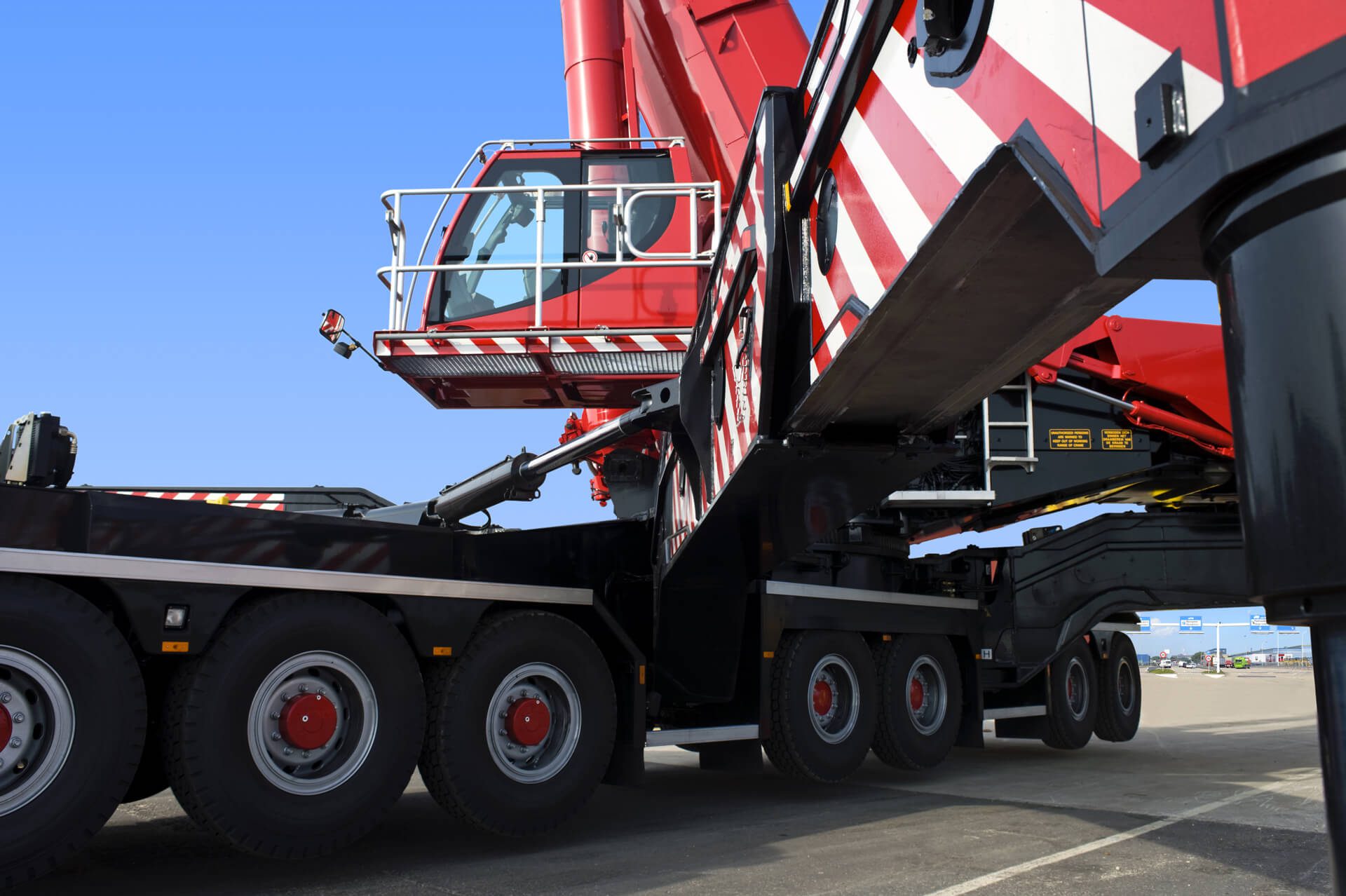
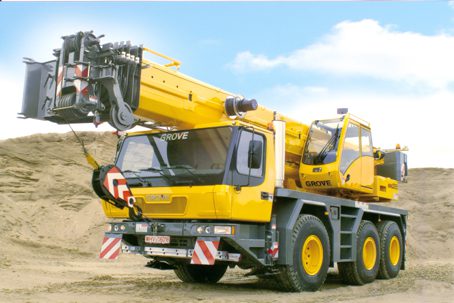
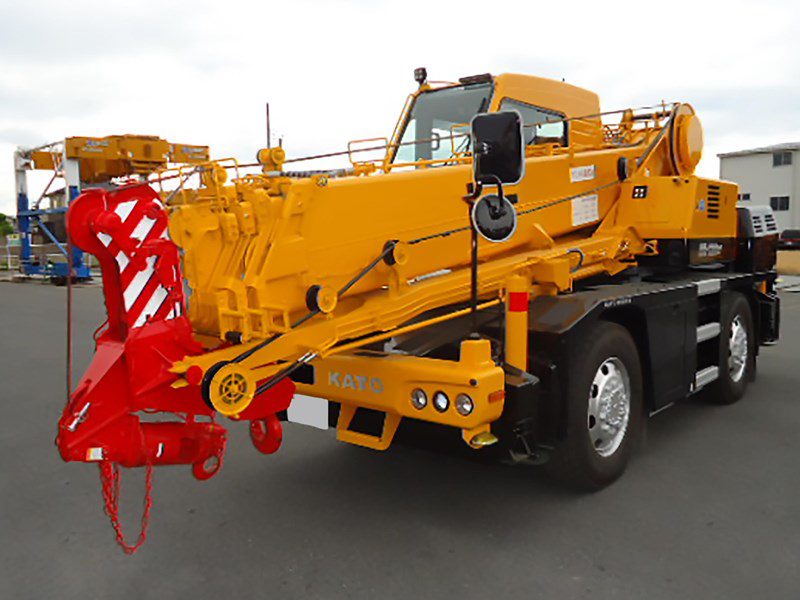
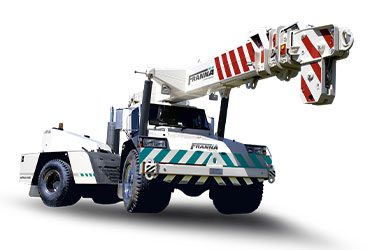
Mobile crane hire remains the most versatile option. Mounted on wheeled vehicles, these cranes are designed for rapid deployment and short-term tasks. They are the workhorses of infrastructure projects—bridges, roadworks, utility installations—where mobility and speed matter more than height. In a sprawling region like Western Sydney, where projects are often spread across large distances, mobile cranes offer a practical solution to logistical challenges.
Tower crane hire, by contrast, is synonymous with vertical ambition. These cranes dominate high-rise construction, where their ability to lift heavy loads to significant heights with precision is indispensable. As Australian cities push upward to accommodate growing populations, tower cranes have become fixtures of the skyline. Their presence signals not just construction, but density—the kind that transforms suburbs into urban centers.
Then there is luffing crane hire, a more specialized but increasingly essential option in tight urban environments. Unlike traditional tower cranes, luffing cranes can adjust their jib angle, allowing them to operate in confined spaces without overswinging adjacent properties. In dense precincts where buildings rise shoulder to shoulder, this capability is critical. It is no exaggeration to say that without luffing cranes, certain inner-city developments would simply not be feasible.
What emerges from this comparison is not a hierarchy of machines, but a spectrum of solutions tailored to specific urban conditions. The crane you see on a site is, in many ways, a reflection of the constraints and ambitions of that project.
Building Up, Building In
Australia’s urban future is increasingly defined by two competing imperatives: the need to build more housing and the limits of available space. This tension is most visible in cities like Sydney, where land scarcity and planning restrictions push development toward higher density.
Cranes sit at the intersection of these pressures. High-rise developments demand tower crane hire for sustained, large-scale lifting. But as sites become tighter and regulations more stringent, the role of luffing crane hire grows. These machines enable construction in areas where traditional cranes would be impractical or even unsafe.
Meanwhile, large infrastructure projects—rail expansions, highways, energy installations—continue to rely heavily on mobile crane hire. These projects often unfold across multiple locations, requiring equipment that can be transported and redeployed quickly. The ability to move a crane from one site to another within hours can significantly impact project timelines and costs.
In this sense, crane hire is not just about lifting materials; it is about orchestrating the movement of an entire construction ecosystem. Each crane type contributes to a different phase or aspect of development, and the interplay between them reflects the complexity of modern construction.
Safety, Regulation, and Public Expectation
If cranes are the visible symbols of construction, safety is the invisible framework that governs their use. In Australia, this framework is both robust and evolving.
Regulatory bodies enforce strict standards for crane operation, maintenance, and operator certification. These standards have been shaped by past incidents, technological advancements, and a growing emphasis on workplace safety. The expectation is clear: zero tolerance for negligence.
But safety today extends beyond the construction site. In dense urban areas, cranes operate in close proximity to residential buildings, public roads, and pedestrian zones. This proximity introduces new risks and, with them, new responsibilities. Lift planning has become more sophisticated, incorporating detailed risk assessments and contingency strategies.
Technology plays an increasingly important role here. Modern cranes are equipped with load monitoring systems, anti-collision technology, and real-time data tracking. These innovations not only enhance safety but also improve efficiency, allowing operators to make more informed decisions on site.
At the same time, public awareness has grown. High-profile incidents, even if rare, shape perceptions and expectations. Communities now demand transparency and accountability from developers and contractors. Crane hire companies, as part of this ecosystem, are under pressure to demonstrate not just compliance, but leadership in safety practices.
Innovation and the Future of Crane Hire
The construction industry is often perceived as slow to change, but the evolution of crane hire suggests otherwise. Digital tools are transforming how projects are planned and executed. Building Information Modeling (BIM), for example, allows teams to simulate crane operations before a single piece of equipment arrives on site. This reduces uncertainty and minimizes costly adjustments during construction.
Automation and remote operation are also beginning to emerge, though their adoption remains gradual. The potential is significant: reduced reliance on manual operation, improved precision, and enhanced safety. Yet these advancements come with their own challenges, including the need for new skills and the integration of complex systems.
Environmental considerations are another driving force. As Australia moves toward stricter emissions targets, the construction industry faces pressure to reduce its carbon footprint. Electric and hybrid cranes are still in their early stages, but their development signals a shift toward more sustainable practices.
For crane hire companies, this means adapting not just to technological change, but to changing expectations from clients, regulators, and the public. The ability to offer modern, efficient, and environmentally responsible equipment is becoming a competitive differentiator.
A Quiet but Defining Presence
It is easy to overlook cranes as mere tools, but doing so misses their broader significance. They are, in many ways, the physical expression of urban policy and economic priorities. Where cranes gather, investment follows. Where they disappear, development stalls.
In Western Sydney and beyond, the increasing reliance on mobile crane hire, tower crane hire, and luffing crane hire reflects a construction landscape that is more dynamic, more constrained, and more ambitious than ever before. Each type of crane plays a distinct role, shaped by the demands of the project and the environment in which it operates.
What is perhaps most striking is how seamlessly these machines integrate into the fabric of urban life. They rise and fall with projects, leaving little trace once construction is complete. Yet their impact endures in the buildings, roads, and infrastructure they help create.
To understand modern Australian cities, then, it is worth looking up—not just at what has been built, but at the machinery that made it possible. In the quiet, methodical movement of cranes, you can see the outline of a nation still in the process of shaping itself.