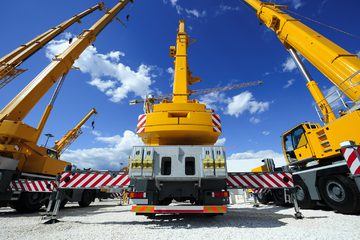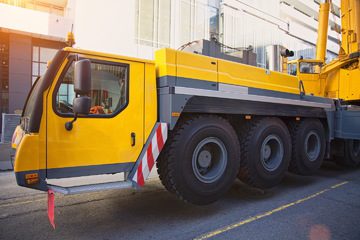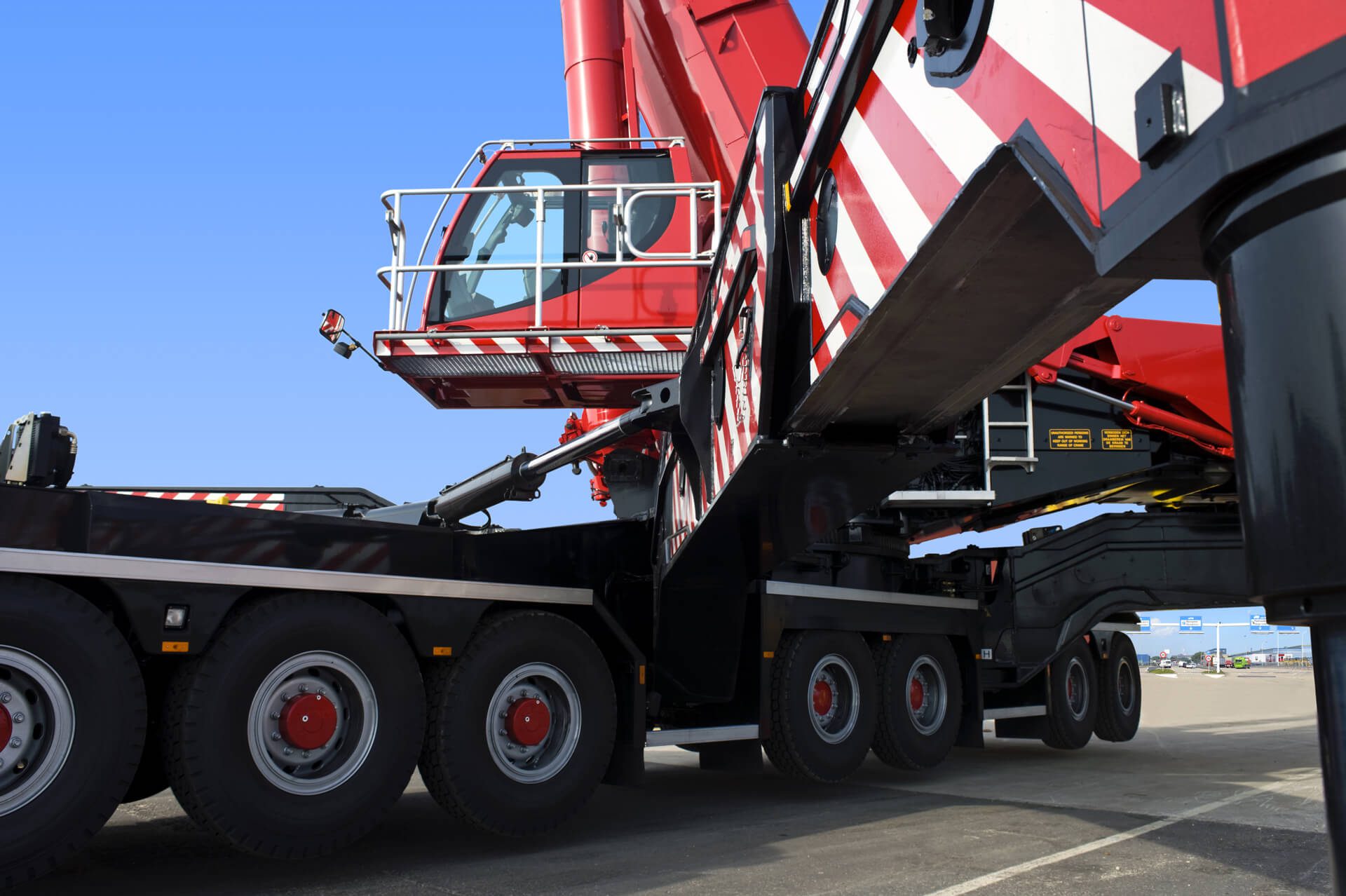
Walk through any major construction corridor in Australia today—particularly across Western Sydney—and you begin to notice a pattern that goes beyond scaffolding and steel. The skyline is punctuated by cranes, yes, but more telling is how frequently they appear, how varied they are, and how precisely they are positioned. They are not just tools of construction; they are signals of a deeper shift in how Australian cities are being built, managed, and imagined.
The evolving role of crane hire in this process offers an unusually clear window into the mechanics of urban growth. As demand intensifies for housing, infrastructure, and commercial space, the reliance on mobile crane hire, tower crane hire, and luffing crane hire has expanded in both scale and sophistication. What was once a straightforward logistical decision—choosing the right equipment for a job—has become a strategic consideration embedded in the earliest stages of planning.
Western Sydney and the New Geography of Growth
To understand this shift, it helps to begin with Western Sydney, where the pace of development has accelerated dramatically in recent years. Infrastructure projects tied to the Western Sydney International Airport, along with major road and rail investments, have transformed the region into a focal point of national growth. The landscape here is no longer defined by distance from the city center but by proximity to opportunity.
Within this changing geography, city crane hire western Sydney has taken on a broader significance. It reflects a construction environment that is both expansive and constrained—expansive in the scale of projects underway, yet constrained by time, budget, and increasingly complex regulatory requirements. Developers are under pressure to deliver faster, often within tighter physical footprints, and crane hire services have adapted accordingly.
Hiring cranes, rather than maintaining permanent fleets, allows construction firms to remain agile. Projects can scale up or down, timelines can shift, and equipment can be matched precisely to the demands of each phase. This flexibility has become essential in a sector where uncertainty is often the only constant.
Matching Machinery to Modern Cities
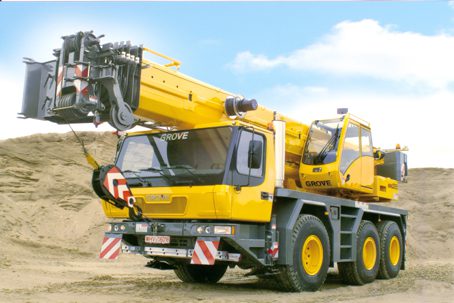
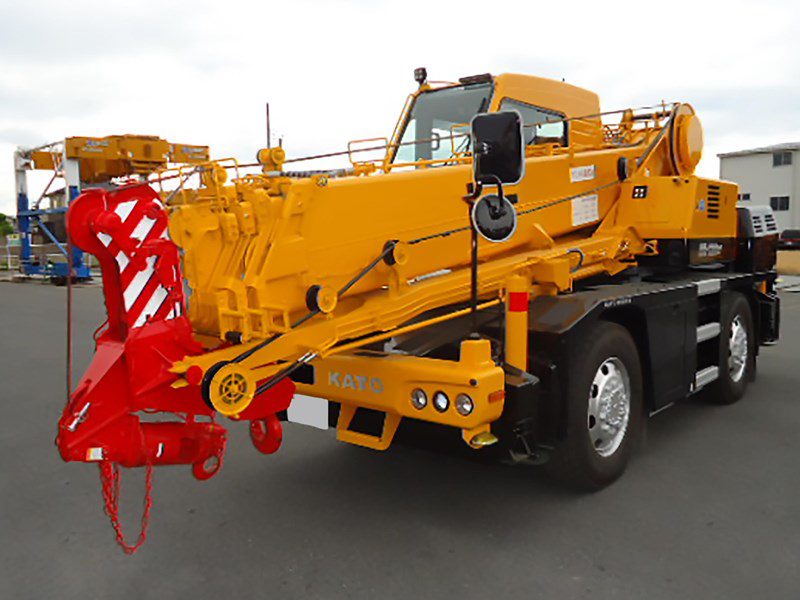
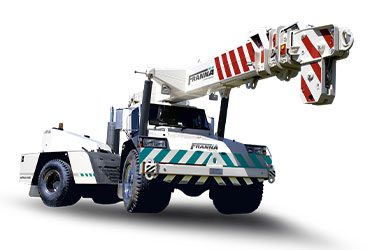
The diversity of cranes in use today mirrors the diversity of construction challenges. Mobile crane hire, for instance, has become indispensable for large infrastructure projects. These cranes are designed for movement—able to travel between sites, set up quickly, and handle a wide range of lifting tasks. In a region like Western Sydney, where projects are spread across vast areas, this mobility is not just convenient; it is critical.
By contrast, tower crane hire is closely tied to the vertical ambitions of Australia’s urban centers. As cities grow denser, the need to build upward becomes unavoidable. Tower cranes, with their height and stability, enable the construction of high-rise buildings that define contemporary skylines. Their presence is often a marker of long-term investment, signaling developments that will reshape neighborhoods for decades.
Then there is luffing crane hire, which has gained prominence as urban spaces become more constrained. These cranes are particularly suited to tight environments, where traditional cranes might struggle to operate safely. By allowing the jib to move vertically rather than sweeping widely, luffing cranes can function within narrow boundaries, minimizing disruption to surrounding properties.
Each of these crane types responds to a specific set of conditions, and their combined use reflects the complexity of modern construction. A single project may involve multiple crane types at different stages, each contributing to a carefully coordinated sequence of work. The result is a construction process that is both highly specialized and deeply interconnected.
Building Within Limits
One of the defining characteristics of contemporary Australian construction is the need to build within limits—physical, regulatory, and social. Land in major cities is finite, and community expectations around noise, safety, and visual impact are higher than ever. These constraints shape not only what can be built, but how it is built.
Cranes sit at the center of this equation. Their operation must be carefully planned to avoid conflicts with existing structures, infrastructure, and public spaces. In dense urban environments, this often means working within extremely tight margins, where even small miscalculations can have significant consequences.
This is where the role of crane hire becomes particularly nuanced. Providers are not simply supplying equipment; they are contributing expertise in how that equipment can be used effectively within complex environments. Decisions about crane placement, lift sequences, and operational timing are increasingly informed by detailed analysis and collaboration between multiple stakeholders.
Safety and the Weight of Expectation
Safety has always been a central concern in construction, but in Australia, it has taken on an even greater prominence in recent years. Regulatory frameworks governing crane operation are among the most stringent in the world, reflecting a commitment to minimizing risk in an inherently hazardous industry.
These regulations cover everything from operator certification to equipment maintenance and site management. They are reinforced by a culture of accountability, where compliance is not merely a legal requirement but a professional expectation. For crane hire companies, this means maintaining high standards across all aspects of their operations.
The urban context adds another layer of complexity. Cranes often operate in close proximity to residential areas, commercial buildings, and public infrastructure. This proximity increases the potential impact of any incident, making rigorous planning and oversight essential.
Technological advancements have played a key role in addressing these challenges. Modern cranes are equipped with systems that monitor loads, detect potential collisions, and provide real-time feedback to operators. These tools enhance both safety and efficiency, allowing for more precise and controlled operations.
At the same time, public awareness of construction safety has grown. High-profile incidents, even if rare, have heightened scrutiny and reinforced the importance of transparency. The expectation is not just that projects will be completed, but that they will be completed safely and responsibly.
Innovation and the Changing Nature of Work
Beyond safety, innovation is reshaping the crane hire industry in more subtle but equally significant ways. Digital technologies are transforming how projects are planned and executed. Building Information Modeling, for example, allows construction teams to simulate crane operations in advance, identifying potential challenges before they arise.
Data analytics is also becoming more prevalent, offering insights into equipment performance and usage patterns. For crane hire providers, this information can inform maintenance schedules, optimize deployment, and improve overall efficiency.
Environmental considerations are another emerging factor. As Australia moves toward more ambitious sustainability targets, the construction industry faces increasing pressure to reduce its environmental impact. While fully electric cranes are not yet widespread, there is growing interest in cleaner technologies and more efficient practices.
These developments point to a broader shift in how crane hire is understood. It is no longer just about lifting materials from one place to another. It is about integrating machinery into a complex, evolving system that balances economic, environmental, and social considerations.
A Subtle Force Shaping Cities
For all their scale and visibility, cranes are temporary fixtures. They arrive, perform their function, and disappear, leaving behind the structures that define urban life. Yet their influence is far from temporary.
In regions like Western Sydney, the patterns of crane activity offer a glimpse into the future of the city. Clusters of cranes signal areas of intense development, while their absence can indicate delays or shifts in investment. In this way, crane hire becomes a kind of barometer, reflecting broader trends in urban growth.
More importantly, cranes enable a form of construction that would otherwise be impossible. Without mobile crane hire, large-scale infrastructure projects would struggle to maintain momentum. Without tower crane hire, the vertical expansion of cities would be severely limited. Without luffing crane hire, dense urban environments would present insurmountable challenges.
The next time you find yourself looking at a skyline dotted with cranes, it is worth considering what they represent. Not just the buildings that are rising, but the systems, decisions, and innovations that make those buildings possible. In their quiet, methodical movements, cranes reveal a great deal about how Australia is building its future—carefully, deliberately, and always within reach of the next horizon.