Walk through any major Australian city and you begin to notice a pattern—not just in the skyline, but in the rhythm of construction itself. Steel rises, concrete follows, façades take shape. Hovering above it all are cranes, steady and deliberate, marking time in a way that feels almost architectural. They are so familiar that it’s easy to forget how much depends on them—not just their presence, but the increasingly sophisticated systems through which they are hired, deployed, and integrated into the life cycle of a project.
In Australia today, crane hire is no longer a peripheral decision made late in planning. It has become a central consideration, influencing everything from design feasibility to construction timelines. The growing reliance on mobile crane hire, tower crane hire, and luffing crane hire reflects a deeper shift in how cities are built—denser, faster, and under tighter constraints than ever before.
A Shift from Ownership to Access
There was a time when large construction firms maintained their own fleets of cranes, treating them as long-term assets. That model has gradually given way to something more flexible. Hiring cranes—rather than owning them—allows companies to tailor equipment to the specific demands of each project, rather than forcing projects to conform to available machinery.
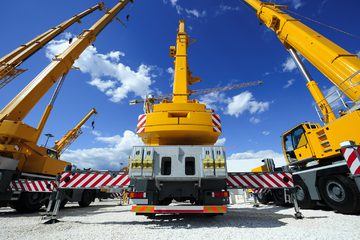
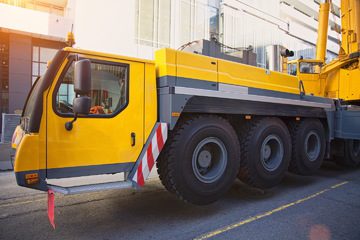
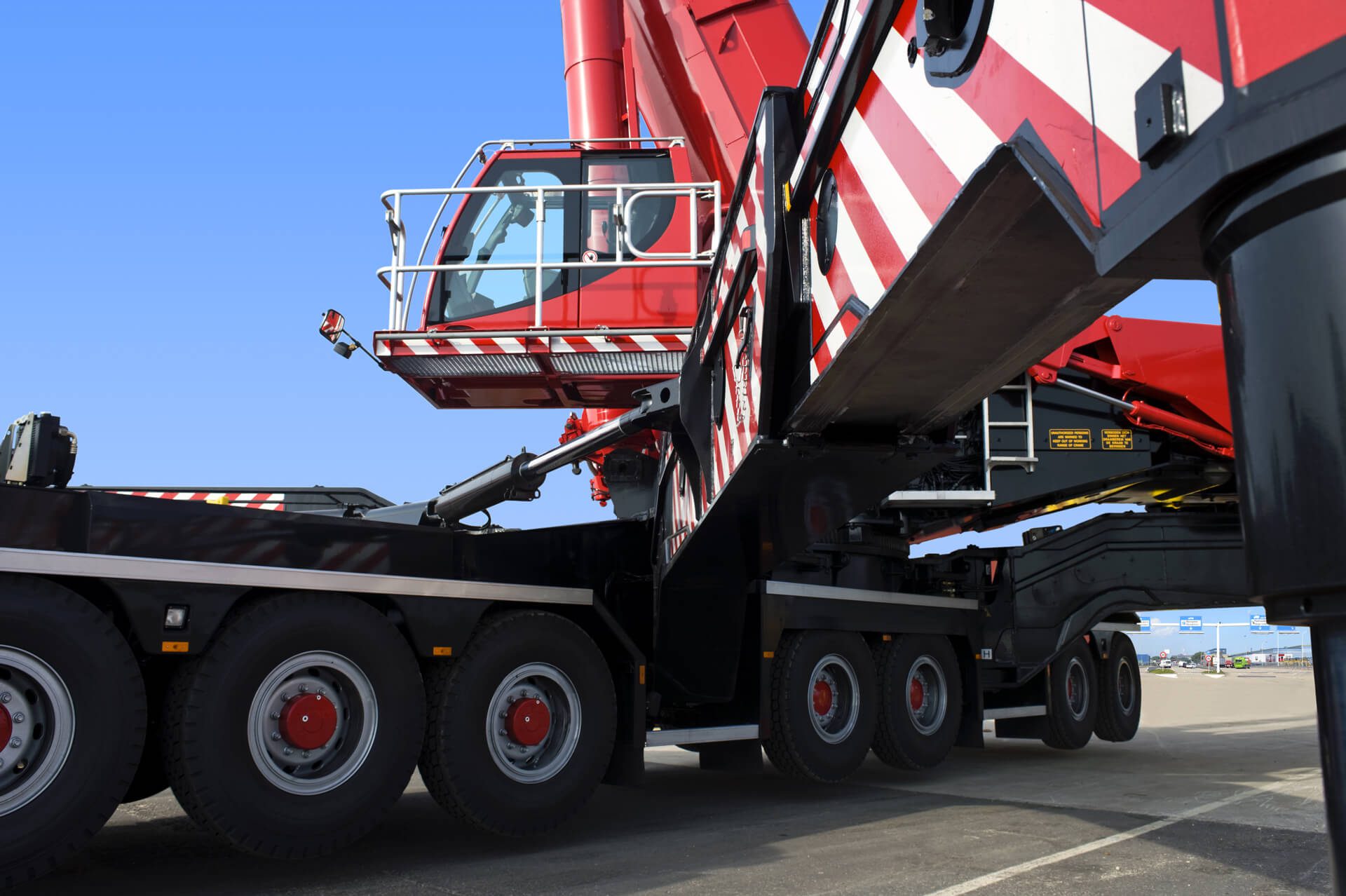
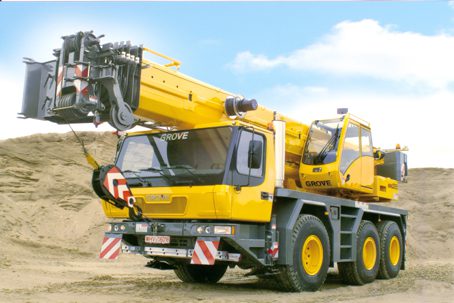
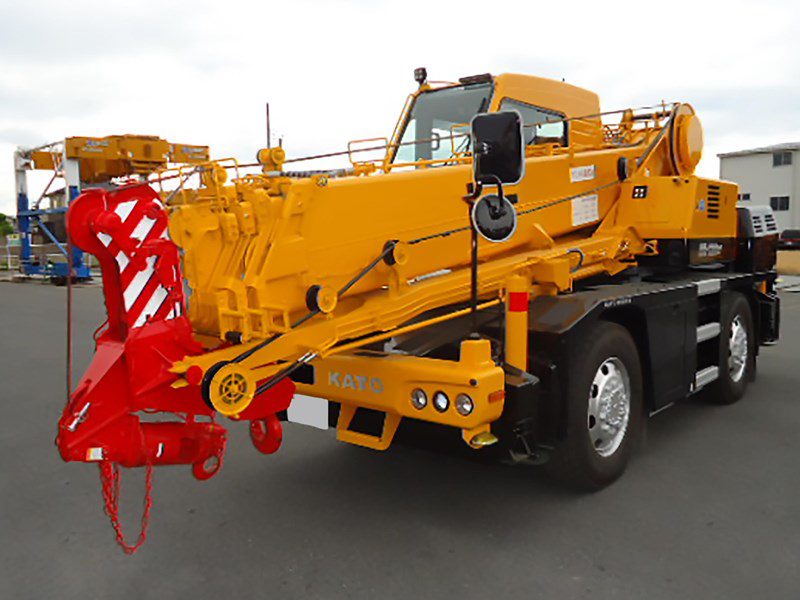
Mobile crane hire sits at the heart of this transition. These cranes are adaptable, relatively quick to deploy, and capable of handling a wide range of lifting tasks across different terrains. In regional infrastructure projects—highways stretching across vast distances, energy installations in remote locations—they provide a kind of logistical agility that fixed equipment simply cannot match.
This flexibility matters in a country as geographically varied as Australia. Construction doesn’t happen in one uniform environment; it unfolds across dense urban cores, suburban expansions, and remote industrial zones. Mobile cranes, by virtue of their mobility, serve as a connective thread between these disparate settings.
Yet as cities grow upward rather than outward, the demands placed on cranes become more specialized.
The Vertical Imperative
In inner-city Sydney or Melbourne, where land is scarce and expensive, construction has turned decisively vertical. Tower crane hire has become a defining feature of this shift. These cranes, anchored to the ground and rising alongside the structures they help build, are designed for sustained, high-volume lifting over long periods.
Their role extends beyond mere height. Tower cranes bring a level of efficiency that aligns with the economics of high-rise development. Materials can be moved continuously, precisely, and with minimal disruption to the surrounding environment. In projects where timing is critical and margins are tight, this consistency becomes invaluable.
But vertical growth introduces its own complications. As buildings cluster closer together, the airspace above construction sites becomes increasingly contested. The long horizontal reach of traditional tower cranes can pose risks when neighboring properties are just meters away. This is where luffing crane hire has found its place.
Luffing cranes operate differently. Their jibs can be raised or lowered, allowing loads to be lifted in a more vertical path rather than sweeping broadly across the skyline. In dense urban environments, this capability reduces the likelihood of oversailing adjacent buildings—a concern that carries both safety and legal implications.
The growing use of luffing crane hire in Australian cities speaks to a broader reality: construction is no longer just about building higher, but about building more carefully within limited space.
The Overlooked Efficiency of the Franna
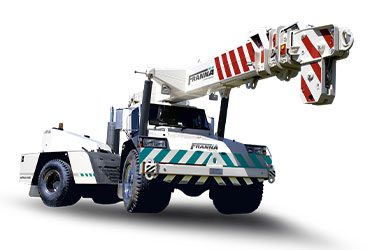
While tower and luffing cranes dominate the skyline, much of the essential work happens closer to the ground. This is where franna crane hire quietly plays a crucial role. Known for their ability to pick up and carry loads over short distances, Franna cranes are less about spectacle and more about efficiency.
On a busy construction site, materials rarely move in a straight line from delivery to installation. They are repositioned, staged, and adjusted multiple times. Franna cranes excel in this kind of environment, where flexibility and speed are more important than height or reach.
Their significance becomes clearer when viewed in context. Large cranes handle the heavy lifting, but without the support of smaller, more agile machines, workflows can quickly become bottlenecked. Franna crane hire, in this sense, is part of the invisible infrastructure of construction—ensuring that operations continue smoothly between major lifts.
As urban density increases and sites become more constrained, the ability to move materials efficiently within tight spaces is becoming just as important as the ability to lift them high.
Safety in an Era of Complexity
The evolution of crane hire in Australia cannot be separated from the evolution of safety standards. Construction has always involved risk, but the nature of that risk is changing. Projects are more complex, sites are more confined, and the consequences of error are potentially greater.
Australia’s regulatory framework reflects this reality. Oversight bodies such as Safe Work Australia set guidelines that govern everything from operator certification to equipment maintenance. These standards are not static; they evolve in response to new technologies, emerging risks, and lessons learned from past incidents.
One of the most notable developments in recent years has been the integration of technology into safety practices. Modern cranes are equipped with systems that monitor load weights, detect potential collisions, and provide real-time feedback to operators. These tools do not eliminate risk, but they significantly reduce the margin for human error.
The choice between mobile crane hire, tower crane hire, or luffing crane hire often carries implicit safety considerations. In a tight urban site, a luffing crane may be selected specifically to minimize interference with neighboring structures. In a high-traffic area, a mobile crane might be preferred for short-duration tasks to limit disruption.
Safety, in other words, is no longer a separate concern—it is embedded in the very logic of how cranes are chosen and used.
Technology and the Changing Nature of Work
Beyond safety, technology is reshaping the day-to-day realities of crane operations. Digital planning tools now allow engineers to simulate lifts before they happen, identifying potential obstacles and optimizing crane placement. This level of foresight was once difficult to achieve; today, it is becoming standard practice.
Telematics systems provide another layer of insight. By collecting data on crane performance, usage patterns, and maintenance needs, they enable more informed decision-making. Contractors can track efficiency, anticipate issues, and adjust operations in real time.
These advancements are particularly relevant in the context of crane hire. When equipment is rented rather than owned, the ability to monitor and manage its performance becomes even more important. Data helps ensure that the right crane is used for the right task, reducing both costs and delays.
Looking ahead, the line between operator and machine may continue to blur. Remote operation, semi-automated controls, and advanced diagnostics are already beginning to influence how cranes are used. While full automation remains a distant prospect, the direction of travel is clear: more precision, more information, and greater integration between human decision-making and machine capability.
Building Under Pressure
Australia’s construction sector operates under a unique set of pressures. Population growth continues to drive demand for housing and infrastructure, while economic and environmental constraints shape how that demand is met. Projects must be delivered quickly, but also sustainably and safely.
Crane hire sits at the intersection of these competing demands. It offers flexibility in an uncertain environment, allowing contractors to scale resources as needed. At the same time, it requires careful coordination, as the increasing specialization of cranes makes planning more complex.
The distinctions between mobile crane hire, tower crane hire, and luffing crane hire are not merely technical—they are strategic. Each choice reflects a set of priorities, from speed and cost to safety and spatial constraints. Franna crane hire, though less visible, adds another layer to this decision-making process, ensuring that the finer details of site logistics are not overlooked.
The Invisible Architecture of Progress
Cranes are often described as symbols of growth, but their true significance lies in something less visible. They shape not just what is built, but how it is built. The systems of crane hire that underpin modern construction influence timelines, budgets, and even architectural possibilities.
In Australia, where cities are evolving rapidly and infrastructure demands are intensifying, this influence is becoming more pronounced. The cranes that dot the skyline are not interchangeable; they are carefully chosen tools, each suited to a particular set of challenges.
Understanding their role offers a different perspective on urban development. It reveals a layer of decision-making that operates behind the scenes, quietly determining the pace and form of change. And it underscores a simple but often overlooked truth: before a city can rise, it must first be lifted.