If you pause long enough on a city street in Australia—whether in central Sydney or an emerging corridor on Melbourne’s fringe—you begin to notice that construction has its own tempo. It is not just the noise or the dust, but the measured sweep of cranes above, tracing arcs that signal progress more reliably than any project timeline. These machines, so commonplace they risk fading into the background, are in fact central to how modern Australia is being built. And increasingly, it is not just their presence but the system of crane hire behind them that is shaping the possibilities of urban development.
The shift toward hiring rather than owning cranes reflects a deeper transformation in the construction industry. It mirrors an economy that values adaptability, where access to specialized tools on demand often outweighs the logic of long-term ownership. In this context, mobile crane hire, tower crane hire, and luffing crane hire are not merely services; they are mechanisms through which projects gain precision, flexibility, and speed.
The Expanding Role of Mobility
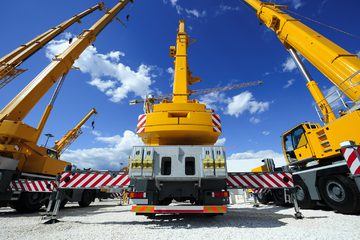
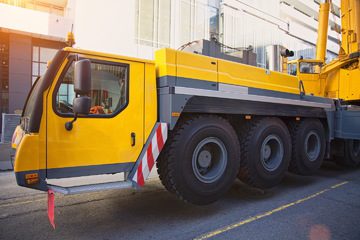
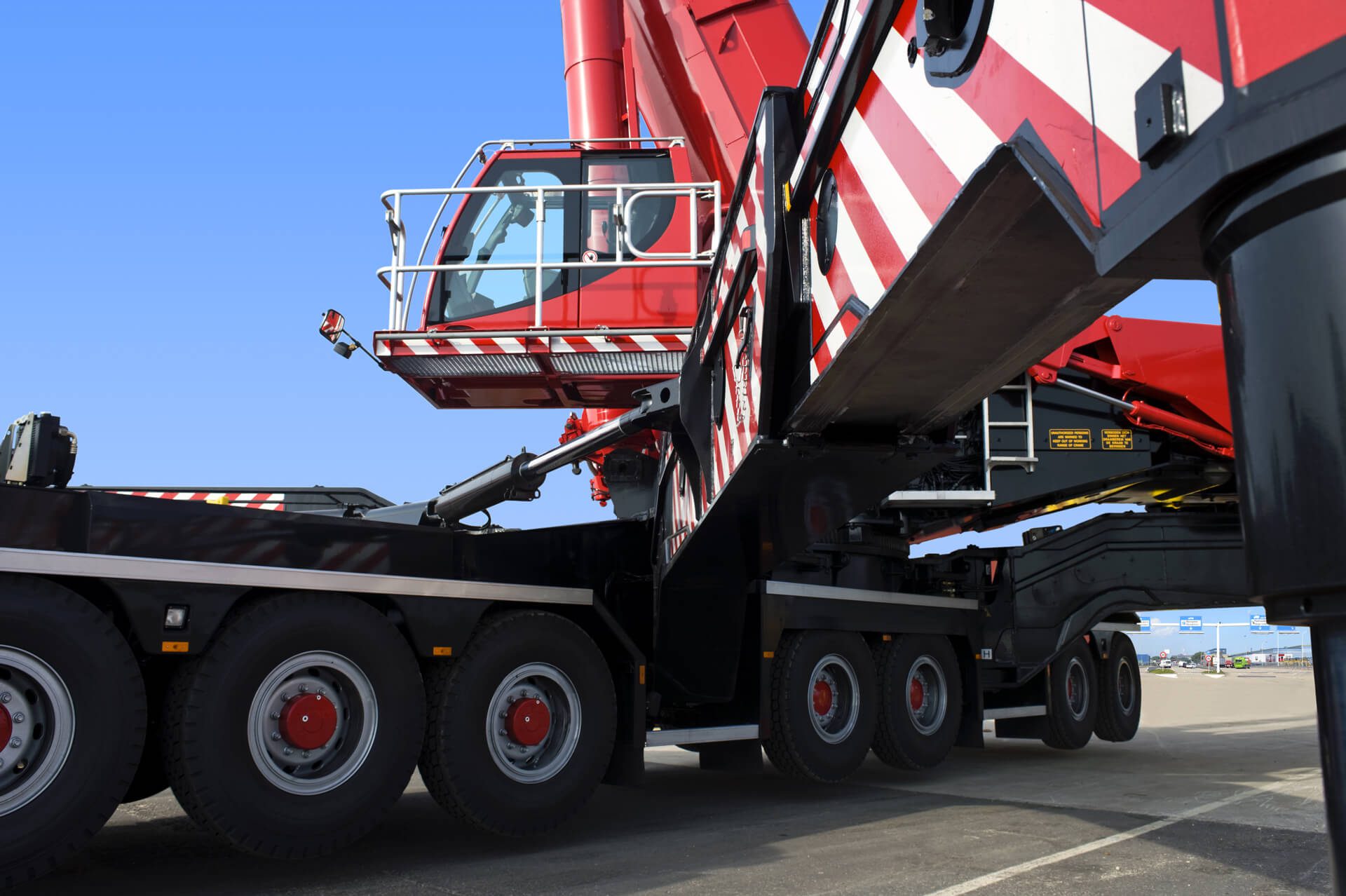
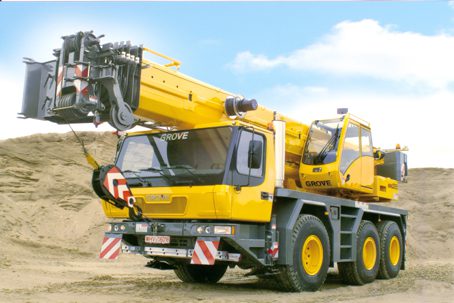
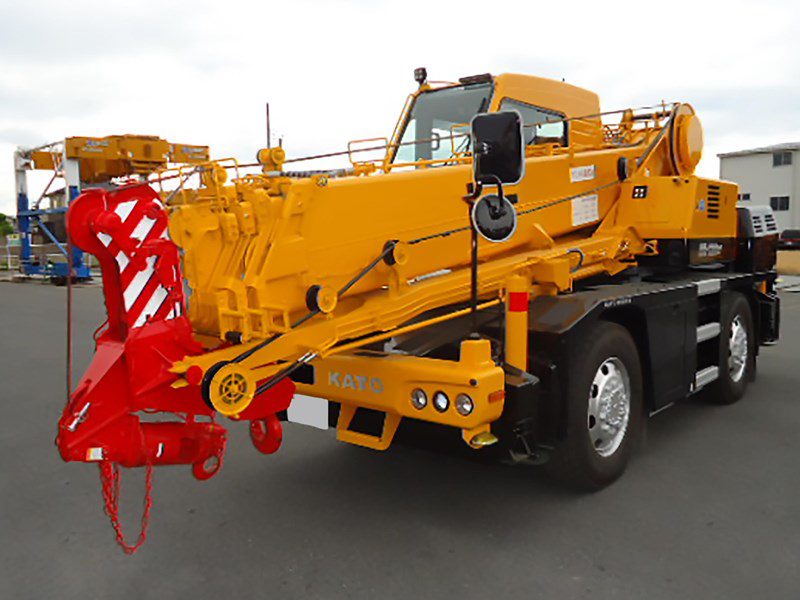
To understand the current landscape, it helps to begin with movement. Australia’s scale and geographic diversity have always posed logistical challenges, and in many ways, mobile crane hire has emerged as a practical answer to those constraints. These cranes can be transported with relative ease, set up quickly, and deployed across a wide variety of tasks—from infrastructure upgrades to industrial installations.
In large-scale projects, particularly those that stretch across long distances such as highways or energy networks, mobility is essential. A fixed crane would impose rigidity on a process that requires constant adjustment. Mobile cranes, by contrast, bring a responsiveness that aligns with the realities of modern construction. They allow work to proceed in stages, adapting to changing site conditions without the need for permanent installations.
But mobility alone does not define the industry’s evolution. As Australia’s cities grow denser, the challenge is no longer just about covering distance—it is about navigating space.
Building Upward in Constrained Spaces
Urban development in Australia has entered a distinctly vertical phase. As land becomes scarcer and more valuable, particularly in central business districts, the logic of building upward has become unavoidable. This is where tower crane hire assumes a central role.
Tower cranes are, in many respects, the anchors of high-rise construction. Installed early in a project’s life, they remain in place for months or even years, lifting materials with a consistency that underpins the entire build. Their height and reach make them indispensable for large developments, where efficiency and continuity are paramount.
Yet the very qualities that make tower cranes effective can also create complications. In tightly packed urban environments, the horizontal reach of a crane can extend beyond the boundaries of a site, raising concerns about safety and property rights. The need to manage these constraints has contributed to the growing prominence of luffing crane hire.
Unlike traditional tower cranes, luffing cranes are designed to operate with a more vertical lifting motion. Their adjustable jibs allow operators to control the radius of movement, reducing the likelihood of encroaching on neighboring structures. In dense areas, this capability is not simply advantageous—it is often necessary to secure approvals and maintain safe operations.
The distinction between tower and luffing crane hire illustrates a broader point: as cities become more complex, the tools used to build them must become more specialized.
The Subtle Importance of Ground-Level Efficiency
While much of the public’s attention is drawn to the cranes that dominate the skyline, a significant portion of construction activity occurs at ground level. Here, the work is less about height and more about coordination—moving materials, positioning equipment, and maintaining the flow of operations.
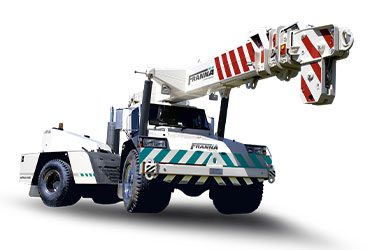
franna crane hire occupies a distinctive place in this environment. These pick-and-carry cranes are not designed for towering lifts but for short-distance movement within a site. Their ability to transport loads while carrying them makes them particularly effective in spaces where efficiency depends on constant repositioning.
In the context of urban density, this role becomes increasingly important. As construction sites shrink and become more congested, the margin for inefficiency narrows. Delays in moving materials from one point to another can ripple through an entire project. Franna cranes, by enabling quick and flexible handling, help to mitigate these risks.
They are, in a sense, the connective tissue of construction—linking the large-scale capabilities of tower and mobile cranes with the day-to-day realities of site logistics. Their contribution may be less visible, but it is integral to the overall system.
Safety as a Central Consideration
As the complexity of construction has increased, so too have expectations around safety. In Australia, regulatory frameworks have evolved to reflect the risks associated with modern building practices. Organizations such as Safe Work Australia play a key role in establishing standards that govern crane operation, from licensing requirements to maintenance protocols.
These regulations are not static. They respond to changes in technology, shifts in industry practice, and the lessons learned from past incidents. Over time, they have contributed to a culture in which safety is not treated as an afterthought but as a fundamental aspect of planning and execution.
The choice between different types of crane hire is often influenced by these considerations. In a congested urban site, a luffing crane may be selected precisely because it minimizes the risk of oversailing adjacent properties. In a high-traffic area, mobile crane hire might be preferred for tasks that can be completed quickly, reducing exposure to potential hazards.
Technology is reinforcing this focus. Modern cranes are equipped with systems that monitor loads, detect obstacles, and provide operators with real-time information. These tools enhance situational awareness, allowing for more precise and controlled operations.
Innovation and the Changing Nature of Work
Beyond safety, technological advancement is reshaping how cranes are used and managed. Digital modeling tools now allow engineers to simulate lifts before they occur, identifying potential challenges and refining strategies in advance. This level of planning reduces uncertainty and helps to ensure that equipment is used as efficiently as possible.
Telematics systems add another layer of insight, providing data on usage patterns, performance, and maintenance needs. For companies relying on crane hire, this information is particularly valuable. It enables more informed decisions about which equipment to use and when, aligning resources with the specific demands of each project.
These innovations are gradually changing the role of the operator as well. While human skill remains essential, it is increasingly supported by technology that enhances precision and reduces the likelihood of error. The result is a more integrated approach to construction, where machines and data work in tandem.
Pressures and Possibilities
Australia’s construction sector operates within a landscape shaped by competing pressures. Population growth continues to drive demand for housing and infrastructure, while economic constraints and environmental considerations impose limits on how projects are delivered. In this environment, efficiency is not merely desirable—it is essential.
Crane hire provides a means of navigating these pressures. By offering access to specialized equipment without the burden of ownership, it allows companies to adapt to changing conditions. At the same time, the increasing diversity of crane types introduces new complexities. Selecting the right combination of mobile, tower, and luffing crane hire requires careful planning and a clear understanding of project requirements.
Franna crane hire, though often overlooked, plays a role in this balancing act. By ensuring that materials can be moved efficiently within constrained sites, it supports the broader goal of maintaining momentum in construction.
The Unseen Influence on Urban Form
It is easy to think of cranes as temporary fixtures—tools that appear during construction and disappear once a building is complete. But their influence extends beyond the duration of any single project. The capabilities and limitations of crane hire shape what can be built, how quickly it can be completed, and how it interacts with its surroundings.
In Australia’s rapidly evolving cities, this influence is becoming more pronounced. The interplay between different types of cranes reflects the complexity of modern construction, where each decision carries implications for safety, efficiency, and design.
To look at a skyline, then, is to see not just the end result but the process that made it possible. Behind every tower, every bridge, every piece of infrastructure, there is a network of decisions about how materials are lifted, moved, and assembled. Crane hire, in all its forms, is central to that network—a quiet but decisive force in the making of contemporary Australia.