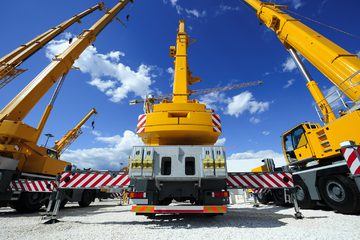
Walk through any major construction corridor in Australia today and you begin to notice a pattern that goes beyond the usual signs of growth. It is not just that there are more cranes—it is that they are different, more specialized, more carefully matched to their surroundings. This is not coincidence. It reflects a deeper shift in how Australian cities are being built, and perhaps more importantly, how they are being reimagined.
Crane hire—whether mobile crane hire, tower crane hire, or luffing crane hire—has become less a background service and more a strategic component of construction itself. The choice of crane now shapes timelines, site layouts, and even the feasibility of entire developments. In a country navigating the pressures of urban density, infrastructure demand, and regulatory scrutiny, these machines are no longer interchangeable tools. They are, in a quiet but meaningful way, instruments of urban design.
The Changing Geometry of Growth
Australia’s cities are undergoing a subtle but profound transformation. The long-standing model of outward suburban expansion is giving way to denser, vertically oriented development. Population growth, housing shortages, and the economic logic of proximity have all contributed to this shift.
In practical terms, building upward introduces a new set of constraints. Construction sites are smaller, boundaries tighter, and neighboring structures closer than ever before. The margin for error—whether in space, time, or safety—has narrowed considerably.
This is where tower crane hire has traditionally played its role. Tower cranes, with their height and reach, remain indispensable for high-rise construction. They can lift heavy materials to significant elevations with a degree of stability that few other machines can match. On large residential towers or commercial skyscrapers, they form the backbone of vertical construction, often remaining in place for months or even years.
But as cities grow denser, the limitations of conventional tower cranes become more apparent. Their wide, horizontal jibs require clear airspace, something increasingly scarce in crowded urban centers. The skyline, once open, is now shared.
Luffing Cranes and the Economics of Space
Enter luffing crane hire, a solution born not of abundance but of constraint. Unlike traditional tower cranes, luffing cranes are designed with a movable jib that can be raised or lowered. This seemingly simple feature has far-reaching implications.
In dense urban environments—think inner-city Sydney or Melbourne—multiple construction projects often operate side by side. A standard tower crane might struggle in such conditions, its sweeping arc risking interference with neighboring sites. Luffing cranes, by contrast, can operate within a tighter vertical envelope, adjusting their reach dynamically to avoid collisions.
The significance of this goes beyond engineering. It allows developers to build in spaces that might otherwise be deemed impractical. It enables simultaneous projects in close proximity, accelerating the pace of urban renewal. In effect, luffing crane hire has become a key enabler of density, allowing cities to grow inward without gridlock in the sky.
There is also a quieter benefit. Luffing cranes tend to be more controlled in their movements, which can translate to reduced noise and less disruption—factors that matter increasingly in cities where construction takes place within earshot of homes, offices, and public spaces.
Mobility in a Vast Landscape
While luffing and tower cranes dominate the conversation in urban centers, mobile crane hire tells a different story—one shaped by Australia’s scale and diversity. Outside dense city cores, construction often unfolds across vast distances, from regional infrastructure projects to mining operations and transport corridors.
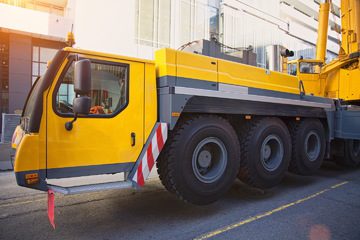
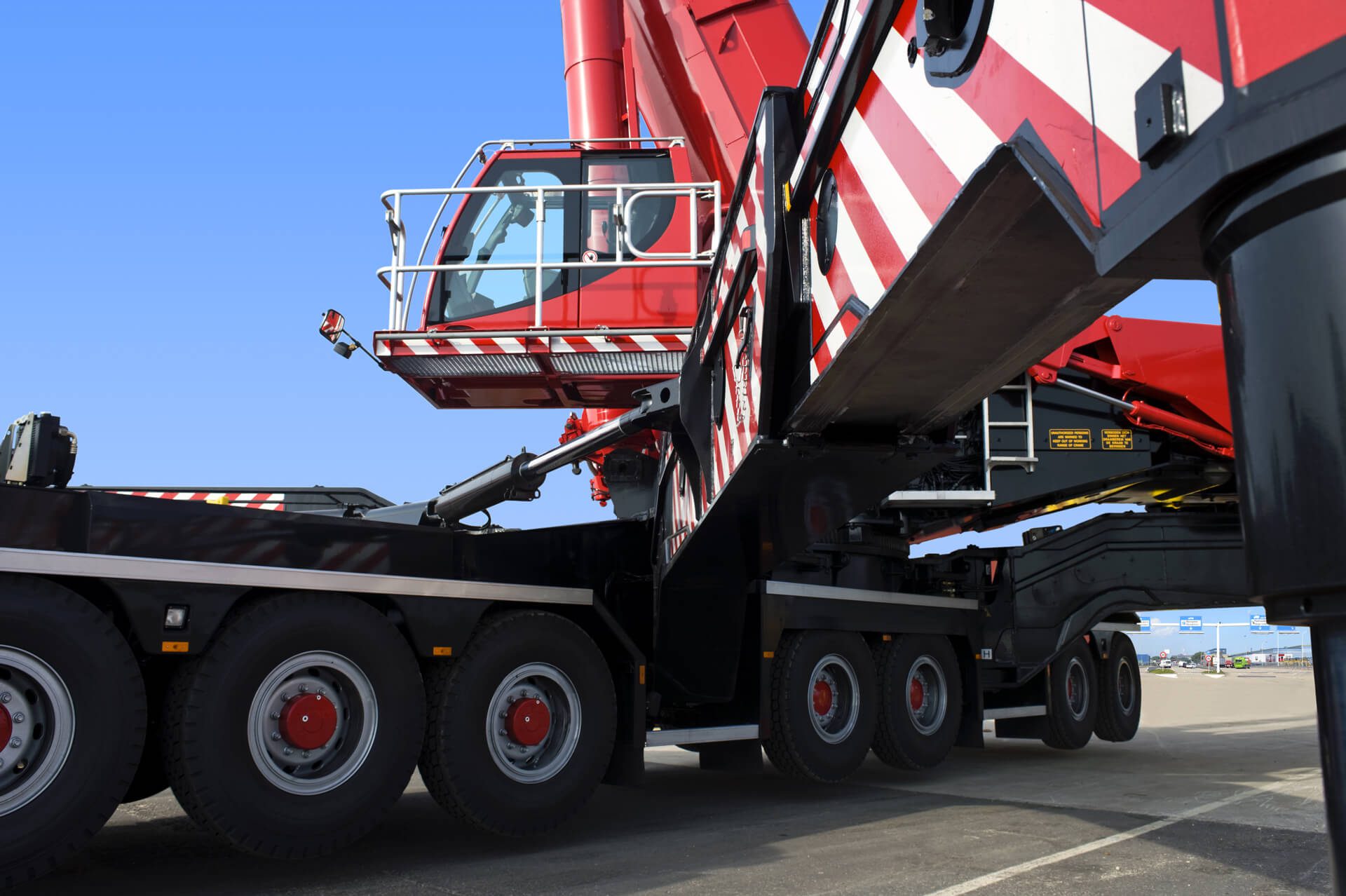
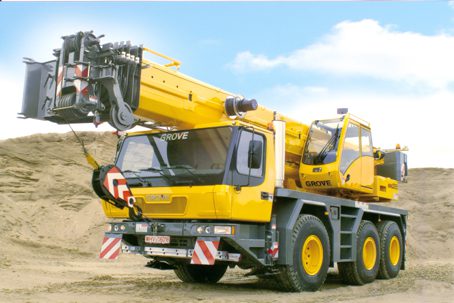
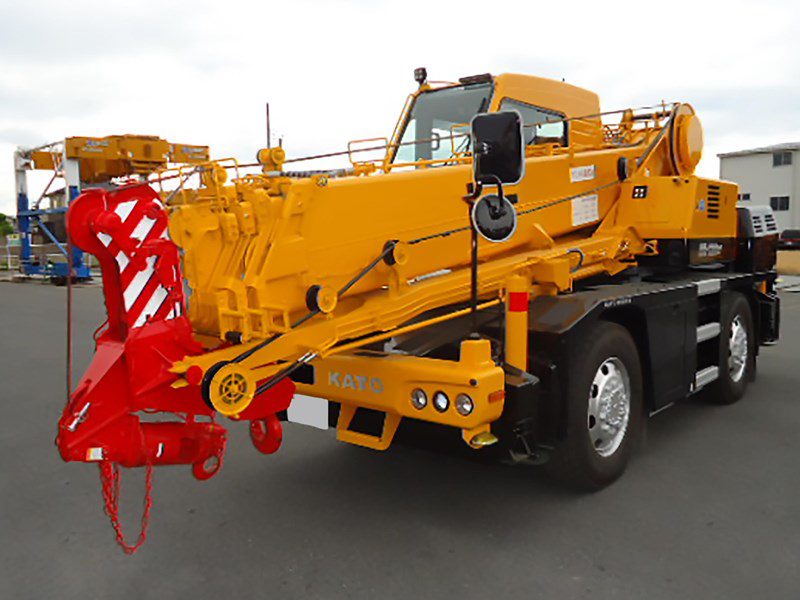
Mobile cranes, mounted on trucks or crawler systems, bring flexibility to these environments. They can be transported quickly, set up with relative ease, and deployed for short-term or specialized tasks. In infrastructure projects such as bridge construction or road upgrades, this mobility is not just convenient—it is essential.
Even within cities, mobile crane hire has found a renewed role. As construction becomes more modular, with prefabricated components assembled off-site, mobile cranes are increasingly used to lift and position these elements. This approach can reduce construction time and minimize disruption, aligning with broader efforts to make urban development more efficient.
The contrast between mobile and fixed cranes underscores a broader theme: modern construction is no longer about a single, dominant approach. It is about adaptability, about choosing the right tool for a specific context.
Safety in an Era of Complexity
As crane operations become more varied and more intricate, safety has taken on heightened importance. Australia’s regulatory framework, guided by institutions such as Safe Work Australia, has evolved in response to both technological change and the realities of modern construction.
Safety today is not merely about compliance with rules; it is about managing complexity. On a typical urban site, multiple cranes may operate simultaneously, each with overlapping zones of movement. Workers, vehicles, and materials must be coordinated within a confined space, often under tight deadlines.
To address these challenges, the industry has embraced a combination of stricter standards and advanced technology. Anti-collision systems, for instance, are now commonly integrated into tower and luffing cranes, preventing unintended overlaps in operation. Load monitoring systems provide real-time data, helping operators make informed decisions under pressure.
Training has also become more rigorous. Crane operators are expected to possess not only technical skills but also a strong understanding of site dynamics and safety protocols. The role has evolved from that of a machine operator to that of a highly trained specialist.
Technology and the Digital Turn
Beyond safety, technology is reshaping how cranes are integrated into the construction process. Digital modeling tools allow engineers to simulate crane operations before a project begins, optimizing placement and movement. This level of foresight can prevent costly delays and reduce the likelihood of on-site conflicts.
Telematics systems, which track equipment performance and usage, are becoming standard across fleets. For companies offering mobile crane hire or tower crane hire, these systems provide valuable insights into efficiency and maintenance needs. They also enable a more proactive approach to managing equipment, reducing downtime and extending operational life.
There is also growing interest in automation. While fully autonomous cranes remain a distant prospect, semi-automated features are already making an impact. These systems can assist with precision lifting and repetitive tasks, reducing the cognitive load on operators and improving consistency.
At the same time, these advancements raise questions about the future of work. As technology takes on a greater role, the skill sets required in the industry will continue to evolve. Training, once focused primarily on mechanical operation, must now encompass digital literacy and systems management.
Pressures Beneath the Surface
Despite its progress, the crane hire industry faces a range of pressures. Economic cycles, supply chain disruptions, and fluctuating demand all influence the availability and cost of equipment. In a sector where projects are often large and timelines tight, these variables can have significant ripple effects.
There is also the challenge of sustainability. Construction is under increasing scrutiny for its environmental impact, and cranes are part of that equation. Efforts to reduce emissions and energy consumption are beginning to shape equipment choices, with electric and hybrid models gradually entering the market.
These pressures do not exist in isolation. They intersect with broader trends in urban development, from housing affordability to infrastructure investment. Crane hire, in this sense, sits at the intersection of multiple forces, each pulling in a different direction.
A Subtle but Defining Influence
It is easy to think of cranes as temporary fixtures, present only for the duration of a project and then gone. But their influence extends far beyond their physical presence. The availability and capability of crane hire can determine what gets built, where, and how quickly.
mobile crane hire supports the reach of infrastructure across a vast and varied landscape. Tower crane hire enables the vertical ambitions of growing cities. Luffing crane hire, perhaps most emblematic of the current moment, allows construction to adapt to the constraints of density and proximity.
Together, they form a kind of invisible framework underpinning Australia’s urban evolution. They do not attract the same attention as finished buildings or public spaces, yet they play a decisive role in shaping both.
To watch a crane at work is to witness a carefully orchestrated balance of physics, planning, and human judgment. It is a reminder that cities are not just designed on paper; they are assembled, piece by piece, through a series of deliberate actions.
In that sense, the story of crane hire is not merely about machinery. It is about how a nation builds under pressure, how it adapts to new realities, and how it negotiates the tension between growth and constraint. And in the slow, steady movement of cranes across the Australian skyline, you can see that negotiation unfolding in real time.