There is a particular moment in any growing city when the skyline begins to speak for itself. Steel frames rise where empty lots once sat, glass towers edge higher into the sky, and the quiet choreography of cranes becomes impossible to ignore. In Australia, from Sydney to Melbourne and Brisbane, that choreography has become a defining feature of urban life. Yet behind the visual spectacle lies an industry that is less often examined: crane hire, and its evolving role in shaping how cities are built, expanded, and sustained.
To understand modern construction in Australia is, in many ways, to understand the quiet transformation of crane hire itself. What was once a straightforward logistical service has become a central, highly specialized component of urban development—one that reflects broader shifts in density, regulation, and technology.
The Rise of a Flexible Industry
The increasing reliance on mobile crane hire, tower crane hire, and luffing crane hire is not simply a matter of scale. It is a response to a deeper structural change in how cities grow. Australian urban development has trended toward density rather than sprawl, driven by population growth, housing demand, and planning constraints. This shift has made construction sites more complex and space more limited.
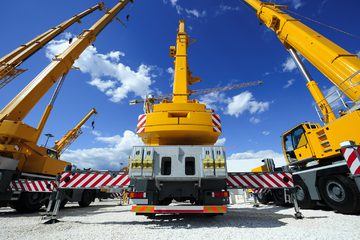
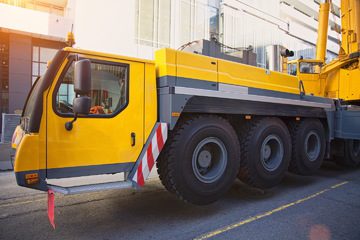
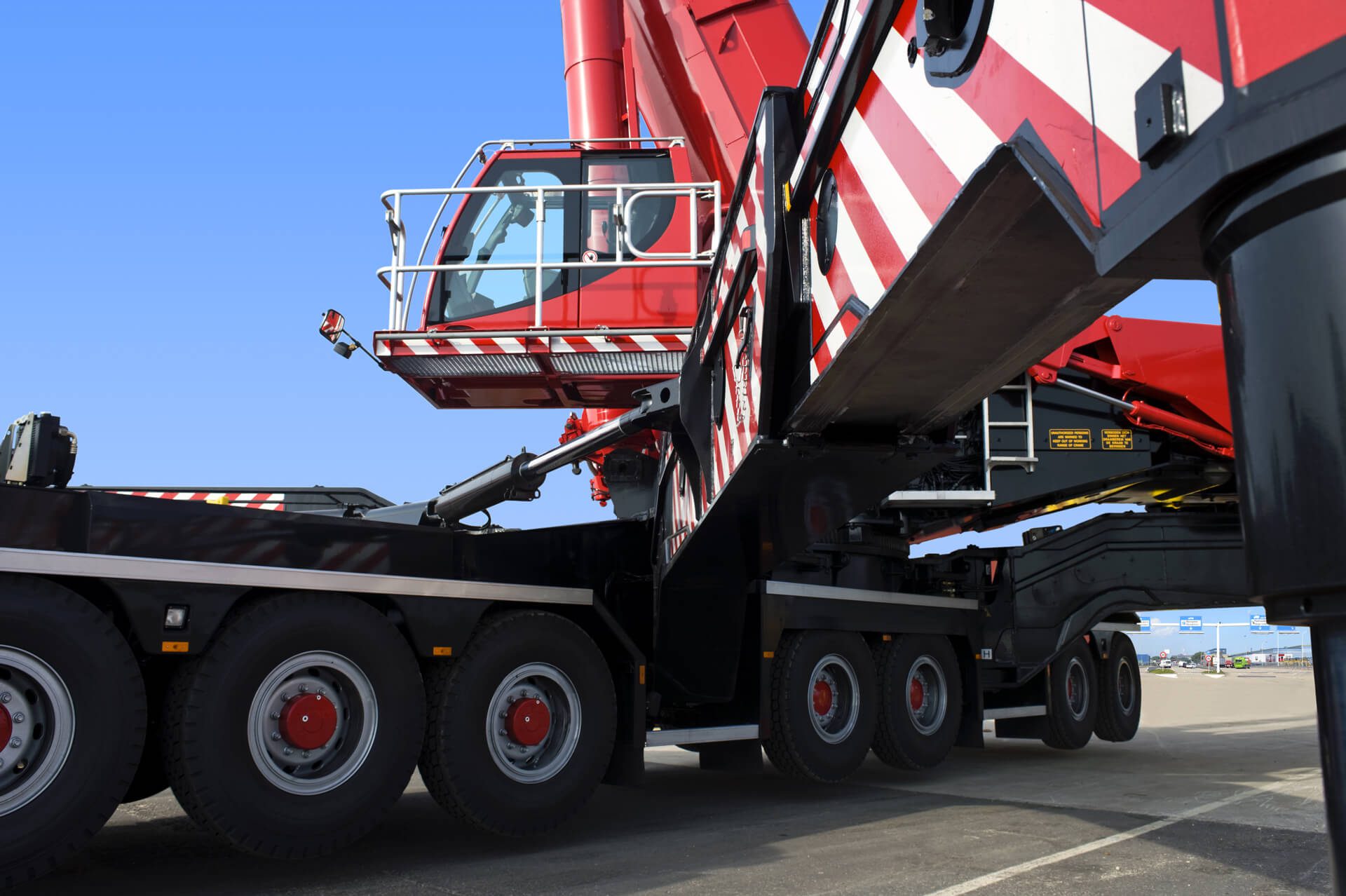
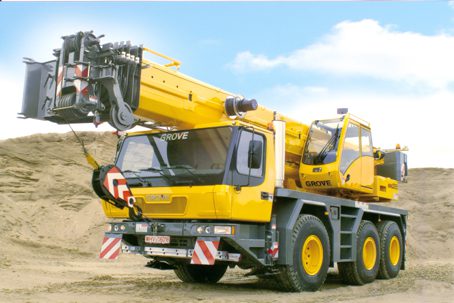
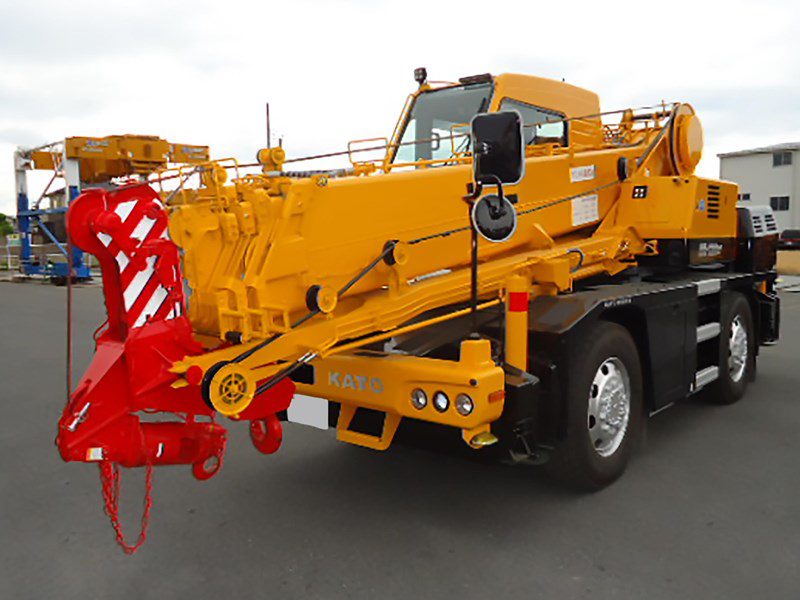
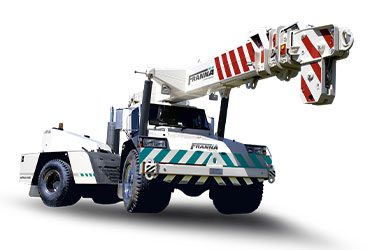
In earlier decades, projects often unfolded across expansive sites where equipment could be stationed with relative ease. Today, construction frequently occurs in tight urban corridors, wedged between existing buildings, transport lines, and active commercial districts. In such environments, flexibility becomes paramount. Mobile crane hire, for instance, offers the ability to move quickly between sites and adapt to short-term needs, making it indispensable for infrastructure upgrades, roadworks, and mid-scale developments.
At the other end of the spectrum, city crane hire has become synonymous with high-rise construction. These cranes are not merely tools but fixtures—semi-permanent presences that define the pace and rhythm of vertical building. Their height and reach allow them to service large footprints and multiple levels simultaneously, enabling the kind of vertical density that cities increasingly demand.
Then there is luffing crane hire, a more specialized solution that reflects the constraints of modern urbanism. With their ability to adjust the angle of the jib, luffing cranes are particularly suited to confined spaces where swing radius must be carefully controlled. In dense precincts, where one project may sit only meters from another, this precision is not optional; it is essential.
Matching Machines to Modern Projects
Each type of crane tells a story about the project it serves. Consider large-scale infrastructure—highways, bridges, or rail expansions. These projects often span wide areas and require significant lifting capacity across varying terrains. Mobile crane hire plays a dominant role here, offering both the strength and mobility needed to navigate changing conditions.
High-rise developments, by contrast, depend heavily on tower crane hire. The construction of residential and commercial towers in central business districts relies on cranes that can operate continuously at height, lifting materials with consistency and precision. The presence of a tower crane often signals not just construction activity, but long-term transformation—an indication that a new vertical community is taking shape.
In the tightest urban environments, however, luffing crane hire becomes indispensable. Inner-city infill projects, where developers must work within narrow boundaries and strict planning conditions, demand equipment that can operate without encroaching on neighboring airspace. These cranes, with their controlled movement, allow construction to proceed where traditional solutions might fail.
What emerges from these distinctions is not just a taxonomy of machinery, but a reflection of how cities themselves are evolving. The diversity of crane types mirrors the diversity of projects—and the increasing complexity of urban development.
Safety, Regulation, and the Weight of Expectation
With complexity comes risk, and in Australia, the expectations surrounding safety in crane operations are among the highest in the world. Oversight from bodies such as Safe Work Australia has helped shape a regulatory environment that prioritizes both worker safety and public protection.
This framework has evolved in response to past incidents, technological advancements, and the growing density of construction sites. Today, crane operations are subject to rigorous planning, certification, and monitoring processes. Operators must meet strict licensing requirements, and projects often involve detailed lift studies that account for load dynamics, environmental conditions, and site constraints.
The emphasis on safety is not merely procedural; it reflects a broader societal expectation. In dense urban areas, where construction occurs alongside daily life, the margin for error is minimal. A crane is not an isolated piece of equipment; it is part of a living city, operating in proximity to pedestrians, traffic, and existing structures.
This reality has driven innovation in both equipment and practice. Advanced load monitoring systems, anti-collision technology, and real-time communication tools have become standard features, reducing risk and improving coordination. At the same time, the human element remains critical. Skilled operators, engineers, and site managers form the backbone of safe crane operations, translating regulations into day-to-day decisions.
Technology and the Changing Nature of Work
If safety has been one driver of change, technology has been another. The integration of digital tools into crane operations is reshaping how projects are planned and executed. Building Information Modeling (BIM), for example, allows teams to simulate crane movements before a single piece of equipment arrives on site. This level of foresight can prevent conflicts, optimize placement, and improve efficiency.
Automation and remote monitoring are also beginning to influence the industry. While fully autonomous cranes remain largely experimental, incremental advances—such as remote diagnostics and semi-automated controls—are already altering workflows. These technologies do not eliminate the need for human expertise, but they do change its nature, shifting the focus toward oversight and decision-making.
In Australia, where projects often span vast distances and diverse environments, such innovations carry particular significance. They offer a way to manage complexity across multiple sites, ensuring consistency and reliability even as conditions vary.
Pressures and Possibilities
The evolution of crane hire is not occurring in a vacuum. It is shaped by broader economic and environmental pressures that influence the construction industry as a whole. Supply chain disruptions, labor shortages, and rising costs have all affected how projects are planned and executed.
At the same time, sustainability has become an increasingly important consideration. The construction sector is under growing pressure to reduce its environmental impact, and crane operations are part of that equation. More efficient engines, alternative fuels, and optimized logistics are beginning to play a role, though the transition remains uneven.
Urban density itself presents both challenges and opportunities. While it complicates construction, it also drives innovation. The need to build more within less space encourages the development of specialized equipment and techniques, pushing the boundaries of what is possible.
The Unseen Architecture of Growth
It is easy to view cranes as temporary fixtures—tools that appear during construction and disappear once a project is complete. But their impact is more enduring than it might seem. Through mobile crane hire, tower crane hire, and luffing crane hire, these machines enable the physical transformation of cities, shaping skylines and infrastructure in ways that outlast their presence.
In Australia, this transformation is particularly visible. The rapid growth of urban centers, combined with the constraints of geography and planning, has created a landscape where crane hire is not just a service, but a strategic component of development.
To watch a crane at work is to witness a kind of quiet precision, a balance of force and control that mirrors the broader process of city-building. Each lift, each movement, contributes to a structure that will eventually stand on its own, independent of the machinery that made it possible.
In that sense, cranes occupy a unique position in the story of urban growth. They are both visible and invisible, central yet often overlooked. And as Australian cities continue to evolve, their role—adaptable, essential, and increasingly sophisticated—will remain firmly at the heart of how the modern skyline is built.