Stand at the edge of almost any major construction site in Australia today—from the expanding suburbs of New South Wales to the tightening urban cores of Sydney and Melbourne—and you will notice something that has become both ordinary and indispensable: cranes. They hover above skylines, pivot between buildings, and move with a kind of deliberate precision that belies the complexity beneath. Yet the story of these machines is less about steel and hydraulics than it is about how cities evolve—and who enables that evolution.
Crane hire, once a straightforward logistical service, now sits at the center of modern construction strategy. The rise of mobile crane hire, tower crane hire, and luffing crane hire reflects a broader shift in how Australia builds: faster, denser, and under increasing regulatory and spatial constraints. What was once a supporting function has become a defining force in shaping infrastructure and urban life.
The Quiet Backbone of Growth
Australia’s construction sector is under constant pressure to deliver more within less space. Population growth, housing demand, and infrastructure investment have converged to create a landscape where efficiency is not optional—it is existential. Crane hire companies, operating behind the scenes, are increasingly responsible for making that efficiency possible.
In regional areas such as the Southern Highlands, where development is accelerating but space constraints vary widely, tower crane hire southern highlands services have taken on a nuanced role. These cranes are not just tools for vertical construction; they are instruments of coordination, enabling multiple trades to operate simultaneously while maintaining safety and precision.
Unlike traditional ownership models, crane hire offers flexibility. Developers can match specific crane types to project requirements without committing to long-term capital expenditure. This adaptability has become crucial as project timelines shrink and expectations grow.
Matching Machines to Modern Challenges
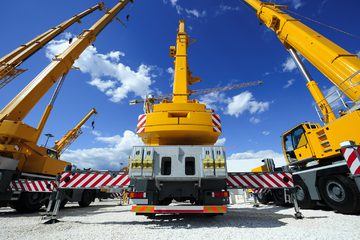
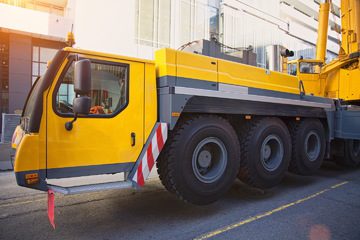
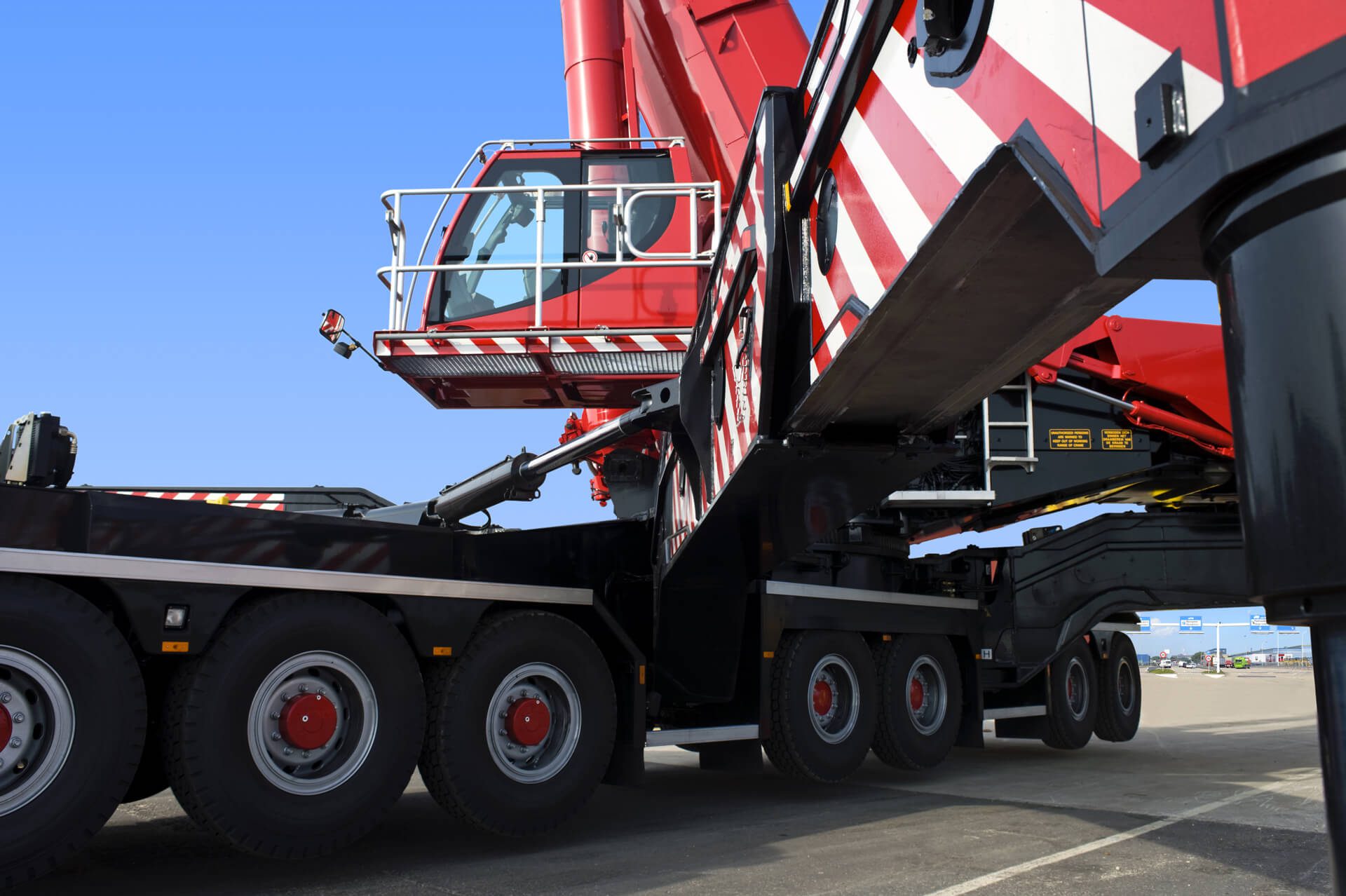
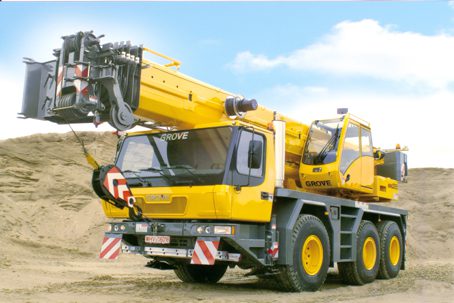
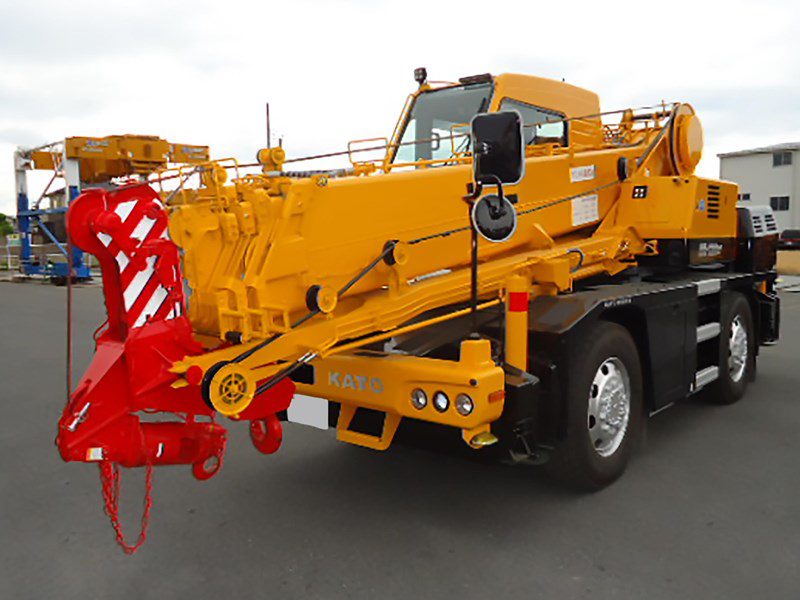
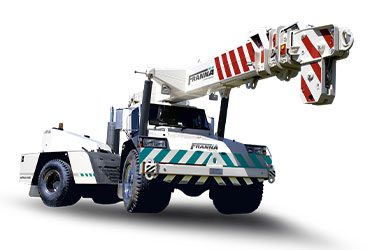
Not all cranes are created equal, and their differences tell a story about the environments they serve. Mobile crane hire remains the most versatile option, particularly suited to infrastructure projects and sites requiring rapid deployment. These cranes can be transported easily, set up quickly, and adapted to a wide range of lifting tasks. In large-scale roadworks or bridge construction, their mobility often determines the pace of progress.
By contrast, tower crane hire dominates the high-rise landscape. These cranes are designed for height, stability, and endurance. Anchored to the ground or integrated into a building’s structure, they operate for months—sometimes years—on a single project. Their presence signals long-term urban transformation: apartment complexes, commercial towers, and mixed-use developments that redefine skylines.
Then there is luffing crane hire, a more specialized but increasingly essential solution. In dense urban environments, where buildings stand shoulder to shoulder and airspace is contested, traditional tower cranes can become impractical. Luffing cranes, with their adjustable jib angles, allow operators to work within tighter boundaries. They minimize overswing, reduce risk, and make construction viable in spaces that would otherwise be inaccessible.
Each type reflects a different challenge. Together, they form a toolkit for navigating the complexities of modern construction.
Density, Design, and the Limits of Space
Australia’s cities are growing not just outward but upward. This vertical expansion introduces a paradox: the more densely we build, the harder it becomes to construct at all. Space for equipment shrinks, access points become limited, and the margin for error narrows.
Crane hire has evolved in response. Planning now begins long before a crane arrives on site. Engineers, project managers, and crane specialists collaborate to determine optimal placement, load capacity, and operational sequencing. In many cases, the crane itself dictates the design of the project, influencing everything from material flow to structural staging.
This is particularly evident in regions experiencing transitional growth. The Southern Highlands, for instance, sits at the intersection of regional development and urban spillover. Projects here often require a hybrid approach—balancing the scale of metropolitan construction with the constraints of semi-rural environments. Tower cranes used in these settings must be carefully selected and positioned to accommodate both space and community considerations.
Safety as a Moving Target
If cranes are becoming more central to construction, they are also becoming more scrutinized. Australia maintains some of the strictest safety standards in the world, governed by frameworks that continue to evolve alongside the industry.
Regulatory bodies such as Safe Work Australia have pushed for tighter controls on crane operation, including operator certification, maintenance protocols, and site-specific risk assessments. These measures are not static. They adapt to new technologies, emerging risks, and lessons learned from past incidents.
The complexity of modern crane operations has elevated the importance of training and oversight. Operators are no longer just technicians; they are decision-makers navigating dynamic environments. A single lift can involve multiple variables—wind conditions, load distribution, proximity to structures—all of which must be assessed in real time.
Crane hire companies, in turn, are expected to provide not just equipment but expertise. Their role extends into planning, compliance, and ongoing support, reflecting a broader shift toward integrated services.
Technology in the Operator’s Seat
Innovation is reshaping the industry in ways that are both visible and subtle. Digital monitoring systems now track crane performance, load data, and environmental conditions with remarkable precision. Telematics allow for remote diagnostics, reducing downtime and improving maintenance efficiency.
Automation, while still in its early stages, is beginning to influence operations. Some cranes are equipped with semi-autonomous features that assist with positioning and load control, enhancing accuracy while reducing operator fatigue. These advancements are not replacing human judgment but augmenting it—creating a partnership between operator and machine.
Perhaps more transformative is the use of simulation and modeling in project planning. Before a crane is ever erected, its movements can be mapped in a virtual environment. This allows teams to identify potential conflicts, optimize workflows, and ensure compliance with safety standards.
In dense urban settings, where luffing crane hire is often the only viable option, such technologies are particularly valuable. They enable construction teams to work within constraints that would have been prohibitive a decade ago.
Pressures and Possibilities
The crane hire industry does not operate in isolation. It is shaped by broader economic and environmental pressures, from supply chain disruptions to sustainability targets. The push toward greener construction practices has prompted questions about energy use, emissions, and lifecycle management.
Electric and hybrid cranes are beginning to emerge, offering reduced environmental impact without compromising performance. While adoption remains limited, the direction is clear. As regulatory and market pressures intensify, sustainability will become a defining factor in crane selection and deployment.
At the same time, the industry faces workforce challenges. Skilled operators and technicians are in high demand, and training pipelines must keep pace with technological change. The integration of digital tools requires new competencies, blending traditional mechanical knowledge with data-driven decision-making.
A Subtle but Defining Influence
It is easy to overlook cranes as mere tools, but their influence runs deeper. They shape not only how buildings are constructed but how cities take form. The choice between mobile crane hire, tower crane hire, and luffing crane hire is not just a technical decision; it is a reflection of broader priorities—efficiency, safety, adaptability, and vision.
In Australia, where urban development continues to accelerate, crane hire has become a kind of silent partner in progress. It enables ambition while imposing discipline, allowing projects to reach higher while keeping them grounded in practical realities.
The next time you see a crane etched against the skyline, it is worth considering what it represents. Not just a machine at work, but a system in motion—one that is quietly, steadily, lifting the future into place.