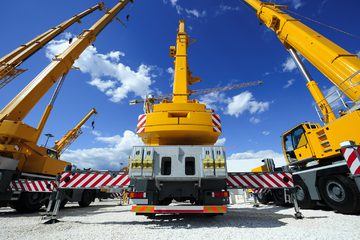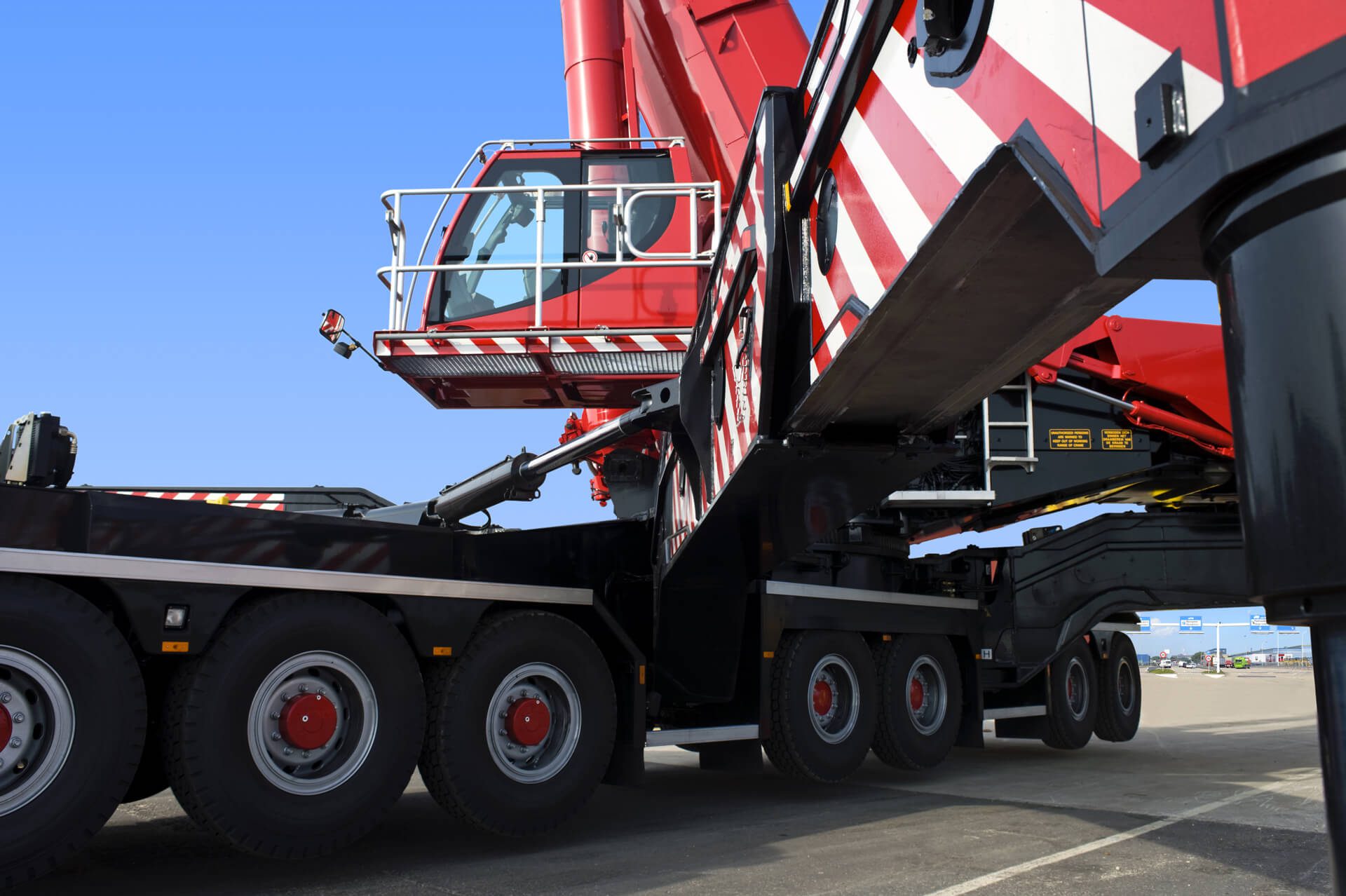
To understand how Australia is building today, it helps to look up. Above the scaffolding and steel frames, cranes move with quiet authority—lifting, pivoting, and lowering the physical components of a country in motion. They are so constant a presence that they risk fading into the background. But in reality, crane hire has become one of the most consequential, if understated, forces shaping modern construction and urban development.
What has changed is not just the scale of construction, but its nature. Australian cities are growing denser, infrastructure projects more complex, and timelines tighter. In response, the industry has shifted away from ownership toward flexibility, making mobile crane hire, tower crane hire, and luffing crane hire central to how projects are planned and executed. The crane is no longer just equipment; it is strategy.
Building Upward, Thinking Ahead
Australia’s urban growth has taken on a distinctly vertical character. In cities like Sydney and Melbourne, land is finite, demand is relentless, and the only direction left is up. This has elevated the role of tower cranes, which now dominate skylines as fixtures of long-term development.
Yet the influence of crane hire extends beyond major metropolitan centers. In regions such as the Southern Highlands, a quieter but significant transformation is underway. The phrase “tower crane hire southern highlands” might sound like a niche service, but it reflects a broader shift: regional areas are no longer peripheral to growth. They are becoming extensions of urban systems, absorbing population pressures and accommodating new forms of development.
In these settings, tower cranes serve a dual purpose. They enable vertical construction where it might once have been impractical, and they bring metropolitan building practices into regional contexts. Their presence signals a change not just in scale, but in expectation—projects are becoming more ambitious, more coordinated, and more tightly managed.
The Right Crane for the Right Moment
What makes crane hire particularly influential is the diversity of tools it offers. Each type of crane embodies a different response to the challenges of modern construction.
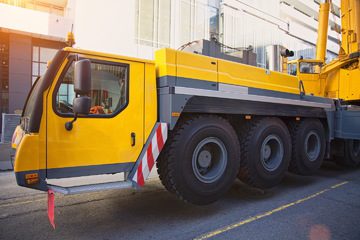
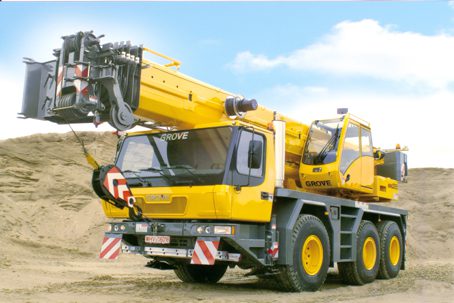
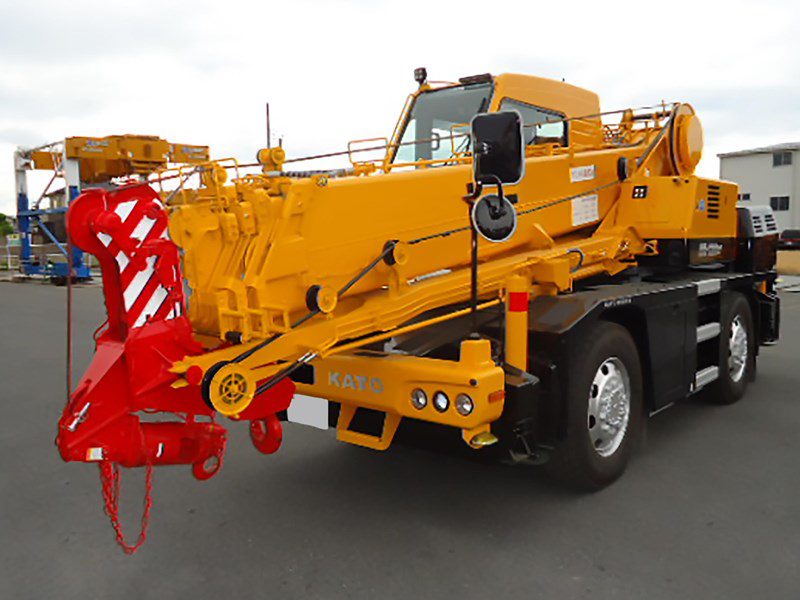
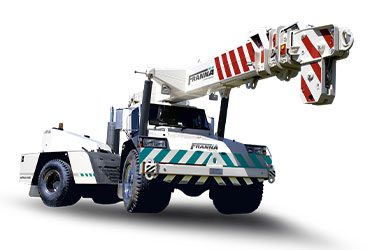
Mobile cranes remain the workhorses of the industry. With their ability to move quickly between sites and adapt to a range of tasks, mobile crane hire is indispensable for infrastructure projects. Whether it is road expansion, bridge assembly, or utility installation, these cranes provide the flexibility that large, dispersed projects demand. Their value lies not in height, but in reach and responsiveness.
Tower cranes, by contrast, are defined by permanence. Once installed, they become integral to the structure they help create. Tower crane hire is most closely associated with high-rise developments, where stability and lifting capacity over extended periods are essential. These cranes orchestrate the vertical flow of materials, ensuring that construction progresses in a steady, controlled rhythm.
Then there are luffing cranes, whose importance has grown alongside urban density. In tightly packed city environments, where buildings crowd together and airspace is limited, traditional tower cranes can become liabilities. Luffing crane hire offers a solution. By allowing the jib to move up and down rather than sweeping wide arcs, these cranes operate within confined spaces, reducing the risk of interference with neighboring structures.
Each of these crane types reflects a different set of priorities—mobility, stability, precision—and together they form a system that allows construction to adapt to almost any environment.
Density and the Discipline It Demands
As cities become denser, construction becomes less forgiving. There is less room for error, less space for equipment, and greater scrutiny from regulators and the public. Crane hire has had to evolve accordingly, becoming more integrated into the early stages of project planning.
Today, the selection and positioning of a crane can influence the entire design of a project. Engineers and planners work backward from the capabilities of the crane, determining how materials will be delivered, where they will be stored, and how they will be lifted into place. In dense urban environments, this level of coordination is not optional; it is essential.
The Southern Highlands provides an interesting contrast. While space constraints are less severe than in major cities, the region presents its own challenges—varying terrain, evolving infrastructure, and the need to balance development with community expectations. Here, tower crane hire operates in a more nuanced way, bridging the gap between urban efficiency and regional adaptability.
Safety as a Constant Conversation
If cranes are becoming more central to construction, they are also subject to increasing scrutiny. Australia’s safety standards are among the most rigorous globally, and for good reason. The scale and complexity of modern crane operations leave little margin for error.
Regulatory frameworks have evolved to reflect this reality. Operator certification, equipment maintenance, and site-specific risk assessments are now deeply embedded in the process. But safety is not just about compliance; it is about culture. The industry has moved toward a more proactive approach, where potential risks are identified and mitigated before they become problems.
Crane hire companies play a critical role in this ecosystem. Their responsibilities extend beyond providing equipment to ensuring that it is used safely and effectively. This includes everything from operator training to ongoing technical support, reflecting a broader shift toward integrated services.
Technology’s Subtle Transformation
Technological advancement is reshaping crane operations in ways that are both visible and understated. Digital monitoring systems now provide real-time data on load weights, wind conditions, and mechanical performance. This information allows operators to make more informed decisions, improving both efficiency and safety.
Simulation tools have also become increasingly important. Before a crane is installed, its movements can be modeled in a virtual environment, allowing teams to anticipate challenges and optimize workflows. In dense urban settings, where luffing crane hire is often necessary, such tools are invaluable. They enable construction to proceed within constraints that would have been prohibitive in the past.
Automation, while still developing, is beginning to influence day-to-day operations. Semi-autonomous features assist with positioning and load control, reducing the physical and cognitive demands on operators. Rather than replacing human expertise, these technologies enhance it, creating a more resilient and responsive system.
Pressures Beyond the Site
The crane hire industry does not operate in isolation. It is shaped by broader economic and environmental forces, from supply chain disruptions to sustainability goals. The push toward greener construction has begun to influence equipment choices, with electric and hybrid cranes emerging as viable alternatives to traditional models.
Workforce challenges also loom large. As technology becomes more sophisticated, the demand for skilled operators and technicians continues to grow. Training programs must adapt, blending traditional mechanical knowledge with digital literacy.
These pressures are not unique to Australia, but they are particularly pronounced in a country balancing rapid growth with high regulatory standards. The result is an industry that must constantly evolve, finding new ways to deliver efficiency without compromising safety or sustainability.
More Than Machinery
It is tempting to think of cranes as mere tools—impressive, certainly, but ultimately interchangeable. Yet their role in modern construction suggests something more complex. They are enablers of ambition, translating architectural vision into physical reality.
The choice between mobile crane hire, tower crane hire, and luffing crane hire is not just a technical decision. It reflects a deeper understanding of how a project fits into its environment—how it responds to space, time, and constraint. In this sense, crane hire has become a form of problem-solving, a way of navigating the competing demands of modern development.
As Australia continues to grow, this quiet influence will only become more pronounced. The cranes that dot the skyline are not just building structures; they are shaping the conditions under which cities evolve. And in doing so, they remind us that progress is not only about what we build, but how we choose to build it.