To watch a city grow is to witness a sequence of decisions made visible. Steel rises, concrete settles, and glass reflects a skyline that didn’t exist a decade earlier. Yet before any of that becomes permanent, there is a quieter phase—one defined by motion rather than form. Cranes dominate this stage, hovering above construction sites as both tools and signals of intent. In Australia, their role has become more complex, more strategic, and more revealing of how cities are evolving.
Crane hire, once a straightforward operational choice, now sits at the centre of that transformation. The increasing reliance on mobile crane hire, tower crane hire, and luffing crane hire reflects not only the diversity of construction projects, but also the pressures shaping them. To understand modern urban development—particularly in rapidly expanding regions like western Sydney—it helps to consider how and why these machines are used.
Flexibility in a Shifting Construction Landscape
The Australian construction industry has always been defined by variation. Projects differ not just in size, but in geography, timeline, and purpose. A rail extension in a regional corridor bears little resemblance to a high-rise development in a suburban growth centre. This diversity has made flexibility a valuable commodity.
Crane hire provides that flexibility in a way ownership increasingly cannot. Rather than maintaining a permanent fleet of equipment, companies can select the right crane for each phase of a project, scaling their resources as needed. This approach reduces financial risk and allows for greater responsiveness when conditions change—a frequent occurrence in an industry influenced by weather, regulation, and shifting economic priorities.
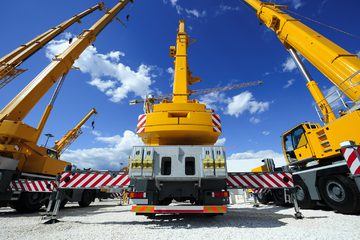
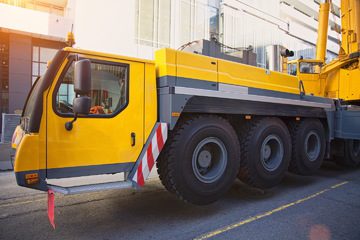
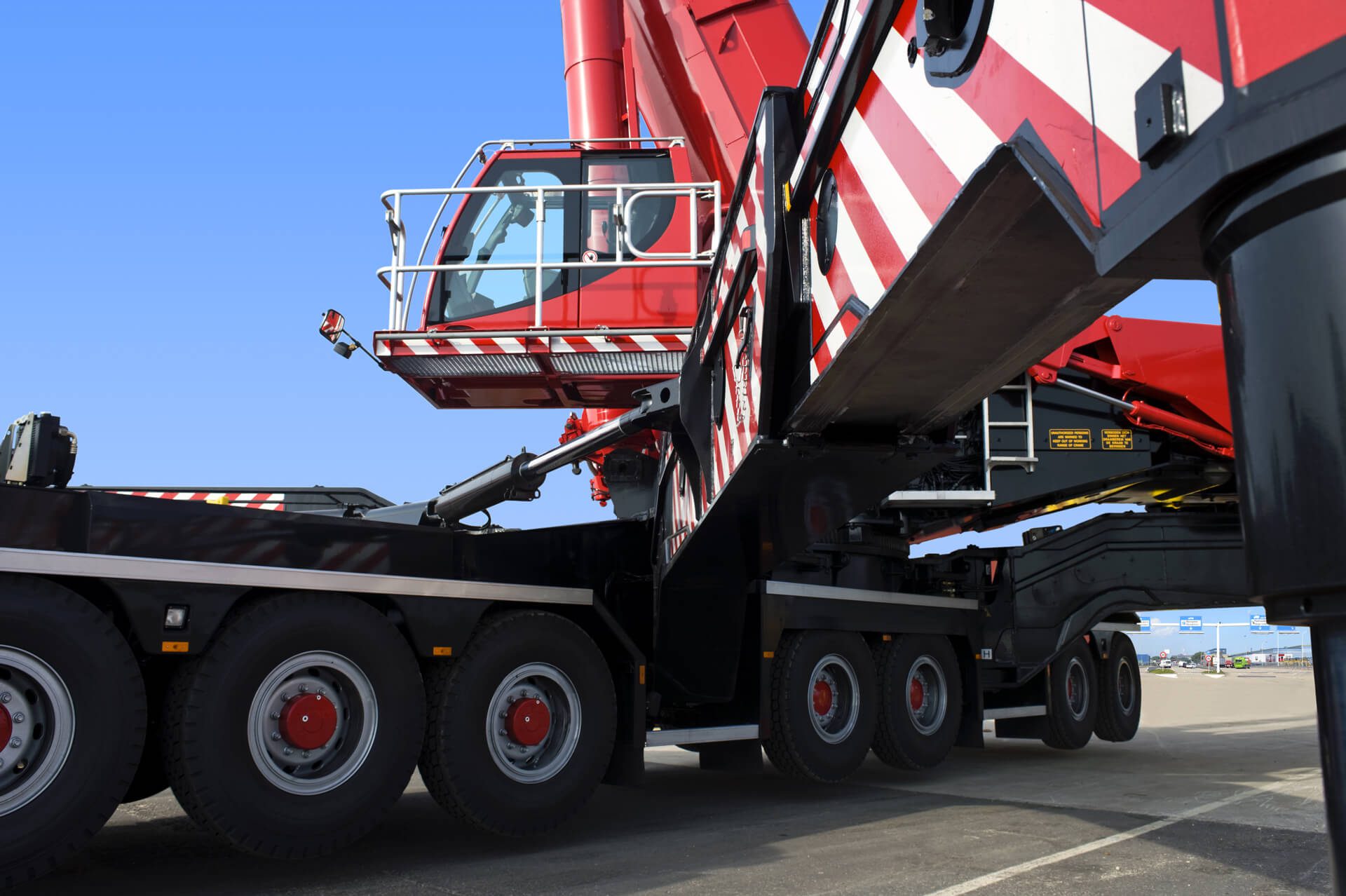
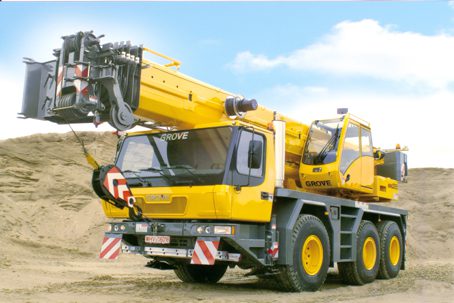
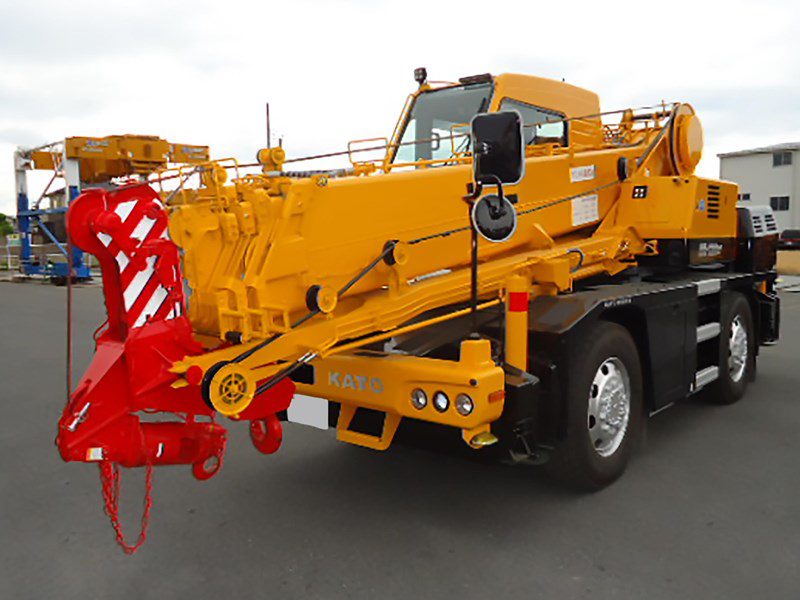
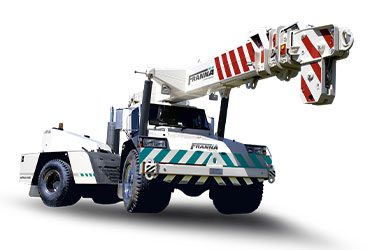
Mobile crane hire illustrates this adaptability most clearly. These cranes are designed to move, not to remain fixed in place. They arrive on site, perform specific lifting tasks, and then relocate as the project progresses. On infrastructure projects—road upgrades, bridge installations, utility works—their ability to operate across multiple locations makes them indispensable. In a country where distances are vast and projects often unfold in stages, mobility is not simply an advantage; it is a necessity.
Yet flexibility alone does not explain the growing prominence of cranes in urban environments. For that, one must look at the changing shape of Australian cities.
Western Sydney and the Vertical Turn
Western Sydney has emerged as one of the most dynamic regions in the country, driven by population growth, infrastructure investment, and a gradual shift toward higher-density living. What was once characterized by low-rise development is now experiencing a steady increase in vertical construction. Apartment complexes, commercial hubs, and mixed-use precincts are reshaping the built environment.
Within this context, the phrase “tower crane hire western sydney” becomes more than a technical description. It reflects a broader transformation in how space is used and valued. Tower cranes are central to this shift. Designed for height and endurance, they provide the lifting capacity required for multi-storey construction, operating continuously over extended periods.
Their presence signals a commitment to building upward, but it also reveals the complexity of doing so. In western Sydney, where development is often layered alongside existing infrastructure and communities, tower cranes must operate with precision. They are typically fixed in place, either anchored to the ground or integrated into the structure itself, supporting construction as it rises level by level.
What distinguishes tower cranes in these environments is not just their scale, but their coordination. Multiple projects may be underway simultaneously, each with its own crane or set of cranes. Managing this shared airspace requires careful planning, clear communication, and adherence to strict safety standards. The result is a kind of controlled choreography, where each movement is calculated and deliberate.
The Role of Luffing Cranes in Constrained Spaces
As development intensifies, space becomes increasingly constrained—not only on the ground, but also above it. In areas where buildings are closely spaced and construction sites are limited, traditional tower cranes can encounter practical limitations. This is where luffing crane hire has gained traction.
Luffing cranes differ in a subtle but important way. Their jib can be raised or lowered, allowing them to operate within a smaller radius. This reduces the risk of encroaching on neighbouring properties and makes them particularly well-suited to dense urban environments. In western Sydney, where new developments often sit alongside established structures, this capability is especially valuable.
The rise of luffing cranes reflects a broader shift in construction priorities. Efficiency is no longer measured solely by speed or scale, but by the ability to work within constraints. Projects must be completed without disrupting surrounding areas, and cranes must adapt accordingly. In this sense, luffing cranes are not just specialized equipment; they are a response to the increasingly intricate conditions of urban development.
Infrastructure and the Continuing Importance of Mobility
While vertical construction defines much of the urban landscape, Australia’s infrastructure ambitions extend far beyond city centres. Large-scale projects—transport networks, energy facilities, and public works—continue to shape the country’s economic future. These projects often span vast areas, requiring equipment that can move as the work progresses.
Mobile crane hire remains central in these contexts. Unlike tower or luffing cranes, which are typically fixed for the duration of a project, mobile cranes offer a different kind of efficiency. They can be deployed quickly, perform targeted lifting operations, and then relocate to the next stage of construction. This makes them particularly useful in projects where timelines are fluid and conditions can change rapidly.
The contrast between these crane types underscores the diversity of modern construction. Each serves a distinct purpose, shaped by the demands of the project and the environment in which it takes place. Together, they form a system that allows the industry to operate across a wide range of scenarios, from sprawling infrastructure developments to tightly confined urban sites.
Safety as a Central Consideration
As crane operations become more complex, the expectations surrounding safety have evolved. Australia’s regulatory framework has grown more robust, reflecting both the risks associated with heavy lifting and the increasing proximity of construction to populated areas. The emphasis has shifted toward prevention, with a focus on identifying and mitigating risks before they lead to incidents.
Crane hire companies are now required to adhere to stringent standards, covering everything from equipment maintenance to operator training. Detailed lift plans are developed for each operation, taking into account factors such as load weight, wind conditions, and site constraints. Real-time monitoring systems provide operators with continuous feedback, allowing them to make informed decisions in dynamic environments.
This evolution in safety practices is not merely procedural. It reflects a broader cultural shift within the industry, where risk management is integrated into every stage of construction. As cities become denser and projects more complex, this approach becomes increasingly important.
Technology and the Changing Nature of Work
Technological advancements are quietly reshaping crane operations in ways that extend beyond safety. Digital tools now allow project teams to simulate crane movements before construction begins, identifying potential challenges and optimizing placement. Building Information Modelling has made it possible to incorporate crane logistics into the design process, ensuring that lifting operations are considered from the outset.
At the same time, sensors and data systems are providing new insights into equipment performance. Predictive maintenance is reducing downtime, while telematics systems enable more efficient management of crane fleets. These developments are changing how projects are planned and executed, making them more precise and, in many cases, more efficient.
For operators, this shift introduces new demands. The role now requires not only technical skill, but also an ability to work with digital systems and interpret data. The human element remains essential, but it is evolving alongside the technology.
Pressures and the Path Ahead
The crane hire sector operates within a broader set of pressures. Demand is closely tied to the pace of construction, which can fluctuate with economic conditions and government investment. Labour shortages present ongoing challenges, as skilled operators are in high demand. Environmental considerations are also beginning to influence decision-making, prompting discussions about energy use and emissions.
Yet these pressures also drive innovation. The need to operate more efficiently, more safely, and more sustainably is pushing the industry to adapt. Crane hire, in this context, becomes not just a service, but a site of ongoing change.
More Than Machinery
Cranes are often seen as symbols of development, but their significance extends beyond the structures they help to build. They represent a set of decisions about how cities grow—how space is used, how risks are managed, and how technology is integrated into everyday work.
In western Sydney, the prominence of tower crane hire reflects a broader shift toward density and verticality. Across infrastructure projects, mobile crane hire underscores the importance of adaptability. And in the most constrained environments, luffing crane hire demonstrates how innovation can expand the boundaries of what is possible.
The skyline, in the end, is only the visible outcome. The cranes that shape it are part of a deeper story—one of adaptation, coordination, and quiet transformation.