Stand beneath a construction site in contemporary Australia and you begin to understand that cities are no longer built only on the ground. They are assembled in layers, lifted into place piece by piece, often hundreds of metres above where people move through their daily lives. The cranes that hover overhead—so familiar they fade into the background—are not simply tools of construction. They are instruments of a deeper transformation, one that reflects how Australian cities are adapting to growth, constraint, and ambition.
Over the past decade, crane hire has taken on a more central, more strategic role in this process. The rise of mobile crane hire, tower crane hire, and luffing crane hire signals a shift not just in equipment, but in thinking. These machines are no longer interchangeable solutions; they are carefully selected responses to specific challenges, shaped by geography, density, and the evolving logic of urban development.
A New Logic of Flexibility
Construction, like many industries, has been quietly rethinking its relationship with ownership. Where companies once invested heavily in permanent fleets of machinery, the trend has moved toward hiring—toward accessing what is needed, when it is needed, and only for as long as it is needed. In a country as varied as Australia, this shift makes practical sense.
Projects differ dramatically from one region to another. A transport corridor in a regional area unfolds across kilometres of open land, while a residential tower in a suburban growth centre must navigate limited space and tight timelines. Crane hire allows companies to respond to these differences without carrying the burden of underused equipment.
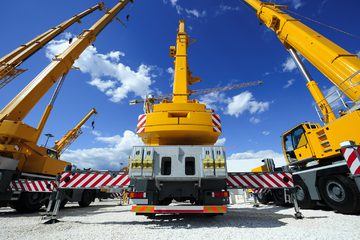
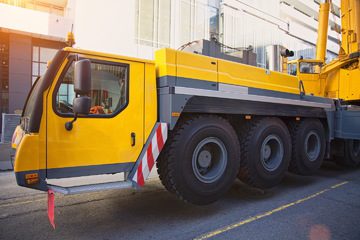
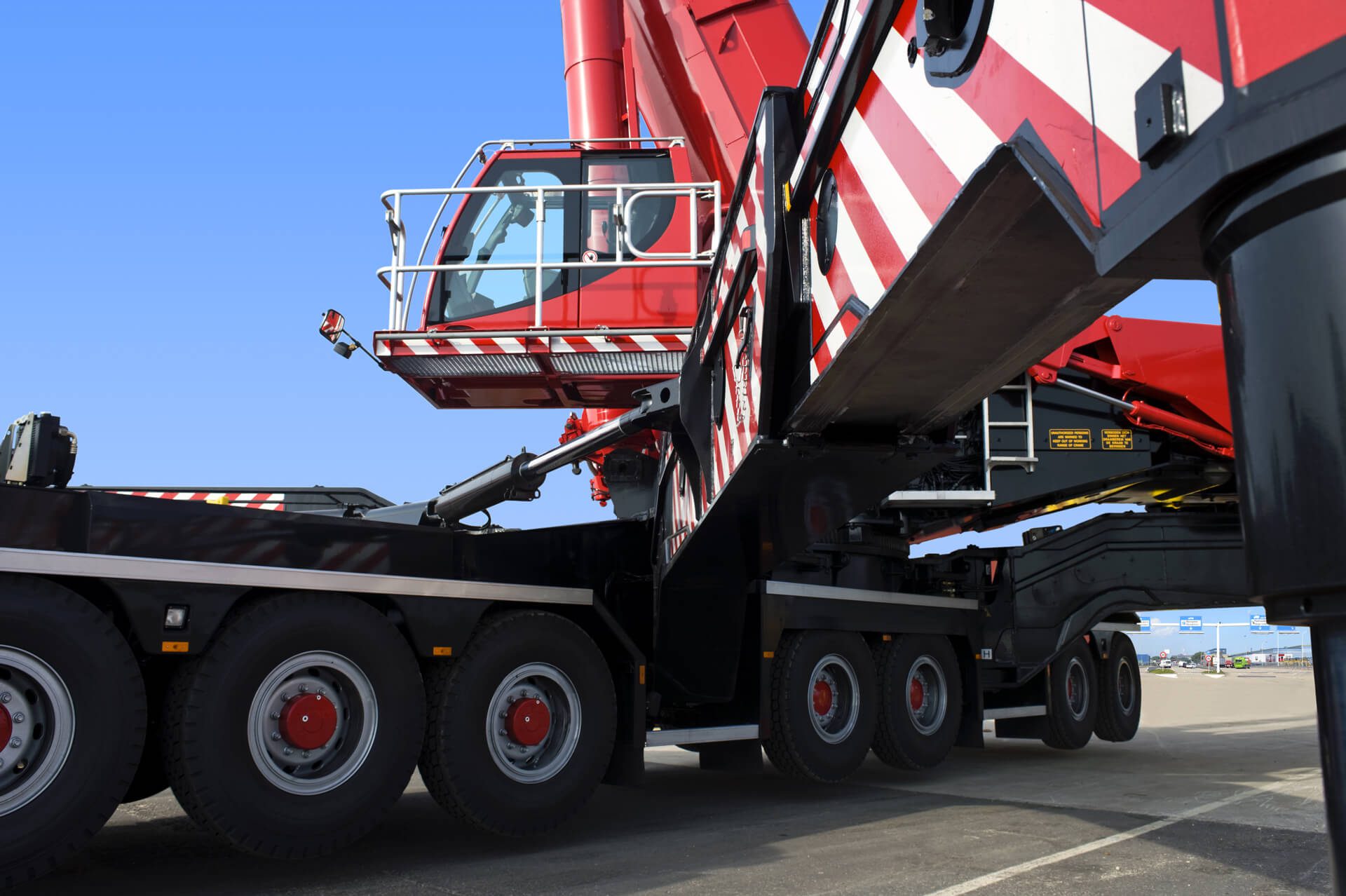
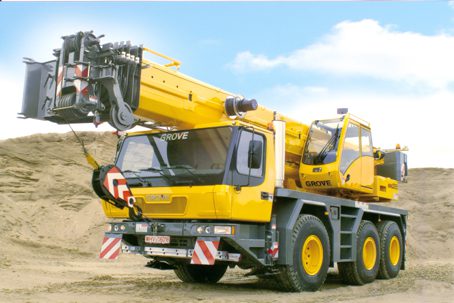
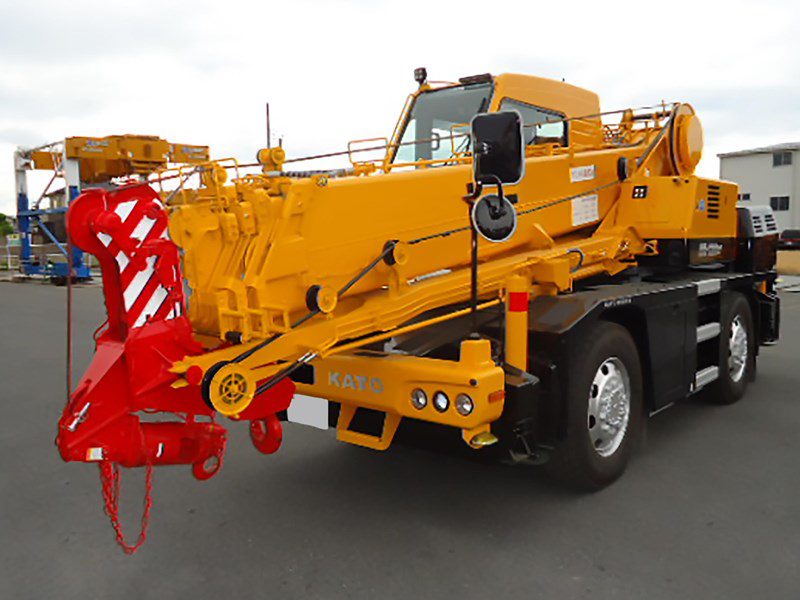
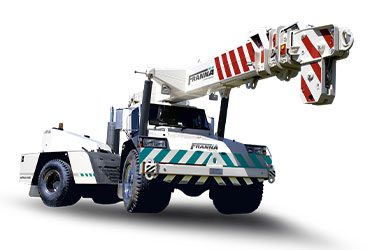
Mobile crane hire embodies this flexibility. These cranes are designed to travel, to adapt, to respond. On large infrastructure projects—road expansions, rail upgrades, energy installations—they provide the capacity to lift heavy components precisely where they are required, then move on as the work progresses. In a landscape defined by distance and variation, mobility becomes a form of efficiency.
But flexibility alone does not explain the changing skyline. For that, one must look at the pressures reshaping Australia’s cities.
Western Sydney and the Vertical Imperative
Western Sydney has become one of the country’s most dynamic development zones, driven by population growth, economic expansion, and significant infrastructure investment. What was once characterised by low-rise sprawl is gradually giving way to more compact, vertically oriented development. Apartment buildings, commercial centres, and mixed-use precincts are redefining the region’s identity.
In this context, the phrase “tower crane hire western sydney” carries a broader significance. It points to a shift in how space is used and how cities respond to the demands placed upon them. Tower cranes are essential to this transition. Designed for height and endurance, they enable construction to extend upward, lifting materials to levels that would otherwise be impractical.
Yet their importance goes beyond their physical capabilities. Tower cranes introduce a new kind of permanence to construction sites. Once installed, they remain in place for months, sometimes years, supporting each phase of the build. They become part of the structure’s life cycle, as integral as the foundations below.
In western Sydney, where multiple developments often occur simultaneously, tower cranes must also operate within shared airspace. This requires careful coordination, not only between contractors but within a broader regulatory framework that governs how these machines move and interact. The result is a carefully managed environment, where precision and planning are as important as raw lifting power.
Working Within Constraints: The Role of Luffing Cranes
As urban environments become denser, the challenges of construction shift. Space is no longer just a question of land, but of air. Buildings rise closer together, and the margins within which cranes can operate become narrower. In these conditions, traditional tower cranes can encounter limitations.
Luffing crane hire has emerged as a response to this reality. Unlike standard tower cranes, luffing cranes can adjust the angle of their jib, allowing them to operate within a reduced radius. This makes them particularly suited to tight urban sites, where avoiding overlap with neighbouring properties is essential.
The advantage may seem technical, but its implications are broader. In dense areas of western Sydney, where development must coexist with existing infrastructure and communities, the ability to control a crane’s footprint in the sky becomes a critical factor. Luffing cranes enable projects to proceed without overstepping physical or regulatory boundaries, offering a level of precision that aligns with the increasing complexity of urban construction.
Their growing use reflects a shift in priorities. It is no longer enough to build quickly or at scale; projects must also integrate seamlessly into their surroundings. In this sense, luffing cranes represent an adaptation to the evolving character of cities themselves.
Infrastructure at Scale and the Enduring Value of Mobility
While vertical construction defines much of urban development, Australia’s broader infrastructure ambitions continue to rely on mobility. Large-scale projects—whether in transport, energy, or public works—often extend across vast areas, far removed from the constraints of city centres.
Here, mobile crane hire remains indispensable. These cranes bring a different kind of efficiency, one rooted in adaptability. They can be deployed quickly, perform targeted lifting operations, and then relocate as the project evolves. This makes them particularly effective in environments where work is not confined to a single site but progresses in stages across a landscape.
The contrast between mobile, tower, and luffing cranes highlights the diversity of modern construction. Each type serves a distinct purpose, shaped by the conditions in which it operates. Together, they form a system that allows the industry to respond to a wide range of challenges, from expansive infrastructure projects to tightly constrained urban developments.
Safety as an Embedded Practice
As crane operations become more complex, the expectations surrounding safety have evolved. Australia’s regulatory framework has grown increasingly rigorous, reflecting both the inherent risks of heavy lifting and the proximity of construction to populated areas. What has changed most is the approach: safety is now embedded within the process, rather than treated as an external requirement.
Detailed lift planning has become standard practice, with operators and engineers working through scenarios before any equipment is deployed. Real-time monitoring systems track variables such as load weight, wind conditions, and crane movement, providing continuous feedback during operations. These systems do not eliminate risk, but they do transform how it is managed.
For crane hire providers, this shift has implications beyond compliance. It requires ongoing investment in training, maintenance, and operational discipline. The expectation is not simply to meet standards, but to anticipate challenges and respond to them proactively.
Technology and the Quiet Transformation of Work
Technology is reshaping crane operations in ways that are both visible and subtle. Digital modelling tools now allow project teams to simulate crane movements before construction begins, identifying potential conflicts and refining site layouts. Building Information Modelling has brought crane logistics into the early stages of design, ensuring that lifting operations are considered from the outset.
At the same time, advances in telematics and sensor technology are providing new insights into equipment performance. Predictive maintenance is becoming more common, reducing downtime and improving efficiency. These developments are changing not only how cranes are used, but how they are managed.
For operators, the role is evolving. It now involves not only physical skill but also an ability to engage with digital systems and interpret data. The human element remains central, but it is increasingly intertwined with technology.
Pressures and Possibilities
The crane hire industry operates within a broader set of pressures. Demand is closely tied to the construction cycle, which can fluctuate with economic conditions and government investment. Labour shortages present ongoing challenges, as skilled operators are in high demand. Environmental considerations are also beginning to influence decision-making, prompting discussions about energy use and emissions.
Yet these pressures also drive innovation. The need to operate more efficiently, more safely, and more sustainably is pushing the industry to adapt. Crane hire, in this context, becomes not just a service, but a site of ongoing change.
Looking Up to Understand What’s Next
Cranes are often described as symbols of growth, but their significance extends beyond what they represent. They reveal how growth is managed—how cities respond to constraints, how industries adapt to shifting demands, and how technology reshapes long-standing practices.
In western Sydney, the prominence of tower crane hire reflects a broader move toward density and verticality. Across infrastructure projects, mobile crane hire underscores the importance of adaptability. And in the most constrained environments, luffing crane hire demonstrates how precision can unlock new possibilities.
The skyline, in the end, is only the visible outcome. The cranes that shape it are part of a deeper narrative—one that speaks to the evolving logic of urban Australia, and to the quiet, continuous work of building the future.