Spend enough time watching a construction site and a curious realization emerges: buildings are not simply constructed—they are orchestrated. Materials arrive, movements are timed, and above it all, cranes operate with a kind of measured precision that often goes unnoticed. In Australia, where cities are expanding and redefining themselves at speed, these machines have become more than background fixtures. They are essential instruments in the making of modern urban life.
Crane hire, in particular, has taken on a new level of importance. The growing reliance on mobile crane hire, tower crane hire, and luffing crane hire reflects not only the diversity of construction projects but also the evolving pressures that shape them. These cranes do not just lift materials; they enable the very possibility of building in environments that are becoming denser, more constrained, and more complex.
A Shift in How Construction Thinks About Equipment
There was a time when large construction firms maintained their own fleets of cranes, treating them as long-term assets. That model has gradually given way to a more flexible approach. Hiring cranes allows companies to adapt quickly to the specific demands of each project, avoiding the financial and logistical constraints of ownership.
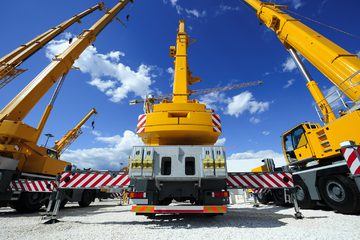
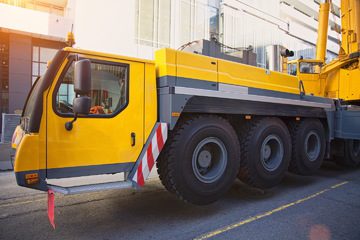
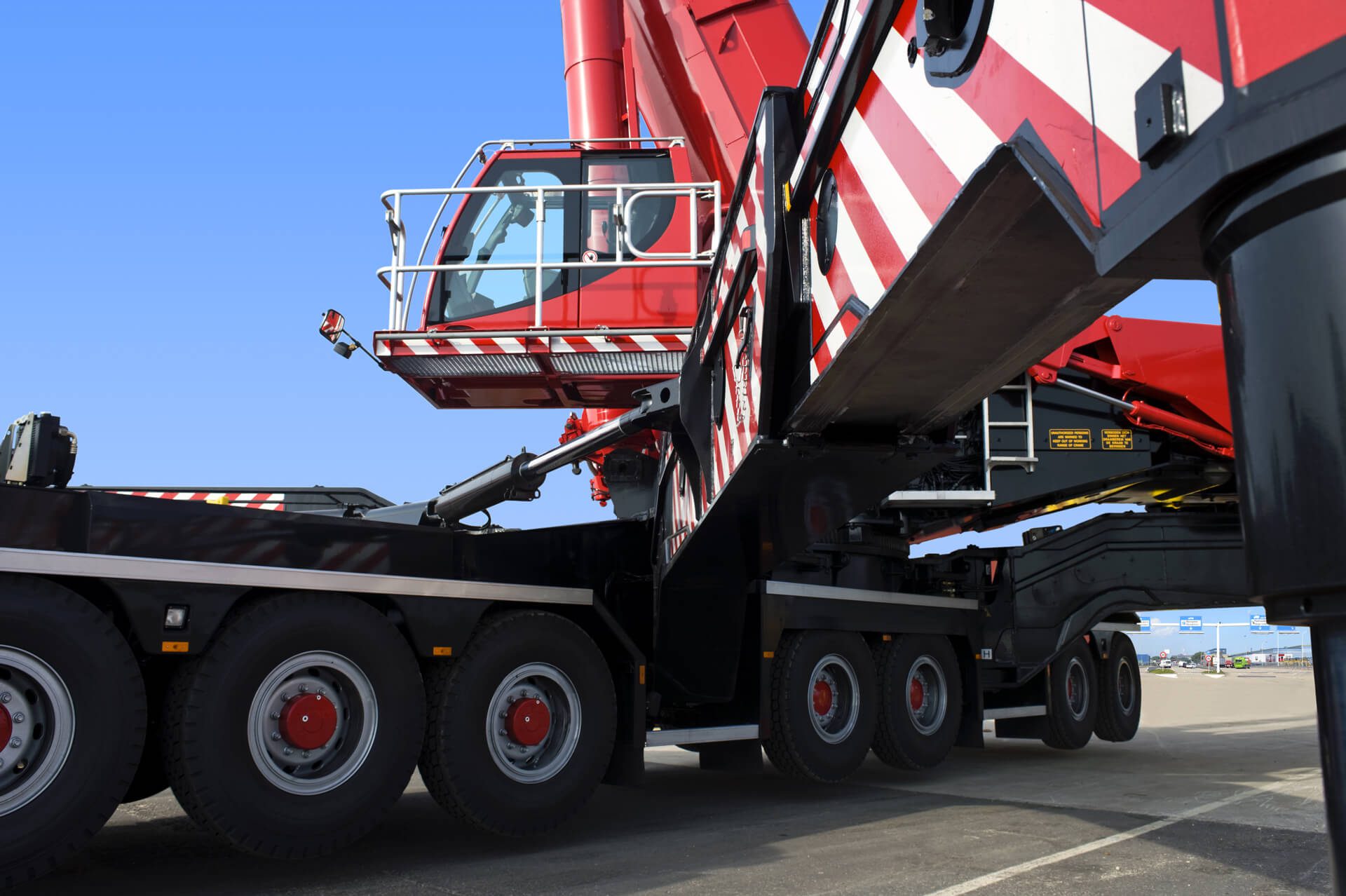
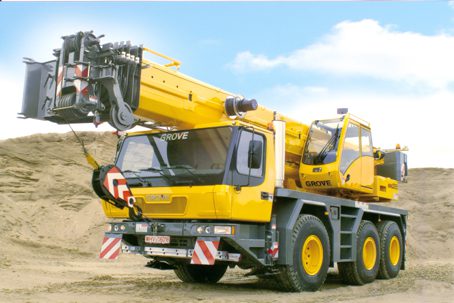
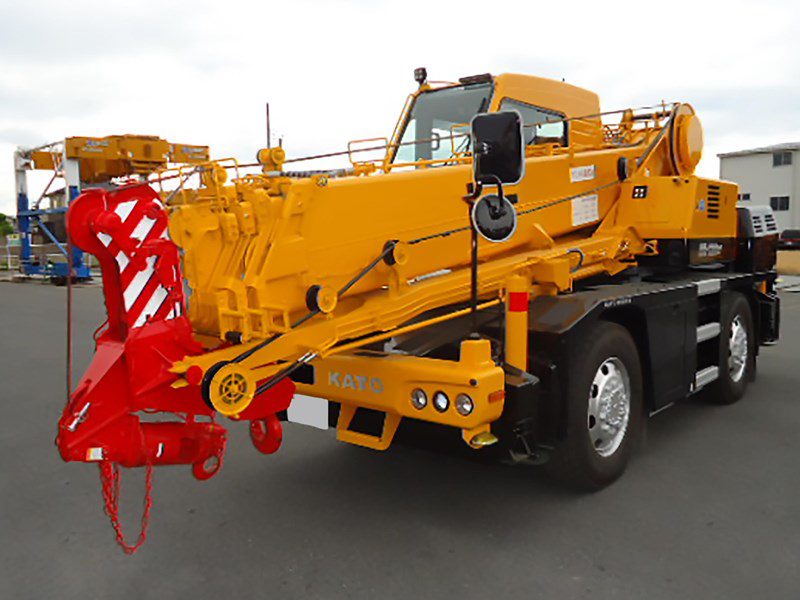
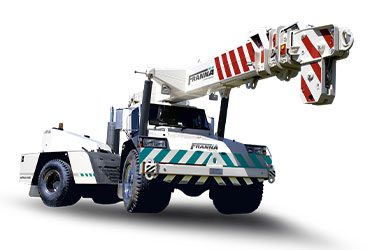
In Australia, this flexibility is particularly valuable. The construction landscape ranges from expansive infrastructure projects in regional areas to tightly packed developments in major cities. Mobile crane hire plays a crucial role in bridging these extremes. Mounted on trucks or all-terrain vehicles, these cranes can travel between sites, lifting heavy components where needed and then moving on as projects evolve.
This mobility is not merely convenient; it aligns with the nature of large-scale infrastructure work. Whether assembling bridge sections or supporting rail construction, mobile cranes provide a level of responsiveness that fixed equipment cannot match. In a country where distance and variation are defining characteristics, that responsiveness becomes indispensable.
Yet as important as mobility is, it tells only part of the story. The more profound shift is happening in the vertical dimension.
Western Sydney and the Rise of Vertical Construction
Western Sydney has become a focal point for Australia’s urban growth. Driven by population increases, economic development, and significant infrastructure investment, the region is undergoing a transformation that is both rapid and far-reaching. Low-rise suburbs are giving way to higher-density developments, and with that shift comes a new set of construction challenges.
The increasing demand for tower crane hire western sydney is a direct reflection of this change. Tower cranes are designed for height, capable of lifting heavy materials to levels that would otherwise be impractical. They remain on-site for extended periods, becoming integral to the construction process as buildings rise floor by floor.
What makes these cranes particularly important in western Sydney is not just their capacity, but their role in enabling density. As land becomes more valuable and space more limited, building upward is often the only viable option. Tower cranes make this possible, providing the reach and stability required for high-rise construction.
At the same time, their presence introduces new complexities. In areas where multiple developments occur simultaneously, cranes must operate within shared airspace. This requires careful coordination, detailed planning, and adherence to strict safety standards. The result is a kind of aerial choreography, where each movement is calculated to avoid conflict and ensure efficiency.
Precision in Constrained Environments
As urban development intensifies, construction sites are becoming increasingly constrained. Buildings stand closer together, and the margin for error narrows. In these conditions, traditional tower cranes can face limitations, particularly when it comes to operating within tight spaces.
This is where luffing crane hire has gained prominence. Unlike standard tower cranes, luffing cranes can adjust the angle of their jib, allowing them to operate within a reduced radius. This makes them particularly suited to dense urban environments, where avoiding interference with neighbouring properties is essential.
The growing use of luffing cranes in western Sydney reflects a broader trend. Construction is no longer just about scale; it is about precision. Projects must be executed in a way that respects the surrounding environment, both physically and socially. Luffing cranes provide a solution that aligns with these requirements, enabling construction to proceed without overextending into adjacent spaces.
Their role highlights an important shift in how cities are built. It is not enough to have the capability to construct large structures; there must also be a capacity to do so within increasingly complex constraints.
Infrastructure and the Enduring Role of Mobility
While urban density drives the use of tower and luffing cranes, Australia’s broader infrastructure agenda continues to depend heavily on mobility. Large-scale projects—transport networks, energy installations, and public works—often span vast areas, requiring equipment that can move as the work progresses.
Mobile crane hire remains central in these contexts. These cranes provide the flexibility needed to respond to changing conditions, whether that involves relocating to a new section of a project or adapting to unexpected challenges. Their ability to operate across multiple sites makes them a cornerstone of infrastructure development.
The contrast between mobile, tower, and luffing cranes illustrates the diversity of modern construction. Each type serves a distinct purpose, shaped by the demands of the project and the environment in which it takes place. Together, they form a system that allows the industry to navigate a wide range of scenarios.
Safety and Regulation in a Complex Environment
As crane operations become more sophisticated, safety expectations have evolved accordingly. Australia’s regulatory framework has grown more rigorous, reflecting both the risks associated with heavy lifting and the increasing proximity of construction to populated areas.
The focus has shifted toward proactive risk management. Detailed lift plans are now standard practice, with operators and engineers working through potential scenarios before any lifting takes place. Real-time monitoring systems provide continuous feedback, allowing adjustments to be made as conditions change.
This emphasis on safety is not merely regulatory; it is cultural. The industry has moved toward integrating safety into every aspect of construction, from planning to execution. For crane hire companies, this means maintaining high standards in equipment maintenance, operator training, and operational procedures.
Technology and the Changing Nature of Work
Technology is playing an increasingly important role in how cranes are used and managed. Digital tools allow project teams to simulate crane movements before construction begins, identifying potential conflicts and optimizing site layouts. Building Information Modelling has brought crane logistics into the design phase, ensuring that lifting operations are considered from the outset.
At the same time, advances in sensors and telematics are providing new insights into equipment performance. Predictive maintenance is reducing downtime, while data-driven decision-making is improving efficiency. These developments are changing not only how cranes operate, but how projects are managed as a whole.
For operators, this shift introduces new challenges and opportunities. The role now requires a combination of technical skill and digital literacy, reflecting the broader transformation of the construction industry.
Pressures and the Path Forward
The crane hire sector operates within a broader set of pressures. Demand is closely tied to the construction cycle, which can fluctuate with economic conditions and government investment. Labour shortages present ongoing challenges, as skilled operators are in high demand. Environmental considerations are also beginning to influence the industry, prompting discussions about energy use and emissions.
These pressures, however, also drive innovation. The need to operate more efficiently and sustainably is pushing the industry to adapt, exploring new technologies and approaches that align with changing expectations.
Looking Beyond the Machinery
Cranes are often seen as symbols of growth, but their significance extends beyond the structures they help to build. They represent a set of decisions about how cities evolve—how space is used, how risks are managed, and how technology is integrated into construction.
In western Sydney, the prominence of tower crane hire reflects a broader shift toward density and vertical development. Across infrastructure projects, mobile crane hire underscores the importance of adaptability. And in tightly constrained environments, luffing crane hire demonstrates how precision can unlock new possibilities.
The skyline, ultimately, is only the visible outcome. The cranes that shape it are part of a deeper narrative—one that speaks to the evolving nature of Australian cities and the quiet, continuous work of building their future.