There is a certain rhythm to a growing city, one that reveals itself not at street level but in the air above it. In Sydney and Melbourne, cranes have become so constant a presence that they risk fading into the visual background. Yet their persistence tells a story about more than construction. It reflects how Australian cities are changing—becoming denser, more complex, and increasingly dependent on systems that operate with quiet precision behind the scenes.
Crane hire sits at the centre of that story. What was once a straightforward logistical choice—whether to bring in a machine for lifting—has evolved into a strategic decision that shapes how projects are designed, sequenced, and delivered. The growing reliance on mobile crane hire, tower crane hire, and luffing crane hire offers a lens through which to understand not just how buildings go up, but why they take the forms they do.
The Logic of Building Up
Urban growth in Australia has entered a different phase. Expansion is no longer primarily horizontal. In inner-city areas, land scarcity and planning constraints have shifted attention upward, making vertical construction not just desirable but necessary. This shift has elevated the importance of tower crane hire in ways that are not always immediately visible.
Tower cranes are built for height, but their real value lies in efficiency. They can lift large quantities of material directly to where it is needed, reducing the time and labour involved in moving resources across a site. In dense urban environments, where space is limited and disruption must be carefully managed, this efficiency becomes essential.
What is less obvious is how early these cranes influence a project. Developers and engineers often plan construction sequences around the capabilities of a tower crane, determining where it will stand, how it will rotate, and how long it will remain. The crane becomes part of the project’s architecture in a conceptual sense, shaping not only how a building is constructed but how it is imagined.
In this way, tower crane hire fits into the broader picture of infrastructure growth and urban density. It allows cities to grow upward without requiring expansive ground-level footprints, supporting a model of development that prioritises proximity, accessibility, and efficient land use.
Mobility Across a Vast Landscape
While city centres rise vertically, much of Australia’s construction activity unfolds across a wide and varied landscape. Highways stretch across long distances, energy projects emerge in remote regions, and industrial developments take shape far from dense urban cores. In these contexts, flexibility matters more than height.
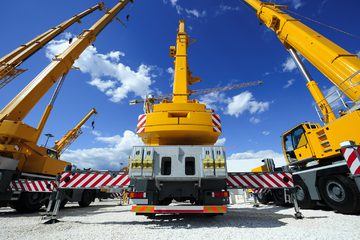
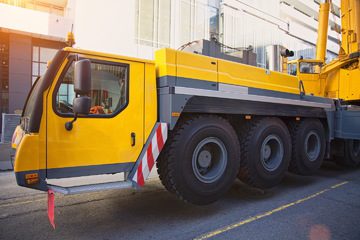
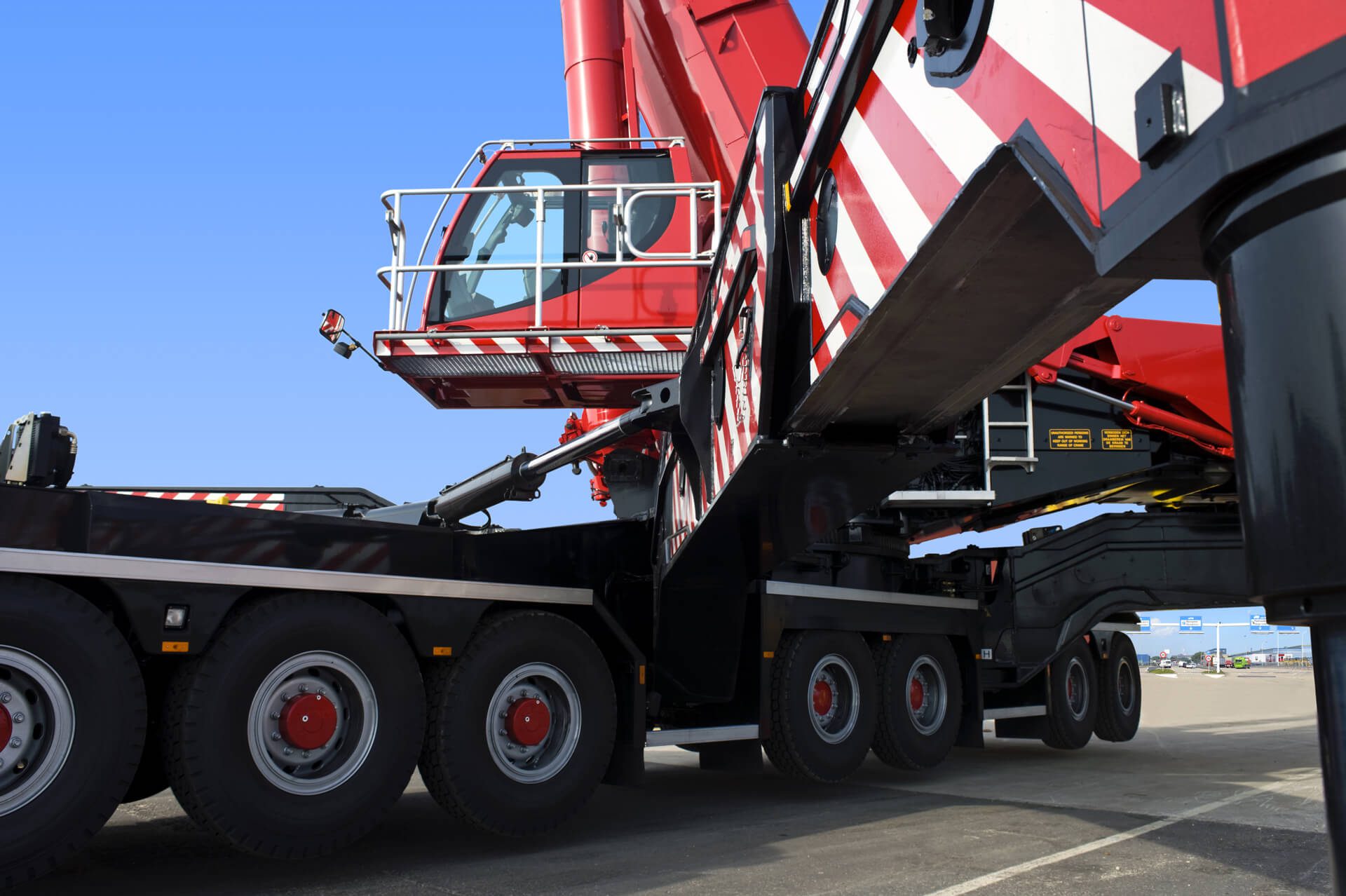
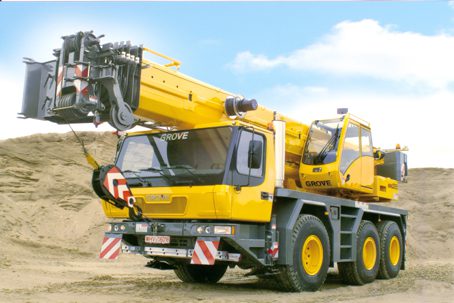
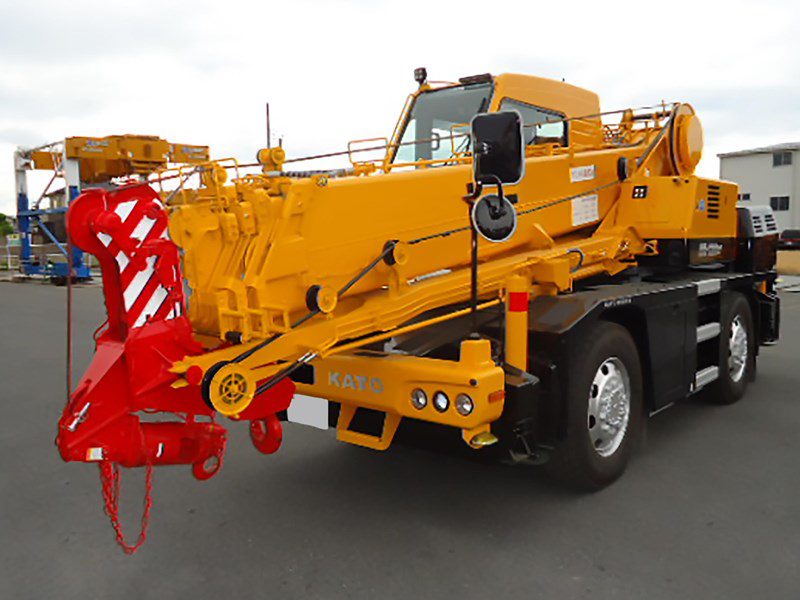
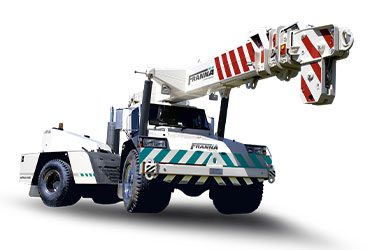
This is where mobile crane hire plays a defining role. Mobile cranes are designed to move—between sites, across terrains, and through different phases of a project. Their adaptability makes them indispensable in infrastructure projects, where conditions can change quickly and work often occurs over large areas.
Even within cities, mobile cranes provide continuity. They are frequently used at the beginning of a project, before permanent lifting systems are in place, and at the end, when those systems are dismantled. Their presence ensures that construction does not stall during transitional phases, allowing projects to maintain momentum.
The reliance on mobile crane hire also reflects broader economic realities. In an industry where timelines are tight and margins can be narrow, the ability to deploy equipment quickly and efficiently is critical. Mobility, in this sense, becomes a form of resilience.
Precision in Constrained Spaces
As Australian cities become denser, construction sites are increasingly constrained by their surroundings. Buildings are erected alongside existing structures, within narrow streets, and under strict planning controls. In these environments, the margin for error is small, and the need for precision is high.
Luffing crane hire has emerged as a response to these conditions. Unlike traditional tower cranes, which operate with a fixed horizontal reach, luffing cranes can adjust the angle of their jib, allowing them to work within tighter airspace. This capability makes them particularly suited to crowded urban areas, where avoiding interference with neighbouring buildings is essential.
The rise of luffing cranes is not just a technical development; it is a reflection of changing urban priorities. Construction is no longer taking place on open land but within established communities. Projects must coexist with their surroundings, minimising disruption while maximising efficiency. Luffing cranes enable this balance, allowing construction to proceed in spaces that might otherwise be considered too constrained.
Safety in an Era of Complexity
As crane operations have become more central to construction, the expectations surrounding safety have grown more sophisticated. Australia has long maintained rigorous standards, guided by organisations such as Safe Work Australia. But the increasing complexity of projects has required those standards to evolve.
Modern crane operations involve a combination of human expertise and technological support. Operators must navigate detailed lift plans, account for environmental factors such as wind and ground conditions, and coordinate with other elements of the construction process. At the same time, cranes themselves are equipped with sensors and monitoring systems that provide real-time data on performance and safety.
These technologies can detect overload conditions, monitor structural stress, and even prevent certain movements if they fall outside safe parameters. The result is a layered approach to safety, where human judgment is reinforced by automated systems.
Yet this evolution also brings new challenges. As systems become more complex, so too does the task of managing them. Training has expanded to include not only mechanical skills but also an understanding of digital tools and data interpretation. Safety is no longer a static set of rules but a dynamic process that adapts to the conditions of each project.
The Economics Behind the Machinery
Beneath the technical and regulatory aspects of crane use lies a fundamental shift in how construction companies approach investment. Owning cranes outright has always been capital-intensive, but in a market characterised by fluctuating demand and diverse project requirements, it can also be limiting.
Crane hire offers a different model—one based on access rather than ownership. Companies can select the specific equipment they need for a given project, whether it involves mobile crane hire for infrastructure work, tower crane hire for high-rise construction, or luffing crane hire for constrained urban sites. This flexibility allows them to adapt to changing conditions without committing to long-term investments.
However, this model also introduces new complexities. Coordinating the availability of cranes across multiple projects requires careful planning, and delays can have cascading effects. The timing of a crane’s arrival and departure must align precisely with construction schedules, making logistics a critical component of project management.
In this environment, crane hire providers have taken on a more integrated role. They are involved not only in supplying equipment but also in planning its use, advising on logistics, and helping to manage risk. Their expertise becomes part of the broader construction ecosystem.
Technology and the Future of Lifting
The influence of technology on crane operations extends beyond safety. Digital tools such as Building Information Modelling allow construction teams to simulate crane movements before work begins, identifying potential conflicts and refining plans. This capability reduces uncertainty and improves efficiency, particularly in complex projects.
Remote monitoring systems provide ongoing insights into how cranes are used, enabling more efficient deployment and maintenance. Data collected from these systems can inform future projects, creating a cycle of continuous improvement.
Automation is also beginning to enter the conversation, though its role remains limited. While certain functions can be automated, the variability of construction sites—particularly in dense urban environments—means that human oversight is still essential. For now, technology serves to enhance human capability rather than replace it.
Reading the Skyline Anew
Cranes are often seen as temporary fixtures, disappearing once a building is complete. But their impact extends far beyond their physical presence. The choices made about which cranes to use, and how to use them, shape the form and pace of urban development.
In Australia, the growing reliance on tower crane hire reflects a commitment to building upward in response to density pressures. The continued importance of mobile crane hire highlights the scale and diversity of infrastructure projects across the country. The rise of luffing crane hire underscores the challenges of constructing within tight urban environments.
Together, these trends reveal an industry in transition—one that is becoming more adaptive, more technologically integrated, and more attuned to the complexities of modern cities.
If you pause to watch a crane at work, its movements can seem almost deliberate, as though it is following a script written long before the first piece of steel was lifted into place. In many ways, it is. That script is shaped by economic pressures, regulatory frameworks, technological capabilities, and the evolving needs of Australia’s cities.
Crane hire, in this context, is not just about machinery. It is about enabling a particular vision of urban life—one that balances growth with constraint, ambition with practicality. And as that vision continues to unfold, the cranes above the skyline will remain both its instruments and its indicators.