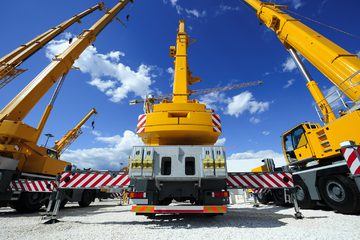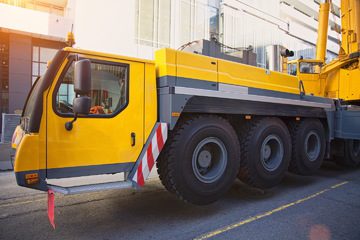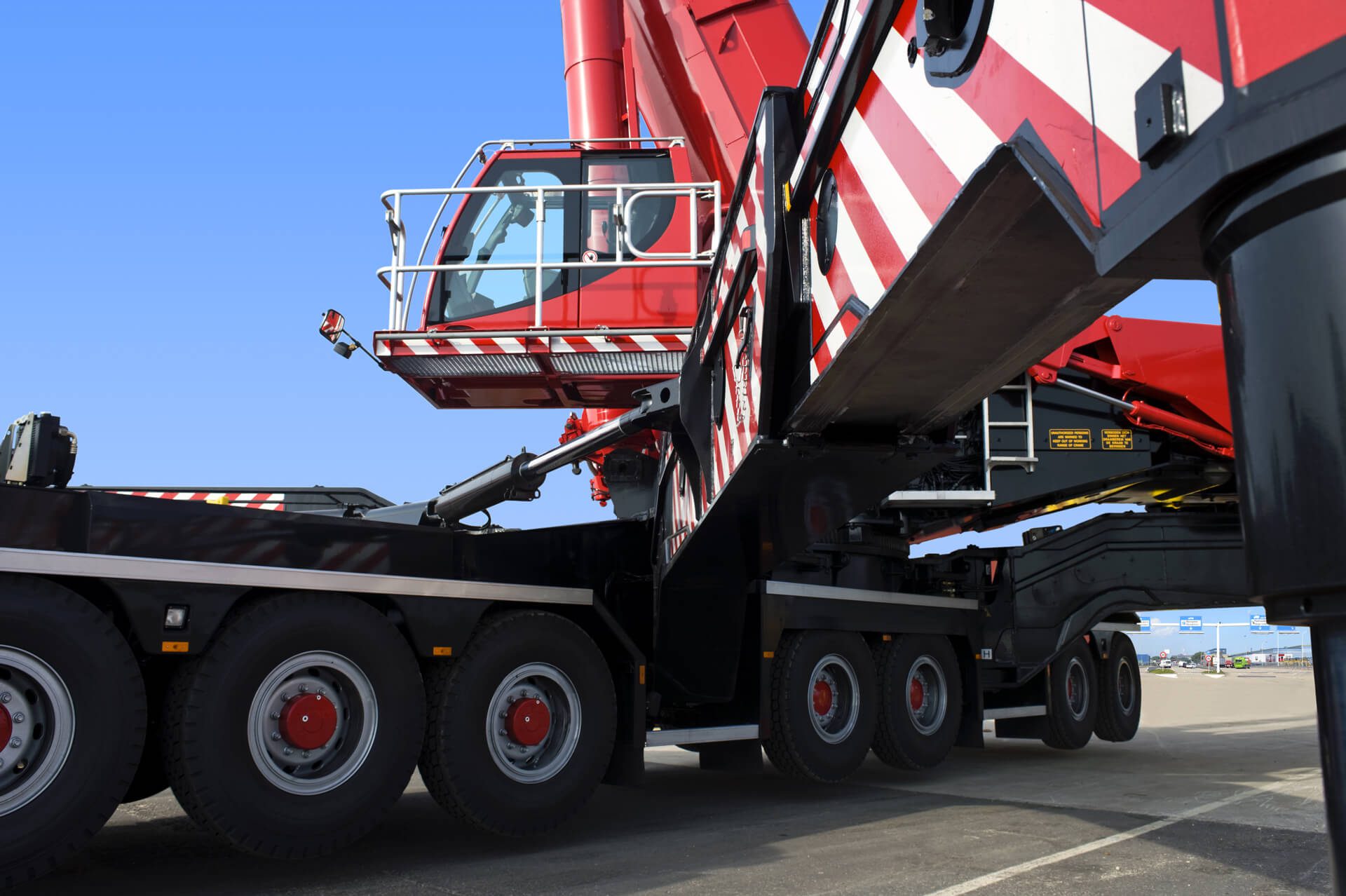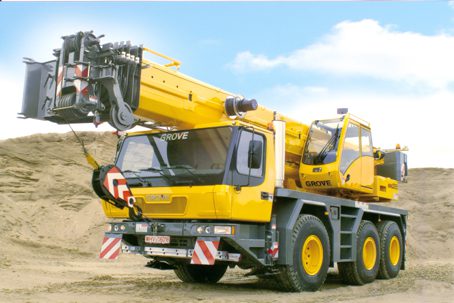
There is a particular rhythm to a construction site that only becomes visible if you linger long enough. Materials arrive, structures inch upward, and suspended high above it all, a crane pivots with quiet precision. In Australia’s rapidly evolving urban landscape, these machines are more than instruments of construction—they are indicators of how cities are adapting to pressure, constraint, and ambition.
Crane hire, once a straightforward operational decision, has become central to the way projects are conceived and delivered. Whether through mobile crane hire supporting dispersed regional growth, tower crane hire anchoring high-rise developments, or luffing crane hire navigating tight urban corridors, the choices made around lifting equipment now shape the very form of the built environment.
The Shift from Expansion to Intensification
Australia’s cities are undergoing a subtle but profound transformation. For decades, growth was largely horizontal—suburbs expanding outward, infrastructure stretching to meet them. Today, that pattern is shifting. Land scarcity, population growth, and policy pressures are driving a move toward denser, more vertical development.
Tower crane hire has become emblematic of this transition. These cranes, fixed and towering above construction sites, allow builders to operate efficiently at height. Their presence signals a commitment to vertical density, enabling the steady assembly of multi-storey residential and commercial structures that define modern skylines.
But density is not simply about building taller. It is also about building smarter within limited space. This is where the conversation around crane hire becomes more nuanced. The type of crane selected is increasingly dictated not just by what needs to be lifted, but by where and how the lifting must occur.
Mobility and the Expanding Edge
Beyond the metropolitan core, a different dynamic is at play. Regions such as the Southern Highlands in New South Wales illustrate how development is extending outward in more complex, less uniform ways. Here, the role of mobile crane hire becomes particularly significant.
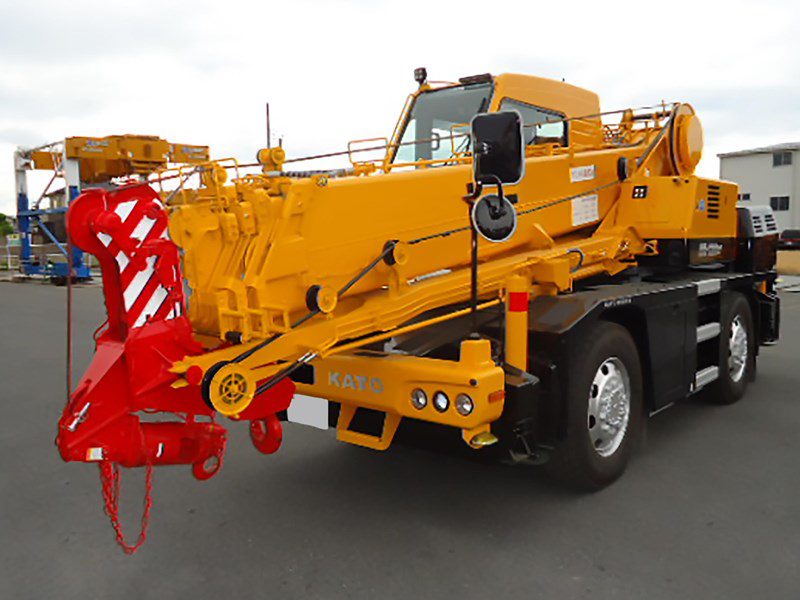
The phrase “mobile crane hire Southern Highlands” points to a model of construction that values adaptability. Projects in these areas are often spread across varied terrain and involve a mix of residential, commercial, and infrastructure work. Unlike fixed cranes, mobile cranes can be transported between sites with relative ease, allowing construction teams to respond to shifting demands without long-term installation commitments.
This flexibility is not merely convenient—it is essential in supporting regional growth. As infrastructure projects expand into less densely populated areas, the ability to deploy lifting equipment quickly and efficiently becomes a critical factor in maintaining momentum. In this sense, mobile crane hire acts as a connective tissue, linking dispersed developments into a broader narrative of national growth.
Building Within Constraints
If regional construction is defined by space and movement, urban construction is increasingly defined by constraint. In Australia’s major cities, available land is not only limited but tightly regulated. Buildings are often constructed in close proximity to existing structures, transport networks, and public spaces.
Luffing crane hire has emerged as a response to these conditions. Unlike traditional tower cranes with fixed horizontal arms, luffing cranes can raise and lower their jibs, allowing them to operate within restricted airspace. This capability is particularly valuable in dense urban environments, where oversailing adjacent properties may be prohibited or heavily controlled.
The growing reliance on luffing cranes reflects a broader shift in how cities are built. Construction is no longer an isolated activity; it must coexist with the surrounding urban fabric. Noise, safety, and spatial limitations all influence how projects are executed. In this environment, crane selection becomes a matter of negotiation—balancing engineering requirements with regulatory and community expectations.
Different Tools for Different Scales
The distinctions between mobile crane hire, tower crane hire, and luffing crane hire become most apparent when viewed across different types of projects. Large-scale infrastructure developments, such as highways or rail networks, often rely on mobile cranes for their versatility. These projects require equipment that can adapt to changing site conditions, handle heavy loads, and move as the work progresses.
High-rise developments, by contrast, depend heavily on tower cranes. Their ability to remain in place for extended periods and handle repetitive lifting tasks makes them well-suited to the structured demands of vertical construction. They become, in effect, part of the building process itself, rising alongside the structures they help create.
In tightly constrained urban sites, luffing cranes provide a middle ground. They offer the reach and capacity of tower cranes while maintaining the flexibility needed to operate within limited space. This adaptability is increasingly valuable as cities grow denser and construction sites become more complex.
Safety in a High-Stakes Environment
As the role of cranes has expanded, so too has the scrutiny surrounding their use. Australia maintains some of the most rigorous safety standards in the construction industry, and crane operations are subject to strict regulatory oversight. These frameworks have evolved in response to both technological advancements and past incidents, reflecting a continuous effort to mitigate risk.
Today, safety considerations extend far beyond the physical condition of the equipment. Operator training, site planning, and environmental factors all play a role in determining how cranes are used. Wind conditions, ground stability, and proximity to hazards such as power lines must be carefully assessed before operations begin.
Technology has become an important ally in this process. Modern cranes are equipped with sensors and monitoring systems that provide real-time data on load limits and environmental conditions. These tools enhance both safety and efficiency, allowing operators to make informed decisions in dynamic environments.
At the same time, digital planning tools are reshaping how projects are managed. Simulation technologies enable construction teams to model crane movements and identify potential conflicts before they occur. This level of foresight is particularly valuable in urban settings, where the margin for error is often minimal.
Innovation and Industry Pressure
The evolution of crane hire in Australia is also being shaped by broader industry pressures. Labor shortages, rising costs, and environmental concerns are all influencing how construction projects are approached. In response, the sector is embracing innovation at an accelerating pace.
Electrification is one area of focus, with manufacturers developing cranes that produce fewer emissions and operate more quietly. This is especially relevant in urban areas, where construction activity must coexist with residential and commercial life.
Automation and remote operation are also gaining traction, albeit gradually. While fully autonomous cranes remain on the horizon, incremental advances—such as assisted lifting systems and collision avoidance technologies—are already changing day-to-day operations. These developments not only improve safety but also enhance productivity, allowing projects to be completed more efficiently.
The Subtle Power of Choice
It is easy to think of cranes as interchangeable tools, but the reality is more complex. The choice between mobile crane hire, tower crane hire, and luffing crane hire carries implications that extend beyond the immediate needs of a project. These decisions influence timelines, costs, and even the feasibility of certain developments.
In high-density urban areas, the ability to use a luffing crane may determine whether a project can proceed at all. In regional settings, the availability of mobile crane hire can shape the pace of infrastructure delivery. In large-scale developments, the efficiency of tower cranes can affect both budget and schedule.
These choices, taken together, contribute to a broader pattern of urban development. They determine how quickly cities can grow, how efficiently resources are used, and how construction adapts to changing conditions.
A View from Below
From street level, cranes may appear as distant, almost abstract forms—silent silhouettes against the sky. Yet their influence is immediate and tangible. They enable the buildings we live and work in, the infrastructure we rely on, and the spaces that define our daily lives.
In Australia, where the balance between urban density and regional expansion continues to evolve, crane hire occupies a pivotal position. It is both a response to current demands and a driver of future possibilities. The machines themselves may be temporary fixtures, moving from site to site, but their impact is lasting.