If you pause long enough in any of Australia’s major urban corridors, you begin to notice a rhythm above the noise of traffic and construction. A crane pivots slowly against the sky. Another rises in the distance, anchored to a half-finished tower. These machines rarely draw attention on their own, yet they are among the most consequential instruments shaping the country’s built environment. The story of modern Australian construction is, in many ways, a story about crane hire—how it has evolved, diversified, and quietly adapted to the pressures of density, scale, and speed.
What has changed over the past decade is not simply the number of cranes, but the way they are used. The industry has shifted from a model of ownership to one of strategic access. Contractors increasingly rely on mobile crane hire, tower crane hire, and luffing crane hire services that can be tailored to the demands of individual projects. This flexibility has become essential in a construction landscape defined by overlapping timelines, constrained sites, and growing expectations around safety and efficiency.
A City That Moves While It Builds
Australia’s urban growth has become both more concentrated and more complex. In cities like Sydney and Melbourne, development is no longer confined to open parcels of land. It unfolds in tight corridors, alongside existing infrastructure, and often in full public view. Roads remain open, rail lines continue running, and nearby buildings stay occupied while construction progresses.
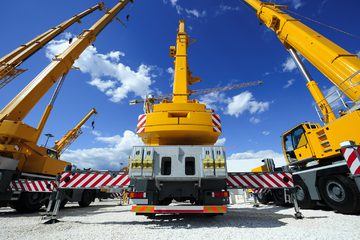
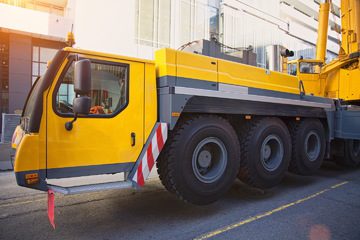
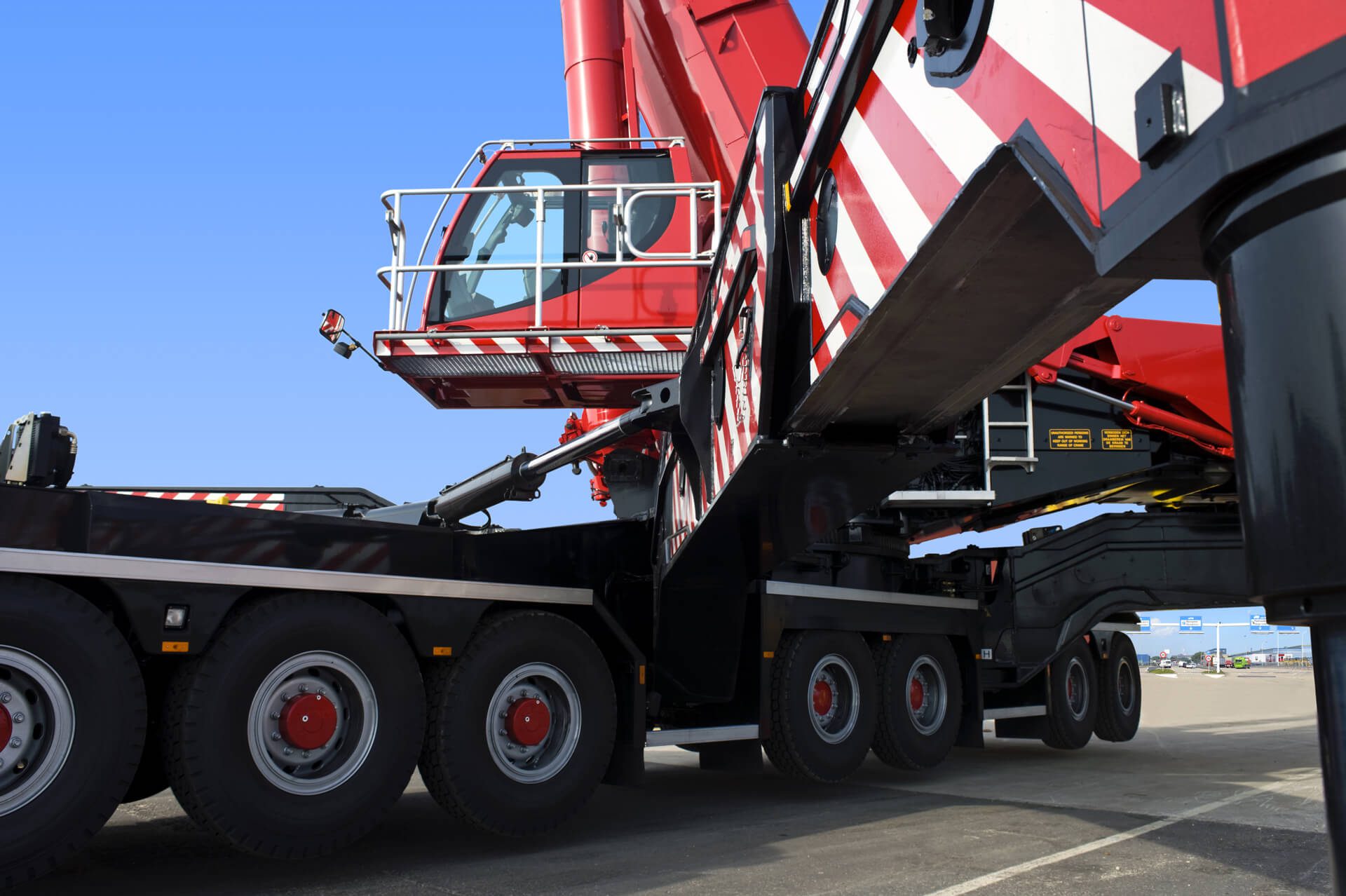
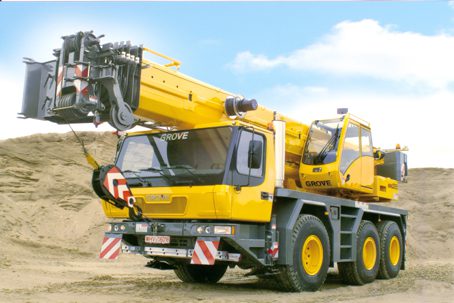
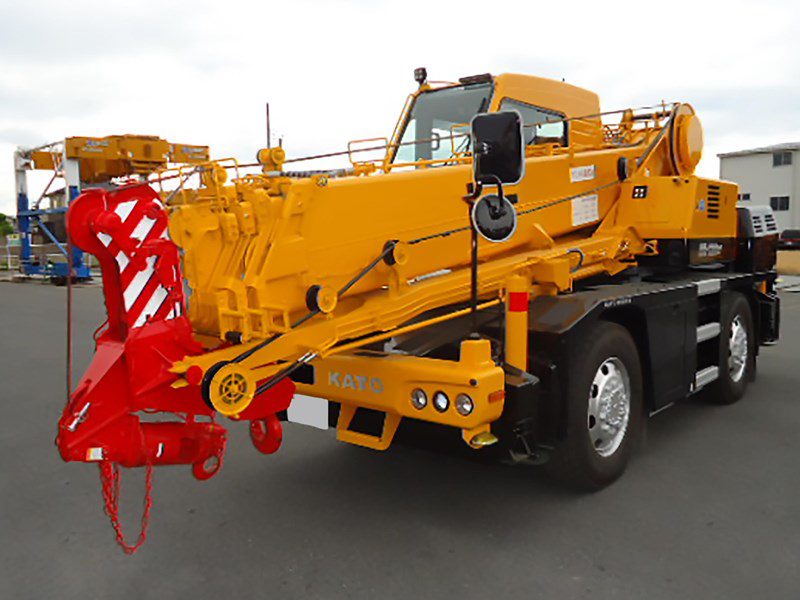
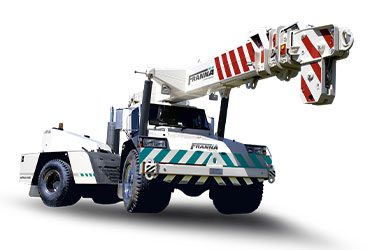
This layered environment has elevated the importance of mobility. Mobile crane hire, once seen primarily as a supplementary service, now plays a central role in enabling construction to keep pace with urban life. These cranes are designed to move—between sites, between tasks, and sometimes within the same project over the course of a day. They lift bridge components into place overnight, install utilities along active streets, and handle prefabricated elements that must be positioned with minimal disruption.
In Northern Sydney, this dynamic is particularly visible. The region’s mix of residential density, commercial expansion, and ongoing transport upgrades creates a constant demand for adaptable lifting solutions. mobile crane hire northern sydney has become a practical response to this environment, allowing construction teams to operate within tight schedules and limited space. It is less about scale than about timing and precision, ensuring that work can proceed without bringing surrounding systems to a halt.
Reaching Higher: The Logic of Tower Crane Hire
If mobility defines one aspect of modern construction, vertical ambition defines another. Australia’s major cities are building upward at a pace that reflects both economic pressure and changing patterns of land use. High-rise developments are no longer exceptional; they are a standard response to limited space and growing populations.
Tower crane hire sits at the heart of this vertical expansion. These cranes are not moved casually; they are installed with intention, becoming a fixed presence for the duration of a project. From their elevated vantage point, they orchestrate the movement of materials—steel, concrete, glass—across multiple levels simultaneously. Their ability to operate continuously, often in challenging weather conditions, makes them indispensable for large-scale developments.
Yet their significance extends beyond mechanics. Tower cranes represent a commitment to long-term construction strategies. Their installation requires careful planning, from foundation design to dismantling logistics. In dense urban areas, they must also coexist with surrounding structures, navigating airspace constraints and ensuring safe operation in close quarters. The result is a kind of engineered choreography, where each movement is calculated to support the broader rhythm of the build.
Working Within Limits: The Rise of Luffing Crane Hire
As cities become denser, the margin for error narrows. Construction sites are often bordered by existing buildings, leaving little room for traditional equipment to operate freely. In these conditions, adaptability is not just advantageous; it is necessary.
Luffing crane hire has emerged as a response to these spatial constraints. Unlike conventional tower cranes, which extend their jib horizontally, luffing cranes can adjust the angle of their arm, effectively reducing the space required for operation. This allows them to function in areas where overhead clearance is limited, such as inner-city developments surrounded by established structures.
Their growing presence reflects a broader shift toward precision. In tight environments, every movement must be controlled, every load carefully managed. Luffing cranes offer a level of flexibility that aligns with these demands, enabling construction to proceed in spaces that would otherwise be inaccessible. They are, in a sense, a product of the city itself—designed to operate within its limits while still enabling growth.
Safety as a Structural Principle
Behind the visible complexity of crane operations lies an equally complex framework of safety and regulation. Australia’s construction industry has developed rigorous standards governing the use of heavy equipment, and cranes are subject to some of the most stringent requirements. This is not incidental. The scale and potential risk associated with crane operations demand a level of oversight that extends from design and manufacturing to on-site use.
Over time, these standards have evolved in response to both technological change and industry experience. Certification processes for operators have become more comprehensive, emphasizing not only technical skill but situational awareness and risk management. Equipment is subject to regular inspection, and compliance is monitored through a combination of regulatory bodies and industry practices.
Crane hire companies occupy a central position in this system. Their responsibilities go beyond providing machinery; they are custodians of safety protocols, ensuring that equipment is maintained, operators are qualified, and projects adhere to regulatory expectations. In an industry where margins can be tight and timelines demanding, this emphasis on safety serves as a counterbalance, reinforcing the principle that progress should not come at the expense of protection.
Technology and the Quiet Transformation of Work
While the physical presence of cranes remains largely unchanged, the way they are operated is undergoing a subtle transformation. Digital technologies are beginning to reshape the day-to-day realities of crane hire, introducing new levels of visibility and control.
Telematics systems, for instance, allow operators and managers to monitor crane performance in real time. Data on load weights, wind speeds, and operational status can be accessed remotely, enabling more informed decision-making. This not only improves efficiency but also enhances safety, as potential issues can be identified before they escalate.
Training has also evolved. Simulation tools now provide a controlled environment in which operators can develop and refine their skills. These systems replicate real-world conditions, allowing trainees to experience complex scenarios without the associated risks. The result is a workforce that is better prepared for the challenges of modern construction.
Automation, though still limited, is beginning to make its presence felt. Assisted control systems can help stabilize loads or guide movements, reducing the physical and cognitive demands on operators. While fully autonomous cranes remain a distant prospect, these incremental changes suggest a future in which human expertise is complemented by technological support.
The Machinery Behind the Moment
It is easy to focus on the finished product—a completed building, a new transport link, a revitalized precinct. These are the visible outcomes of construction, the elements that define a city’s identity. But they are only part of the story. Behind each of them is a network of decisions, processes, and tools that make their existence possible.
Crane hire is one of those underlying forces. It does not command attention in the way architecture does, yet it shapes what can be built and how quickly it can be achieved. The choice between mobile crane hire, tower crane hire, and luffing crane hire is not merely technical; it reflects broader considerations about space, time, and risk.
As Australia continues to grapple with the demands of urban growth, these considerations will only become more pronounced. Cities will grow denser, projects more complex, and expectations higher. In that context, the role of crane hire will continue to evolve, adapting to new challenges while remaining rooted in its fundamental purpose: to lift, to move, and to enable.
The next time a crane cuts a quiet arc across the skyline, it is worth considering not just the load it carries, but the system it represents. It is, in its own understated way, a measure of how cities are built—not all at once, but piece by piece, carefully and deliberately, with each movement contributing to a larger, unfolding design.