Look closely at the silhouette of any Australian city in transition and you will notice that the skyline is rarely still. It shifts, almost imperceptibly, as cranes pivot and lift, tracing arcs that signal something larger than construction itself. These machines do not simply move steel and concrete; they make possible the pace and pattern of urban development. In Australia, where cities are expanding upward and inward at once, the evolving role of crane hire has become central to how the built environment takes shape.
To speak of crane hire today is to speak of adaptation. The industry has moved well beyond the straightforward provision of equipment. Instead, it operates as a responsive system, aligning machinery with increasingly complex construction demands. Mobile crane hire, tower crane hire, and luffing crane hire are no longer interchangeable options but distinct tools, each suited to particular constraints and ambitions. Together, they form a quiet but essential framework supporting the country’s infrastructure and property growth.
Building Within a Moving City
Australia’s urban development no longer unfolds on empty ground. It happens within functioning cities—amid traffic, transit systems, and established neighborhoods. This reality has altered the expectations placed on construction itself. Projects must proceed without halting the life around them, which requires a level of flexibility that traditional approaches often struggled to provide.
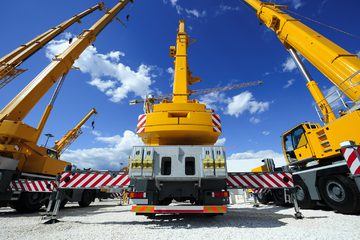
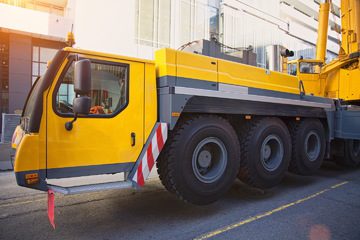
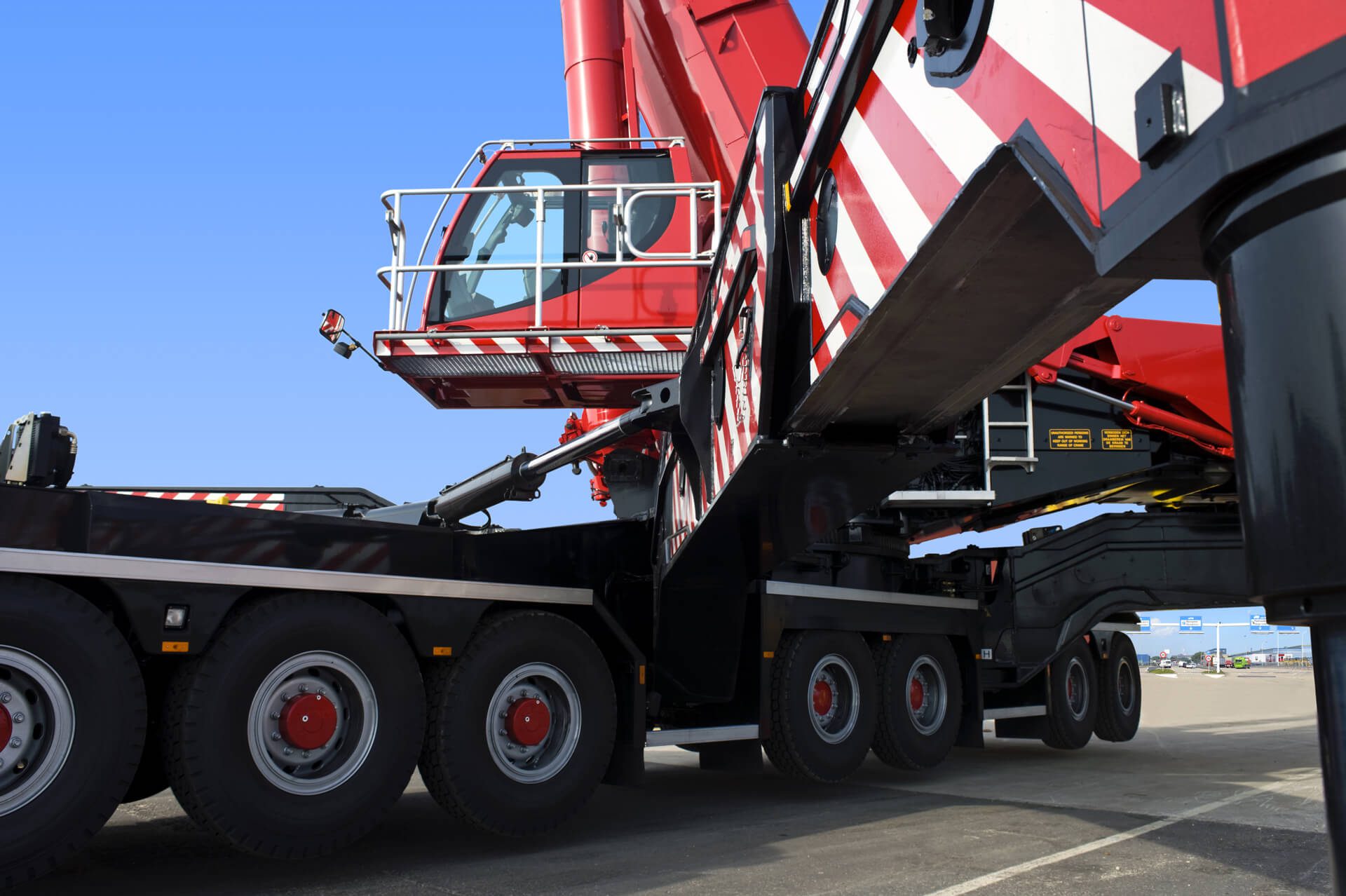
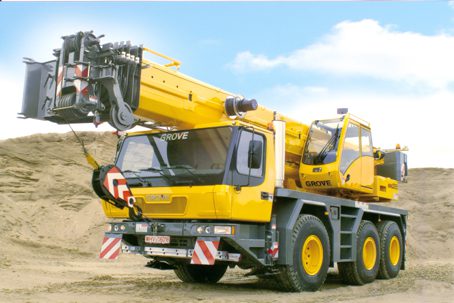
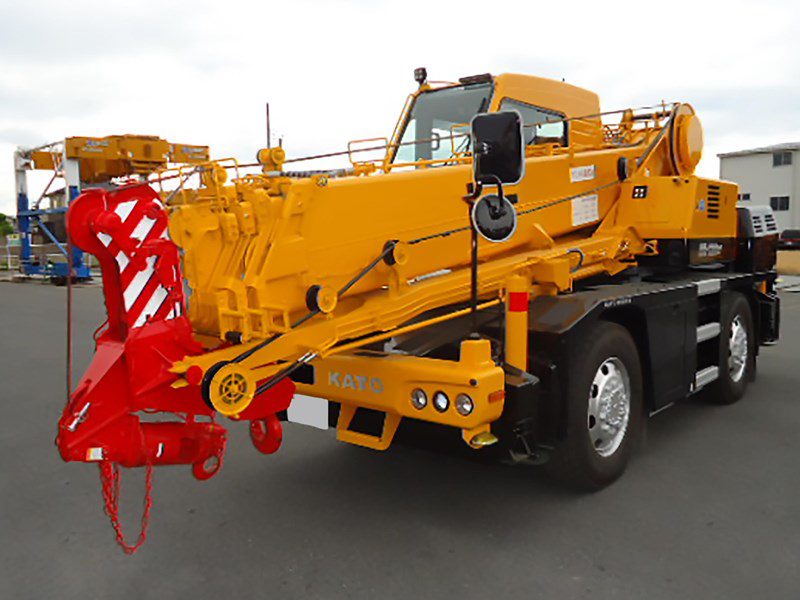
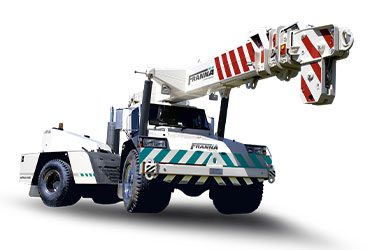
Mobile crane hire has emerged as a key response to this challenge. These cranes are designed not only for lifting but for movement. Mounted on wheeled or tracked bases, they can be transported between sites or repositioned within them with relative ease. Their value lies in their ability to adapt quickly to changing conditions, whether that means installing structural elements on a tight schedule or supporting short-term tasks that do not justify permanent equipment.
In Northern Sydney, where infrastructure upgrades intersect with dense residential and commercial zones, this flexibility becomes particularly important. mobile crane hire northern sydney reflects a broader shift toward responsive construction practices. Here, cranes are not static fixtures but part of a fluid system, moving as projects evolve and enabling work to continue without imposing unnecessary disruption. The emphasis is less on scale and more on coordination, ensuring that each lift fits seamlessly into a larger sequence of activity.
Reaching Upward in a Constrained Landscape
At the same time, Australia’s cities are growing vertically. The economic and spatial pressures of urban life have made high-rise construction not just common but necessary. This shift has elevated the role of tower crane hire, which provides the reach and stability required for tall structures.
Tower cranes are, by design, long-term installations. Once erected, they remain in place for the duration of a project, becoming part of its physical and operational framework. Their height allows them to service multiple levels simultaneously, while their fixed position supports a steady flow of materials. In this sense, they act as logistical hubs, coordinating the movement of components that must arrive in precise order and timing.
Yet their presence also introduces new complexities. In dense urban areas, tower cranes must operate within limited airspace, often in proximity to other cranes or structures. This requires careful planning and strict adherence to operational protocols. The cranes themselves become part of a larger system of coordination, one that balances efficiency with safety in an environment where margins are often narrow.
Precision in Tight Spaces
As development pushes further into built-up areas, the limitations of traditional equipment become more apparent. Construction sites are frequently surrounded by existing buildings, leaving little room for wide-reaching machinery. In these contexts, luffing crane hire has gained prominence.
Luffing cranes are distinguished by their ability to raise and lower their jib, allowing them to operate within confined spaces. This design reduces the horizontal footprint of the crane, making it suitable for sites where clearance is limited. In practical terms, this means construction can proceed in areas that would otherwise be difficult, if not impossible, to develop.
The increasing reliance on luffing cranes reflects a broader trend toward specialization. As urban environments become more complex, construction solutions must become more tailored. The choice of crane is no longer a matter of convenience but a strategic decision, shaped by the specific constraints of each site.
Safety as a Constant Consideration
Underlying all of this is a strong emphasis on safety. Australia’s construction industry operates within a well-developed regulatory framework, and crane operations are subject to particularly rigorous standards. These regulations govern everything from equipment maintenance to operator training, reflecting the potential risks associated with heavy lifting in populated areas.
Over time, these standards have evolved in response to both technological advancements and industry experience. There is now a greater focus on proactive risk management, with detailed planning required before any major lift takes place. Operators must be certified, equipment must be regularly inspected, and sites must be designed to minimize hazards.
Crane hire companies play a significant role in maintaining these standards. Their responsibilities extend beyond supplying machinery to ensuring that it is used safely and effectively. This includes providing trained personnel, conducting inspections, and advising on best practices. In a sense, they act as both suppliers and stewards, helping to uphold the integrity of the construction process.
Technology and the Changing Nature of Work
While the physical form of cranes has remained relatively consistent, the way they are operated is changing. Advances in digital technology are introducing new levels of precision and oversight. Telematics systems, for example, allow operators to monitor performance in real time, tracking variables such as load weight and environmental conditions.
These tools are not merely conveniences; they represent a shift toward data-driven decision-making. By providing immediate feedback, they enable operators to adjust their actions in response to changing circumstances, improving both efficiency and safety. At the same time, they offer project managers a clearer understanding of how equipment is being used, supporting more effective planning and coordination.
Training has also been transformed by technology. Simulation systems allow operators to practice complex maneuvers in a controlled environment, reducing the risks associated with on-site learning. This contributes to a more skilled workforce, capable of handling the demands of modern construction with greater confidence.
A Quiet Influence on the Shape of Cities
It is easy to overlook the role of crane hire in the broader narrative of urban development. The finished buildings, after all, are what capture attention. Yet the process that brings them into being is equally significant, and cranes are central to that process.
The distinction between mobile crane hire, tower crane hire, and luffing crane hire is not simply technical. It reflects different approaches to solving the challenges of construction in a changing environment. Whether enabling rapid infrastructure work, supporting high-rise development, or navigating tight urban spaces, these cranes contribute in ways that are both practical and profound.
As Australia continues to grow and evolve, the demands placed on its construction industry will only increase. Projects will become more complex, timelines more compressed, and expectations higher. In this context, crane hire will remain a critical, if often understated, element of progress.
The next time you notice a crane moving slowly against the sky, it may be worth considering the role it plays. Not just as a machine, but as part of a larger system that shapes how cities are built—carefully, incrementally, and always in motion.