If you pause long enough on a city street in Sydney or Melbourne, you begin to notice a rhythm above the noise—booms turning slowly, cables tightening, loads rising and falling with quiet precision. Cranes have become so embedded in Australia’s urban landscape that they almost disappear into it. Yet behind this familiarity lies a profound shift in how cities are built, and more importantly, how construction itself is organized. Increasingly, that shift revolves around crane hire.
What may once have been considered a straightforward logistical choice—owning or renting heavy equipment—has evolved into something more strategic. In modern Australian construction, mobile crane hire, tower crane hire, and luffing crane hire are not just operational decisions. They are reflections of how projects respond to density, cost pressures, safety expectations, and the growing complexity of urban development.
Infrastructure Expansion and the Flexibility of Mobile Cranes
Australia’s recent infrastructure push has been both ambitious and geographically expansive. Major transport corridors, renewable energy installations, and urban renewal projects have stretched across vast distances and varied terrains. In this environment, flexibility is not a luxury; it is a necessity.
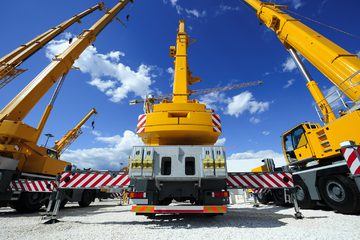
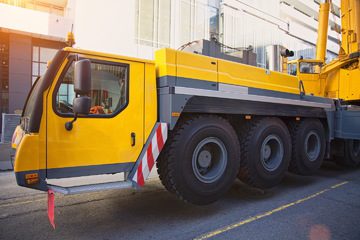
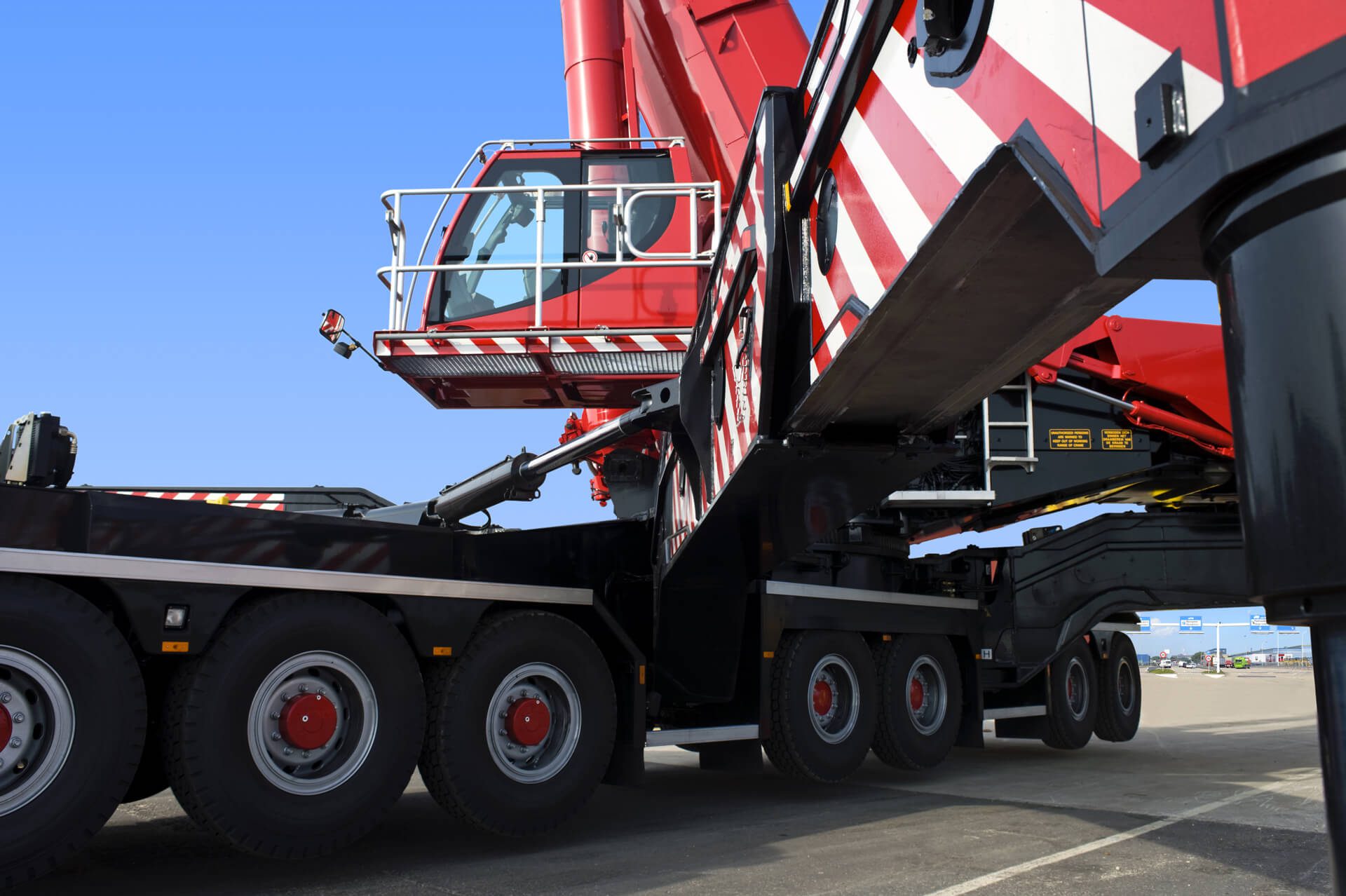
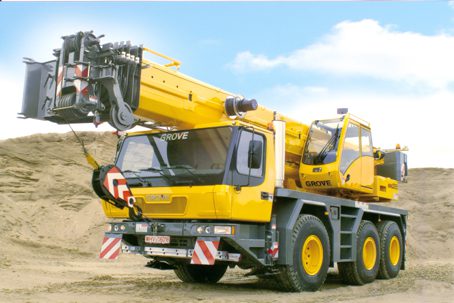
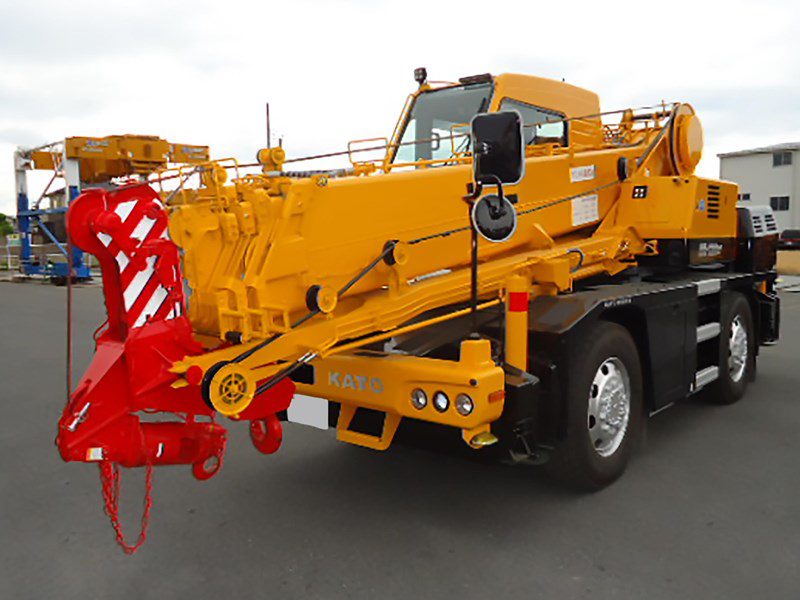
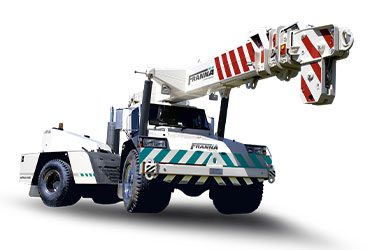
This is where mobile crane hire finds its place. Unlike fixed cranes, mobile units can be transported relatively quickly from one site to another, making them indispensable for projects that unfold in stages or across multiple locations. A highway expansion might require lifting bridge segments in one region, then relocating equipment hundreds of kilometers away to continue work elsewhere. Ownership, in such cases, can become impractical. Hiring allows contractors to match equipment precisely to evolving needs.
But the significance of mobile crane hire extends beyond convenience. It enables a more responsive approach to construction. Infrastructure projects rarely proceed exactly as planned; delays, design changes, and environmental factors introduce constant adjustments. Mobile cranes provide the capacity to adapt without committing long-term capital to equipment that may sit idle between phases. In this way, they quietly support the broader momentum of national development.
Building Vertically: Tower Cranes and Urban Density
If mobile cranes reflect movement and adaptability, tower cranes represent permanence and vertical ambition. Australia’s major cities have been steadily building upward, driven by population growth, housing shortages, and the economic logic of land scarcity. In dense urban environments, the ability to construct vertically is not simply desirable—it is essential.
Tower crane hire plays a central role in this shift. These cranes, anchored to the ground or integrated into a building’s structure, provide the height and reach necessary for high-rise construction. Yet their importance lies as much in coordination as in capability. A tower crane becomes the central artery of a construction site, determining how materials are delivered, distributed, and assembled.
On a typical high-rise project, multiple teams rely on a single crane to move steel, concrete, and prefabricated components. Timing becomes critical. A delay in lifting materials to one floor can ripple across the entire site, affecting dozens of workers and multiple trades. In this context, the decision to engage in tower crane hire is as much about project orchestration as it is about lifting capacity.
There is also an economic logic at play. High-rise construction involves significant upfront investment, and tying additional capital into crane ownership can strain budgets. Hiring allows developers to align costs more closely with project timelines, preserving financial flexibility in a market where conditions can change quickly.
Constrained Spaces and the Precision of Luffing Cranes
As Australian cities grow denser, construction sites are becoming more constrained. Buildings rise closer together, property boundaries tighten, and airspace becomes a shared resource. Traditional crane configurations, with long horizontal jibs, can struggle in such environments.
This is where luffing crane hire has gained prominence. Unlike standard tower cranes, luffing cranes can raise and lower their jib, allowing operators to control the radius of movement with greater precision. In crowded urban centers, this capability is not merely advantageous—it is often essential.
Consider a construction site in central Sydney, surrounded by existing high-rises and active streets. The ability to lift materials without encroaching on neighboring properties or conflicting with other cranes becomes a complex spatial puzzle. Luffing cranes solve this problem by minimizing their footprint in the air, enabling multiple cranes to operate in close proximity without interference.
Their growing use reflects a broader trend in urban development: the need to build within tighter constraints while maintaining efficiency. As available land diminishes, construction methods must become more precise, and equipment must adapt accordingly. Luffing crane hire represents a response to this new reality.
Safety and Regulation in a High-Stakes Environment
Behind every crane movement lies a network of regulations designed to manage risk in an inherently hazardous industry. Australia’s approach to construction safety is among the most rigorous globally, shaped by decades of experience and a strong emphasis on worker protection.
Crane operations are subject to detailed planning requirements, including lift studies, risk assessments, and strict adherence to load limits. Operators must be certified, equipment must be regularly inspected, and every lift must be executed within carefully defined parameters. These standards are not static; they evolve in response to incidents, technological advances, and shifting industry expectations.
For companies involved in crane hire, compliance is integral to their role. It is not simply about providing equipment, but about ensuring that equipment meets regulatory standards and is supported by appropriate expertise. The reputational and financial consequences of safety failures are significant, reinforcing a culture in which caution and precision are paramount.
At the same time, the regulatory environment introduces its own complexities. Navigating permits, coordinating with local authorities, and adhering to site-specific restrictions can add layers of planning to already complex projects. Yet these challenges are widely accepted as necessary, reflecting a broader societal expectation that growth should not come at the expense of safety.
Technology and the Transformation of Practice
While cranes may appear largely unchanged from a distance, the technology embedded within them has advanced considerably. Modern systems incorporate sensors, digital controls, and real-time data monitoring that enhance both performance and safety.
Operators now have access to detailed information about load weight, wind conditions, and crane position, allowing for more informed decision-making. These systems can prevent overloading, detect potential hazards, and improve overall efficiency. In some cases, remote monitoring enables off-site oversight, adding another layer of control.
Beyond individual machines, digital tools are reshaping how cranes are integrated into construction planning. Building information modeling, for example, allows project teams to simulate crane placement and movement before work begins. This reduces uncertainty and helps identify potential conflicts early in the process.
The result is a gradual shift in how construction is managed. Data-driven decision-making is becoming more common, and the role of the crane operator is evolving to include interaction with increasingly sophisticated systems. This does not diminish the importance of human skill; rather, it augments it, creating a more complex but also more controlled working environment.
Pressures, Constraints, and the Path Forward
Despite its central role, the crane hire sector operates within a landscape of ongoing challenges. Supply chain disruptions can affect equipment availability, while labor shortages create pressure on skilled operators. At the same time, the push toward sustainability is prompting questions about fuel use, emissions, and the environmental impact of construction practices.
These pressures are not unique to Australia, but they are particularly pronounced in a market characterized by rapid growth and high expectations. Yet they also drive innovation. The demand for more efficient, lower-emission equipment is encouraging technological development, while evolving project requirements continue to shape how cranes are designed and deployed.
What becomes clear is that crane hire is not a static service but a dynamic component of the construction ecosystem. It responds to changes in policy, technology, and urban form, adapting to meet the needs of an industry in constant motion.
The Invisible Architecture of Growth
It is tempting to view cranes simply as tools—functional, necessary, but ultimately secondary to the buildings they help create. Yet this perspective overlooks their deeper significance. Cranes influence how projects are conceived, how timelines are structured, and how cities expand.
Mobile crane hire supports the vast networks of infrastructure that underpin economic activity. tower crane hire enables the vertical growth that defines modern urban living. Luffing crane hire allows construction to continue in spaces where traditional methods would falter. Together, they form an invisible architecture, shaping not just individual projects but the broader trajectory of Australia’s cities.
In the end, the cranes that dot the skyline are more than symbols of construction. They are indicators of a system in motion—one that balances ambition with constraint, innovation with regulation, and growth with responsibility. To understand their role is to gain insight into how Australia is building its future, one carefully lifted piece at a time.